Bytt til trykk
 Vis hele teksten







































 For kunstverk eller reproduksjoner som er større enn 105 cm (ca. 41 tommer) på noen side, vil rammen bli sendt som et sett som må monteres. Denne metoden sikrer trygg levering og forhindrer skader under transport.


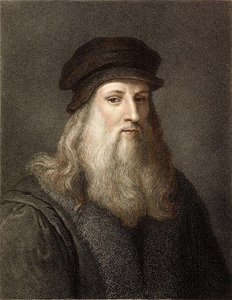
Leonardo da Vinci & Andrea del Verrocchio: The Crucible of Genius
Leonardo di ser Piero da Vinci’s artistic journey began within the workshop of Andrea del Verrocchio in Florence during the zenith of the Italian Renaissance—a period characterized by an unprecedented flourishing of art, science, and humanism. This formative environment fostered a rigorous approach to artistic training, emphasizing observation, anatomical study, and the meticulous rendering of detail. Verrocchio’s studio wasn't merely a place of instruction; it was a crucible where innovative ideas collided with established traditions, shaping the very trajectory of Da Vinci’s extraordinary career.
- Florence: The Cradle of Renaissance Innovation
- Verrocchio’s Influence: Mastering Sculpture and Painting Techniques
- Early Apprenticeship Challenges: Observing Anatomical Precision
“Garment Study for a Seated Figure”: A Masterpiece of Restraint
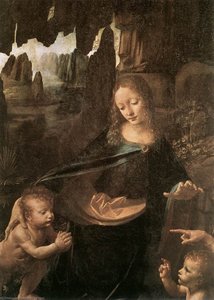
"Garment Study for a Seated Figure," housed within the Louvre in Paris, isn't merely a preparatory sketch; it’s a profound meditation on form, texture, and the very essence of human representation. Completed around 1470, this unassuming canvas—measuring approximately 266 x 233 cm—offers an unparalleled window into the meticulous process by which one of history's greatest artists approached his monumental works. It’s a study in restraint, demonstrating Da Vinci’s unwavering commitment to observation elevated to an art form.
- Composition & Light: Minimal Background, Maximum Impact
- Fabric Texture: Mastering *Sfumato* Technique
- Symbolism: The Anonymous Figure and Artistic Exploration
The Renaissance Workshop: A Foundation for Genius
To truly appreciate “Garment Study,” it’s crucial to understand the context within which it was created. Da Vinci's early career unfolded in Florence during the height of the Italian Renaissance—a period characterized by an unprecedented flourishing of art, science, and humanism. He apprenticed under Andrea del Verrocchio, a leading sculptor and painter, absorbing not only technical skills but also a broader intellectual curiosity that would define his entire life’s work. This workshop environment fostered a rigorous approach to artistic training, emphasizing observation, anatomical study, and the careful rendering of detail.
- Verrocchio's Legacy: Shaping Da Vinci's Artistic Vision
- Observational Method: Anatomical Studies as Cornerstone
- Reproductions by OriginalUniqueArt: Experience Renaissance Brilliance
Symbolism and Technique: A Delicate Balance
While seemingly straightforward, “Garment Study” is rich in symbolic potential. The seated figure itself remains anonymous, deliberately devoid of identifying features—a common practice in Da Vinci’s preparatory works. This anonymity allows the viewer to focus entirely on the study's technical brilliance and its exploration of form. The draping fabric isn’t merely decorative; it’s a complex interplay of light and shadow, demonstrating Da Vinci’s mastery of *sfumato*—a technique he would later perfect in his portraits. The subtle gradations of tone create an illusion of depth and volume, making the fabric appear to flow and breathe.
- Sfumato: Achieving Depth Through Subtle Transitions
- Material Palette: Charcoal, Pen & Ink, Grey Wash
- OriginalUniqueArt Reproductions: Bringing Da Vinci's Genius Home
Bringing Da Vinci Home: Reproductions by OriginalUniqueArt
For those captivated by the artistry of “Garment Study” – whether as art historians, collectors, or simply admirers of Renaissance genius – OriginalUniqueArt offers exquisite, hand-painted oil reproductions. Our skilled artisans meticulously recreate Da Vinci’s nuanced techniques and subtle details, capturing the essence of this remarkable study with unparalleled accuracy. Each reproduction is a testament to Da Vinci's legacy, allowing you to experience his artistic brilliance in stunning detail.
- Authentic Detail: Recreating Da Vinci’s Precision
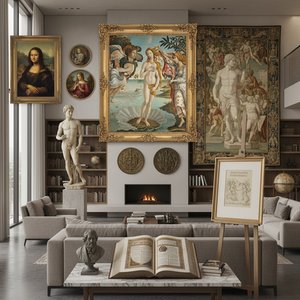
- Interior Design Inspiration: Adding Renaissance Elegance
- Explore Our Collection Today!
Spørsmål og svar
Hvilken atmosfære formidler "Leonardo da Vinci"?
Den overordnede stemningen i "Leonardo da Vinci" av Leonardo Da Vinci er Elegant. Stemningen beskriver verkets generelle atmosfære.
Hvilke andre navn er Leonardo Da Vinci kjent under?
Leonardo Da Vinci er også kjent under navnene Leonardo Di Ser Piero Da Vinci.
Hvilken atmosfære tilfører "Leonardo da Vinci" av Leonardo Da Vinci et interiør?
Med sin Elegant stemning anbefales "Leonardo da Vinci" for et Stue og oppholdsrom.
 Forhåndsvisning
 Send
Send Del
Del
 Vis detaljer
 Utskriftsvennlig guide

 Last ned bilde
 Liknende objekter
 Røntgenundersøkelse
 Lysbildefremvisning
 Q&A
Q&A Statistikk