Forhåndsvisning
 Send
Send Del
Del
 Vis detaljer
 Utskriftsvennlig guide

 Last ned bilde
 Liknende objekter
 Røntgenundersøkelse
 Lysbildefremvisning
 Spørsmål og svar
 Statistikk
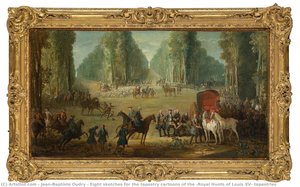
Farmhouse

- 130.0 x 212.0 cm


 Vis hele teksten
Giclée / Kunsttrykk
Giclée- eller lerretsprint av museumskvalitet med rask produksjon og fleksible valgmuligheter for etterbehandling. ( Kjøp håndmalt maleri Bytt til digitalt bilde)




P118B Nkr10

P118H Nkr10

P118W Nkr10

P438Z Nkr10

P508JH Nkr12

P508YH Nkr12

P805H Nkr10

P805Z Nkr10

P919BZ Nkr10

P919G Nkr10

P919XJ Nkr10

P959ZH Nkr10

P968JZ Nkr12

W106C Nkr8

W218G Nkr10

W218JH Nkr8

W218Y Nkr10

W307PJ Nkr10

W316G Nkr10

W316PJ Nkr8

W316Y Nkr10

W398PJ Nkr8

W4111J Nkr10

W500HY Nkr15

W500JH Nkr15

W692G Nkr12

W849H Nkr8

W940BG Nkr15

W953PJ Nkr8




Velg mellom våre forhåndsdefinerte størrelser som bevarer kunstverkets opprinnelige proporsjoner.

Skriv inn ønsket bredde og høyde for å tilpasse trykket til din ramme eller vegg. Et trykk kan kun beskjæres, aldri skaleres opp utover motivets opprinnelige størrelse, noe som betyr at et format med andre proporsjoner vil føre til tap av deler av bildet. Vi sender deg en digital mockup for godkjenning før vi starter trykkeprosessen. Bildet som vises på denne siden viser ikke den faktiske beskjæringen — det er kun mockuppen som viser dette.
Verdensomspennende levering () på 2 uker i stedet for standard 4/5 uker. (5 November)

Gratis ekspressfrakt over hele verden

Lerretsduk av lin av høy kvalitet

Full transportforsikring

Garanti for refusjon av toll og importavgifter

Garantert fargegjengivelse

100 dagers returrett ved fabrikasjonsfeil

100% pengene tilbake-garanti

Rabatt ved flere kjøp
 Glassalternativet er kun tilgjengelig i størrelser under 110 cm

Farmhouse
Giclée / Kunsttrykk
Størrelse på reproduksjon
-


Totalpris for valgte alternativer
Nkr 774
A Pastoral Dream in Rococo Hues
To gaze upon Jean-Baptiste Oudry's "Farmhouse" is to step directly into an idealized vision of 18th-century French rural life. This painting, executed in 1750, transcends a mere depiction of farmstead; it is a carefully orchestrated symphony of light, color, and pastoral tranquility. The Rococo style, with its inherent lightness and elegant exuberance, bathes the entire scene in a soft, almost dreamlike glow. One feels an immediate sense of calm wash over the viewer as the eye wanders from the rustic farmhouse, crowned with its thatched roof, across the fertile expanse of farmland stretching toward the horizon.
Mastery of Light and Detail
Oudry’s technical brilliance is immediately apparent in every meticulously rendered element. His handling of light is nothing short of masterful; it seems to emanate naturally from the scene itself, highlighting the textures of the wood, the softness of the sheep's wool, and the delicate folds of the clouds overhead. The composition is a study in balance, framed beautifully by lush trees that flank both sides, lending an almost theatrical depth to the foreground. Notice the scattered life—the contented cows grazing near the structure, the busy chickens pecking at the earth. These animals are not mere props; they imbue the scene with palpable vitality, suggesting the rhythm of daily existence.
Symbolism of Abundance and Harmony
Beyond its surface beauty, "Farmhouse" carries deep symbolic weight. It speaks to an era's idealized relationship with nature—a time when agricultural bounty was celebrated as a source of both sustenance and aesthetic pleasure. The combination of the thriving farmland, the sheltering farmhouse, and the gentle presence of human figures engaged in labor suggests themes of harmony, prosperity, and settled domestic bliss. Even the inclusion of farm implements hints at a life lived in respectful partnership with the land.
Bringing the Countryside Home
For the collector or designer seeking to infuse a space with timeless elegance, this piece offers unparalleled depth. The warm palette, dominated by rich earth tones punctuated by soft pastels, ensures that "Farmhouse" can anchor any room, whether it be a grand salon yearning for rustic charm or a sunlit breakfast nook desiring an air of cultivated serenity. Owning a reproduction allows one to possess not just a painting, but a tangible piece of 18th-century French artistry—a window into a bygone era of idyllic simplicity and exquisite craftsmanship.
Spørsmål og svar
Hvilket nasjonalt opphav ligger bak Rococo Style i "Farmhouse"?
"Farmhouse" ble skapt av Jean-Baptiste Oudry, som er født i Frankrike, innenfor Rococo Style-bevegelsen. Kunstnerens opprinnelse knytter verket til Rococo Style slik det utøves av kunstnere fra Frankrike.
Hvilken plassering passer best til formatet på "Farmhouse" av Jean-Baptiste Oudry?
Med sin Panoramic form anbefales en reproduksjon av "Farmhouse" for et Living Room.
Hvordan harmonerer fargene i "Farmhouse" med hverandre?
Fargene i "Farmhouse" av Jean-Baptiste Oudry utviser en Balanced Harmony harmoni. Harmoni beskriver hvordan fargene samspiller med hverandre.
Om kunstneren
Jean-Baptiste Oudry: Et liv i kunsten
Tidlig liv og utdanning
- Født: 17. mars 1686, i Paris, Frankrike.
- Oudry kom fra en kunstnerisk familie; hans far, Jacques Oudly, var maler og kunsthandler. Hans mor, Nicole Papillon, var i slekt med den berømte kobberstikkeren Jean-Baptiste-Michel Papillon.
- Han begynte sin utdannelse ved Académie de Saint-Luc, hvor han studerte under Nicolas de Largillière fra 1707 til 1712. Denne grunnleggende perioden formet hans tidlige ferdigheter innen portrettmaleri og observasjonsteknikk.
- Han gjorde raske fremskritt, og ble assisterende professor ved Académie de Saint-Luc i 1714, og full professor innen 1717.
Kunstnerisk utvikling og stil
- Opprinnelig med fokus på portretter, utvidet Oudry gradvis sitt repertoar til å inkludere stilleben, spesielt av frukt og dyr, samt religiøse motiver.
- Hans stil utviklet seg mot rokokkoen, preget av eleganse, naturalisme og en leken fremstilling av det aristokratiske livet og fritidssysler.
- Oudrys nitidige oppmerksomhet på detaljer og hans evne til å fange dyrenes teksturer og egenskaper ble selve kjennetegnet på hans arbeid.
- Han utviste mesterskap i både maleri og design, og beveget seg sømløst mellom lerretets verden og skapelsen av praktfulle gobeliner.
Store prestasjoner og fremstående verk
- The Pastoral Amusements (Les Ammutements Champêtres): En serie gobeliner designet for den kongelige Beauvais-fabrikken, som viser idylliske scener fra landlivet og jakt.
- Louis XV jakter på en hjort i skogen ved Saint-Germain (1730): Dette maleriet sementerte Oudrys rykte som den offisielle maleren for den kongelige jakten. Det eksemplifiserer hans ferdighet i å skildre både jaktens storhet og det naturlige miljøet.
- Louis XVs kongelige jakter (Chasses Royales Gobelins): En serie gobelin-design for Gobelins-fabrikken, som ytterligere etablerte Oudrys posisjon som en fremstående tekstildesigner.
- Tallrike portretter av vilt bestilt av kong Louis XV, som demonstrerer hans ekspertise innen dyreanatomi og komposisjon av stilleben.
Innflytelse og ettermæle
- Påvirket av: Nicolas de Largillière spilte en avgjørende rolle i Oudrys tidlige kunstneriske utvikling ved å gi ham grunnleggende opplæring i portrettkunst og teknikk.
- Oudrys arbeid påvirket etterfølgende generasjoner av dyremalere og tekstildesignere. Hans naturalistiske stil og detaljrikdom satte en ny standard for fremstilling av dyrelivet.
- Han bidro betydelig til de dekorative kunstene ved det franske hoffet, ved å skape luksuriøse gobeliner som prydet de kongelige residensene.
Historisk betydning
- Oudrys arbeid gir verdifull innsikt i det 18. århundrets aristokratiske liv og betydningen av jakt som en fritidssyssel for den franske adelen.
- Hans gobeliner regnes som mesterverk innen fransk dekorativ kunst, og viser periodens tekniske ferdighet og kunstneriske kreativitet.
- Han ble utnevnt til prestisjetunge posisjoner innen Académie Royale de Peinture et de Sculpture, noe som vitner om hans anerkjennelse som en ledende kunstner i sin tid.
- Død: 30. april 1755, og etterlot seg en arv av utsøkte malerier og gobeliner som fortsetter å bli beundret den dag i dag.

Jean-Baptiste Oudry
1686 - 1755 , Frankrike
Kort om kunstneren
- Artistic Movement Or Style: Rokoko
- Artists Who Influenced This Artist: ['Nicolas de Largillière']
- Date Of Birth: 17 mars 1686
- Date Of Death: 30 april 1755
- Full Name: Jean-Baptiste Oudry
- Nationality: Französisk
- Notable Artworks:
- The Pastoral Amusements
- Louis XV Hunting a Deer in the Forest of Saint-Germain
- Place Of Birth: Paris, Frankrike
Relaterte artikler
Idyllic Visions: Exploring the Pastoral Tradition in Western Art – Themes, Techniques & Enduring Appeal
Explore the rich history of pastoral art from classical Arcadia to contemporary interpretations. Discover key artists, themes & collecting tips at OriginalUniqueArt.

Léon Augustin L'Hermitte: Capturing the Soul of French Rural Life
Discover the captivating realist paintings of Léon Augustin L'Hermitte, masterfully depicting French rural life. Explore his technique, influences & legacy – a cornerstone of 19th-century art.

Rokokkoens Mesterverk: Topp 10 Kunstverk som Definerte en Epoke | OriginalUniqueArt.no
Oppdag Rokokkoens 10 mest ikoniske mesterverk! Lær om Boucher, Fragonard og Watteau – kunsthistorie, pastellfarger & elegante interiører. Finn museumskvalitets reproduksjoner på OriginalUniqueArt.no.
Animalia: Dyrenes varige tilstedeværelse i kunst og interiørdesign
Utforsk dyrenes fascinerende symbolske betydning i kunst og interiørdesign! Lær om historiske trender, kulturelle allegorier og hvordan du kan bruke dyremotiver for å skape et unikt hjem.

The Rococo Aesthetic: Opulence, Rebellion & the Pursuit of Pleasure in 18th-Century Art
Explore the opulent world of Rococo art! Discover its origins, key artists like Watteau & Boucher, and lasting influence on design. Expert insights for collectors & enthusiasts.