Se i rommet
 Del som digitalt kort
 Del
Del
 Detaljer
 Studentguide

 Last ned
 Liknende objekter
 Røntgen
 Lysbildefremvisning
 Besøksstatistikk
GERARD EDELINCK


 Les mer
Giclée / Kunsttrykk
Giclée- eller lerretsprint av museumskvalitet med rask produksjon og fleksible valgmuligheter for etterbehandling. ( Bestill håndmalt reproduksjon Gå til digitalt bilde)




P118B Nkr10

P118H Nkr10

P118W Nkr10

P438Z Nkr10

P508JH Nkr12

P508YH Nkr12

P805H Nkr10

P805Z Nkr10

P919BZ Nkr10

P919G Nkr10

P919XJ Nkr10

P959ZH Nkr10

P968JZ Nkr12

W106C Nkr8

W218G Nkr10

W218JH Nkr8

W218Y Nkr10

W307PJ Nkr10

W316G Nkr10

W316PJ Nkr8

W316Y Nkr10

W398PJ Nkr8

W4111J Nkr10

W500HY Nkr15

W500JH Nkr15

W692G Nkr12

W849H Nkr8

W940BG Nkr15

W953PJ Nkr8




Velg mellom våre forhåndsdefinerte størrelser som bevarer kunstverkets opprinnelige proporsjoner.

Skriv inn bredden og høyden du trenger, slik at den passer til din ramme eller vegg. Et trykk kan kun beskjæres, aldri gjøres større enn bildet, så et format med en annen form vil miste en del av motivet. Vi sender deg en digital mockup for godkjenning før vi trykker noe som helst. Bildet som vises på denne siden viser ikke den faktiske beskjæringen — det er kun mockuppen som gjør det.
Verdensomspennende levering () på 2 uker i stedet for standard 4/5 uker. (25 October)

Gratis ekspressfrakt over hele verden

Lerretsduk av høykvalitets lin

Full transportforsikring

Garanti for refusjon av toll og importavgifter

Garantert fargeekthet

100 dagers returrett ved fabrikasjonsfeil

100% pengene tilbake-garanti

Mengderabatt
 Glassalternativet er kun tilgjengelig i størrelser under 110 cm

GERARD EDELINCK
Giclée / Kunsttrykk
Format på reproduksjon
-


Totalpris
Nkr 760
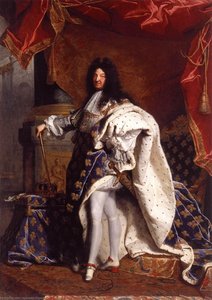
A Portrait of Prestige: Hyacinthe Rigaud’s Masterpiece of Gerard Edelinck
Hyacinthe Rigaud's "Portrait of Gérard Edelinck," painted circa 1698, is more than just a likeness; it’s a meticulously crafted window into the opulent world of 18th-century French nobility. This captivating work, now residing within the Louvre Museum in Paris, exemplifies Rigaud’s signature style – a harmonious blend of Baroque grandeur and refined realism that secured his place as one of France's most celebrated portrait painters. The painting immediately draws the eye with its rich palette dominated by warm reds, deep browns, and subtle golds, creating an atmosphere of wealth and authority. Rigaud masterfully employs light to sculpt Edelinck’s face, highlighting the contours of his features and conveying a sense of dignified composure.
The composition itself is a testament to Rigaud's skill. The subject, Gérard Edelinck, a prominent calligrapher (a ‘Caligraphus’ as indicated by inscriptions on the painting), occupies a central position within a relatively shallow space. His gaze meets the viewer directly, establishing an immediate and engaging connection. The arrangement is remarkably symmetrical, reflecting the formal conventions of portraiture at the time while simultaneously imbuing the scene with a sense of balance and stability. Notice how Rigaud subtly incorporates textual elements – Latin inscriptions framing the piece – that further elevate Edelinck’s status and underscore the painting's purpose as a commemorative artwork.
The Baroque Brushstroke: Technique and Detail
Rigaud’s technique is characterized by an extraordinary level of detail and a masterful manipulation of light and shadow. He achieves this through layers of carefully applied oil paint, creating smooth transitions between tones and subtly modeling the forms of Edelinck's face, clothing, and wig. The wig itself—a towering confection of curls and powdered hair—is rendered with remarkable precision, showcasing Rigaud’s ability to capture texture and volume. Observe how he uses delicate brushstrokes to define the folds of the coat, the sheen of the fabric, and the subtle wrinkles around Edelinck's eyes – details that contribute significantly to the painting’s lifelike quality.
The use of color is equally impressive. Rigaud doesn’t simply apply pigments; he orchestrates them, creating a harmonious interplay of hues that enhances the overall effect. The warm tones evoke feelings of warmth, wealth, and sophistication, while the cooler shades in Edelinck's skin provide a subtle contrast. Furthermore, Rigaud expertly employs chiaroscuro – the dramatic use of light and shadow – to create depth and volume, drawing attention to key features and adding a sense of drama to the scene.
Symbolism and Context: A Reflection of Status
Beyond its technical brilliance, “Portrait of Gérard Edelinck” is rich in symbolism. The elaborate attire—the richly embroidered coat, the ornate wig—is not merely decorative; it’s a visual declaration of status and wealth. In 18th-century France, clothing was a powerful symbol of social standing, and Rigaud meticulously rendered these symbols to convey Edelinck's position within society. The inclusion of the Latin inscription further reinforces this message, elevating Edelinck’s importance and commemorating his achievements.
The painting also reflects the broader cultural context of the time. Rigaud was a court painter, deeply embedded in the world of French aristocracy. His portraits were commissioned to celebrate individuals of prominence – nobles, diplomats, scholars, and artists—and served as powerful tools for asserting social influence and commemorating important events. The portrait’s meticulous detail and formal composition reflect the prevailing artistic standards of the Baroque period, which emphasized grandeur, drama, and a celebration of human achievement.
A Timeless Masterpiece: Emotional Impact and Legacy
“Portrait of Gérard Edelinck” transcends its historical context to offer a profound insight into the human condition. Edelinck’s direct gaze invites us to connect with him on a personal level, while his dignified posture conveys a sense of self-assurance and authority. Rigaud masterfully captures not only Edelinck's physical appearance but also his inner character—his intelligence, ambition, and social standing. The painting is a testament to the power of portraiture to immortalize individuals and preserve their legacy for posterity.
Today, this remarkable work continues to captivate viewers with its technical brilliance, historical significance, and emotional resonance. It stands as a shining example of Hyacinthe Rigaud’s genius—a masterpiece that embodies the spirit of 18th-century France and remains a source of inspiration for artists and art lovers alike.
Spørsmål og svar
Hvilken fargemetning har "GERARD EDELINCK" av Hyacinthe Rigaud?
"GERARD EDELINCK" av Hyacinthe Rigaud er gjengitt med en Clear Color Presence metning.
Tillater opphavsretten til "GERARD EDELINCK" av Hyacinthe Rigaud reproduksjoner?
"GERARD EDELINCK" av Hyacinthe Rigaud, som befinner seg i Louvre, er i det frie domene – opphavsretten har utløpt. Denne statusen avgjør om det er tillatt å lage reproduksjoner av bildet.
Hvilke motiver fremkommer i "GERARD EDELINCK" av Hyacinthe Rigaud?
"GERARD EDELINCK" av Hyacinthe Rigaud avbilder: portraiture, baroque, dignity, status, formal, 18th century, gentleman, wig.
Kunstnerbiografi
Hyacinthe Rigaud: Liv og ettermæle
Hyacinthe Rigaud (1659-1743) var en fremstående fransk barokkmaler av katalansk opprinnelse, feiret for sine mesterlige portretter som fanget selve essensen av det 18. århundrets franske adel og mote. Hans arbeid står igjen som et betydelig bidrag til portrettkunstens historie.
Tidlig liv og opplæring
Rigaud ble født 18. juli 1659 i Perpignan, Pyrénées-Orientales, i Frankrike, og hans familie hadde dype kunstneriske røtter – hans bestefar var en maler og forgyller. Han ble opprinnelig utdannet som skredder i sin fars verksted, men oppdaget snart sin lidenskap for malerkunsten. Fra 1671 og fremover foredlet han sine ferdigheter under Antoine Ranc i Montpellier. I 1675 flyttet han til Lyon, hvor han kom i kontakt med verkene til flamske, nederlandske og italienske mestre.
Kunstnerisk utvikling og påvirkning
Rigauds kunstneriske utvikling ble dypt formet av møtet med de gamle mestrene. Han beundret og hentet inspirasjon fra:
- Peter Paul Rubens: For hans dynamiske komposisjoner og rike fargepaletter.
- Anthony van Dyck: For hans elegante portrettkunst og raffinerte teknikk.
- Rembrandt: For hans mesterlige bruk av lys og skygge, samt psykologisk dybde.
- Tizian: For hans levende farger og ekspressive penselstrøk.
Da han ankom Paris i 1681, vant han det prestisjetunge *prix de Rome*-stipendet i 1leg82, men valgte å ikke reise til Italia. I stedet valgte han å videreutvikle sine ferdigheter innenfor Frankrikes grenser.
Karriere og store bragder
Rigaud etablerte seg raskt som en ledende portrettmaler i Paris. Hans malerier var viden kjent for sin nitidige detaljrikdom, og de fanget ikke bare motivenes likhet, men også teksturene i klærne deres og overdådigheten i omgivelsene. Han ble tatt opp i Académie royale de peinture et de sculpture i 1700, og steg etter hvert til en fremtredende posisjon innen institusjonen før han gikk av med pensjon i 1735.
Merkverdige verk inkluderer:
- Portrett av Ludvig XIV (1701): Kanskje hans mest berømte verk, som viser Solkongen i all sin kongelige prakt.
- Madame Rigaud en deux attitudes différentes: Et dobbeltportrett som demonstrerer hans evne til å fange personlighet og ynde.
- Tallrike portretter av den franske adelen, som utgjør uvurderlige dokumentasjoner av datidens mote og sosiale status.
Stil og teknikker
Rigauds stil er preget av:
- Realisme: En forpliktelse til å representere sine motiver nøyaktig.
- Detaljrikdom: En nitidig oppmerksomhet på tekstiler, smykker og andre tilbehør.
- Smiger: Han presenterte ofte sine modeller på en idealisert måte, noe som forsterket deres status og utseende.
- Barokk storhet: Bruk av rike farger, dramatisk lyssetting og overdådige omgivelser.
Historisk betydning
Hyacinthe Rigauds portretter tilbyr et unikt vindu inn i det 18. århundrets Frankrike. Hans verk er ikke bare avbildninger; de er historiske dokumenter som avslører mye om tidens sosiale skikker, politiske makt og kunstneriske smak. Han ble selve portrettmaleren for den franske eliten, og sikret sin plass som en nøkkelfigur i kunsthistorien.
Musée Hyacinthe Rigaud i Perpignan bevarer og feirer hans ettermæle, og gir besøkende muligheten til å utforske hans liv og virke i større detalj. Hans malerier fortsetter å bli beundret for sin tekniske briljans, historiske betydning og tidløse skjønnhet.

Hyacinthe Rigaud
1659 - 1743 , Frankrike
Kort om kunstneren
- Bevegelse: Barokk
- Dødsdato: 29. desember 1743
- Fødested: Perpignan, Frankrike
- Fødselsdato: 18. juli 1659
- Merkverdige Verk: ['Portrett av Ludvig XIV']
- Nasjonalitet: Fransk
- Navn: Hyacinthe Rigaud
- Påvirket Av:
- Rubens
- Van Dyck
- Rembrandt
- Titian
Relaterte artikler
Charles Le Brun: Master of French Baroque Classicism & His Enduring Legacy
Explore the life & art of Charles Le Brun, master of French Baroque Classicism. Discover his royal commissions, influence on Versailles, and enduring legacy through detailed analysis & stunning artworks.

Barokkens drama: Å bringe prakt og følelser inn i moderne interiører
Oppdag barokkens praktfulle drama! Lær om stilens historie, kjennetegn og hvordan du kan integrere den i ditt hjem med s eksklusive kunstutvalg.
Simon Vouet: A Baroque Master's Journey from Italian Influence to French Classicism
Explore the life & art of Simon Vouet, a pivotal French Baroque painter who introduced Italian styles to France. Discover his masterpieces and lasting influence on 17th-century art.

Barokkens Mesterverk: Topp 10 Kunstverk som Definerte en Epoke | OriginalUniqueArt.no
Opplev barokkens prakt! Utforsk Rembrandts, Caravaggios og Rubenses mest ikoniske verk. Lær om historien bak disse mesterverkene og finn inspirasjon til din interiørdekor på OriginalUniqueArt.com. Museums kvalitet kunsttrykk.

The Dramatic Flourish: Exploring the Baroque Movement's Enduring Legacy in Art History
Explore the dramatic world of Baroque art! Discover iconic artists like Caravaggio & Rubens, defining techniques, and its lasting impact on art history. Expert insights for collectors & enthusiasts at OriginalUniqueArt.