
 Forhåndsvisning
 Send
Send Del
Del
 Vis detaljer
 Utskriftsvennlig guide

 Last ned bilde
 Liknende objekter
 Røntgenundersøkelse
 Lysbildefremvisning
 Spørsmål og svar
 Statistikk
Indian Dancer: From an Ethnographic Museum


 Vis hele teksten
Kunstverket som vises på denne siden er beskyttet av opphavsretten, noe som betyr at vi ikke har juridisk tillatelse til å lage eller selge identiske reproduksjoner. Denne beskyttelsen håndheves i henhold til internasjonale avtaler som for eksempel Bernerkonvensjonen og av nasjonale lover, inkludert de som er fastsatt i Amerikansk lov om opphavsrett – Tittel 17.
Denne metoden er i fullt samsvar med opphavsrettslige regler, da den ikke innebærer kopiering eller duplisering av det beskyttede kunstverket. I stedet er det snakk om en kreativ nytolkning – et nytt maleri som er inspirert av originalen, men ikke identisk med den.
Giclée / Kunsttrykk
Giclée- eller lerretsprint av museumskvalitet med rask produksjon og fleksible valgmuligheter for etterbehandling. ( Kjøp håndmalt maleri Bytt til digitalt bilde)




P118B Nkr10

P118H Nkr10

P118W Nkr10

P438Z Nkr10

P508JH Nkr12

P508YH Nkr12

P805H Nkr10

P805Z Nkr10

P919BZ Nkr10

P919G Nkr10

P919XJ Nkr10

P959ZH Nkr10

P968JZ Nkr12

W106C Nkr8

W218G Nkr10

W218JH Nkr8

W218Y Nkr10

W307PJ Nkr10

W316G Nkr10

W316PJ Nkr8

W316Y Nkr10

W398PJ Nkr8

W4111J Nkr10

W500HY Nkr15

W500JH Nkr15

W692G Nkr12

W849H Nkr8

W940BG Nkr15

W953PJ Nkr8




Velg mellom våre forhåndsdefinerte størrelser som bevarer kunstverkets opprinnelige proporsjoner.

Skriv inn ønsket bredde og høyde for å tilpasse trykket til din ramme eller vegg. Et trykk kan kun beskjæres, aldri skaleres opp utover motivets opprinnelige størrelse, noe som betyr at et format med andre proporsjoner vil føre til tap av deler av bildet. Vi sender deg en digital mockup for godkjenning før vi starter trykkeprosessen. Bildet som vises på denne siden viser ikke den faktiske beskjæringen — det er kun mockuppen som viser dette.
Verdensomspennende levering () på 2 uker i stedet for standard 4/5 uker. (4 November)

Gratis ekspressfrakt over hele verden

Lerretsduk av lin av høy kvalitet

Full transportforsikring

Garanti for refusjon av toll og importavgifter

Garantert fargegjengivelse

100 dagers returrett ved fabrikasjonsfeil

100% pengene tilbake-garanti

Rabatt ved flere kjøp
 Glassalternativet er kun tilgjengelig i størrelser under 110 cm

Indian Dancer: From an Ethnographic Museum
Giclée / Kunsttrykk
Størrelse på reproduksjon
-


Totalpris for valgte alternativer
Nkr 774
Om kunstneren
The Architect of Fragments: The Life and Legacy of Hannah Höch
In the fractured landscape of post-World War I Germany, where the old certainties of the imperial era had been violently dismantled, a new kind of art emerged from the debris. At the heart of this aesthetic revolution stood Hannah Höch, a visionary who did not merely paint or sculpt, but reconstructed reality itself. Born Anna Therese Johanne Höch in 1889 in Gotha, her early life was shaped by the quiet domesticity of familial duty, yet her spirit was destined for the radical avant-garde. While her initial training in graphic arts and glass design in Berlin was partially a concession to her father’s wishes, it provided her with the precise technical mastery required for her most profound contribution to art history: the invention and perfection of photomontage.
As the Weimar Republic struggled through political upheaval and social transformation, Höch became a central, albeit often overlooked, figure in the Berlin Dada movement. Alongside collaborators like Raoul Hausmann, she embraced the chaotic energy of the era, rejecting traditional fine art in favor of a medium that utilized the very tools of modern mass media. By cutting, tearing, and reassembling photographs from newspapers and magazines, she created works that mirrored the fragmented, dizzying experience of urban life. Her technique was more than a stylistic choice; it was a political act. Through the meticulous arrangement of disparate images, she could expose the contradictions of a society in flux, stripping away the polished veneer of propaganda to reveal the raw, often jarring truths beneath.
Subverting the Gaze: Gender and the New Woman
Perhaps the most enduring dimension of Höch’s work is her profound interrogation of gender roles and identity. During a period when the concept of the "New Woman"*—an energetic, professional, and increasingly independent female figure—was being debated in every corner of German society, Höch used her scissors to dissect these very constructs. Her montages often featured a surreal juxtaposition of masculine and feminine attributes, creating androgynine figures that challenged the rigid binaries of the time. She explored the tension between biological reality and the media-constructed image, using the fragmented body as a metaphor for the fractured identity of women navigating a patriarchal world.
Her artistic development was characterized by an uncanny ability to blend political critique with a deeply personal exploration of femininity. In masterpieces such as "Cut with the Kitchen Knife Dada through the Last Weimar Beer-Belly Cultural Epoch of Germany," she navigated the complex intersections of class, gender, and politics. Her work did not merely reflect the era; it actively participated in the dismantling of the "fable" of the domestic woman. By repurposing the imagery used to market femininity, she reclaimed agency, turning the tools of mass consumption into instruments of liberation.
A Lasting Impression on the Avant-Garde
The historical significance of Hannah Höch extends far beyond the borders of the Dada movement. She laid the groundwork for much of the contemporary art that followed, influencing everything from Surrealism to Pop Art and even modern digital collage. Her ability to find meaning in the discarded and the fragmented remains a powerful testament to the resilience of the human creative spirit. As we look back on her career, several key elements define her monumental impact:
- Technical Innovation: The elevation of photomontage from a mere craft to a sophisticated medium of high art.
- Social Critique: The use of mass-media imagery to challenge political authority and the propaganda of the Weimar Republic.
- Feminist Pioneering: A radical deconstruction of gendered aesthetics and the exploration of the "New Woman" archetype.
- Aesthetic Fragmentation: The creation of a visual language that captured the psychological disorientation of the early 20th century.
Though she lived through the dark shadows of the subsequent decades, including the rise of National Socialism which suppressed much of the avant-garde, Höch’s voice remained an essential part of the artistic canon. She remains a symbol of resistance and reinvention, reminding us that even from the most broken pieces, a new and profound truth can be assembled.

Hannah Höch
1889 - 1978
Kort om kunstneren
- Artistic Movement Or Style: Dadaism
- Artists Or Movements Influenced By This Artist: ['Surrealism']
- Artists Who Influenced This Artist: ['Harold Bergen']
- Date Of Birth: 1889
- Date Of Death: 1978
- Full Name: Hannah Höch
- Nationality: German
- Notable Artworks:
- Indian Dancer
- Made for a Party
- Place Of Birth: Gotha, Germany
Relaterte artikler
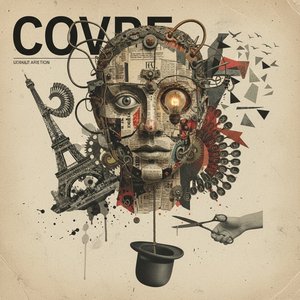
Dadaism: A Rebellion Against Reason – Exploring the Origins, Characteristics, and Enduring Legacy of an Anti-Art Movement
Explore the revolutionary Dada art movement! Discover its origins in WWI, key artists like Duchamp & Höch, core principles, and lasting impact on modern and contemporary art. A comprehensive guide for enthusiasts.

Syntese av Minner: Kunstnerisk Komposisjon av Flere Fotografier til Enhetlige Maleriske Fortellinger
Utforsk kunsten å syntetisere fotografier til unike maleriske fortellinger. Lær om komposisjon, farge og tekstur – inspirert av mestere som Braque & Coppel. Ekspertveiledning for kunstelskere.
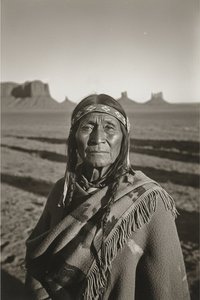
Shadow Catcher: Edward S. Curtis & the Ethnographic Portraiture of a Vanishing West
Explore the life & work of Edward S. Curtis, the 'Shadow Catcher,' and his groundbreaking photographic documentation of Native American cultures. Discover iconic images from *The North American Indian* and a critical look at his lasting legacy.

Raja Ravi Varma: Bridging Tradition & Modernity in 19th-Century Indian Art
Explore the life & art of Raja Ravi Varma, a pioneer who fused European techniques with Indian iconography. Discover his iconic paintings, lasting legacy, and influence on modern Indian art at OriginalUniqueArt.
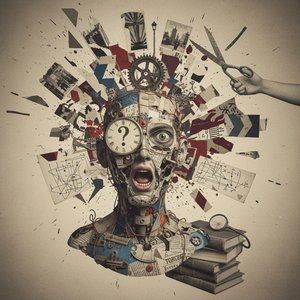
Dada: A Revolution of Anti-Art & the Rejection of Reason in Early 20th Century Aesthetics
Explore the revolutionary Dada art movement! Discover its origins, key artists like Duchamp & Arp, and lasting impact on modern art. A deep dive into anti-art & challenging conventions.