Forhåndsvisning
 Send
Send Del
Del
 Vis detaljer
 Utskriftsvennlig guide

 Last ned bilde
 Liknende objekter
 Røntgenundersøkelse
 Lysbildefremvisning
 Spørsmål og svar
 Statistikk
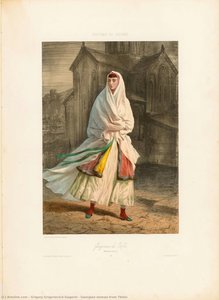
Circassian Kriger

- 59.0 x 42.0 cm


 Vis hele teksten
Giclée / Kunsttrykk
Giclée- eller lerretsprint av museumskvalitet med rask produksjon og fleksible valgmuligheter for etterbehandling. ( Kjøp håndmalt maleri Bytt til digitalt bilde)




P118B Nkr10

P118H Nkr10

P118W Nkr10

P438Z Nkr10

P508JH Nkr12

P508YH Nkr12

P805H Nkr10

P805Z Nkr10

P919BZ Nkr10

P919G Nkr10

P919XJ Nkr10

P959ZH Nkr10

P968JZ Nkr12

W106C Nkr8

W218G Nkr10

W218JH Nkr8

W218Y Nkr10

W307PJ Nkr10

W316G Nkr10

W316PJ Nkr8

W316Y Nkr10

W398PJ Nkr8

W4111J Nkr10

W500HY Nkr15

W500JH Nkr15

W692G Nkr12

W849H Nkr8

W940BG Nkr15

W953PJ Nkr8




Velg mellom våre forhåndsdefinerte størrelser som bevarer kunstverkets opprinnelige proporsjoner.

Skriv inn ønsket bredde og høyde for å tilpasse trykket til din ramme eller vegg. Et trykk kan kun beskjæres, aldri skaleres opp utover motivets opprinnelige størrelse, noe som betyr at et format med andre proporsjoner vil føre til tap av deler av bildet. Vi sender deg en digital mockup for godkjenning før vi starter trykkeprosessen. Bildet som vises på denne siden viser ikke den faktiske beskjæringen — det er kun mockuppen som viser dette.
Verdensomspennende levering () på 2 uker i stedet for standard 4/5 uker. (12 November)

Gratis ekspressfrakt over hele verden

Lerretsduk av lin av høy kvalitet

Full transportforsikring

Garanti for refusjon av toll og importavgifter

Garantert fargegjengivelse

100 dagers returrett ved fabrikasjonsfeil

100% pengene tilbake-garanti

Rabatt ved flere kjøp
 Glassalternativet er kun tilgjengelig i størrelser under 110 cm

Circassian Kriger
Giclée / Kunsttrykk
Størrelse på reproduksjon
-


Totalpris for valgte alternativer
Nkr 771
Circassian Warrior – A Window Into Georgian Art History
Grigory Gagarin’s “Circassian Warrior” stands as a remarkable testament to 19th-century Russian art and its fascination with the Caucasus region. Painted in 1855, this artwork isn't merely a depiction of a Circassian warrior; it’s an embodiment of Georgian cultural pride and artistic ambition during a pivotal moment in history. Commissioned for the Tbilisi Sioni Cathedral restoration project – spearheaded by Mikhail Vorontsov – Gagarin’s contribution aimed to revitalize the cathedral’s frescoes and capture the spirit of Georgian identity.- Subject Matter: The painting portrays a Circassian warrior, dressed in traditional attire, wielding a sword and staff with resolute determination. Accompanying figures suggest a scene of military engagement or ceremonial gathering, reflecting the socio-political landscape of the Caucasus at that time.
- Style & Technique: Gagarin employed guache on paper – a technique favored for its vibrancy and luminosity – to achieve an expressive portrayal of human form and movement. The artist’s meticulous attention to detail is evident in the rendering of textures, particularly the warrior's clothing and weaponry, demonstrating considerable artistic skill.
Historical Context: Tbilisi & Vorontsov’s Vision
The Sioni Cathedral project represented a significant undertaking by Mikhail Vorontsov, Governor-General of Georgia, who sought to elevate Georgian culture and solidify Russian influence. Gagarin's involvement underscored the importance placed on artistic patronage and cultural representation within the imperial administration. The painting reflects broader trends in Romantic art – an interest in portraying heroic figures and dramatic landscapes—influenced by artists like Eugène Delacroix and Friedrich Wilhelm Willebrandt. Duma’s observation about the theatre building’s resemblance to Pompey Theatre highlights Gagarin's awareness of classical artistic ideals, blending them with ethnographic realism.- Symbolism: The Circassian warrior symbolizes courage, resilience, and defiance against oppression – themes prevalent in Georgian folklore and history. The sword represents power and protection, while the staff signifies leadership and authority.
The Art Palace Collection & Gagarin’s Legacy
Today, “Circassian Warrior” resides within the Art Palace of Georgia—a repository of Georgian artistic heritage—and continues to inspire admiration for its masterful execution and evocative portrayal of Circassian culture. Gagarin's sketches and drawings of Caucasian people represent a crucial contribution to documenting Georgian traditions and capturing the essence of the region’s visual arts during the Romantic era. It serves as an enduring symbol of Tbilisi’s cultural revival and Gagarin’s artistic legacy—a painter who successfully blended classical influences with ethnographic observation, creating a timeless masterpiece.Emotional Impact & Reproduction Considerations
The painting's dynamic composition and expressive brushstrokes convey a palpable sense of energy and conviction. Its vibrant colors – predominantly ochre, crimson, and indigo – contribute to its dramatic atmosphere. OriginalUniqueArt offers high-quality reproductions that faithfully capture the artwork’s original beauty and detail, allowing art lovers worldwide to experience Gagarin’s vision firsthand. Consider framing it in a neutral tone to complement its rich palette and enhance its visual impact within any interior space.Spørsmål og svar
Hvor kan jeg kjøpe et digitalt bilde av "Circassian Kriger" av Grigory Gagarin?
Et digitalt bilde av "Circassian Kriger" av Grigory Gagarin kan kjøpes på siden for Digitalt kunstverk: nedlasting av et digitalt bilde i høy oppløsning.
Hvordan balanserer "Circassian Kriger" lys og mørke?
"Circassian Kriger" av Grigory Gagarin er registrert med strålende, og har en luminans på Lyssterk.
Oppbevares "Circassian Kriger" i kunstnerens hjemland?
Nei – kunstverket oppbevares i utlandet. "Circassian Kriger" befinner seg i Georgia, mens Grigory Gagarin ble født i Russland.
Om kunstneren
Early Life and Education
Grigory Grigorievich Gagarin (1810 – 1893) was a Russian painter, Major General, and administrator whose artistic journey began unexpectedly amidst the aristocratic circles of Saint Petersburg. Born to Prince Grigory Ivanovich Gagarin—a diplomat stationed in France who later served as Ambassador to Italy—his upbringing instilled within him an appreciation for cultural sophistication and intellectual curiosity. Despite lacking formal artistic training, Gagarin’s formative years were enriched by tutelage under Karl Briullov, arguably Russia's most prominent painter of the Romantic era, a connection that profoundly shaped his artistic sensibilities. This mentorship provided him with invaluable insight into compositional techniques and stylistic considerations—elements that would permeate his oeuvre throughout his life.Artistic Career and Notable Works
Gagarin’s artistic vocation blossomed during his time in Italy, where he immersed himself in the vibrant artistic milieu of Florence and Rome. Recognizing Briullov's guidance as instrumental to his development, he diligently pursued instruction, absorbing the principles of Romantic painting with fervor. His artistic output reflects this influence, particularly evident in his depictions of Caucasian landscapes and portraits—characterized by dramatic lighting and expressive brushwork. Among his most celebrated paintings are “Caucasian Prince” (59 x 42 cm), a monumental canvas capturing the grandeur of the Caucasus Mountains and imbued with a palpable sense of atmosphere; “Circassian Woman” (59 x 42 cm), which showcases Gagarin’s meticulous attention to detail in portraying the beauty and dignity of Circassian women; and "A Priest from Armenia" (59 x 42 cm), demonstrating his fascination with religious iconography and capturing the solemn spirituality of Armenian Orthodox churches. Furthermore, Gagarin's illustrations for Alexander Pushkin’s literary masterpieces—including “The Queen of Spades” and “The Tale of Tsar Saltan”—established him as a significant figure in Russian Romantic literature and cemented his reputation as a versatile artist capable of translating literary themes into visual form.Military Service and Diplomatic Engagement
Beyond his artistic pursuits, Gagarin distinguished himself as a military officer and diplomat—roles that complemented his creative inclinations and broadened his worldview. Serving with distinction in the Russo-Turkish War, he participated actively in strategic maneuvers and demonstrated unwavering courage on the battlefield. His diplomatic assignments spanned Paris, Rome, and Constantinople, affording him opportunities to engage with international affairs and fostering an understanding of diverse cultures. Notably, Gagarin’s tenure as Vice President of the Fine Arts Academy underscored his commitment to artistic scholarship and contributed to the advancement of Russian art history—a testament to his multifaceted intellectual interests.Legacy and Recognition
Grigory Gagarin's contribution to Russian art is undeniable—his paintings stand as enduring symbols of Romantic idealism and regional pride. His stylistic innovations—particularly his masterful use of color and light—influenced subsequent generations of artists, establishing him as a pivotal figure in the development of Russian landscape painting. Moreover, his unwavering dedication to artistic excellence and scholarly pursuits cemented his place among Russia’s most respected cultural luminaries. Today, Gagarin's artworks reside in prominent museums across Europe and Russia—a testament to their enduring beauty and historical significance. His legacy continues to inspire artists and scholars alike—affirming the transformative power of art and its capacity to illuminate the complexities of human experience.
Grigory Gagarin
1810 - 1893 , Russland
Kort om kunstneren
- Artistic Movement Or Style: Romanticism
- Artists Who Influenced This Artist: ['Karl Briullov']
- Date Of Birth: Mai 29 April 1810
- Date Of Death: Januar 30 January 1893
- Full Name: Grigory Grigorievich Gagarin
- Nationality: Russisk
- Notable Artworks:
- Caucasus Prince
- Circassian Woman
- A Priest from Armenia
- Kurds from Ararat
- Georgian Man
- Place Of Birth: Saint Petersburg, Russland
Relaterte artikler

1800-tallets Mesterverk: 10 Kunstverk som Definerer Epoken – OriginalUniqueArt.no
Opplev 1800-tallets kunst gjennom 10 ikoniske mesterverk! Fra romantikk til impresjonisme – lær om Munch, Van Gogh og Monet. Finn museumskvalitets reproduksjoner & interiørinspirasjon på OriginalUniqueArt.com. Utforsk samlingen online!

Vasily Surikov: Historical Epic & Psychological Realism in 19th-Century Russian Painting
Explore the powerful historical paintings of Vasily Surikov, a leading figure of Russian Realism. Discover his dramatic compositions, psychological depth & lasting influence on 19th-century art. Learn about collecting Surikov's masterpieces.

Vladimir Makovsky: Realism, Social Commentary & Russian Life in Late 19th-Century Painting
Explore the captivating world of Vladimir Makovsky, a leading Russian realist painter. Discover his insightful depictions of 19th-century life, social commentary & legacy with OriginalUniqueArt.

Victor Vasnetsov: Myth, Nationalism & the Revival of Russian Fairy Tale Painting
Explore the captivating world of Victor Vasnetsov, a co-founder of Russian folklorist painting. Discover his iconic works, influence on national identity, and lasting legacy in this expert guide.

Ivan Bilibin: A Synthesis of Folklore, Modernism & National Identity in Russian Illustration
Explore the enchanting world of Ivan Bilibin, a master Russian illustrator who synthesized folklore, Art Nouveau & national identity. Discover his iconic fairy tale illustrations and legacy with OriginalUniqueArt.