

 Se i rommet
 Del som digitalt kort
 Del
Del
 Detaljer
 Studentguide

 Last ned
 Liknende objekter
 Røntgen
 Lysbildefremvisning
 Besøksstatistikk
L'AFFUT


 Les mer
Giclée / Kunsttrykk
Giclée- eller lerretsprint av museumskvalitet med rask produksjon og fleksible valgmuligheter for etterbehandling. ( Bestill håndmalt reproduksjon Gå til digitalt bilde)




P118B Nkr10

P118H Nkr10

P118W Nkr10

P438Z Nkr10

P508JH Nkr12

P508YH Nkr12

P805H Nkr10

P805Z Nkr10

P919BZ Nkr10

P919G Nkr10

P919XJ Nkr10

P959ZH Nkr10

P968JZ Nkr12

W106C Nkr8

W218G Nkr10

W218JH Nkr8

W218Y Nkr10

W307PJ Nkr10

W316G Nkr10

W316PJ Nkr8

W316Y Nkr10

W398PJ Nkr8

W4111J Nkr10

W500HY Nkr15

W500JH Nkr15

W692G Nkr12

W849H Nkr8

W940BG Nkr15

W953PJ Nkr8




Velg mellom våre forhåndsdefinerte størrelser som bevarer kunstverkets opprinnelige proporsjoner.

Skriv inn bredden og høyden du trenger, slik at den passer til din ramme eller vegg. Et trykk kan kun beskjæres, aldri gjøres større enn bildet, så et format med en annen form vil miste en del av motivet. Vi sender deg en digital mockup for godkjenning før vi trykker noe som helst. Bildet som vises på denne siden viser ikke den faktiske beskjæringen — det er kun mockuppen som gjør det.
Verdensomspennende levering () på 2 uker i stedet for standard 4/5 uker. (27 October)

Gratis ekspressfrakt over hele verden

Lerretsduk av høykvalitets lin

Full transportforsikring

Garanti for refusjon av toll og importavgifter

Garantert fargeekthet

100 dagers returrett ved fabrikasjonsfeil

100% pengene tilbake-garanti

Mengderabatt
 Glassalternativet er kun tilgjengelig i størrelser under 110 cm

L'AFFUT
Giclée / Kunsttrykk
Format på reproduksjon
-


Totalpris
Nkr 762
L'Affût: A Glimpse of Anticipation in Alexandre Decamps’ Romantic Vision
Alexandre Gabriel Decamps’ “L’Affût” (The Ambush) is more than just a depiction of a forest scene; it’s a carefully constructed tableau brimming with latent tension, evocative atmosphere, and the subtle drama characteristic of Romanticism. Painted circa 1847, this oil on canvas offers a compelling window into Decamps' pioneering approach to Orientalist painting – a style he largely defined through his meticulous observation of natural detail combined with a potent narrative sensibility. The artwork immediately draws the viewer in, presenting two figures, seemingly an older man and a younger individual, poised within a dense, shadowed forest, hinting at a moment suspended between observation and potential action. Decamps masterfully utilizes light and shadow to create a palpable sense of mystery, inviting speculation about their purpose and the circumstances surrounding this secluded encounter.
Composition and Technique: A Study in Atmospheric Depth
The composition of “L’Affût” is deliberately asymmetrical, with the figures strategically positioned towards the lower right corner, anchoring the scene while the upper left expanse of the forest canopy dominates. This arrangement immediately establishes a sense of imbalance, mirroring the inherent tension within the artwork. Decamps employs a loose, expressive brushstroke – a hallmark of his style – to render the foliage and trees, creating an illusion of depth through layering and tonal variations. The impasto technique, particularly noticeable in areas representing bark and undergrowth, adds a remarkable tactile quality, inviting the viewer to almost feel the roughness of the natural world beneath their fingertips. Lines are largely implied rather than explicitly drawn; the vertical thrust of tree trunks is subtly countered by the organic curves of branches and foliage, contributing to a feeling of fluidity and movement within the scene.
Color Palette and Symbolism: Earthy Hues and Hidden Meanings
The color palette of “L’Affût” is profoundly earthy – dominated by browns, greens, and muted yellows. These tones are further accentuated by the interplay of light and shadow, creating a dramatic chiaroscuro effect that intensifies the sense of mystery. The strategic use of touches of red—perhaps suggesting blood or danger—adds another layer of symbolic complexity. Decamps’ choice of color isn't merely decorative; it speaks to the primal connection between humanity and nature, reinforcing the painting’s themes of observation, anticipation, and potential confrontation. The title itself, ‘L’Affût,’ directly references a concealed ambush, immediately injecting a narrative element into the scene and prompting questions about the figures’ intentions.
Romanticism and Decamps' Legacy
“L’Affût” is firmly rooted in the Romantic movement, prioritizing emotion, dramatic storytelling, and an appreciation for the sublime power of nature. Decamps’ work stands apart through his intensely personal style—a blend of meticulous observation, dramatic composition, and a captivating narrative quality that drew viewers into worlds both familiar and utterly foreign. His exploration of Orientalist themes, particularly his focus on everyday life and human interaction within exotic landscapes, was revolutionary for its time. As evidenced by the extensive research available through sites like the British Museum and the Louvre, Decamps’ influence extended beyond mere representation; he sought to capture the *feeling* of a place, imbuing it with psychological depth and narrative resonance. Reproductions of “L’Affût” offer a remarkable opportunity to experience this evocative vision firsthand, bringing a touch of Romantic mystery and dramatic tension to any interior space.
For those seeking a high-quality reproduction, OriginalUniqueArt offers meticulously crafted hand-painted reproductions that faithfully capture the essence of Decamps' masterpiece. Explore our selection today and bring the captivating world of “L’Affût” into your home or studio.
Spørsmål og svar
Hvor plasserer "L'AFFUT" seg i Alexandre Gabriel Decamps sitt samlede kunstnerskap?
"L'AFFUT" deler med Alexandre Gabriel Decampss andre verk sin Romanticism-stil og de gjentakende temaene: orientalist visions, romantic drama, eastern landscapes, human figures, stealth, anticipation, danger themes, decamps’ signature style evident.
Hvilken kunstner kan "L'AFFUT" tilskrives?
Kunstneren bak "L'AFFUT" er Alexandre Gabriel Decamps. Verket er katalogisert under Alexandre Gabriel Decamps sitt navn.
Hvilken periode i Alexandre Gabriel Decamps sin karriere tilhører "L'AFFUT"?
"L'AFFUT" representerer Alexandre Gabriel Decamps sin Mature Period.
Kunstnerbiografi
En pioner innen orientalistiske visjoner: Livet og kunsten til Alexandre Gabriel Decamps
Alexandre Gabriel Decamps, et navn som klinger med de levende fargene fra eksotiske landskap og romantikkens dramatiske eleganse, trådte frem som en sentral skikkelse i det 19. århundrets franske malerkunst. Han ble født i Paris den 3. mars 1803, og hans kunstneriske reise var preget av dristig innovasjon, der han utfordret akademiske konvensjoner og banet vei for det som skulle bli kjent som orientalisme. Selv om samtidige som Delacroix og Ingres også innehadde fremtredende posisjoner i den franske kunstverdenen, skilte Decamps seg ut gjennom en intenst personlig stil – en forening av nitid observasjon, dramatisk komposisjon og en fengslende fortellerkraft som trakk betrakteren inn i verdener som føltes både kjente og fullstendig fremmede. Hans tidlige anerkjennelse som et talentfullt kunstnersinn varslet en karriere preget av kritisk hyllest, noe som kulminerte i den store eller konsil-medaljen ved Paris-utstillingen i 1855, et vitnesbyrd om hans eksepsjonelle ferdigheter og unike visjon. Utenfor lerretet var Decamps en mann dypt knyttet til naturen; han fant trøst og inspirasjon i landsbygda rundt Paris, hvor han dyrket sin lidenskap for dyr og jakt – en forkjærlighet som på subtilt vis skulle gjennomtrengte mye av hans kunstneriske virke.Fra skrift til Sahara: En kunstnerisk stil i utvikling
Decamps’ kunstneriske utvikling var preget av en vilje til å utforske mangfoldige motiver og teknikker. Opprinnelig ble han trukket mot historiske og bibelske scener, men han utmerket seg raskt ved å fremstille disse fortellingene med et uovertruffent nivå av realisme – ved å forankre dem i autentiske, lokale omgivelser snarere enn å støtte seg på idealiserte eller konvensjonelle fremstillinger. Denne forpliktelsen til sannferdighet sprang ut av hans reiser til Østen, opplevelser som satte dype spor i hans kunstneriske sanselighet. Han avbildet ikke bare det han så; han formidlet en følelse av atmosfæren, lyset og selve essensen av disse fjerne landene. Joseph Sold by His Brethren er for eksempel ikke bare en illustrasjon av en bibelsk historie, men en levende skildring av en spesifikt tid og et sted, gjennomsyret av emosjonell dybde og psykologisk innsikt. Denne tilnærmingen strakte seg også til hans større historiske verk som The Defeat of the Cimbri, hvor han mesterlig fanget kampens kaos og brutalitet, og viste sin evne til å håndtere storslåtte komposisjoner med dynamisk energi. Likevel var det hans skildringer av det orientalske livet som virkelig skilte ham fra mengden. Han avduket hverdagslige scener – markeder, skoler, hjemlige interiører – med en trofasthet som i starten forundret kritikere som var vant til mer romantiserte eller stereotypiske fremstillinger.Orientalismens far og hans varige innflytelse
Decamps regnes med rette som grunnleggeren av orientalisme i fransk malerkunst. Før ham ble skildringer av Østen ofte filtrert gjennom et prisme av fantasi og eksotisme. Han presenterte en annen visjon – en rotfestet i direkte observasjon og genuin nysgjerrighet. Hans utstilling ved Salongen i 1831 markerte et vendepunkt, da den introduserte det parisiske publikummet for et usminket glimt av livet i Nord-Afrika og Midtøsten. Denne banebrytende tilnærmingen resonnerte hos både kunstnere og forfattere, og inspirerte en bølge av orientalistiske verk som skulle dominere store deler av 1800-tallets kunst. Hans stil – preget av dristige penselstrøk, slående kontraster mellom lys og skygge, og en merkbar følelse av atmosfære – ble et referansepunkt for generasjoner av malere, fotografer og forfattere. Maxime du Camp døpte ham berømt "Orientens Christopher Columbus", i anerkjennelse av hans pionerrolle i å åpne opp dette nye kunstneriske territoriet. The Albanian Dancer, med sine vibrerende farger og energiske komposisjon og, eksemplifiserer hans evne til å fange en kulturs sjel samtidig som han opprettholder en distinkt fransk estetisk sans. Selv satiriske verk som The Monkey Connoisseurs, et lekent stikk mot den konservative juryen i Académie des Beaux-Arts, demonstrerer hans vilje til å utfordre etablerte normer og omfavne en mer uavhengig kunstnerisk visjon.En tragisk slutt og en evig arv
Tragisk nok ble Decamps’ liv avbrutt den 22. august 1860, i en alder av 57 år, etter en jaktulykke nær Fontainebleau. Hans tidlige død berøvet kunstverdenen et virkelig innovativt talent, men hans arv lever videre gjennom hans fengslende malerier og deres vedvarende appell. I dag feires mesterverk som Incendie d'un village italien, med sin dramatiske skildring av konflikt og mesterlige bruk av impasto, og A Bedouin and a Camel Resting in a Desert, som viser teksturene og stillheten i ørkenlivet, for sin kunstneriske verdi og historiske betydning. Hans verk kan finnes i prestisjetunge institusjoner som Musée du Louvre i Paris, noe som sikrer at hans visjon fortsetter å inspirere og fange publikum over hele verden. Plattformer som OriginalUniqueArt.com spiller en viktig rolle i å bevare og spre hans kunst ved å tilby reproduksjoner av høy kvalitet som lar beundrere oppleve skjønnheten og kraften i Decamps’ malerier på nært hold. Hans innflytelse strekker seg utover malerkunstens grenser; den har formet oppfatningen av Østen og etterlatt et uutslettelig merke på det kulturelle landskapet i 1800-tallets Europa.Utforskning av Decamps' verden: Bemmerkelsesverdige verk
- CHIENS BRIFAUTS: En sjarmerende orientalistisk scene som viser hunder i en livlig setting.
- LA COUR DE FERME: Et fengslende maleri fra det 19. århundre som forener fransk romantikk med historiske detaljer.
- L’ÉCOLE TURQUE: En livlig skildring av en tyrkisk skole, som fanger energien og atmosfæren i dagliglivet.
- PAYSAGE TURC: Et fredfullt landskap som utforsker realisme og romantikk i en fransk kontekst.

Alexandre Gabriel Decamps
1803 - 1860 , Frankrike
Kort om kunstneren
- Artistic Movement Or Style: Orientalisme
- Artists Or Movements Influenced By This Artist: ['Orientalisme']
- Artists Who Influenced This Artist:
- Delacroix
- Ingres
- Date Of Birth: Paris, Frankrike (1803)
- Date Of Death: 1860
- Full Name: Alexandre Gabriel Decamps
- Nationality: Fransk
- Notable Artworks:
- CHIENS BRIFAUTS
- LA COUR DE FERME
- 'Ecole Turque
- Paysage Turc
- Place Of Birth: Paris
Relaterte artikler
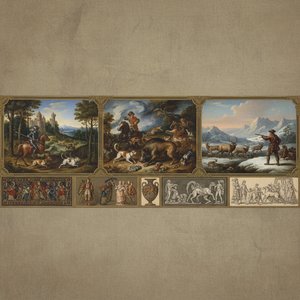
The Pursuit of Power & Prestige: Hunting Scenes in Western Art
Explore the rich history of hunting scenes in Western art, from royal pursuits to powerful allegories. Discover masterpieces & expert insights for discerning collectors. OriginalUniqueArt offers museum-quality reproductions.

Dante Gabriel Rossettis 25 Mesterverk: Kunst, Symbolikk og Skjønnhet for Ditt Hjem
Utforsk de 25 mest ikoniske maleriene av Dante Gabriel Rossetti! Oppdag symbolisme, romantikk og viktoriansk skjønnhet i Pre-Raphaelittenes mesterverk. Finn kunsttrykk & reproduksjoner for ditt hjem på OriginalUniqueArt.com.
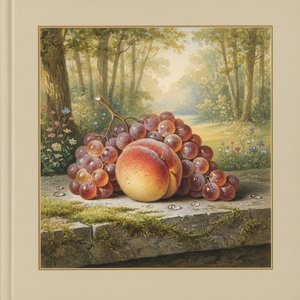
William Henry Hunt: Luminosity & Detail in Early 19th-Century Watercolour Painting
Explore the captivating watercolour paintings of William Henry Hunt (1790-1864). Discover his mastery of naturalistic detail, luminous technique & influence on 19th-century art. Learn about collecting Hunt's work and its enduring value.
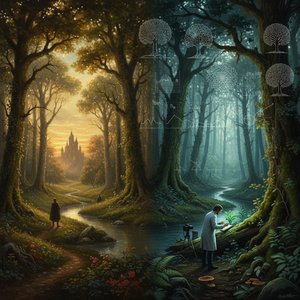
The Enchanted Canopy: Exploring Forests in Art History – From Romantic Idealization to Ecological Consciousness
Explore the rich history of forests in art! Discover Romantic masterpieces by Friedrich & Monet, Symbolist depths, and contemporary visions. Find inspiration & quality reproductions at OriginalUniqueArt.
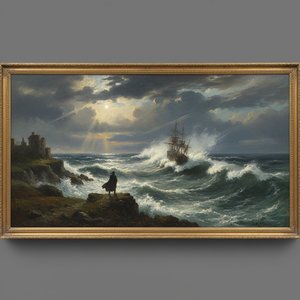
Alexandre Gabriel Decamps: Pioneering Romantic Visions & Challenging Academic Tradition
Explore the captivating world of Alexandre Gabriel Decamps, a pioneer of Romanticism and Orientalism. Discover his bold style, satirical masterpieces like 'The Experts,' and lasting impact on 19th-century art history.


