

 Se i rommet
 Del som digitalt kort
 Del
Del
 Detaljer
 Studentguide

 Last ned
 Liknende objekter
 Røntgen
 Lysbildefremvisning
 Besøksstatistikk
Blossoms
 Oil On Canvas
- WallArt
- Pre-Raphaelite
 1881
1881 46.0 x 147.0 cm
 Tate Britain
 Les mer
Håndlaget oljereproduksjon
Håndmalt olje på lerret i din valgte størrelse og ramme, laget på bestilling av våre kunstnere. ( Bytt til trykkversjon Gå til digitalt bilde)




P118B Nkr10

P118H Nkr10

P118W Nkr10

P438Z Nkr10

P508JH Nkr12

P508YH Nkr12

P805H Nkr10

P805Z Nkr10

P919BZ Nkr10

P919G Nkr10

P919XJ Nkr10

P959ZH Nkr10

P968JZ Nkr12

W106C Nkr8

W218G Nkr10

W218JH Nkr8

W218Y Nkr10

W307PJ Nkr10

W316G Nkr10

W316PJ Nkr8

W316Y Nkr10

W398PJ Nkr8

W4111J Nkr10

W500HY Nkr15

W500JH Nkr15

W692G Nkr12

W849H Nkr8

W940BG Nkr15

W953PJ Nkr8




Velg mellom våre forhåndsdefinerte størrelser som bevarer kunstverkets opprinnelige proporsjoner.

Skriv inn bredden og høyden du trenger, slik at den passer til din ramme eller vegg. Dette er håndmalt, så for en størrelse med en annen form kan kunstneren male litt mer rundt bildet, eller beskjære det noe — du velger selv. Vi sender deg en digital mockup for godkjenning før maleriet påbegynnes. Bildet som vises på denne siden viser ikke det faktiske resultatet — kun mockuppen gjør det.
Etter bestilling vil OriginalUniqueArt.com-teamet sende e-post til kunden for instruksjoner og sende et utkast (mockup) som forhåndsvisning.
Verdensomspennende levering () på 3–4 uker i stedet for standard 5 uker. (22 October). Ingen kompromisser med kvaliteten.

Gratis ekspressfrakt over hele verden

Lerretsduk av høykvalitets lin

Full transportforsikring

Garanti for refusjon av toll og importavgifter

Garantert fargeekthet

100 dagers returrett ved fabrikasjonsfeil

100% pengene tilbake-garanti

Mengderabatt
 Glassalternativet er kun tilgjengelig i størrelser under 110 cm

Blossoms
Reproduksjonsmetode
Format på reproduksjon
-


Totalpris
Nkr 2844
A Moment Frozen in Time: Exploring Albert Moore’s ‘Blossoms’
Albert Joseph Moore's “Blossoms,” completed in 1881, stands as a quintessential example of Pre-Raphaelite Romanticism—a testament to meticulous observation and an unwavering devotion to beauty. More than just a depiction of flowers, it embodies a profound meditation on femininity, stillness, and the delicate interplay between nature and artifice. This captivating oil painting resides within the Tate Gallery’s collection, offering viewers a glimpse into the artistic sensibilities of Victorian England.The Composition: A Symphony of Lines and Shapes
Moore skillfully employs geometric principles to orchestrate his scene. The vertical format dominates the canvas, emphasizing height and conveying a sense of grandeur—a deliberate echo of classical sculpture. Within this framework, a woman occupies the central position, draped in flowing pink robes that cascade downwards like petals themselves. Her posture exudes serenity, mirroring the tranquil beauty of the surrounding blossoms. Lines are smooth and curving, particularly evident in the drapery and flower stems, creating an organic flow that guides the eye across the composition. Shapes are predominantly curvilinear—the woman’s form, the floral arrangement, and the folds of fabric—reflecting the influence of Japanese prints, a burgeoning trend during Moore's time which championed subtle coloration and decorative patterns.Technique: Impasto and Detail – Capturing Essence
Moore’s technique is characterized by impasto—thickly applied paint—which lends textural richness to the artwork. This deliberate layering builds depth and simulates the tactile qualities of real blossoms, inviting viewers to imagine the velvety softness of petals and the delicate fragrance of flowers. The artist's meticulous brushwork captures every nuance of light and shadow, enhancing the sense of realism while simultaneously elevating the painting beyond mere representation. Careful attention is paid to detail—the intricate folds of fabric, the subtle variations in color within the blossoms—demonstrating Moore’s unwavering commitment to capturing the essence of his subject matter.Symbolism: White Flowers and Crimson Curtain – Layers of Meaning
The choice of white flowers as a backdrop speaks volumes about purity and remembrance—themes frequently explored by Pre-Raphaelite artists. They symbolize innocence, virtue, and spiritual contemplation, aligning perfectly with Moore’s artistic vision. Conversely, the crimson curtain introduces an element of drama and passion, hinting at hidden emotions or perhaps suggesting a secret rendezvous. This juxtaposition reinforces the painting's contemplative mood while simultaneously stimulating intellectual curiosity. The artist’s use of color is restrained yet purposeful—primarily pinks and reds—creating a harmonious palette that complements the floral motif and enhances its visual impact.Historical Context: Japonisme and Victorian Aestheticism
“Blossoms” emerged during the height of Japonisme—the fascination with Japanese art and culture among Western European artists—a movement fueled by Commodore Perry’s opening of Japan to trade in 1853. Moore embraced these aesthetic principles, prioritizing decorative design and subtle coloration over literal realism. This aligns seamlessly with Victorian Aestheticism, which championed beauty for its own sake and rejected didactic narratives. The painting exemplifies the Pre-Raphaelites' desire to recapture the spirit of medieval art—characterized by idealized forms and luminous colors—a reaction against the prevailing academic conventions of the era. Moore’s masterpiece continues to inspire admiration for its exquisite craftsmanship and profound artistic vision, securing its place as a cornerstone of Victorian Romanticism.Spørsmål og svar
Hvordan finner jeg kunstverk som ligner på "Blossoms" av Albert Joseph Moore?
Kunstverk som ligner på "Blossoms" av Albert Joseph Moore er samlet på verkets Lignende verk-side.
Hvor mye lys ser fargene i "Blossoms" ut til å reflektere?
Luminansen som er registrert for "Blossoms" av Albert Joseph Moore er Gentle Luminance.
Hvor kan jeg finne en guide til "Blossoms"?
En Veiledning-side er tilgjengelig for "Blossoms" av Albert Joseph Moore: et utskrivbart faktablad om kunstverket, designet for studenter og bruk i klasserommet.
Kunstnerbiografi
tidlig liv og utdannelse
albert joseph moore, en anerkjent engelsk maler, ble født den 4. september 1841 i york, Storbritannia. Han var den trettende sønnen og det fjortende barnet til den velkjente portrettmaleren william moore og hans andre kone, sarah collingham. Flere av hans mange brødre ble også utdannet som kunstnere, inkludert henry moore, r.a., en fremtredende marinemaler. Albert moore mottok sin utdannelse ved archbishop holgate's school og st. peter's school i york, hvor han også fikk undervisning i tegning og maling av sin far.kunstnerisk karriere
Moores tidlige verk bærer preg av påvirkningen fra ruskin, og allerede i 1857 hadde han stilt ut ved the royal academy, der han presenterte verk som a goldfinch og a woodcock. Hans kunstneriske stil utviklet seg over tid, med en tydelig nyklassisk karakter som vokste frem på 1860-tallet. I denne perioden arbeidet moore med design av fliser, tapeter og glassmalerier for morris, marshall, faulkner and co., i tillegg til å virke som veggmaler i både kirkelige og private hjem.bemmerkelsesverdige verk og stil
Moores malerier kjennetegnes typisk av enslige kvinnelige figurer med formaliserte proporsjoner, nyklassisk drapering og blomstertilbehør, noe som etablerte en sentral retning innen den estetiske bevegelsen. Blant hans mest fremtredende verk finner vi:- the marble seat (1865), en lang serie med rent dekorative bilder
- elijah's sacrifice (1863), som viser påvirkningen fra ford madox brown og edward armitage
- the loves of the seasons and the winds, et av hans mest detaljerte og møysommelige verk, malt for mr. mcculloch
museer og samlinger
Moores arbeid kan finnes i ulike museer, inkludert:- york museums trust (york, Storbritannia), som rommer malerier som kingcups
- the royal academy (london, Storbritannia), hvor moore ofte stilte ut
ettermæle og senere liv
Moore stolte utelukkende på sin egen dømmekraft i både sosiale og kunstneriske spørsmål, noe som tidvis viste seg å være et hinder for hans opptak i de høyeste rekker i the royal academy. Til tross for at han led av en smertefull og uhelbredelig sykdom, fortsatte moore sitt arbeid helt frem til sin død den 25. september 1893.- se flere verk av albert joseph moore hos https://OriginalUniqueArt.com/@/albertjosephmoore
- utforsk samlingen til york museums trust på https://OriginalUniqueArt.com/@@/as844t-albert-joseph-moore-kingcups
- lær mer om den estetiske bevegelsen og dens fremtredende kunstnere på https://en.wikipedia.org/wiki/aesthetic_movement

Albert Joseph Moore
1841 - 1893 , Storbritannia
Kort om kunstneren
- Artistic Movement Or Style: Aesthetic Movement
- Artists Who Influenced This Artist:
- Ruskin
- Ford Madox Brown
- Edward Armitage
- Date Of Birth: 4 september 1841
- Date Of Death: 25 september 1893
- Full Name: Albert Joseph Moore
- Nationality: British
- Notable Artworks:
- The Marble Seat
- Elijah's Sacrifice
- The Loves of The Seasons
- Place Of Birth: York, United Kingdom
Relaterte artikler

Pre-Raphaelite Romanticism: A Guide to Vivid Detail and Medieval Beauty in Victorian Art
Explore the vivid detail and medieval beauty of Pre-Raphaelite Romanticism. Discover the history of masters like Rossetti and Millais through our expert guide to Victorian art, perfect for collectors and professionals seeking authentic, museum-quality reproductions.

Dante Gabriel Rossettis 25 Mesterverk: Kunst, Symbolikk og Skjønnhet for Ditt Hjem
Utforsk de 25 mest ikoniske maleriene av Dante Gabriel Rossetti! Oppdag symbolisme, romantikk og viktoriansk skjønnhet i Pre-Raphaelittenes mesterverk. Finn kunsttrykk & reproduksjoner for ditt hjem på OriginalUniqueArt.com.

Sir John Everett Millais: Pre-Raphaelite Rebellion & Victorian Narrative Detail
Explore the revolutionary art of Sir John Everett Millais & the Pre-Raphaelite Brotherhood. Discover their radical realism, symbolic narratives, and lasting impact on Victorian aesthetics. A deep dive into 19th-century masterpieces.
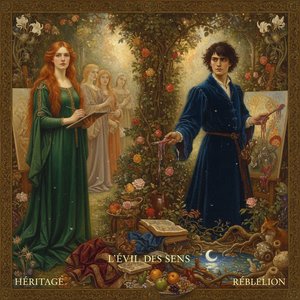
The Pre-Raphaelite Brotherhood: Reclaiming Beauty, Nature, and Truth in Victorian Art History
Explore the revolutionary Pre-Raphaelite Brotherhood. Discover how these visionary artists rejected academic tradition to reclaim beauty, nature, and truth through luminous detail and literary depth in Victorian art history.

The Pre-Raphaelite Brotherhood: Rediscovering Beauty, Romance, and Medieval Magic in Victorian Art
Embark on a journey through the Pre-Raphaelite Brotherhood. Discover the romantic symbolism, medieval magic, and radical beauty of Rossetti and Burne-Jones in this expert exploration of Victorian art history.