

 Se i rommet
 Del som digitalt kort
 Del
Del
 Detaljer
 Studentguide

 Last ned
 Liknende objekter
 Røntgen
 Lysbildefremvisning
 Besøksstatistikk
W. E. B. Du Bois


 Les mer
Kunstverket som vises på denne siden er beskyttet av opphavsretten, noe som betyr at vi ikke har juridisk tillatelse til å lage eller selge identiske reproduksjoner. Denne beskyttelsen håndheves i henhold til internasjonale avtaler som for eksempel Bernerkonvensjonen og av nasjonale lover, inkludert de som er fastsatt i Amerikansk opphavsrettslov – Tittel 17.
Som et respektfullt og lovlig alternativ tilbyr vi skreddersydde, håndmalte kunstverk inspirert av originalen. Våre dyktige og profesjonelle kunstnere studerer nøye originalens stil, stemning og kunstneriske essens for å skape et nytt og unikt verk som vekker den samme følelsen – samtidig som det forblir en original skapelse i seg selv.
Denne metoden er i fullt samsvar med opphavsrettslige regler, da den ikke innebærer kopiering eller duplisering av det beskyttede kunstverket. I stedet er det snakk om en kreativ nytolkning – et nytt maleri som er inspirert av originalen, men ikke identisk med den.
Håndlaget oljereproduksjon
Håndmalt olje på lerret i din valgte størrelse og ramme, laget på bestilling av våre kunstnere. ( Bytt til trykkversjon Gå til digitalt bilde)




P118B Nkr10

P118H Nkr10

P118W Nkr10

P438Z Nkr10

P508JH Nkr12

P508YH Nkr12

P805H Nkr10

P805Z Nkr10

P919BZ Nkr10

P919G Nkr10

P919XJ Nkr10

P959ZH Nkr10

P968JZ Nkr12

W106C Nkr8

W218G Nkr10

W218JH Nkr8

W218Y Nkr10

W307PJ Nkr10

W316G Nkr10

W316PJ Nkr8

W316Y Nkr10

W398PJ Nkr8

W4111J Nkr10

W500HY Nkr15

W500JH Nkr15

W692G Nkr12

W849H Nkr8

W940BG Nkr15

W953PJ Nkr8




Velg mellom våre forhåndsdefinerte størrelser som bevarer kunstverkets opprinnelige proporsjoner.

Skriv inn bredden og høyden du trenger, slik at den passer til din ramme eller vegg. Dette er håndmalt, så for en størrelse med en annen form kan kunstneren male litt mer rundt bildet, eller beskjære det noe — du velger selv. Vi sender deg en digital mockup for godkjenning før maleriet påbegynnes. Bildet som vises på denne siden viser ikke det faktiske resultatet — kun mockuppen gjør det.
Etter bestilling vil OriginalUniqueArt.com-teamet sende e-post til kunden for instruksjoner og sende et utkast (mockup) som forhåndsvisning.
Verdensomspennende levering () på 3–4 uker i stedet for standard 5 uker. (23 October). Ingen kompromisser med kvaliteten.

Gratis ekspressfrakt over hele verden

Lerretsduk av høykvalitets lin

Full transportforsikring

Garanti for refusjon av toll og importavgifter

Garantert fargeekthet

100 dagers returrett ved fabrikasjonsfeil

100% pengene tilbake-garanti

Mengderabatt
 Glassalternativet er kun tilgjengelig i størrelser under 110 cm

W. E. B. Du Bois
Reproduksjonsmetode
Format på reproduksjon
-


Totalpris
Nkr 2844
The Weight of the Color Line: Addison N. Scurlock’s Masterpiece
Addison Norton Scurlock's 1911 photograph of W. E. B. Du Bois stands as more than just a portrait; it is a meticulously crafted document of an era, a visual embodiment of the complex social and intellectual currents shaping early 20th-century America. The image captures Du Bois not merely as a prominent scholar and activist, but as a man wrestling with the profound “double consciousness” – a term he himself coined – that defined the Black experience in a nation grappling with its own identity. Scurlock’s skill lies not just in his technical proficiency, but in his ability to subtly convey the weight of this historical burden through composition, light, and the very gaze of the subject.
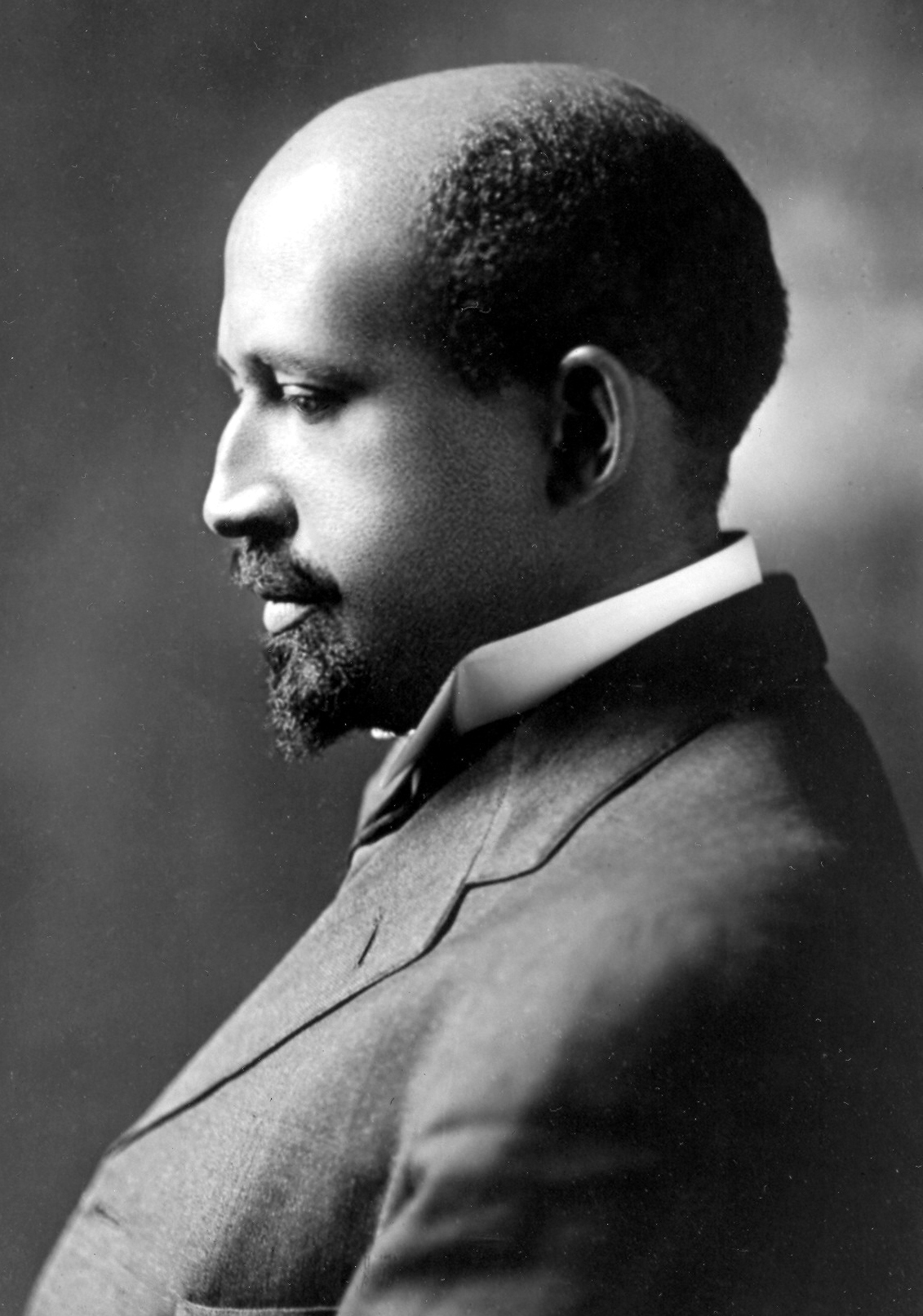
(Image courtesy of Smithsonian Archives)
A Window into Washington’s Black Community
Scurlock's work was deeply rooted in the vibrant, yet often overlooked, community of African Americans in Washington D.C. during this period. He wasn’t simply a portraitist; he was an active participant in documenting the daily lives, cultural expressions, and political aspirations of Black Washingtonians. His studio became a central hub, a place where families sought dignified portraits – a tangible assertion of their presence and identity within a society that frequently denied them recognition. The photograph itself reflects this community engagement, hinting at a setting beyond the formal studio, suggesting a moment captured in a more relaxed, intimate environment.
The backdrop, though subtly rendered, speaks volumes about the era. It’s not a grand cityscape or an opulent interior; instead, it suggests a quiet street scene – a deliberate choice that anchors Du Bois within his immediate context and highlights his connection to the everyday realities of Black life in Washington.
Technical Mastery and Photographic Language
Scurlock's mastery is evident in the photograph’s nuanced details. The use of black and white gelatin silver print lends a timeless quality, with subtle tonal variations creating depth and texture. Note the careful control of light – it illuminates Du Bois’s face, drawing attention to his thoughtful expression while leaving the background softly shadowed. This technique emphasizes the subject's presence without overwhelming him. The composition is carefully balanced; Du Bois’s posture conveys a sense of quiet contemplation, while his slightly turned head invites the viewer into his thoughts.
Furthermore, Scurlock’s use of photographic techniques—particularly in capturing the subtle nuances of expression—demonstrates an understanding that went beyond mere documentation. He was striving to create a portrait that resonated with both intellectual and emotional depth.
Symbolism and the “Double Consciousness”
Du Bois's gaze, directed slightly off-camera, is particularly significant. It’s not a direct, confrontational stare; rather, it suggests introspection and a considered awareness of his position within American society. This subtle shift in focus powerfully embodies the concept of "double consciousness" – the feeling of always looking at oneself through the eyes of others, as articulated by Du Bois himself. The photograph becomes a visual representation of this internal struggle: the simultaneous experience of being both an African American and an American citizen.
The image serves as a poignant reminder of the challenges faced by Black intellectuals during this period – the constant need to navigate racial prejudice while striving for social justice and intellectual advancement. Scurlock’s photograph is not simply a portrait; it's a powerful testament to Du Bois’s legacy and the enduring significance of his ideas.
Spørsmål og svar
Hvilket rom i hjemmet passer en reproduksjon av "W. E. B. Du Bois" godt inn i?
Det anbefalte rommet for "W. E. B. Du Bois" av Addison N. Scurlock er en Living Room. Forslaget kan selvfølgelig tilpasses ditt interiør.
Kan bildet av "W. E. B. Du Bois" av Addison N. Scurlock gjenskapes fritt?
Når det gjelder opphavsrett, er "W. E. B. Du Bois" fortsatt beskyttet av opphavsrett.
Hvilken størrelse og orientering anbefales for et trykk av "W. E. B. Du Bois" av Addison N. Scurlock?
Det anbefales å trykke "W. E. B. Du Bois" av Addison N. Scurlock i størrelsen Medium med Portrait orientering.
Kunstnerbiografi
**a pioneer in documenting black washington**
addison n. scurlock, an american photographer, founder of the scurlock studio, and astute businessman, left an indelible mark on the early and mid-20th century with his photographs of black washington. born in fayetteville, north carolina in 1883, scurlock's life trajectory is a testament to his dedication to capturing the essence of african american life during a pivotal era.**early life and career**
scurlock's photographic journey began in the early 20th century, with a focus on documenting the lives of african americans in washington, d.c. this pioneering work not only showcased his technical skill but also highlighted the social and cultural landscape of the time.- key achievements:
- founding the scurlock studio, a hub for photographic excellence.
- capturing the essence of black washington, providing a visual archive of its history.
- mentoring his sons, robert and george scurlock, who followed in his footsteps as photographers.
- notable works:*
- w. e. b. du bois (gelatin silver print, national portrait gallery, washington, united states) - a testament to scurlock's ability to capture the essence of influential figures.
- other works, though not as widely recognized, continue to serve as a window into the lives of african americans during the early 20th century.
**legacy and impact**
scurlock's legacy extends beyond his photographic contributions. he paved the way for future generations of photographers, particularly those from underrepresented communities. his work serves as a reminder of the importance of documenting diverse experiences.- influence on future generations: scurlock's sons and other photographers have continued to build upon his legacy.
- cultural significance: his photographs offer a unique perspective on african american life during a transformative period in u.s. history.
**conclusion**
addison n. scurlock's photographic legacy is a powerful reminder of the importance of documenting diverse experiences. through his work, we gain a deeper understanding of the social and cultural dynamics at play during the early 20th century.- explore more:*
- visit the scurlock studio's page on OriginalUniqueArt.com for more information on his life and works.
- discover other photographers who have made significant contributions to the world of photography on OriginalUniqueArt.com.
- references:

Addison N. Scurlock
1883 - 1964 , United States of America
Kort om kunstneren
- Full Name: Addison N. Scurlock
- Nationality: American
- Date Of Birth: 1883
- Date Of Death: 1964
- Place Of Birth: Fayetteville, United States of America
- Notable Artworks:
- W. E. B. Du Bois
- Madam C. J. Walker
- Artistic Movement Or Style: Documentary photography
Relaterte artikler
Ferdinand du Puigaudeau: Bridging Impressionism & Symbolism in Breton Landscapes
Discover Ferdinand du Puigaudeau's captivating Breton landscapes – a bridge between Impressionism & Symbolism. Explore his life, unique style, and enduring legacy with OriginalUniqueArt.
Floating World: The Captivating Art and Legacy of Japanese Ukiyo-e
Explore the profound beauty of Japanese Ukiyo-e. Discover the history, masters like Hokusai, and the enduring legacy of the 'Floating World' through an expert art-historical lens.
Ukiyo-e: Exploring Japan's Floating World & Enduring Artistic Legacy
Explore the captivating world of Ukiyo-e – Japan's iconic woodblock prints! Discover masters like Hokusai & Hiroshige, learn about Edo period culture, and find expert art collecting guidance at OriginalUniqueArt.
Suzuki Harunobu: Pioneering Ukiyo-e & the Refinement of Edo Period Printmaking
Discover the revolutionary world of Suzuki Harunobu, a pioneer of ukiyo-e printmaking. Explore his exquisite nishiki-e techniques, diverse subjects & lasting impact on Japanese art history. Learn more at OriginalUniqueArt.

Katsushika Hokusais 25 Mesterverk: Japansk Kunst for Ditt Hjem | OriginalUniqueArt.no
Utforsk Katsushika Hokusais 25 mest ikoniske kunstverk! Oppdag historiene bak The Great Wave, ukiyo-e tresnitt og japansk estetikk. Finn museumskvalitets reproduksjoner & interiørinspirasjon på OriginalUniqueArt.com.