Early Renaissance · 1448
St Agnes (Zanobi Strozzi, 1448)
Zanobi Strozzi (1412–1468) maakte St Agnes. Het dateert uit 1448. Het behoort tot de Early Renaissance-stroming. Het is gemaakt van Tempera On Panel. Het is te vinden in Convent of San Marco in Florence, Italië. De afmetingen zijn 63 × 47 cm.
- 1448
- Tempera On Panel
- 63 × 47 cm
- Convent of San Marco, Florence

 Voorvertoning

 Met de hand geschilderd olieverfwerk
 Verstuur
 Delen
 Informatieblad


 Download
 Vergelijkbare items
 Röntgenonderzoek
 Diavoorstelling
 Vraag & antwoord

 Statistieken
St Agnes, in het kort
- Titel
- St Agnes
- Kunstenaar
- Zanobi Strozzi (1412–1468)
- Geboren in [jaar]
- Florence, Italië
- Datum
- 1448
- Medium
- Tempera On Panel
- Afmetingen
- 63 × 47 cm
- Te zien in
- Convent of San Marco, Florence, Italië
- Beweging
- Early Renaissance
- Periode
- Renaissance
- Onderwerp
- st agnes, zanobi strozzi, renaissance art, tempera panel, religious painting, italian art
Wat stelt St Agnes voor?
Zanobi Strozzi’s ‘St Agnes’: A Florentine Echo of Devotion
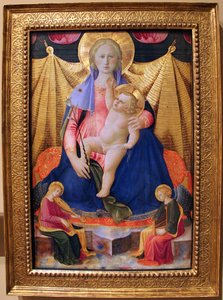
The tempera panel painting, “St Agnes,” attributed to Zanobi Strozzi and completed in 1448, is more than simply a depiction of a saint; it's a meticulously crafted window into the artistic sensibilities of early Renaissance Florence. Measuring just 63 x 47 cm, this work housed within the Museo di San Marco possesses an intimate quality that draws the viewer into its serene and profoundly devotional world. Strozzi, a pupil of the celebrated Fra Angelico, established himself as a master of detail and color, creating works imbued with a quiet spirituality that resonated deeply during his time.
- Subject & Narrative: The painting portrays Saint Agnes, martyred for her refusal to succumb to pagan temptations. The narrative is conveyed through the saint’s posture – dignified yet vulnerable – and the surrounding symbolic elements.
- Technique - Tempera on Panel: Strozzi's masterful use of tempera paint on a wooden panel creates a remarkable depth and luminosity. This technique, favored for its durability and ability to achieve rich colors, is evident in the subtle gradations of tone and the meticulous rendering of textures – from the folds of Agnes’ cloak to the intricate patterns adorning her surroundings.
A Symphony of Color and Decorative Detail
The visual impact of “St Agnes” stems largely from Strozzi's bold use of color and his extraordinary attention to decorative detail. Predominantly employing shades of blue, red, and gold – colors deeply associated with piety and royalty in the late medieval period – he constructs a complex tapestry of patterns that frame the central figure. Swirls, floral motifs, and other decorative elements aren’t merely ornamental; they serve as a visual language, amplifying the saint's solemnity and invoking a sense of heavenly grace. The background isn’t a simple backdrop but an active participant in the narrative, contributing to the overall atmosphere of reverence.
Historical Context & Artistic Influences
Created during a period of immense artistic innovation in Florence – a time when artists were rediscovering classical ideals while simultaneously developing their own unique styles – “St Agnes” reflects the evolving aesthetic sensibilities of the era. Strozzi’s close association with Fra Angelico undoubtedly influenced his approach, sharing a commitment to clarity, emotional intensity, and a profound sense of spirituality. The painting's style aligns perfectly with the artistic trends of the Florentine Renaissance, showcasing a sophisticated understanding of perspective and proportion, albeit within the constraints of the tempera medium.
Symbolism & Emotional Resonance
Beyond its technical brilliance, “St Agnes” is rich in symbolism. The red cloak, traditionally associated with sacrifice and martyrdom, underscores the saint’s tragic fate. The serene expression on her face conveys a sense of acceptance and unwavering faith. The overall effect is one of profound contemplation – an invitation to reflect on themes of devotion, courage, and ultimately, redemption. This painting continues to resonate with viewers today, offering a tangible connection to the artistic and spiritual values of Renaissance Florence.
In welk museum bevindt St Agnes zich?
Convent of San Marco
Florence, Italië
Een Heiligdom van Geloof en Kunst Het Klooster van San Marco staat als een uniek monument voor het artistieke erfgoed van Florence—een plek waar de geest van de Renaissance samensmelt met diepe religieuze toewijding. Meer dan alleen een onderkomen voor meesterwerken, biedt het een meeslepende reis terug naar de vijftiende eeuw, waarbij bezoekers worden uitgenodigd om het nalatenschap van Fra Angelico en Girolamo Savonarola te overdenken binnen de muren van een prachtig bewaard gebleven Dominicaans klooster. Oorspronkelijk gesticht als een Vallombrosiaans klooster in de dertiende eeuw, begon de transformatie van San Marco naar een levendig centrum voor humanistische gedachte en artistieke innovatie met het mecenaat van Cosimo de' Medici—een cruciaal moment dat de komst van een hervormde Dominicaanse orde veiligstelde en een tijdperk van ongekende creativiteit inluidde.


Hoogwaardige afbeeldingen van St Agnes
Publiek domein: de kunstenaar is overleden in 1468.
Zanobi Strozzi, St Agnes (1448), Convent of San Marco. Publiek domein
Veelgestelde vragen over St Agnes
In welk museum is het originele werk "St Agnes" te zien?
Het originele "St Agnes" door Zanobi Strozzi wordt bewaard in Convent of San Marco, Florence, Italië. Een reproductie maakt het mogelijk om het werk thuis tentoon te stellen.
In welk jaar werd "St Agnes" door Zanobi Strozzi gemaakt?
"St Agnes" dateert uit 1448. Deze datum plaatst het werk binnen de carrière van Zanobi Strozzi en het betreffende tijdperk.
Met welk medium is "St Agnes" door Zanobi Strozzi uitgevoerd?
Zanobi Strozzi gebruikte de Tempera On Panel-techniek voor "St Agnes". De techniek bepaalt de materiële aard van het originele werk.
Wat zijn de afmetingen van het originele "St Agnes"?
"St Agnes" heeft in zijn originele vorm de afmetingen 63 x 47 cm. De originele afmetingen dienen als een handig referentiepunt bij het kiezen van de juiste afmeting voor een reproductie.
Wat stelt "St Agnes" voor?
"St Agnes" door Zanobi Strozzi toont: st agnes, zanobi strozzi, renaissance art, tempera panel, religious painting, italian art, medieval text.
Is de afbeelding van "St Agnes" door Zanobi Strozzi vrij van auteursrecht?
"St Agnes" door Zanobi Strozzi valt onder bevindt zich in het publiek domein - de auteursrechten zijn verlopen. Deze status bepaalt hoe de afbeelding van het werk mag worden gereproduceerd.
Wie is de kunstenaar achter "St Agnes"?
"St Agnes" is gemaakt door Zanobi Strozzi. De informatie op deze pagina beschrijft het originele werk van Zanobi Strozzi.
Bij welke kunststroming behoort "St Agnes" door Zanobi Strozzi?
"St Agnes" door Zanobi Strozzi behoort tot de Early Renaissance-stroming. Deze stroming biedt de stilistische context van het werk.
In welke periode van de carrière van Zanobi Strozzi valt "St Agnes"?
Binnen de carrière van Zanobi Strozzi valt "St Agnes" in de Early Renaissance. Deze fase helpt om het werk te vergelijken met andere werken van de kunstenaar.
Over de kunstenaar, Zanobi Strozzi
1412–1468, Italië
Zanobi Strozzi
De Florentijnse Visionair: Het Leven en de Nalatenschap van Zanobi Strozzi In het gouden tijdperk van de Florentijnse Renaissance, waarin licht en schaduw begonnen te dansen met een nieuw ontdekte humanistische diepgang, verscheen de naam Zanobi Strozzi als een vitale draad in het artistieke weefsel van de stad. Geboren in 1412 in de illustere familie Strozzi, werd het vroege leven van Zanobi gevormd door de diepgaande politieke verschuivingen in Florence. Hoewel zijn afkomst hem met de adel verbond, dwong de voortijdige dood van zijn vader, toen Zanobi pas vijftien jaar oud was, hem naar een ander soort lot. Deze periode van persoonlijk verlies leidde hem naar de transformerende omhelzing van een meesterproef onder Battista di Biadlo Sanguigni, een mentorschap dat uiteindelijk zijn hand zou verfijnen en hem de technische precisie zou bijbrengen die nodig was om de delicate kunst van manuscriptverluchting en paneelschilderkunst te beheersen.
Ook van Zanobi Strozzi
 Madonna and Child with Angels1434
 Camaldolese Friars in Choir1450
 The Annunciation1442
 Virgin and Child with Four Angels and the Redeemer1450
Essays over St Agnes
 From Gold to Gravity: Italo-Byzantine Style vs. the Proto-RenaissanceMaster the shift from Byzantine gold to Proto-Renaissance naturalism. Learn to spot the evolution of art history today.
 Italian early Renaissance paintersMasterpieces by Botticelli and Giotto define the Italian Early Renaissance. Explore the full collection online at OriginalUniqueArt.com.
 Divine Beauty: The 25 Most Iconic Masterpieces by Fra AngelicoJourney through the divine beauty of Fra Angelico's finest works. Explore 25 iconic Renaissance masterpieces, from ethereal frescoes to sac…