Voorvertoning
 Verstuur
 Delen
Delen
 Details bekijken
 Gids
Gids

 Download
 Vergelijkbare items
 Röntgenonderzoek
 Diavoorstelling
 Q&A
Q&A Statistieken
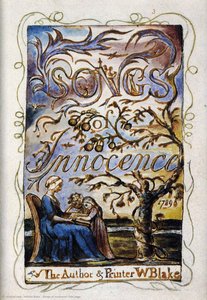
Liederen van Onschuld (Titelpagina)

- 152.0 x 140.0 cm


 Lees meer
Giclée / Kunstafdrukken
Giclée- of canvasafdruk van museumkwaliteit met een snelle productie en flexibele afwerkingsmogelijkheden. ( Bestel handgeschilderde reproductie Schakel over naar digitale afbeeldingen)




P118B €10

P118H €10

P118W €10

P438Z €10

P508JH €12

P508YH €12

P805H €10

P805Z €10

P919BZ €10

P919G €10

P919XJ €10

P959ZH €10

P968JZ €12

W106C €8

W218G €10

W218JH €8

W218Y €10

W307PJ €10

W316G €10

W316PJ €8

W316Y €10

W398PJ €8

W4111J €10

W500HY €15

W500JH €15

W692G €12

W849H €8

W940BG €15

W953PJ €8




Kies uit onze vooraf ingestelde maten die overeenkomen met de originele verhoudingen van het kunstwerk.

Voer de gewenste breedte en hoogte in, passend bij uw lijst of muur. Een afdruk kan alleen worden ingekort en nooit groter worden gemaakt dan het origineel; een formaat met andere verhoudingen zal daarom een deel van de afbeelding verliezen. Wij sturen u een digitaal mockup ter goedkeuring voordat we tot drukwerk overgaan. De afbeelding op deze pagina toont niet de werkelijke uitsnede — dit is alleen te zien op het mockup.
Wereldwijde levering () binnen 2 weken in plaats van de standaard 4/5 weken. (1 november)

Gratis wereldwijde expressverzending

Hoogwaardig linnen canvas

Volledige verzendverzekering

Garantie op terugbetaling van invoerrechten

Garantie op exacte kleurweergave

Retourbeleid van 100 dagen (alleen bij defecten)

100% Geld-terug-garantie

Korting bij meerdere afnames
 De optie voor glas is alleen beschikbaar bij een formaat kleiner dan 110 cm.

Liederen van Onschuld (Titelpagina)
Giclée / Kunstafdrukken
Afmetingen reproductie
-


Eindtotaal
€ 72
Songs of Innocence (Titelpagina) – Een Visionair Echo Door de Tijd
William Blakes “Songs of Innocence”, gepubliceerd in 1789, staat als een hoeksteen van de Romantische kunst en literatuur – een getuigenis van de unieke gave van de kunstenaar om poëtische verbeelding te vermengen met nauwgezette artistieke uitvoering. Dit opvallende titelpagina-beeld vangt de essentie van Blakes esthetische filosofie: een onwankelbaar geloof in de transformerende kracht van dromen en visioenen, wat zijn overtuiging weerspiegelt dat “het menselijk bestaan zelf” Gods scheppingsgeest belichaamt.
De Compositie & Techniek – Blakes Revolutionaire Drukkunst
Blake stelde niet zomaar een scène voor; hij orkestreerde deze. Het kunstwerk toont twee vrouwen die onder een bloeiende boom zitten – een bewuste keuze die de Romantische bezorgdheid met pastorale rust en geïdealiseerde schoonheid weerspiegelt. Rondom hen zijn vogels, minutieus weergegeven in aquarel en inkt, die vrijheid en spirituele aspiratie symboliseren. Blakes baanbrekende techniek omvatte het handmatig etsen van koperplaten voordat er levendige aquarelpigmenten werden aangebracht, wat resulteerde in ongeëvenaard detail en luminositeit – een methode die conventies trotseerde en hem vestigde als pionier van de geïllustreerde druk.
Symboliek & Narratieve Diepte – Het Verkennen van Kinderlijke Onschuld
Meer dan alleen esthetisch aangenaam, duikt “Songs of Innocence” in diepgaande filosofische thema's. De centrale figuren belichamen onschuld en contemplatie, terwijl de boom groei en spirituele verlichting vertegenwoordigt. Blakes meesterlijke vertelkunst maakt gebruik van visuele aanwijzingen om morele lessen over te brengen – een subtiele kritiek op maatschappelijke onrechtvaardigheden bekeken door de lens van kinderlijke kwetsbaarheid. Neem bijvoorbeeld de aanwezigheid van een man op de achtergrond; hij belichaamt autoriteit en vertegenwoordigt misschien de beperkingen die opgelegd worden aan de verbeelding door gevestigde instituties.
Historische Context – Romantiek's Omarming van de Verbeelding
Blakes werk ontstond tijdens de fervente passie van het Romantische Tijdperk, een periode gekenmerkt door rebellie tegen de Verlichtingse rationalisme en een vurige toewijding aan emotie en intuïtie. Beïnvloed door denkers als Rousseau en Coleridge, streefde Blake ernaar kunst te bevrijden van academische beperkingen, waarbij hij subjectieve ervaring boven objectieve representatie stelde. Deze artistieke impuls resoneerde diep bij publieken die worstelden met maatschappelijke omwentelingen – de snelle pace van industrialisatie en het bevragen van religieus dogma – waardoor “Songs of Innocence” werd gevestigd als een fundamentele uiting van Romantisch ideaal.
Emotionele Resonantie – Een Tijdloos Verzoek
"Songs of Innocence" blijft kijkers vandaag de dag betoveren vanwege zijn blijvende emotionele kracht. De serene voorstelling van vrouwen onder de boom roept gevoelens van vrede en contemplatie op, terwijl de vlucht van de vogels aspiratie en transcendentie symboliseert. Blakes meesterlijke gebruik van kleur en textuur nodigt ons uit in een rijk waar de verbeelding heerst – een herinnering dat ware schoonheid niet alleen ligt in visuele pracht, maar ook in intellectuele diepte en spirituele resonantie. Reprodukties van dit kunstwerk bieden een kans om dit iconische beeld in uw huis te brengen, wat contemplatie bevordert en het blijvende nalatenschap van William Blakes visionaire genie viert.
Veelgestelde vragen
Wat zijn de verhoudingen van "Liederen van Onschuld (Titelpagina)" door William Blake en wat zijn de afmetingen?
"Liederen van Onschuld (Titelpagina)" door William Blake is een Staand formaat compositie met de originele afmetingen van 152 x 140 cm.
Voor welke ruimte en welk gebruik wordt "Liederen van Onschuld (Titelpagina)" aanbevolen?
Aanbevolen gebruik (Accentuerend) en ruimte (Woonkamer) zijn de twee aanbevelingen voor "Liederen van Onschuld (Titelpagina)" door William Blake.
Welke stemming en emotie komen samen in "Liederen van Onschuld (Titelpagina)"?
In "Liederen van Onschuld (Titelpagina)" gaat een Romantisch sfeer gepaard met een Mysterieus emotie.
Biografie kunstenaar
A Visionary’s Journey: The Life and Art of William Blake
William Blake, born in London on November 28, 1757, was a figure perpetually out of step with his time, yet destined to become one of the most celebrated artists and poets of the Romantic Age. His life unfolded against the backdrop of a rapidly changing England—a world grappling with industrialization, political upheaval, and shifting spiritual beliefs. From humble beginnings as the son of a hosier, Blake’s early years were marked by an intensely vivid imagination and a propensity for visionary experiences that would profoundly shape his artistic trajectory. Though largely self-taught in formal academics, he received drawing instruction at a young age, quickly revealing a talent that hinted at the extraordinary path ahead. His apprenticeship with engraver James Basire proved pivotal, providing him not only with technical mastery but also an understanding of printmaking techniques he would later revolutionize. These early influences—the Gothic grandeur of Westminster Abbey, the classical forms of Raphael and Michelangelo—served as foundational elements in his developing aesthetic, though Blake was never one to remain bound by convention.The Illuminated World: Technique and Innovation
Blake’s artistic innovation wasn't merely about subject matter; it resided fundamentally in *how* he created. Dissatisfied with conventional engraving methods, he developed a unique process known as “illuminated printing.” This involved etching both text and illustrations onto copper plates, then hand-coloring the resulting prints—a laborious but deeply personal approach that allowed for complete artistic control. This wasn’t simply illustration accompanying poetry; it was an integrated art form where image and verse were inextricably linked, each enhancing the meaning of the other. His relief etching technique, born from a claimed visionary experience following his brother's death, further distinguished his work, granting it- A distinctive textural quality
- Greater artistic freedom than traditional methods
Themes of Innocence, Experience, and Rebellion
The core of Blake’s artistic output lies in its exploration of profound themes: the duality of innocence and experience, the constraints of reason versus the liberating power of imagination, and a fierce critique of societal norms.- Songs of Innocence and of Experience (1794), perhaps his most accessible work, presents a contrasting vision of childhood—one idyllic and untainted, the other marked by hardship and corruption.
- The Marriage of Heaven & Hell (1793) is a provocative prose poem that challenges conventional morality, celebrating energy, desire, and rebellion against restrictive doctrines.
- His illustrations for Dante’s *Divine Comedy* showcase his dramatic vision and ability to translate complex narratives into powerful visual imagery.
A Legacy Rediscovered: Blake's Enduring Influence
During his lifetime, William Blake remained largely marginalized, misunderstood by many of his contemporaries. His work was often dismissed as eccentric or even mad. He struggled financially throughout much of his life, relying on commissions and the support of a small circle of patrons like Thomas Butts. However, in the decades following his death on August 12, 1827, Blake’s reputation began to grow steadily. The Pre-Raphaelites, captivated by his visionary style and symbolic imagery, embraced him as a kindred spirit. Later movements—Symbolism and Modernism—found resonance in his emphasis on imagination, subjective experience, and spiritual themes. Blake's influence extends far beyond the realm of art; he inspired writers like Dylan Thomas and poets such as Ted Hughes. Today, William Blake is recognized as a pivotal figure in the Romantic movement, an artist whose work continues to provoke contemplation and inspire creativity—a testament to the enduring power of visionary imagination in confronting societal conventions and exploring the deepest recesses of human consciousness. His unwavering commitment to artistic freedom cemented his place as one of the most original voices of his era.
William Blake
1757 - 1827 , Verenigd Koninkrijk
Belangrijkste feiten
- Artistic Movement Or Style: Romantiek
- Artists Who Influenced This Artist:
- Raphael
- Michelangelo
- Date Of Birth: November 28, 1757
- Date Of Death: August 12, 1827
- Full Name: William Blake
- Nationality: Britse kunstenaar
- Notable Artworks:
- Songs of Innocence & Exp.
- The Tyger
- Jerusalem
- Place Of Birth: London, UK
Gerelateerde artikelen

Echoes of Time: Exploring the Enduring Appeal & Historical Context of Vintage Art Prints
Explore the captivating world of vintage art prints! Discover their history, collecting tips & enduring appeal. Expert insights on chromolithography and building a legacy collection with OriginalUniqueArt.

The Enduring Legacy of Fine Art Prints: Technique, History & Aesthetic Impact
Explore the rich history & techniques of fine art prints. Discover investment potential, assess authenticity, and learn how to preserve your collection with expert guidance. Trusted insights for discerning collectors.

Romantic Realism's Finest: 10 Masterpieces for Your Home | OriginalUniqueArt
Explore 10 defining masterpieces of Romantic Realism! Discover Courbet, Millet & Daumier's powerful paintings—capturing emotion and social realities. Find museum-quality reproductions for your home at OriginalUniqueArt.com.

Giclée Prints: Archival Quality & Aesthetic Nuances for the Discerning Collector
Explore the world of giclée prints with OriginalUniqueArt. Learn about archival quality, aesthetic nuances & investment potential. Expert guidance for discerning art collectors seeking museum-quality reproductions and lasting value.
William Blake: Romantic Visionary & Mystical Genius of the Imagination
Explore the mystical art & poetic genius of William Blake (1757-1827). Discover his revolutionary illuminated printing, rich symbolism, and lasting influence on Romanticism. Find handmade reproductions at OriginalUniqueArt.