

 Voorvertoning
 Verstuur
 Delen
Delen
 Details bekijken
 Gids
Gids

 Download
 Vergelijkbare items
 Röntgenonderzoek
 Diavoorstelling
 Statistieken
Weaver
 Olieverf op canvas
- Wanddecoratie
- Realism
 1884
1884- 19e eeuw
 61.0 x 48.0 cm
 Kröller-Müller Museum
 Lees meer
Koop een digitale afbeelding in hoge resolutie met verbeterde kwaliteit, die veel superieur is aan de online voorvertoning.
Elk bestand wordt met uiterste precisie voorbereid door onze interne specialisten, met behulp van geavanceerde tools en deskundige handmatige retouche. Wij garanderen dat elke afbeelding een uitzonderlijke helderheid, nauwkeurige kleurweergave en verfijnde details bezit.
Het uiteindelijke bestand wordt binnen 72 uur per e-mail geleverd, geoptimaliseerd voor direct gebruik in professionele, redactionele en printomgevingen. Dit is dezelfde kwaliteit waarop vooraanstaande designstudio's, uitgevers en galerieën vertrouwen.
Digitale afbeeldingen
Download een bestand met hoge resolutie voor persoonlijke weergave, afdrukken en creatieve projecten. ( Schakel over naar print Bestel handgeschilderde reproductie)
Inbegrepen bij elke bestelling van een digitale afbeelding
Professionele digitale levering, gegarandeerd
Wanneer u kiest voor OriginalUniqueArt.com, ontvangt u niet alleen een afbeelding – u krijgt een professioneel verbeterd digitaal kunstwerk, met precisie vervaardigd en voorzien van een tevredenheidsgarantie. Dit is alles wat automatisch bij uw bestelling is inbegrepen:

Snelle levering per e-mail
Uw hoogwaardige digitale afbeeldingsbestand wordt binnen 72 uur na bestelling naar u gemaild – klaar voor direct gebruik.

AI-verbeterd digitaal bestand
Uw kunstwerk wordt professioneel geoptimaliseerd met behulp van geavanceerde AI-tools en handmatige bewerkingen, waardoor maximale details, helderheid en kleurnauwkeurigheid worden gegarandeerd.

Gratis levenslange herlevering van digitale bestanden
Je bestand per ongeluk verwijderd of kwijtgeraakt? Geen zorgen – we sturen het u op elk gewenst moment gratis opnieuw toe.

Geen invoerkosten – nooit
Geniet direct van uw kunstwerk zonder invoerrechten, belastingen of verzendkosten – digitale downloads zijn altijd belastingvrij.

Garantie op kleurgetrouwheid
Met behulp van professionele hulpmiddelen en kleurbeheer zorgen wij ervoor dat uw digitale afbeelding de originele kleuren zo nauwkeurig mogelijk weergeeft.

100 dagen tevredenheidsgarantie
Mocht u niet tevreden zijn met uw digitale afbeelding, dan passen wij deze aan of storten wij 100% terug binnen 100 dagen – zonder vragen te stellen.

100% Geld-terug-garantie
Niet tevreden? Ontvang een volledige terugbetaling binnen 100 dagen na ontvangst van uw digitale bestand – zonder vragen te stellen.

Korting bij grote bestellingen
Koop 3 afbeeldingen, bespaar 10% - Koop 5, bespaar 15% - Koop 10+, bespaar 20%. Ideaal voor creatieve projecten, galerieën en bureaus.
Vincent van Gogh's 'Weaver': Een Glimp naar het Platteland
Vincent Willem van Gogh, een naam synoniem voor artistieke passie en tumultueuze genialiteit, blijft een van de meest herkenbare en geliefde Figuren in Westerse kunstgeschiedenis. Geboren op 30 maart 1853, in Groot-Zundert, Nederland, was zijn reis niet één van directe erkenning maar eerder een langzame groei van toegewijdheid, strijd en uiteindelijk, diepgaande invloed.
Historische Context en Inspiratie
De midden jaren 1880 markeerden een periode van significante sociale verandering in landelijke gebieden zoals Nuenen. Traditionele boerderijindustrieën, waaronder breiwerk, leden onder de teloorgang veroorzaakt door industrialisatie. Van Gogh werd diep aangetrokken door het lijden van deze arbeiders en zocht hij om hun toegewijdheid en pijn door zijn kunst vast te leggen. "Weaver" maakt deel uit van een reeks schilderijen die het leven van boeren en breiwerkers weergeven, waarbij hij zijn désir om dit verdwijnende levenswijze oprecht en compassievol vast te leggen.
De ontwikkeling van de landelijke economie werd gedreven door nieuwe ontwikkelingen binnen de industrie. Van Gogh was een fervent voorstander van het gebruik van natuurlijke kleuren en licht om een gevoel van ruimte en atmosfeer aan zijn werk toe te voegen. Hij wilde een beeld geven van een gemeenschap die ondergaat een belangrijke transformatie, waarbij zowel de schoonheid als de moeilijkheden inherent aan traditioneel vakmanschap worden aangrijpend weergegeven.
Techniek en Stijl
Het schilderij 'Weaver' heeft een afmeting van 61 x 48 cm en is uitgevoerd in olie op doek. Een belangrijk kenmerk van Van Gogh’s stijl is het gebruik van dikke penseelstreken die een gevoel van textuur creëren en de scène laten tot leven komen. De compositie draait om een man die gedurig bezig staat bij een grote loom, waarbij zijn aandacht volledig gefixeerd blijft ondanks de sombere omgeving.
De kunstenaar gebruikte een warme kleurpalet bestaande uit bruin, grijs en rood om het karakter van het breiwerk te onderstrepen. Een andere belangrijke stijlkenmerk is het gebruik van licht om een gevoel van diepte en realisme aan het werk toe te voegen.
Symboliek en Emotionele Impact
Meer dan alleen een afbeelding van een breiwerker, biedt 'Weaver' een onderzoek naar de menselijke ervaring – de strijd, veerkracht en onwrikbare geest van hen die zonder aarzelen werkten om voor hun familie te voorzien. Het is niet slechts een schouwspel van een breiwerker; het is een exploratie van het menselijk zelf.
De kunstenaar wilde een beeld geven van een gemeenschap die ondergaat een belangrijke transformatie, waarbij zowel de schoonheid als de moeilijkheden inherent aan traditioneel vakmanschap worden aangrijpend weergegeven. Een belangrijk stijlkenmerk is het gebruik van licht om een gevoel van ruimte en atmosfeer aan het werk toe te voegen.
Veelgestelde vragen
Welke emotie straalt het Realism-werk "Weaver" uit?
De Melancholisch emotie van "Weaver" gaat samen met de Realism stijl.
Wat zijn de verhoudingen van "Weaver" door Vincent Van Gogh en wat zijn de afmetingen?
Het formaat van "Weaver" is Landschap en het origineel heeft de afmetingen 61 x 48 cm. Beide zijn nuttig bij het plannen van een reproductie.
Hoe kan ik een print van "Weaver" door Vincent Van Gogh verkrijgen?
Een print van "Weaver" door Vincent Van Gogh kan rechtstreeks worden besteld op de Fine Art Print-pagina: een fine art print op katoenen canvas of archiefwaardig canvaspapier.
Kunstenaarsbiografie
Een leven geschilderd in passie: Vincent van Gogh
Vincent Willem van Gogh, een naam die synoniem staat voor levendige kleur en rauwe emotie, blijft een van de meest herkenbare en geliefde figuren uit de kunstgeschiedenis. Geboren op 30 maart 1853 in Zundert, Nederland, is zijn reis van een getroebleerde jonge man op zoek naar een doel tot een artistiek visionair een ontroerend verhaal van toewijding, strijd en uiteindelijk een blijvende erfenis. Hoewel hij tijdens zijn leven weinig commercieel succes behaalde – hij verkocht slechts één schilderij, Het rode wijngaard, voor zijn dood – is de impact van Van Gogh op de moderne kunst onmetelijk; hij plaveide de weg voor het expressionisme en beïnvloedde talloze kunstenaars die hem volgden. Zijn verhaal gaat niet alleen over penseelstreken en canvas; het is een getuigenis van de kracht van menselijke expressie in het aangezicht van tegenspoed.
De vroege jaren en artistieke ontwaking
Van Goghs vroege leven werd gekenmerkt door een reeks onvervulde ambities. Hij probeerde verschillende beroepen – kunsthandelaar, leraar en zelfs missionaris – voordat hij zich op relatief late leeftijd van 27 jaar volledig aan de schilderkunst wijdde. Deze eerdere ervaringen vormden zijn wereldbeeld diepgaand en vonden hun weg naar zijn kunst. Zijn eerste werken, waarin scènes uit het boerenleven in het landelijke België werden afgebeeld, weerspiegelen een diepe empathie voor de arbeidersklasse en een somber palet dat hun ontberingen reflecteerde. Beïnvloed door kunstenaars als Jean-François Millet, zocht Van Gogh naar een manier om de waardigheid en veerkracht van deze mensen vast te leggen door middel van rauw realisme. Het was echter zijn verhuizing naar Parijs in 1886 die transformatief bleek te zijn. Daar maakte hij kennis met het impressionisme en postimpressionisme, waarbij hij de technieken van meesters als Monet, Renoir en Pissarro absorbeerde. Deze blootstelling verbredde zijn artistische horizon en leidde hem tot experimenten met helderdere kleuren en lossere penseelstreken, hoewel hij een duidelijke emotionele intensiteit behield die bij veel van zijn tijdgenoten ontbrak. Zijn broer Theo, een kunsthandelaar, speelde een cruciale rol in deze periode door financiële steun te bieden en als een vitale schakel naar de Parijse kunstwereld te fungeren. Hun uitgebreide correspondentie biedt onschatbare inzichten in Van Goghs artistieke ontwikkeling en persoonlijke strijd.
loosHet zuidelijke licht en explosieve creativiteit
Op zoek naar een levendiger landschap en een gevoel van vernieuwing, verhuisde Van Gogh in 1888 naar Arles in Zuid-Frankrijk. Deze verhuizing markeerde een periode van intense creatieve productie, gekenmerkt door een explosie van kleur en een kenmerkende impasto-techniek – het dik aanbrengen van verf op het canvas, waardoor een textuur ontstaat die lijkt te pulseren met energie. Het was hier dat hij enkele van zijn meest iconische werken produceerde: Zonnebloemen, Het nachtcafé en De sterrennacht. Het intense zonlicht van de Provence leek zijn verbeelding aan te wakkeren, waardoor hij landschappen en stillevens met een ongekende levendigheid kon afbeelden. Zijn verlangen naar artistieke samenwerking leidde ertoe dat hij Paul Gauguin uitnodigde om zich bij hem in Arles te voegen, in de hoop een utopische kunstenaarskolonie te stichten. Hun relatie bleek echter stormachtig en culmineerde in een dramatische confrontatie die resulteerde in het verminken van zijn eigen oor. Deze gebeurtenis onderstreepte de kwetsbaarheid van zijn mentale toestand en markeerde het begin van een periode van institutionalisering en toenemende psychologische nood.
De latere jaren en een blijvende erfenis
Na zijn inzinking trad Van Gogh vrijwillig een inrichting binnen in Saint-Rémy, waar hij productief bleef schilderen en de omringende landschappen met zowel schoonheid als onrust vastlegde. Werken zoals De sterrennacht, geschilderd tijdens deze tijd, zijn doordrenkt van een gevoel van kosmisch wonder en diepe emotionele gelaagdheid. Later verhuisde hij naar Auvers-sur-Oise onder de zorg van Dr. Paul Gachet, maar zijn strijd hield aan. Op 29 juli 1890 stierf Van Gogh op 37-jarige leeftijd tragisch aan een zelfveroorzaakt schotwond. Ondanks het feit dat hij tijdens zijn leven weinig erkenning kreeg, begon zijn werk na zijn dood lof te oogsten, grotendeels dankzij de onvermoeibare inspanningen van zijn schoonzus, Johanna van Gogh-Bonger, die zijn nalatenschap erfde en zich wijdde aan het promoten van zijn kunst. Vandaag de dag worden de schilderijen van Van Gogh wereldwijd gevierd om hun emotionele intensiteit, innovatieve technieken en blijvende schoonheid. Zijn nalatenschap reikt veel verder dan het canvas; hij is een symbool geworden van artistieke passie, doorzettingsvermogen in tijden van tegenspoed en de kracht van kunst om de diepste menselijke emoties uit te drukken.
Belangrijke invloeden en artistieke ontwikkeling
- Vroeg realisme: De afbeeldingen van het boerenleven door Jean-François Millet beïnvloedden Van Goghs vroege werken.
- Impressionisme & Postimpressionisme: Blootstelling aan Monet, Renoir, Pissarro en anderen in Parijs verbreedden zijn palet en techniek.
- Japanse prenten: Van Gogh werd diep beïnvloed door Japanse houtsneden, die hij met passie verzamelde. Hun gedurfde composities en vlakke kleurvlakken hadden een grote impact op zijn eigen stijl.
- Emotionele expressie: Bovenal probeerde Van Gogh emotie over te brengen via zijn kunst, waarbij hij de subjectieve ervaring boven de objectieve representatie stelde. Deze focus op emotionele intensiteit werd een bepalend kenmerk van zijn werk en plaveide de weg voor het expressionisme.
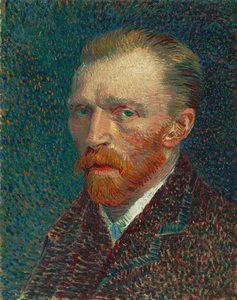
Vincent Van Gogh
1853 - 1890 , Nederland
Belangrijkste feiten
- Artistic Movement Or Style: Post-Impressionisme
- Artists Or Movements Influenced By This Artist:
- Expressionisme
- Fauvisme
- Artists Who Influenced This Artist:
- Rembrandt
- Millet
- Date Of Birth: 30 maart 1853
- Date Of Death: 29 juli 1890
- Full Name: Vincent Willem van Gogh
- Nationality: Nederlands
- Notable Artworks:
- Pommes de terre
- Zonnebloemen
- Sterrennacht
- Place Of Birth: Zundert, Nederland