 Voorvertoning
 Verstuur
 Delen
Delen
 Details bekijken

 Download
 Vergelijkbare items
 Röntgenonderzoek
 Diavoorstelling
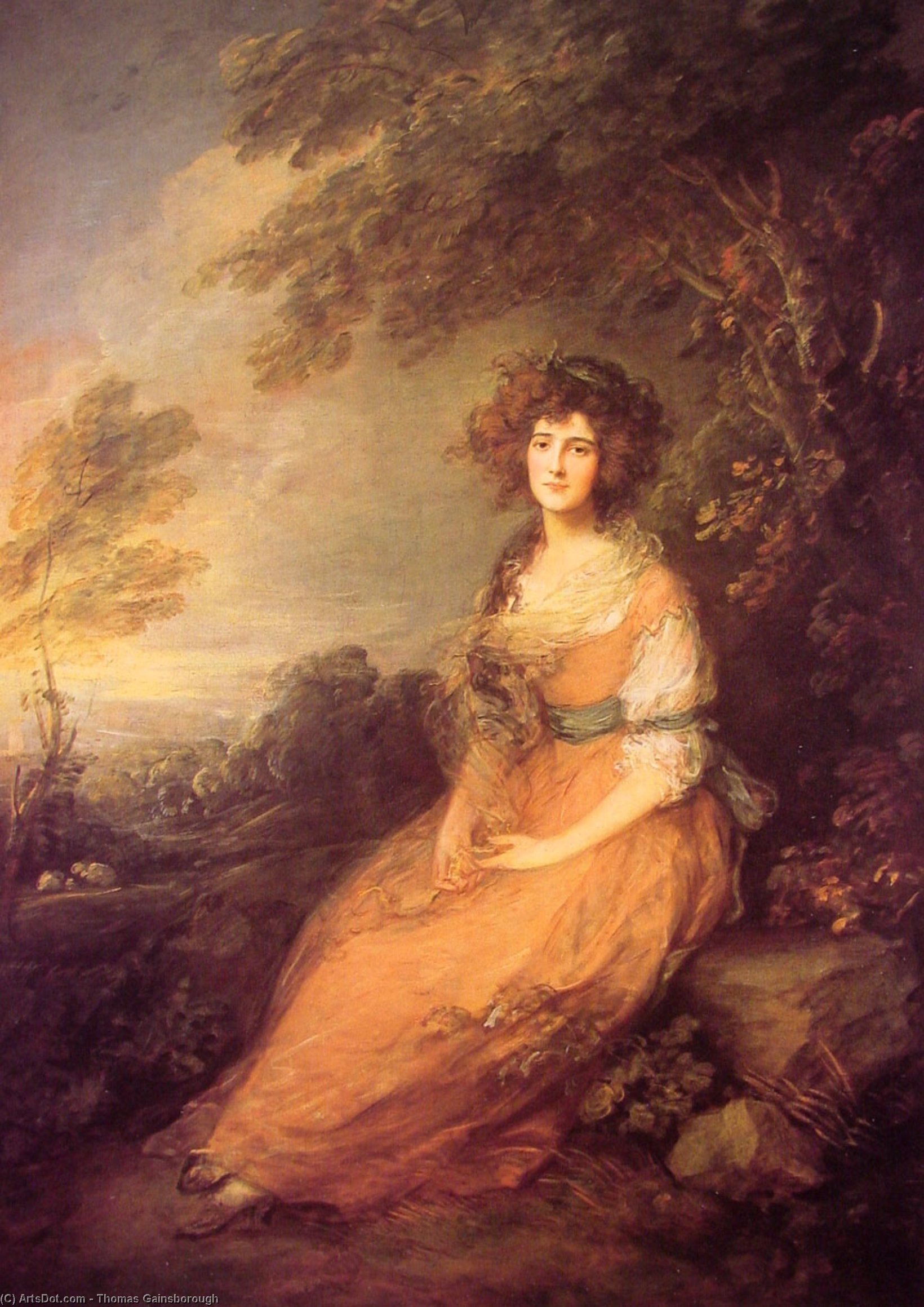
Mrs Sheridan
 Oil On Canvas
- WallArt
- Romantic Landscape
 1785
1785- Early Modern
 220.0 x 154.0 cm
 National Gallery of Art
 Lees meer
Handgemaakte olieverfreproductie
Met de hand geschilderd in olieverf op canvas in uw gewenste maat en lijst, op bestelling gemaakt door onze kunstenaars. ( Bestel print Koop afbeelding)




P118B $10

P118H $10

P118W $10

P438Z $10

P508JH $12

P508YH $12

P805H $10

P805Z $10

P919BZ $10

P919G $10

P919XJ $10

P959ZH $10

P968JZ $12

W106C $8

W218G $10

W218JH $8

W218Y $10

W307PJ $10

W316G $10

W316PJ $8

W316Y $10

W398PJ $8

W4111J $10

W500HY $15

W500JH $15

W692G $12

W849H $8

W940BG $15

W953PJ $8




Kies uit onze vooraf ingestelde maten die overeenkomen met de originele verhoudingen van het kunstwerk.

U kunt uw eigen afmetingen invoeren om in een specifieke lijst of ruimte te passen. Als de door u gekozen maat niet overeenkomt met de verhoudingen van het originele beeld, zullen we het kunstwerk bijsnijden of het schilderij uitbreiden met extra handgeschilderde elementen. Een digitale mockup wordt ter goedkeuring naar u verzonden voordat de productie begint.
Houd er rekening mee dat de preview op het scherm niet de werkelijke uitsnede of uitbreiding weergeeft. Alleen de mockup toont de uiteindelijke compositie nauwkeurig.
Hoewel aangepaste afmetingen mogelijk zijn, raden we aan een maat uit de vooraf gedefinieerde lijst te selecteren om de originele verhoudingen te behouden.
Na de bestelling zal het team van OriginalUniqueArt.com per e-mail contact opnemen met de klant voor instructies en een mockup-voorbeeld sturen.
Wereldwijde levering () binnen 3 tot 4 weken in plaats van de standaard 5 weken. (18 augustus). Zonder concessies aan de kwaliteit.

Gratis wereldwijde expressverzending

Hoogwaardig linnen canvas

Volledige verzendverzekering

Garantie op terugbetaling van invoerrechten

Garantie op exacte kleurweergave

Retourbeleid van 60 dagen (alleen bij defecten)

100% Geld-terug-garantie

Korting bij meerdere afnames
 De optie voor glas is alleen beschikbaar bij een formaat kleiner dan 110 cm.

Mrs Sheridan
Druktechniek
Afmetingen reproductie
-


Eindtotaal
$ 300
Beschrijving kunstwerk
A Vision of Georgian Grace
In the soft, dappled light of a pastoral dream, Thomas Gainsborough’s “Mrs Sheridan” emerges as a breathtaking testament to the elegance of the late eighteenth century. Painted between 1785 and 1787, this masterpiece does far more than capture the likeness of Elizabeth Ann Linley; it invites the viewer into a world of refined sensibilities and quiet, atmospheric beauty. As one gazes upon the canvas, there is an immediate sense of stepping into a tranquil garden, where the boundaries between the subject and the natural world seem to dissolve. The portrait serves as a window into the Georgian era, a period defined by its fascination with capturing fleeting moments of grace and the delicate interplay between human emotion and the landscape.
The sitter herself, seated with an effortless poise upon the earth, embodies a serene dignity. Her gaze, directed thoughtfully off-camera, suggests a mind lost in contemplation, pulling the observer into her private world of reflection. This subtle psychological depth is what elevates Gainsborough’s work from mere portraiture to a profound narrative experience. For collectors and lovers of fine art, the painting offers a sense of timelessness, making it an exquisite focal point for any space that seeks to evoke peace, sophistication, and a connection to the classical English tradition.
Mastery of Light and Texture
To behold “Mrs Sheridan” is to witness the technical brilliance of one of Britain’s most celebrated masters. Gainsborough employed a sophisticated approach, utilizing a technique reminiscent of mezzotint etching combined with rich oil layers to achieve an astonishingly luminous surface. This method allowed him to manipulate light and shadow with unparalleled precision, creating subtle gradations that breathe life into the fabric of her pink dress and the surrounding foliage. The artist’s use of impasto—the thick, textured application of pigment—is particularly striking in the depiction of the trees and sky, lending a tactile richness that gives the landscape an almost palpable immediacy.
This interplay of light and texture creates a rhythmic movement across the canvas. The way the sunlight filters through the canopy to touch the subject’s skin and clothing demonstrates a command of atmosphere that few could replicate. For interior designers, this quality makes a high-quality reproduction of this work particularly transformative; the painting possesses a dynamic energy that changes with the lighting of a room, offering a sense of depth and movement that can anchor a sophisticated interior design scheme.
Symbolism and Emotional Resonance
Beyond its aesthetic splendor, “Mrs Sheridan” is a tapestry of symbolic meaning. The tranquil garden setting, bathed in soft light, serves as an allegory for domestic serenity and the idealized pastoral life. Every element, from the lush greenery to the subtle inclusion of an umbrella, contributes to a larger story about the unpredictable nature of existence juxtaposed against the desire for stability. The presence of other figures in the distant background adds a layer of social context, suggesting a world that is populated yet allows for this singular moment of quietude.
The emotional impact of the piece lies in its ability to evoke nostalgia and a longing for a more rhythmic, connected way of life. It is a painting that does not demand attention through loud colors or dramatic action, but rather earns it through subtlety and soul. Whether displayed in a grand gallery or as a centerpiece in a curated home collection, “Mrs Sheridan” remains an enduring symbol of beauty, offering a sophisticated touch of historical romance and an invitation to pause and reflect amidst the complexities of modern life.
Biografie van de kunstenaar
A Suffolk Beginning: The Early Life and Artistic Awakening
The story of Thomas Gainsborough, one of Britain’s most celebrated artists, unfolds not within the confines of a grand academy or bustling metropolis, but in the tranquil market town of Sudbury, Suffolk. Born in 1727, the youngest son of John Gainsborough, a weaver and wool merchant, young Thomas displayed an innate artistic sensibility from a remarkably early age. While his siblings pursued more conventional paths, Thomas’s world rapidly became consumed by drawing and painting – miniature self-portraits and delicate landscapes blossoming from his hand even before he reached ten years old. This precocious talent wasn't merely a childhood pastime; it was the burgeoning of a vision that would reshape British art. His father, recognizing this unique gift, encouraged its development, setting young Thomas on a path diverging sharply from the family trade. The Suffolk countryside itself became his first studio, imbuing his later works with a deep and abiding love for the natural world – a characteristic that would distinguish him throughout his career. This early immersion in landscape wasn’t simply about replicating what he saw; it was about *feeling* the essence of the English countryside, an emotional resonance that would permeate his canvases for decades to come.London and the Shaping of a Style: Influences and Early Commissions
In 1740, at the age of thirteen, Gainsborough journeyed to London, embarking on formal artistic training under Hubert Gravelot, a French engraver renowned for his elegant rococo style. This exposure proved pivotal, introducing him to refined techniques and fashionable aesthetics. However, it was his association with William Hogarth and the St Martin’s Lane Academy that truly began to mold his artistic identity. Initially influenced by Hogarth's narrative approach – his focus on social commentary and moral lessons through meticulously detailed scenes – Gainsborough soon charted his own course, developing a distinctive style characterized by its lightness of touch, fluid brushwork, and subtle color palettes. He absorbed lessons from various masters, yet resisted strict adherence to any single school, forging a path that blended observation with imagination. Gainsborough’s early works often featured scenes of rural life, reflecting the landscapes he knew so intimately. His style was influenced by Dutch Masters like Jacob van Ruisdael, whose atmospheric landscapes and use of light he deeply admired. Returning to Sudbury after marrying Margaret Burr in 1746, Gainsborough established himself as a portraitist for the local gentry. This period honed his skills in capturing likenesses and character, but it was during his subsequent move to Ipswich, and later Bath, that he began attracting a more sophisticated clientele – individuals who appreciated not just accurate representation, but also artistic flair and emotional depth.Bath and Beyond: Portraiture, Landscape, and Royal Patronage
The years spent in Bath (1759-1774) marked a significant turning point in Gainsborough’s career. The city was a hub of fashionable society, providing him with ample opportunities to paint portraits of the wealthy and influential. He quickly gained renown for his ability to capture not only physical resemblance but also the personality and social standing of his sitters. His portraits weren't merely depictions; they were statements about identity and status. He developed a remarkable skill in capturing fleeting expressions and subtle nuances, imbuing his subjects with a sense of life and immediacy. Gainsborough’s style evolved during this period, becoming looser and more expressive, reflecting the changing artistic trends of the time. He also continued to paint landscapes, often incorporating them into his portraits – a technique that highlighted both the beauty of nature and the importance of human connection. The culmination of his success came with his move to London in 1774, where he established a studio on Pall Mall and became a founding member of the Royal Academy. He also secured royal patronage, becoming a favorite painter of King George III and Queen Charlotte, further solidifying his position as one of Britain’s leading artists. His portraits of the royal family are considered masterpieces of their time, showcasing his technical skill and artistic sensitivity.A Legacy of Innovation: Enduring Appeal and Influence
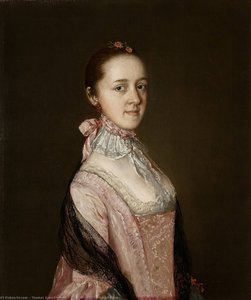
Thomas Gainsborough died in 1788, leaving behind a body of work that continues to captivate audiences today. His influence on subsequent generations of British artists is undeniable. He liberated portraiture from rigid formality, infusing it with spontaneity and emotional resonance. His loose brushwork and atmospheric effects paved the way for the Impressionists, while his lyrical landscapes inspired artists like John Constable, who deeply admired Gainsborough’s ability to capture the spirit of the English countryside. Gainsborough's legacy extends beyond technique; it lies in his profound understanding of human character and his unwavering commitment to artistic expression. He wasn’t simply a painter of portraits or landscapes; he was a storyteller, a poet of light and color, and a visionary who transformed British art. Mrs. Thomas Gainsborough, painted in 1785, exemplifies this period – an elegant portrait showcasing rococo style and muted tones. His paintings are a testament to the power of observation, imagination, and the enduring allure of the English landscape.Exploring Gainsborough's World Today
Fortunately, the opportunity to experience Gainsborough’s genius firsthand remains readily available. Gainsborough’s House, in his birthplace of Sudbury, stands as a testament to his life and work, offering visitors an intimate glimpse into his early influences and artistic development. Christchurch Mansion in Ipswich houses a significant collection of Gainsborough paintings alongside works by Constable and other masters. Numerous museums across the United Kingdom and internationally display his masterpieces, including the National Gallery in London and the Metropolitan Museum of Art in New York. His work continues to be studied, analyzed, and celebrated, ensuring that his artistic vision will endure for generations to come.
Thomas Gainsborough
1727 - 1788 , Verenigd Koninkrijk
Belangrijkste feiten
- Artistic Movement Or Style: Rocococo, portretten
- Artists Or Movements Influenced By This Artist:
- Constable
- Impressionisten
- Artists Who Influenced This Artist:
- Gravelot
- Hogarth
- Date Of Birth: 1727
- Date Of Death: 1788
- Full Name: Thomas Gainsborough
- Nationality: Britse kunstenaar
- Notable Artworks:
- Mrs. Gainsborough
- Mr & Mrs Andrews
- Place Of Birth (City And Country): Sudbury, VK
Gerelateerde artikelen
Top 10 Schilderijen Gedomineerd door Zachtroze Tinten | Kunst & Decor Inspiratie
Ontdek de top 10 beroemde schilderijen gedomineerd door zachtroze tinten! Van Monet tot Renoir, bewonder meesterwerken uit het impressionisme & romantiek. Vind kunst reproducties van hoge kwaliteit en decoratie inspiratie op OriginalUniqueArt.com.

The Enduring Legacy of Oil on Canvas: Technique, History & Aesthetic Impact
Explore the rich history & techniques of oil painting – from Renaissance masters to Impressionism. Discover pigments, layering methods, and why this timeless medium endures. Expert insights for artists & art enthusiasts.

Oil on Canvas: A Historical & Technical Exploration of a Timeless Artistic Medium
Explore the rich history & enduring techniques of oil painting on canvas. Discover the science behind its longevity, conservation practices, and contemporary relevance. Expert insights for art enthusiasts.
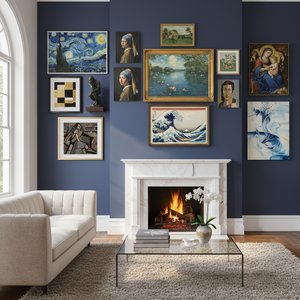
Top 10 Elegante Kunstwerken: Klassiekers voor een Verfijnd Interieur | OriginalUniqueArt.nl
Ontdek de top 10 elegante kunstwerken die tijdloze schoonheid uitstralen! Van klassieke portretten tot impressionistische landschappen. Leer over beroemde schilders en vind museumkwaliteit reproducties voor een verfijnd interieur op OriginalUniqueArt.com.

The Enduring Power of Painting: A Historical & Contemporary Exploration of Form and Emotion
Explore the rich history & enduring techniques of oil painting with OriginalUniqueArt. Discover masterpieces, learn about art collecting, and find authentic handmade reproductions crafted by skilled artists.