 Bekijk op ware grootte
 Verstuur
 Delen
Delen
 Details bekijken
 Gids voor studentenkunstwerken

 Download
 Vergelijkbare items
 Röntgenonderzoek
 Diavoorstelling
 Statistieken
Samson and Delilah
 Oil On Canvas
- WallArt
- Baroque
 1630
1630- Early Modern
 2540.0 x 1460.0 cm
 Kunsthistorisches Museum
 Lees meer
Giclée / Kunstafdrukken
Giclée- of canvasafdruk van museumkwaliteit met een snelle productie en flexibele afwerkingsmogelijkheden. ( Koop handgeschilderd kunstwerk Schakel over naar digitale afbeeldingen)




P118B €10

P118H €10

P118W €10

P438Z €10

P508JH €12

P508YH €12

P805H €10

P805Z €10

P919BZ €10

P919G €10

P919XJ €10

P959ZH €10

P968JZ €12

W106C €8

W218G €10

W218JH €8

W218Y €10

W307PJ €10

W316G €10

W316PJ €8

W316Y €10

W398PJ €8

W4111J €10

W500HY €15

W500JH €15

W692G €12

W849H €8

W940BG €15

W953PJ €8




Kies uit onze vooraf ingestelde maten die overeenkomen met de originele verhoudingen van het kunstwerk.

Voer de breedte en de hoogte in die u nodig heeft, passend bij uw lijst of uw muur. Een afdruk kan alleen worden ingekort, nooit groter worden gemaakt dan het origineel, waardoor een formaat met een andere verhouding een deel van de afbeelding verliest. Wij sturen u een digitaal mockup ter goedkeuring voordat we iets drukken. De afbeelding op deze pagina toont niet de werkelijke uitsnede — dit is alleen te zien op het mockup.
Wereldwijde levering () binnen 2 weken in plaats van de standaard 4/5 weken. (22 oktober)

Gratis wereldwijde expressverzending

Hoogwaardig linnen canvas

Volledige verzendverzekering

Garantie op terugbetaling van invoerrechten

Garantie op exacte kleurweergave

Retourbeleid van 100 dagen (alleen bij defecten)

100% Geld-terug-garantie

Korting bij meerdere afnames
 De optie voor glas is alleen beschikbaar bij een formaat kleiner dan 110 cm.

Samson and Delilah
Giclée / Kunstafdrukken
Formaat reproductie
-


Totaalprijs
€ 71
A Moment Suspended in Treachery
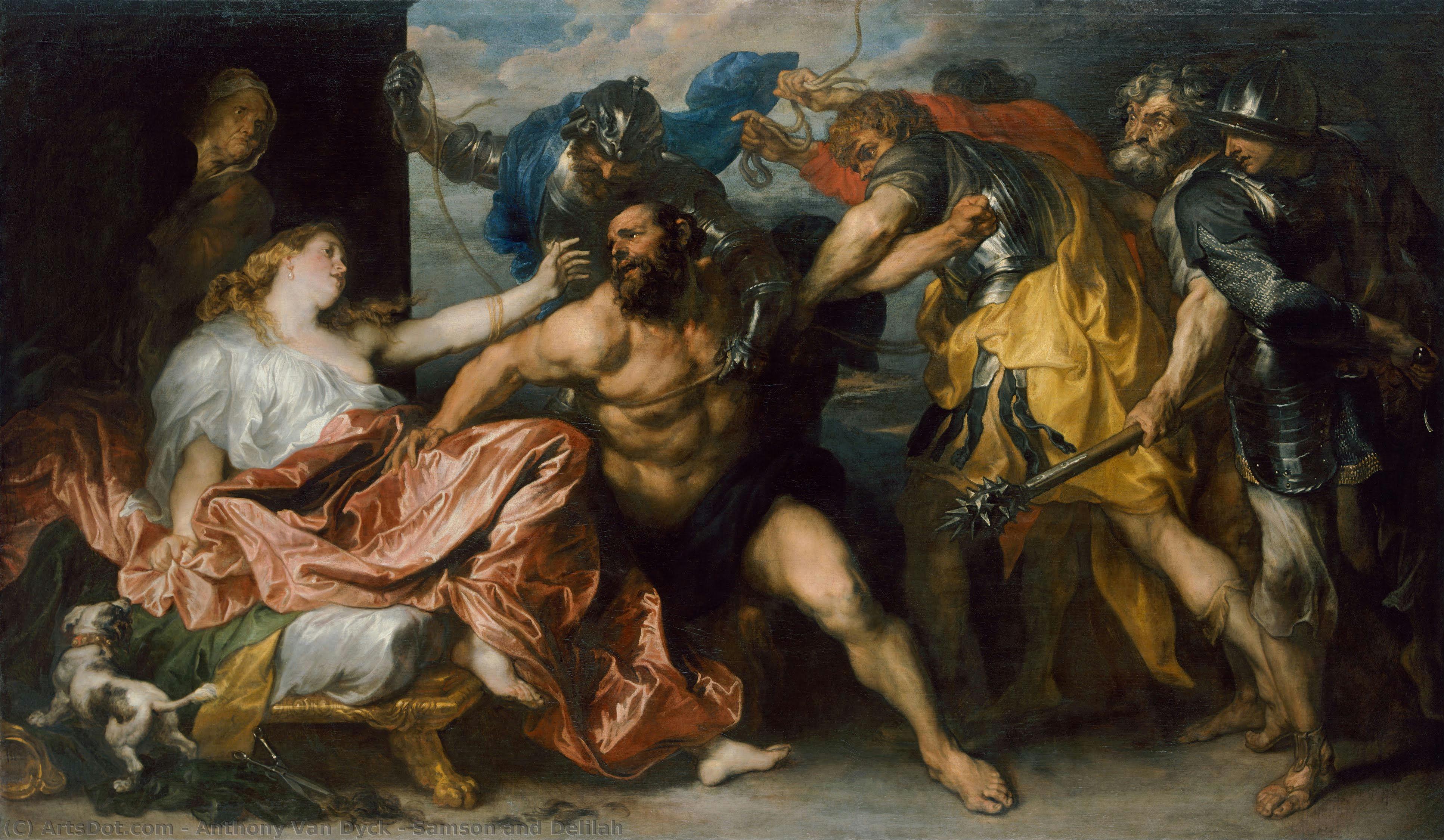
In the grand tapestry of the Flemish Baroque, few moments capture the tension between divine strength and human frailty as poignantly as Sir Anthony van Dyck’s Samson and Delilah. Executed around 1630, this masterpiece does not merely recount a biblical episode; it invites the viewer into a claustrophobic, high-stakes drama where every shadow holds a secret. The scene centers on the pivotal instant of betrayal: Samson, the legendary figure of immense power, sits in a state of vulnerable repose, while Delilah, driven by a complex mixture of resolve and perhaps a lingering remorse, prepares to sever the very source of his strength—his hair. It is a tableau of deceptive stillness, where the air seems heavy with the impending loss of liberty and the weight of a broken covenant.
Van Dyck’s technical mastery is on full display through his sophisticated use of chiaroscuro. The dramatic interplay of light and shadow does more than define the physical forms; it sculpts the psychological landscape of the characters. Light spills across the textures of the scene—the soft sheen of skin, the heavy weight of luxurious fabrics, and the intricate strands of hair—creating a luminous quality that is a hallmark of his style. By employing a pyramidal composition, Van Dyck directs our gaze inward toward the central interaction, ensuring that the emotional gravity of the encounter remains the undisputed heart of the work. The background, reminiscent of the expansive landscapes favored by his mentor Peter Paul Rubens, provides a breathtaking contrast to the intimate, almost suffocating intensity of the foreground drama.
Symbolism and the Baroque Soul
Beyond the literal narrative of the Book of Judges, this painting serves as a profound meditation on the human condition. The figures are laden with symbolic weight, representing the eternal struggle between faith and doubt, and strength and vulnerability. Samson’s physical prowess is rendered secondary to his emotional exposure; he is a titan brought low not by a sword, but by trust. Delilah, often portrayed in art as a mere temptress, is given here a more nuanced, psychological depth, embodying the devastating consequences of pride and the complexity of desire. Even the peripheral elements, such as the presence of watchful dogs or the sturdy furniture, ground this celestial tragedy in a tangible, earthly reality that resonates with any observer.
For the discerning collector or interior designer, a reproduction of this caliber offers more than just visual splendor; it provides a focal point of intellectual and emotional depth. The painting’s rich palette and dramatic lighting make it an extraordinary addition to a curated space, capable of commanding attention in a formal study, a grand salon, or a sophisticated gallery wall. It is a piece that invites long periods of contemplation, offering new layers of meaning with every glance. To possess such a work is to bring a fragment of the Golden Age of Flemish art into the modern home, celebrating a period where art was used to explore the very limits of the human spirit.
Vragen & Antwoorden
Is Antoon van Dyck, maker van "Samson and Delilah", bekend onder andere namen?
Andere namen die bekend zijn voor Antoon van Dyck, maker van "Samson and Delilah", zijn onder andere Anthony van Dyck, Anthonie van Dyck, Anton van Dyck.
Wat stelt "Samson and Delilah" door Antoon van Dyck voor, en welke stemming straalt het uit?
"Samson and Delilah" door Antoon van Dyck combineert biblical narrative, samson and delilah, hair cutting ritual, betrayal, loss of strength, biblical storytelling, flemish painting, rubens influence met een Elegant atmosfeer.
Welke kleur domineert de compositie van "Samson and Delilah" door Antoon van Dyck?
De kleur die het meest opvalt in "Samson and Delilah" is Rosy Brown (#a8957c). De dominante kleur is handig bij het afstemmen van een kunstwerk op een interieur.
Biografie van de kunstenaar
Een Vlaamse Meester aan de Courtains van Europa
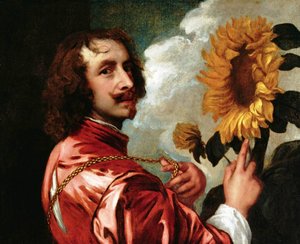
Sir Anthony van Dyck, geboren in Antwerpen in 1599, kwam op als een van de meest gerespecteerde en invloedrijke portretkunstenaars van het Barokke tijdperk. Zijn leven, tragisch afgesneden bij slechts veertig-drie jaar oud, was een razendsnel spiraal van artistieke exploratie en prestigieuze opdrachten die hem van zijn thuisland Vlaanderen naar Italië en uiteindelijk naar het hart van de Engelse hofhouding voerden. Vanaf jonge leeftijd toonde Van Dyck een buitengewone talent, waarbij hij zich vroeg in dienst trad bij Hendrick van Balen’s werkplaats en snel de heersende stijlen van die tijd opving. Echter, zijn associatie met Peter Paul Rubens – niet alleen als leerling, maar ook als collaborateur – vormde daadwerkelijk de basis voor zijn artistieke fundament. Hij leerde van Rubens’ dynamische composities, rijke kleurenpaletten en meesterlijke behandeling van licht en schaduw, maar Van Dyck begon al snel zijn eigen, onderscheidende pad te volgen, gekenmerkt door elegantie en verfijning die zijn kenmerk zouden worden.Italiaanse Zwerftochten en de Ontstaan van een Stijl
De jaren die Van Dyck in Italië doorbracht, beginnend rond 1621, bleken cruciaal voor zijn artistieke ontwikkeling. Hij woonde voornamelijk in Genua, waar hij de gunst won van de families van de stad. Hier begon hij een verfijnde stijl te cultiveren waaraan hij bekend zou staan – een stijl gekenmerkt door gracieuze poses, luxueuze stoffen en een bijna tastbare sfeer van adel. In tegenstelling tot de dynamische energie die vaak in Rubens’ werk te vinden is, straalt Van Dyck’s Italiaanse portretten een verfijnde componement uit, waarbij niet alleen fysieke gelijkenis, maar ook het innerlijke karakter en de sociale status van zijn onderwerpen worden vastgelegd. Tijdens deze periode begon hij ook aan zijn *Iconografie*, een reeks nauwkeurig weergegeven portretgravures die prominente figuren uit zijn tijd toonden – kunstenaars, geleerden en heersers. Dit project toonde zijn uitzonderlijke technische vaardigheid en vestigde hem als een toonaangevende gravuremaker. Deze gravures waren niet alleen records; ze waren zorgvuldig geconstrueerde beelden ontworpen om de onderwerpen te eren en hun status en intelligentie over te brengen.De Koning’s Schilder: Van Dyck in Engeland
In 1632 kreeg Van Dyck een uitnodiging die zijn carrière voor altijd zou veranderen – een oproep van Charles I van Engeland om de hofschilder aan te treden. Deze benoeming markeerde een keerpunt, niet alleen voor Van Dyck, maar ook voor de Engelse portretkunst. Hij arriveerde in Londen met een aanzienlijke reputatie en werd snel onmisbaar voor de koning, belast met het creëren van beelden die een aura van macht, majesteit en goddelijke recht projecteerden. Van Dyck’s portretten van Charles I zijn bijzonder opmerkelijk; hij veranderde de stijve, formele representaties die eerder door kunstenaars werden gebruikt, in dynamische, charismatische beelden van de koning. Hij gebruikte innovatieve technieken – dramatisch licht, uitwaaiende gebaren en zorgvuldig gekozen achtergronden – om beelden te creëren die zowel visueel indrukwekkend als politiek geladen waren. Zijn invloed strekte zich uit over de hele adel van Engeland, vormde de visuele cultuur van het land voor generaties lang. Hij schilderde niet alleen portretten; hij construeerde een beeld van koninklijkheid, waardoor de manier waarop koningen werden gezien werd beïnvloed gedurende meer dan een eeuw.Invloeden en Een Erfgoed
Van Dyck’s vroege overlijden in 1641 trok een uitzonderlijke talent weg van de kunstwereld, maar zijn nalatenschap leeft tot op de dag van vandaag voort. Zijn impact op de Engelse portretkunst is onmiskenbaar; hij vestigde een standaard van elegantie en verfijning die toekomstige kunstenaars streefden om na te streven.- Technische Innovatie: Hij was een meester in zowel olieverf als gravure, voortdurend experimenterend met nieuwe technieken.
- Stijlvolle Verfijning: Zijn portretten worden gekenmerkt door hun gracieuze poses, luxueuze stoffen en subtiele psychologische inzichten.
- Hofinvloed: Hij transformeerde het beeld van de Engelse monarchie, waardoor een visuele taal van macht en prestige werd gecreëerd.
Antoon van Dyck
1599 - 1641 , België
Snelle feiten
- Artistic Movement Or Style: Barokke schilderkunst
- Artists Or Movements Influenced By This Artist: ['Engels portretschilderij']
- Artists Who Influenced This Artist: ['Peter Paul Rubens']
- Date Of Birth: 22 maart 1599
- Date Of Death: 9 december 1641
- Full Name: Sir Anthony van Dyck
- Nationality: Vlaams
- Notable Artworks:
- Portret van een man
- Equestriërportret van Charles I
- Place Of Birth: Antwerpen, België
Gerelateerde artikelen

Top 10 Nederlandse Barok Meesterwerken: Kunstgeschiedenis voor uw Interieur
Ontdek de 10 meest iconische meesterwerken van de Nederlandse Barok! Leer over Rembrandt, Vermeer en andere Hollandse meesters. Prachtige reproducties voor uw interieur op OriginalUniqueArt.com – museumkwaliteit kunstprints & decoratie.
Sir Anthony van Dyck: Courtly Portraiture & the Shaping of Baroque Identity
Explore the life & legacy of Sir Anthony van Dyck, the leading court painter of his era. Discover his innovative portraiture, Baroque masterpieces, and investment potential for discerning collectors. Learn more at OriginalUniqueArt.
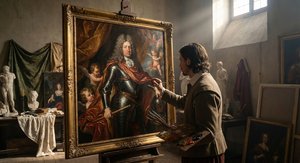
The Grandeur of Baroque Portraiture: Power, Emotion & Artistic Innovation
Explore the grandeur of Baroque portraiture! Discover Rubens, Van Dyck & the masters of 17th-century art. Uncover symbolism, techniques & lasting influence. Expert insights for collectors and enthusiasts.

Rembrandt's Meesterwerken: De Top 25 – Kunst voor uw Interieur | OriginalUniqueArt
Ontdek de 25 meest iconische schilderijen van Rembrandt van Rijn! Duik in de Gouden Eeuw, bewonder zijn portretten & zelfportretten. Museumkwaliteit reproducties voor uw interieur op OriginalUniqueArt.com. Bekijk de collectie!

Top 10 Barok Meesterwerken: Kunstgeschiedenis voor uw Interieur | OriginalUniqueArt.nl
Ontdek de 10 meest iconische Barok meesterwerken van Caravaggio, Rembrandt & Rubens! Duik in de geschiedenis en passie achter deze klassieke schilderijen. Vind museumkwaliteit reproducties voor uw interieur op OriginalUniqueArt.com.