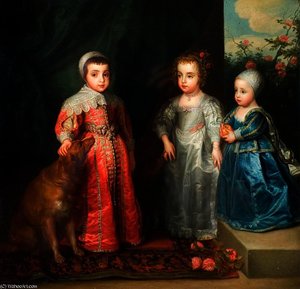
Voorvertoning
 Verstuur
 Delen
Delen
 Details bekijken
 Gids
Gids

 Download
 Vergelijkbare items
 Röntgenonderzoek
 Diavoorstelling
 Statistieken
Deux têtes d
 Oil
Oil- WallArt
- Baroque
 1650
1650 5.0 x 61.0 cm
 Musée des Beaux-Arts de Lyon
 Lees meer
Handgemaakte olieverfreproductie
Met de hand geschilderd in olieverf op canvas in uw gewenste maat en lijst, op bestelling gemaakt door onze kunstenaars. ( Schakel over naar print Schakel over naar digitale afbeeldingen)




P118B €10

P118H €10

P118W €10

P438Z €10

P508JH €12

P508YH €12

P805H €10

P805Z €10

P919BZ €10

P919G €10

P919XJ €10

P959ZH €10

P968JZ €12

W106C €8

W218G €10

W218JH €8

W218Y €10

W307PJ €10

W316G €10

W316PJ €8

W316Y €10

W398PJ €8

W4111J €10

W500HY €15

W500JH €15

W692G €12

W849H €8

W940BG €15

W953PJ €8




Kies uit onze vooraf ingestelde maten die overeenkomen met de originele verhoudingen van het kunstwerk.

Voer de breedte en hoogte in die u nodig heeft, passend bij uw lijst of uw muur. Omdat dit handgeschilderd is, kan de kunstenaar bij een afmeting met een andere beeldverhouding iets meer rondom het schilderij schilderen of juist iets meer weglaten — u kiest zelf. Wij sturen u een digitaal mockup ter goedkeuring voordat het schilderwerk begint. De afbeelding die op deze pagina wordt getoond, is niet het uiteindelijke resultaat — alleen de mockup geeft dit weer.
Na de bestelling zal het team van OriginalUniqueArt.com per e-mail contact opnemen met de klant voor instructies en een mockup-voorbeeld sturen.
Wereldwijde levering () binnen 3 tot 4 weken in plaats van de standaard 5 weken. (26 oktober). Zonder concessies aan de kwaliteit.

Gratis wereldwijde expressverzending

Hoogwaardig linnen canvas

Volledige verzendverzekering

Garantie op terugbetaling van invoerrechten

Garantie op exacte kleurweergave

Retourbeleid van 100 dagen (alleen bij defecten)

100% Geld-terug-garantie

Korting bij meerdere afnames
 De optie voor glas is alleen beschikbaar bij een formaat kleiner dan 110 cm.

Deux têtes d
Druktechniek
Afmetingen reproductie
-


Eindtotaal
€ 263
A Portrait of Shared Intensity: Exploring Van Dyck’s “Deux têtes d”
Sir Anthony van Dyck's "Deux têtes d" – literally, “Two Heads” – is not merely a painting; it’s an arresting tableau of psychological depth and subtle drama. Completed in 1650, this double portrait transcends the conventional formality of courtly portraiture, offering instead a glimpse into a complex exchange between two figures shrouded in shadow and suggestion. The work immediately commands attention with its unusual composition: two male heads, rendered with Van Dyck’s signature meticulous detail and masterful use of light, are presented side-by-side within a dark, almost claustrophobic space. The faces themselves are not overtly expressive – there's no boisterous laughter or triumphant gaze – but rather convey an undercurrent of contemplation, perhaps even unease. The artist’s skill lies in the way he uses darkness and light to create a sense of intimacy and shared experience, inviting the viewer to become an active participant in deciphering the unspoken narrative.
The Master at Work: Technique and Style
Van Dyck's technique is instantly recognizable. He employs a loose, almost impasto application of paint, particularly noticeable in the rendering of the hair and beards – textures that seem to practically leap off the canvas. The use of chiaroscuro—the dramatic contrast between light and dark—is exceptionally sophisticated here. The figures are bathed in a soft, diffused light emanating from an unseen source, while the background plunges into deep shadow, intensifying the sense of intimacy and drawing focus entirely onto the faces. This technique wasn’t simply aesthetic; it was integral to Van Dyck's approach to portraiture. He sought not just to capture likeness but also to convey character—the mood, temperament, and even the inner life of his subjects. The subtle variations in tone and texture across each face contribute significantly to this effect, revealing a remarkable sensitivity to human expression.
Historical Context: Courtly Intrigue and Artistic Influence
"Deux têtes d" was painted during a pivotal period in Van Dyck’s career. Having established himself as the leading court painter for Charles I of England, he was deeply immersed in the world of aristocratic patronage. The painting reflects this environment – it's not a grand, celebratory portrait but rather something more intimate and psychologically probing. It’s believed that the subjects were likely members of the English nobility, possibly connected to a complex web of courtly alliances and rivalries. Van Dyck was heavily influenced by the Italian Renaissance masters, particularly Titian and Raphael, evident in his masterful use of color, composition, and anatomical accuracy. However, he skillfully adapted these influences to create a distinctly personal style—one characterized by elegance, grace, and an unparalleled ability to capture the nuances of human emotion.
Symbolism and Interpretation: A Dialogue Unspoken
The true meaning of “Deux têtes d” remains open to interpretation, adding to its enduring appeal. The positioning of the heads – close together, almost touching – suggests a profound connection between the two figures, yet their averted gazes hint at an unspoken tension or perhaps even a concealed disagreement. Some art historians speculate that the painting represents a philosophical debate, a discussion about morality, politics, or simply the nature of human existence. The shadows enveloping them could symbolize hidden secrets or unresolved conflicts. The lack of explicit narrative allows viewers to project their own interpretations onto the scene, transforming it into a mirror reflecting our own anxieties and desires. It’s this ambiguity—this refusal to offer easy answers—that makes “Deux têtes d” such a compelling and thought-provoking work of art.
The painting's enduring power lies in its ability to evoke a sense of mystery and invite contemplation. Reproductions, meticulously crafted to capture the original’s atmospheric depth and nuanced details, offer a remarkable opportunity to experience Van Dyck’s genius firsthand. Whether displayed as a centerpiece in a grand salon or a subtle addition to a more intimate space, “Deux têtes d” continues to captivate viewers with its arresting composition, masterful technique, and profound psychological insight.
Veelgestelde vragen
Is er een factsheet over "Deux têtes d" door Antoon van Dyck voor studenten?
Er is een Informatieblad pagina beschikbaar voor "Deux têtes d" door Antoon van Dyck: een printbaar informatieblad over het kunstwerk, ontworpen voor studenten en gebruik in de klas.
Waar kan ik het originele werk "Deux têtes d" door Antoon van Dyck bewonderen?
Het originele "Deux têtes d" door Antoon van Dyck wordt bewaard in Musée des Beaux-Arts de Lyon, Lyon, Frankrijk. Een reproductie maakt het mogelijk om het werk thuis tentoon te stellen.
Is Antoon van Dyck, maker van "Deux têtes d", bekend onder andere namen?
Antoon van Dyck staat ook bekend onder de namen Anthony van Dyck, Anthonie van Dyck, Anton van Dyck.
Biografie kunstenaar
Een Vlaamse Meester aan de Courtains van Europa
Sir Anthony van Dyck, geboren in Antwerpen in 1599, kwam op als een van de meest gerespecteerde en invloedrijke portretkunstenaars van het Barokke tijdperk. Zijn leven, tragisch afgesneden bij slechts veertig-drie jaar oud, was een razendsnel spiraal van artistieke exploratie en prestigieuze opdrachten die hem van zijn thuisland Vlaanderen naar Italië en uiteindelijk naar het hart van de Engelse hofhouding voerden. Vanaf jonge leeftijd toonde Van Dyck een buitengewone talent, waarbij hij zich vroeg in dienst trad bij Hendrick van Balen’s werkplaats en snel de heersende stijlen van die tijd opving. Echter, zijn associatie met Peter Paul Rubens – niet alleen als leerling, maar ook als collaborateur – vormde daadwerkelijk de basis voor zijn artistieke fundament. Hij leerde van Rubens’ dynamische composities, rijke kleurenpaletten en meesterlijke behandeling van licht en schaduw, maar Van Dyck begon al snel zijn eigen, onderscheidende pad te volgen, gekenmerkt door elegantie en verfijning die zijn kenmerk zouden worden.Italiaanse Zwerftochten en de Ontstaan van een Stijl
De jaren die Van Dyck in Italië doorbracht, beginnend rond 1621, bleken cruciaal voor zijn artistieke ontwikkeling. Hij woonde voornamelijk in Genua, waar hij de gunst won van de families van de stad. Hier begon hij een verfijnde stijl te cultiveren waaraan hij bekend zou staan – een stijl gekenmerkt door gracieuze poses, luxueuze stoffen en een bijna tastbare sfeer van adel. In tegenstelling tot de dynamische energie die vaak in Rubens’ werk te vinden is, straalt Van Dyck’s Italiaanse portretten een verfijnde componement uit, waarbij niet alleen fysieke gelijkenis, maar ook het innerlijke karakter en de sociale status van zijn onderwerpen worden vastgelegd. Tijdens deze periode begon hij ook aan zijn *Iconografie*, een reeks nauwkeurig weergegeven portretgravures die prominente figuren uit zijn tijd toonden – kunstenaars, geleerden en heersers. Dit project toonde zijn uitzonderlijke technische vaardigheid en vestigde hem als een toonaangevende gravuremaker. Deze gravures waren niet alleen records; ze waren zorgvuldig geconstrueerde beelden ontworpen om de onderwerpen te eren en hun status en intelligentie over te brengen.De Koning’s Schilder: Van Dyck in Engeland
In 1632 kreeg Van Dyck een uitnodiging die zijn carrière voor altijd zou veranderen – een oproep van Charles I van Engeland om de hofschilder aan te treden. Deze benoeming markeerde een keerpunt, niet alleen voor Van Dyck, maar ook voor de Engelse portretkunst. Hij arriveerde in Londen met een aanzienlijke reputatie en werd snel onmisbaar voor de koning, belast met het creëren van beelden die een aura van macht, majesteit en goddelijke recht projecteerden. Van Dyck’s portretten van Charles I zijn bijzonder opmerkelijk; hij veranderde de stijve, formele representaties die eerder door kunstenaars werden gebruikt, in dynamische, charismatische beelden van de koning. Hij gebruikte innovatieve technieken – dramatisch licht, uitwaaiende gebaren en zorgvuldig gekozen achtergronden – om beelden te creëren die zowel visueel indrukwekkend als politiek geladen waren. Zijn invloed strekte zich uit over de hele adel van Engeland, vormde de visuele cultuur van het land voor generaties lang. Hij schilderde niet alleen portretten; hij construeerde een beeld van koninklijkheid, waardoor de manier waarop koningen werden gezien werd beïnvloed gedurende meer dan een eeuw.Invloeden en Een Erfgoed
Van Dyck’s vroege overlijden in 1641 trok een uitzonderlijke talent weg van de kunstwereld, maar zijn nalatenschap leeft tot op de dag van vandaag voort. Zijn impact op de Engelse portretkunst is onmiskenbaar; hij vestigde een standaard van elegantie en verfijning die toekomstige kunstenaars streefden om na te streven.- Technische Innovatie: Hij was een meester in zowel olieverf als gravure, voortdurend experimenterend met nieuwe technieken.
- Stijlvolle Verfijning: Zijn portretten worden gekenmerkt door hun gracieuze poses, luxueuze stoffen en subtiele psychologische inzichten.
- Hofinvloed: Hij transformeerde het beeld van de Engelse monarchie, waardoor een visuele taal van macht en prestige werd gecreëerd.
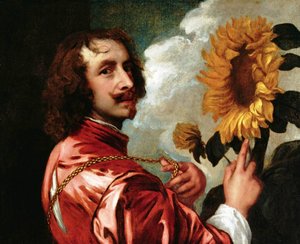
Antoon van Dyck
1599 - 1641 , België
Belangrijkste feiten
- Artistic Movement Or Style: Barokke schilderkunst
- Artists Or Movements Influenced By This Artist: ['Engels portretschilderij']
- Artists Who Influenced This Artist: ['Peter Paul Rubens']
- Date Of Birth: 22 maart 1599
- Date Of Death: 9 december 1641
- Full Name: Sir Anthony van Dyck
- Nationality: Vlaams
- Notable Artworks:
- Portret van een man
- Equestriërportret van Charles I
- Place Of Birth: Antwerpen, België
Gerelateerde artikelen

Rembrandt's Meesterwerken: De Top 25 – Kunst voor uw Interieur | OriginalUniqueArt
Ontdek de 25 meest iconische schilderijen van Rembrandt van Rijn! Duik in de Gouden Eeuw, bewonder zijn portretten & zelfportretten. Museumkwaliteit reproducties voor uw interieur op OriginalUniqueArt.com. Bekijk de collectie!

Top 10 Meesterwerken van de Vroege Nederlandse Schilderkunst | OriginalUniqueArt
Ontdek de 10 meesterwerken van Jan van Eyck, Rogier van der Weyden & andere Vlaamse Primitieven. Duik in de rijke symboliek en olieverfschilderijen van de Vroege Nederlandse Schilderkunst. Vind museumkwaliteit reproducties op OriginalUniqueArt.com!
Sir Anthony van Dyck: Courtly Portraiture & the Shaping of Baroque Identity
Explore the life & legacy of Sir Anthony van Dyck, the leading court painter of his era. Discover his innovative portraiture, Baroque masterpieces, and investment potential for discerning collectors. Learn more at OriginalUniqueArt.
The Grandeur of Baroque Portraiture: Power, Emotion & Artistic Innovation
Explore the grandeur of Baroque portraiture! Discover Rubens, Van Dyck & the masters of 17th-century art. Uncover symbolism, techniques & lasting influence. Expert insights for collectors and enthusiasts.

Top 10 Barok Meesterwerken: Kunstgeschiedenis voor uw Interieur | OriginalUniqueArt.nl
Ontdek de 10 meest iconische Barok meesterwerken van Caravaggio, Rembrandt & Rubens! Duik in de geschiedenis en passie achter deze klassieke schilderijen. Vind museumkwaliteit reproducties voor uw interieur op OriginalUniqueArt.com.