 Bekijk op ware grootte
 Verstuur
 Delen
Delen
 Details bekijken
 Gids voor studentenkunstwerken

 Download
 Vergelijkbare items
 Röntgenonderzoek
 Diavoorstelling
 Statistieken
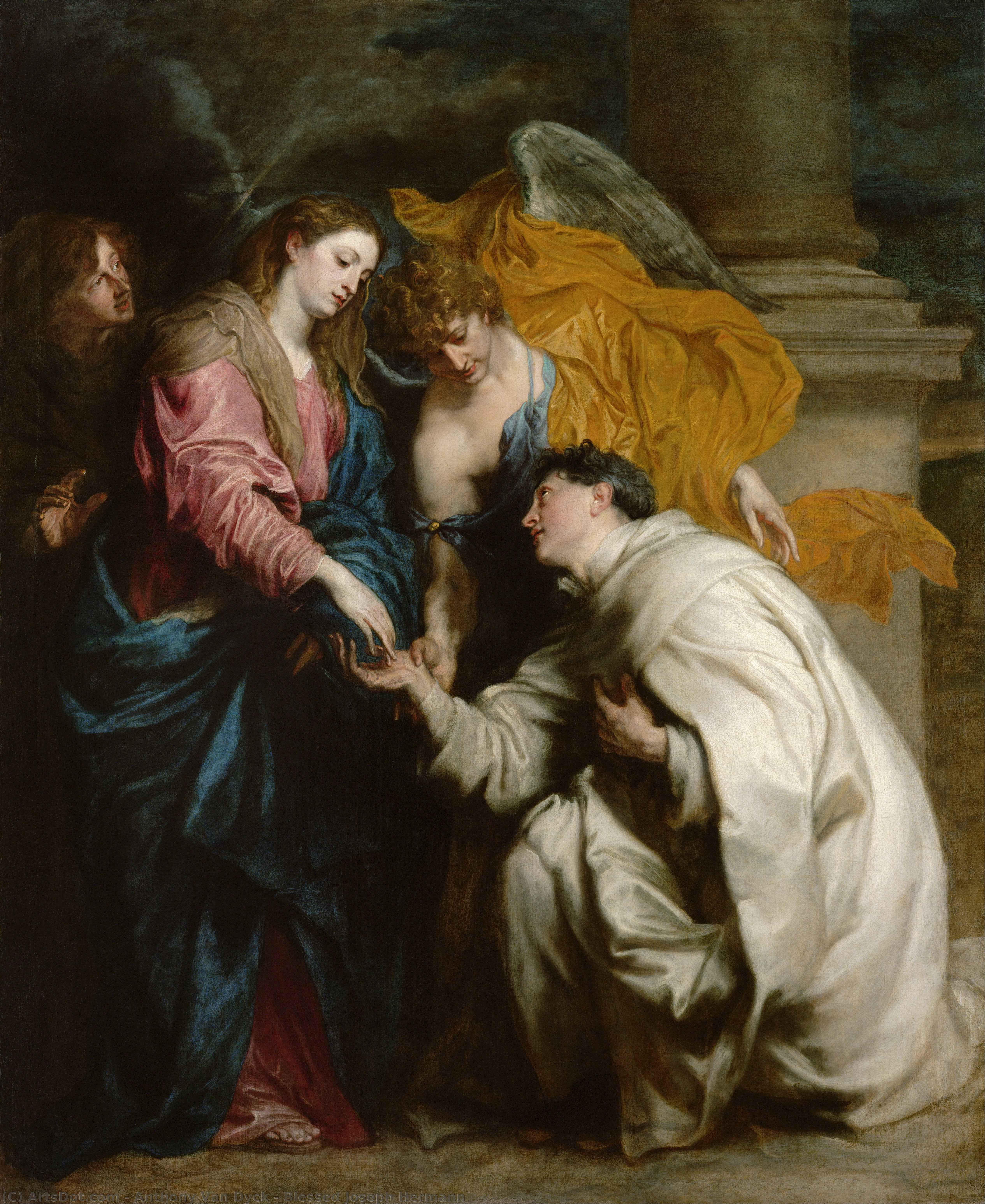
Blessed Joseph Hermann
 Acrylic On Canvas
- WallArt
- Baroque Painting
 1630
1630 160.0 x 128.0 cm
 Kunsthistorisches Museum
 Lees meer
Handgemaakte olieverfreproductie
Met de hand geschilderd in olieverf op canvas in uw gewenste maat en lijst, op bestelling gemaakt door onze kunstenaars. ( Schakel over naar print Schakel over naar digitale afbeeldingen)




P118B €10

P118H €10

P118W €10

P438Z €10

P508JH €12

P508YH €12

P805H €10

P805Z €10

P919BZ €10

P919G €10

P919XJ €10

P959ZH €10

P968JZ €12

W106C €8

W218G €10

W218JH €8

W218Y €10

W307PJ €10

W316G €10

W316PJ €8

W316Y €10

W398PJ €8

W4111J €10

W500HY €15

W500JH €15

W692G €12

W849H €8

W940BG €15

W953PJ €8




Kies uit onze vooraf ingestelde maten die overeenkomen met de originele verhoudingen van het kunstwerk.

U kunt uw eigen afmetingen invoeren om in een specifieke lijst of ruimte te passen. Als de door u gekozen maat niet overeenkomt met de verhoudingen van het originele beeld, zullen we het kunstwerk bijsnijden of het schilderij uitbreiden met extra handgeschilderde elementen. Een digitale mockup wordt ter goedkeuring naar u verzonden voordat de productie begint.
Houd er rekening mee dat de preview op het scherm niet de werkelijke uitsnede of uitbreiding weergeeft. Alleen de mockup toont de uiteindelijke compositie nauwkeurig.
Hoewel aangepaste afmetingen mogelijk zijn, raden we aan een maat uit de vooraf gedefinieerde lijst te selecteren om de originele verhoudingen te behouden.
Na de bestelling zal het team van OriginalUniqueArt.com per e-mail contact opnemen met de klant voor instructies en een mockup-voorbeeld sturen.
Wereldwijde levering () binnen 3 tot 4 weken in plaats van de standaard 5 weken. (9 oktober). Zonder concessies aan de kwaliteit.

Gratis wereldwijde expressverzending

Hoogwaardig linnen canvas

Volledige verzendverzekering

Garantie op terugbetaling van invoerrechten

Garantie op exacte kleurweergave

Retourbeleid van 100 dagen (alleen bij defecten)

100% Geld-terug-garantie

Korting bij meerdere afnames
 De optie voor glas is alleen beschikbaar bij een formaat kleiner dan 110 cm.

Blessed Joseph Hermann
Reproductiemethode
Formaat reproductie
-


Totaalprijs
€ 258
A Vision of Grace: Anthony van Dyck’s “Blessed Joseph Hermann”
Anthony van Dyck's "Blessed Joseph Hermann," painted in 1630, is more than just a portrait; it’s a luminous exploration of faith, devotion, and the profound connection between humanity and the divine. This Baroque masterpiece, now meticulously reproduced on hand-painted canvas by OriginalUniqueArt.com, transports the viewer to a realm of ethereal beauty and spiritual contemplation. The painting depicts Joseph Hermann, a 13th-century Premonstratensian canon renowned for his intense mystical experiences and visions of the Virgin Mary, as he receives the name “Joseph” after a transformative encounter with her. Van Dyck masterfully captures not just the physical likeness of Hermann but also the palpable sense of reverence and otherworldly grace that permeated his life.
The composition is strikingly balanced, drawing the eye towards the central figures – a woman in rich blue robes, kneeling before an angel holding a book, and Joseph himself gazing upwards with an expression of profound humility. The use of light is particularly noteworthy; it’s diffused and soft, bathing the scene in a gentle radiance that evokes a sense of serenity and spiritual illumination. Van Dyck's signature technique—characterized by delicate brushwork, subtle color transitions, and masterful modeling of form—is on full display here. He employs chiaroscuro, the dramatic contrast between light and shadow, to heighten the emotional impact and create a three-dimensional effect that draws the viewer into the scene.
The Mystical Narrative & Symbolism
The painting’s narrative is deeply rooted in medieval hagiography – the stories of saints. Hermann's story, as recounted in accounts like those by Razo Bonvisinus, speaks to a powerful yearning for divine connection and the transformative potential of mystical experience. The woman in blue is widely interpreted as representing Mary Magdalene, a figure often associated with repentance, humility, and spiritual renewal. Her outstretched hand symbolizes offering and acceptance, while Joseph’s kneeling posture signifies submission and devotion. The angel, holding the book – traditionally the Gospels – represents divine guidance and revelation.
Beyond these central figures, subtle details contribute to the painting's rich symbolic tapestry. The bird perched in the upper left corner might represent hope or a messenger from heaven. The overall atmosphere suggests a sacred space—a moment of grace and communion between earthly man and the divine. Van Dyck’s ability to imbue such a seemingly simple scene with layers of meaning is a testament to his artistic genius.
A Court Painter's Spiritual Journey
Understanding “Blessed Joseph Hermann” within the context of Anthony van Dyck’s career provides further insight into its significance. Following his time in Italy, where he honed his skills under the tutelage of Peter Paul Rubens, Van Dyck returned to Antwerp and then, crucially, to England. His work for King James I and Charles I reflected a shift towards greater elegance and refinement, yet it also retained elements of the dramatic intensity and emotional depth that characterized his earlier work. The commission for this painting, likely by a Jesuit sodality in Antwerp, demonstrates Van Dyck’s willingness to engage with religious themes – a departure from purely secular portraiture.
Van Dyck's decision to paint Hermann, a figure revered within the Catholic Church, speaks to the enduring power of faith and the universal human desire for spiritual connection. The painting stands as a poignant reminder of the transformative potential of devotion and the beauty that can be found in moments of profound grace – qualities expertly captured by Van Dyck’s masterful hand.
Bringing “Blessed Joseph Hermann” Home
OriginalUniqueArt.com is proud to offer meticulously crafted, hand-painted reproductions of this extraordinary Baroque masterpiece. Each reproduction faithfully captures the original's luminous quality, delicate brushwork, and profound emotional depth. Whether you’re an art collector, a devotee of religious iconography, or simply seeking to infuse your home with beauty and inspiration, a OriginalUniqueArt.com reproduction of “Blessed Joseph Hermann” is a timeless addition to any space. Experience the power of this iconic painting firsthand – available in sizes ranging from 160 x 128 cm to larger formats, each meticulously crafted to preserve the integrity and splendor of Van Dyck’s original vision.
Vragen & Antwoorden
Aan welke kunstenaar wordt "Blessed Joseph Hermann" toegeschreven?
De kunstenaar achter "Blessed Joseph Hermann" is Antoon van Dyck. Het werk is gecatalogiseerd onder de naam van Antoon van Dyck.
Hoe oud was Antoon van Dyck toen "Blessed Joseph Hermann" werd gemaakt?
Antoon van Dyck was 31 jaar oud bij het creëren van "Blessed Joseph Hermann" in 1630. De leeftijd is berekend op basis van het geboortejaar van de kunstenaar, 1599.
In welk jaar werd "Blessed Joseph Hermann" door Antoon van Dyck gemaakt?
De creatie van "Blessed Joseph Hermann" door Antoon van Dyck dateert uit 1630.
Welke stemming en emotie straalt "Blessed Joseph Hermann" door Antoon van Dyck uit?
In "Blessed Joseph Hermann" gaat een Elegant stemming gepaard met een Spiritual emotie.
Wordt "Blessed Joseph Hermann" bewaard in het land van de maker?
Nee - het kunstwerk wordt in het buitenland bewaard. Het geboorteland van de kunstenaar is België en het museum waar het origineel zich bevindt, ligt in Austria.
Wat is het kleurenpalet van "Blessed Joseph Hermann" door Antoon van Dyck?
"Blessed Joseph Hermann" door Antoon van Dyck maakt gebruik van een Earthy palet, met Clay (#876c40) als dominante kleur.
Zijn er werken die lijken op "Blessed Joseph Hermann"?
Kunstwerken die lijken op "Blessed Joseph Hermann" door Antoon van Dyck zijn verzameld op de Vergelijkbare werken-pagina van het kunstwerk.
Biografie van de kunstenaar
Een Vlaamse Meester aan de Courtains van Europa
Sir Anthony van Dyck, geboren in Antwerpen in 1599, kwam op als een van de meest gerespecteerde en invloedrijke portretkunstenaars van het Barokke tijdperk. Zijn leven, tragisch afgesneden bij slechts veertig-drie jaar oud, was een razendsnel spiraal van artistieke exploratie en prestigieuze opdrachten die hem van zijn thuisland Vlaanderen naar Italië en uiteindelijk naar het hart van de Engelse hofhouding voerden. Vanaf jonge leeftijd toonde Van Dyck een buitengewone talent, waarbij hij zich vroeg in dienst trad bij Hendrick van Balen’s werkplaats en snel de heersende stijlen van die tijd opving. Echter, zijn associatie met Peter Paul Rubens – niet alleen als leerling, maar ook als collaborateur – vormde daadwerkelijk de basis voor zijn artistieke fundament. Hij leerde van Rubens’ dynamische composities, rijke kleurenpaletten en meesterlijke behandeling van licht en schaduw, maar Van Dyck begon al snel zijn eigen, onderscheidende pad te volgen, gekenmerkt door elegantie en verfijning die zijn kenmerk zouden worden.Italiaanse Zwerftochten en de Ontstaan van een Stijl
De jaren die Van Dyck in Italië doorbracht, beginnend rond 1621, bleken cruciaal voor zijn artistieke ontwikkeling. Hij woonde voornamelijk in Genua, waar hij de gunst won van de families van de stad. Hier begon hij een verfijnde stijl te cultiveren waaraan hij bekend zou staan – een stijl gekenmerkt door gracieuze poses, luxueuze stoffen en een bijna tastbare sfeer van adel. In tegenstelling tot de dynamische energie die vaak in Rubens’ werk te vinden is, straalt Van Dyck’s Italiaanse portretten een verfijnde componement uit, waarbij niet alleen fysieke gelijkenis, maar ook het innerlijke karakter en de sociale status van zijn onderwerpen worden vastgelegd. Tijdens deze periode begon hij ook aan zijn *Iconografie*, een reeks nauwkeurig weergegeven portretgravures die prominente figuren uit zijn tijd toonden – kunstenaars, geleerden en heersers. Dit project toonde zijn uitzonderlijke technische vaardigheid en vestigde hem als een toonaangevende gravuremaker. Deze gravures waren niet alleen records; ze waren zorgvuldig geconstrueerde beelden ontworpen om de onderwerpen te eren en hun status en intelligentie over te brengen.De Koning’s Schilder: Van Dyck in Engeland
In 1632 kreeg Van Dyck een uitnodiging die zijn carrière voor altijd zou veranderen – een oproep van Charles I van Engeland om de hofschilder aan te treden. Deze benoeming markeerde een keerpunt, niet alleen voor Van Dyck, maar ook voor de Engelse portretkunst. Hij arriveerde in Londen met een aanzienlijke reputatie en werd snel onmisbaar voor de koning, belast met het creëren van beelden die een aura van macht, majesteit en goddelijke recht projecteerden. Van Dyck’s portretten van Charles I zijn bijzonder opmerkelijk; hij veranderde de stijve, formele representaties die eerder door kunstenaars werden gebruikt, in dynamische, charismatische beelden van de koning. Hij gebruikte innovatieve technieken – dramatisch licht, uitwaaiende gebaren en zorgvuldig gekozen achtergronden – om beelden te creëren die zowel visueel indrukwekkend als politiek geladen waren. Zijn invloed strekte zich uit over de hele adel van Engeland, vormde de visuele cultuur van het land voor generaties lang. Hij schilderde niet alleen portretten; hij construeerde een beeld van koninklijkheid, waardoor de manier waarop koningen werden gezien werd beïnvloed gedurende meer dan een eeuw.Invloeden en Een Erfgoed
Van Dyck’s vroege overlijden in 1641 trok een uitzonderlijke talent weg van de kunstwereld, maar zijn nalatenschap leeft tot op de dag van vandaag voort. Zijn impact op de Engelse portretkunst is onmiskenbaar; hij vestigde een standaard van elegantie en verfijning die toekomstige kunstenaars streefden om na te streven.- Technische Innovatie: Hij was een meester in zowel olieverf als gravure, voortdurend experimenterend met nieuwe technieken.
- Stijlvolle Verfijning: Zijn portretten worden gekenmerkt door hun gracieuze poses, luxueuze stoffen en subtiele psychologische inzichten.
- Hofinvloed: Hij transformeerde het beeld van de Engelse monarchie, waardoor een visuele taal van macht en prestige werd gecreëerd.
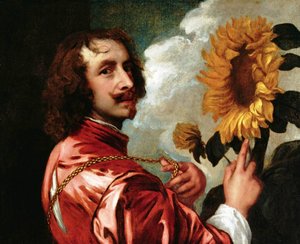
Antoon van Dyck
1599 - 1641 , België
Snelle feiten
- Artistic Movement Or Style: Barokke schilderkunst
- Artists Or Movements Influenced By This Artist: ['Engels portretschilderij']
- Artists Who Influenced This Artist: ['Peter Paul Rubens']
- Date Of Birth: 22 maart 1599
- Date Of Death: 9 december 1641
- Full Name: Sir Anthony van Dyck
- Nationality: Vlaams
- Notable Artworks:
- Portret van een man
- Equestriërportret van Charles I
- Place Of Birth: Antwerpen, België
Gerelateerde artikelen

Celestial Messengers: Angels in Painting – A Historical & Artistic Exploration
Explore the captivating history of angels in painting! Discover symbolism, iconic Renaissance & Byzantine masterpieces, and renowned artists. Expert insights for art lovers & collectors at OriginalUniqueArt.
Sir Anthony van Dyck: Courtly Portraiture & the Shaping of Baroque Identity
Explore the life & legacy of Sir Anthony van Dyck, the leading court painter of his era. Discover his innovative portraiture, Baroque masterpieces, and investment potential for discerning collectors. Learn more at OriginalUniqueArt.

Rembrandt's Meesterwerken: De Top 25 – Kunst voor uw Interieur | OriginalUniqueArt
Ontdek de 25 meest iconische schilderijen van Rembrandt van Rijn! Duik in de Gouden Eeuw, bewonder zijn portretten & zelfportretten. Museumkwaliteit reproducties voor uw interieur op OriginalUniqueArt.com. Bekijk de collectie!

The Dramatic Flourish: Exploring the Baroque Movement's Enduring Legacy in Art History
Explore the dramatic world of Baroque art! Discover iconic artists like Caravaggio & Rubens, defining techniques, and its lasting impact on art history. Expert insights for collectors & enthusiasts at OriginalUniqueArt.

Celestial Messengers: A Comprehensive Exploration of Angelic Representation in Art History
Explore the captivating history of angels in art! Discover symbolism, iconic Renaissance masterpieces & renowned artists. Expert insights for art lovers & collectors at OriginalUniqueArt.