 Voorvertoning
 Verstuur
 Delen
Delen
 Details bekijken

 Download
 Vergelijkbare items
 Röntgenonderzoek
 Diavoorstelling
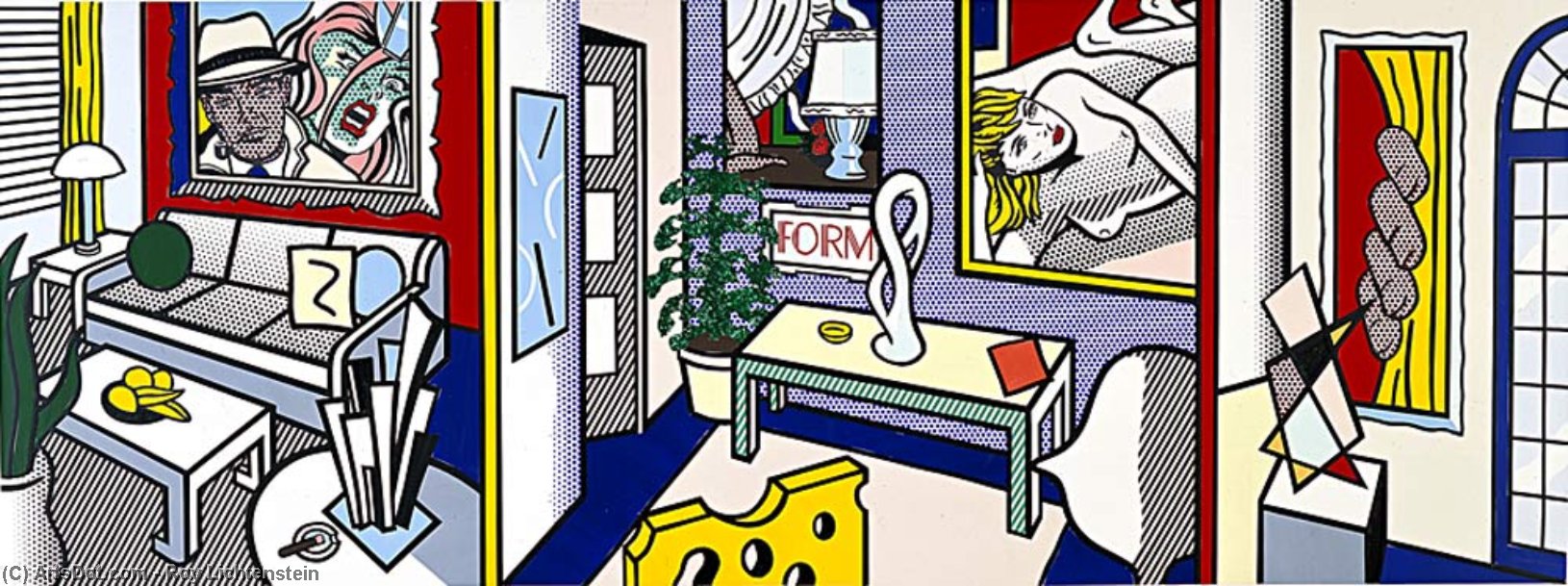
Large Interior with Three Reflections


 Lees meer
Giclée / Kunstafdrukken
Giclée- of canvasafdruk van museumkwaliteit met een snelle productie en flexibele afwerkingsmogelijkheden. ( Bestel handgeschilderde reproductie Koop afbeelding)




P118B $10

P118H $10

P118W $10

P438Z $10

P508JH $12

P508YH $12

P805H $10

P805Z $10

P919BZ $10

P919G $10

P919XJ $10

P959ZH $10

P968JZ $12

W106C $8

W218G $10

W218JH $8

W218Y $10

W307PJ $10

W316G $10

W316PJ $8

W316Y $10

W398PJ $8

W4111J $10

W500HY $15

W500JH $15

W692G $12

W849H $8

W940BG $15

W953PJ $8




Kies uit onze vooraf ingestelde maten die overeenkomen met de originele verhoudingen van het kunstwerk.

U kunt uw eigen afmetingen opgeven om in een specifieke lijst of ruimte te passen. Als de door u gekozen maat niet overeenkomt met de proporties van het originele kunstwerk, zullen wij de afbeelding bijsnijden of uitbreiden met een gespiegelde of effen rand. Een digitaal mockup wordt ter goedkeuring naar u verzonden voordat de productie begint.
Houd er rekening mee dat de preview op het scherm de werkelijke bijsneding of uitbreiding niet weergeeft. Alleen de mockup toont de uiteindelijke compositie nauwkeurig.
Hoewel aangepaste maten beschikbaar zijn, raden wij aan een afmeting uit de vooraf bepaalde lijst te kiezen om de originele proporties te behouden.
Wereldwijde levering () binnen 2 weken in plaats van de standaard 4/5 weken. (15 augustus)

Gratis wereldwijde expressverzending

Hoogwaardig linnen canvas

Volledige verzendverzekering

Garantie op terugbetaling van invoerrechten

Garantie op exacte kleurweergave

Retourbeleid van 60 dagen (alleen bij defecten)

100% Geld-terug-garantie

Korting bij meerdere afnames
 De optie voor glas is alleen beschikbaar bij een formaat kleiner dan 110 cm.

Large Interior with Three Reflections
Giclée / Kunstafdrukken
Afmetingen reproductie
-


Eindtotaal
$ 81
Beschrijving verzamelobject
A Symphony of Pop and Precision
In the vast landscape of twentieth-century art, few names command as much immediate recognition as Roy Lichtenstein, and few works capture his late-career mastery quite like Large Interior with Three Reflections. Completed in 1993, this monumental piece serves as a breathtaking window into a world where the boundaries between high art and mass media dissolve. At first glance, the viewer is greeted by a domestic scene—a dining room bathed in an almost cinematic light—yet there is an underlying tension that pulls the observer deeper into its stylized reality. It is not merely a depiction of a room; it is a profound meditation on how we perceive the world through the lens of modern imagery.
The composition invites us to wander through a lively, social atmosphere. We see figures engaged in quiet moments of connection, surrounded by the greenery of potted plants and the domestic elegance of vases and bowls. Yet, Lichtenstein transcends simple realism. Through his signature use of Ben-Day dots—that iconic printing technique used in mid-century comic strips—he imbues the canvas with a textured, vibrating energy. This method creates a fascinating illusion: while the subject matter feels static and composed, the surface itself seems to pulse with a rhythmic, mechanical vitality, mirroring the very dynamism of the pop culture that inspired it.
The Art of Controlled Emotion
For the discerning collector or interior designer, the technical brilliance of this work offers endless layers of fascination. Lichtenstein’s approach in this late masterpiece is characterized by an extraordinary level of control and a meticulously calibrated color palette. He utilizes bold, primary hues—vibrant reds, deep blues, and sunny yellows—to anchor the composition, ensuring that each element holds its own against the larger scale of the work. The artist’s command over perspective is particularly evident in the way he renders reflections on various surfaces within the room. These subtle optical effects add a layer of complexity, challenging the eye to distinguish between what is solid and what is merely a shimmering projection.
Unlike the raw, emotional outbursts found in Expressionism, Large Interior with Three Reflections achieves its impact through clarity and precision. There is a certain intellectual coolness to the work, a deliberate rejection of the "hand of the artist" in favor of a clean, graphic aesthetic that feels both modern and timeless. This makes the piece an exceptional choice for contemporary spaces, where its bold lines and structured color can serve as a sophisticated focal point, anchoring a room with a sense of historical importance and avant-garde flair.
A Legacy of Visual Language
To stand before a reproduction of this work is to engage with the history of the Pop Art movement itself. Lichtenstein was a visionary who saw beauty in the commonplace, transforming the aesthetics of advertising and sequential art into something worthy of the grandest galleries. In Large Interior with Three Reflections, we see the culmination of a lifetime spent interrogating the visual language of the modern age. The painting does not just decorate a space; it transforms it, bringing with it an atmosphere of intellectual curiosity and vibrant energy.
Whether you are an art historian tracing the evolution of the 1990s art scene or a decorator seeking to infuse a room with a bold, iconic statement, this work offers a unique opportunity. It is a piece that rewards repeated viewing, revealing new details in its reflections and new depths in its dots each time the light hits it. Owning a high-quality reproduction of such a significant work allows one to live alongside a masterpiece of pop culture, celebrating the enduring power of Lichtenstein’s brilliant, structured, and deeply captivating vision.
Biografie van de kunstenaar
The Genesis of a Pop Visionary
Roy Fox Lichtenstein, geboren in de levendige metropool New York City op 27 oktober 1923, veranderde fundamenteel het landschap van de twintigste-eeuwse kunst. Als een sleutelfiguur binnen de Pop Art beweging, onderzocht hij niet alleen zijn tijd; hij daagde deze actief uit, door alledaagse beelden om te vormen tot overtuigende artistieke verklaringen. Zijn opvoeding in een welgestelde Joodse familie in New York bevorderde zowel cultureel bewustzijn als een vroeg artistiek verlangen. Vroege blootstelling aan musea en concerten, gecombineerd met een diepe waardering voor jazzmuziek, legden de basis voor een creatieve geest die traditionele opvattingen over fijne kunst uitdaagde. Hoewel hij aanvankelijk werd aangetrokken tot realistisch tekenen en schilderen tijdens zijn jeugdige jaren, begon Lichtenstein’s formele opleiding in 1939 bij de Art Students League in New York onder Reginald Marsh, gevolgd door studies aan Ohio State University – kort onderbroken door militaire dienst tijdens de oorlog. Deze ervaringen boden een stevig technisch fundament dat later briljant werd hercontextualiseerd door de lens van massacultuur en commerciële esthetiek. De zaden van zijn kenmerkende stijl werden niet gesmeed in de heilige hallen van artistische traditie, maar eerder in de vaak over het hoofd geziene wereld van alledaagse beelden, met name stripboeken en reclame.Van Abstractie naar Appropriatie: Een Cruciaal Verloop
Lichtenstein’s vroege werk toonde een duidelijke betrokkenheid bij Abstract Expressionisme, weerspiegelend de dominante esthetische trends van het post-oorlogse tijdperk. Echter, deze fase bleek transitief, een tussenstap naar zijn revolutionaire stijl. Een cruciale gebeurtenis vond plaats tijdens zijn verblijf aan Rutgers University, waar hij ontmoette Allan Kaprow, wiens invloed Lichtenstein’s hernieuwde interesse in proto-pop beelden herwakkerde. Deze ontmoeting leidde tot een fundamentele verschuiving in zijn artistieke traject, waardoor hij de gevestigde grenzen tussen “hoog” en “laag” kunst begon te betwisten. Hij begon verder te kijken dan subjectieve expressie binnen Abstract Expressionisme, naar de objectieve taal van populaire cultuur – met name stripboeken en reclame. Het jaar 1961 markeerde een keerpunt met *Look Mickey*, een werk dat opvallend stripfiguren uit Disney comics overnam, wat het begin was van zijn kenmerkende stijl. Dit was geen simpele imitatie; het was een artistieke herwaardering, waardoor alledaagse beelden de status van fijne kunst kregen. Hij kopieerde strips niet simpelweg; hij creëerde ze met technieken die leken op commerciële printprocessen, een bewuste vervaging van de grenzen tussen originele kunst en massaproductie. Deze appropriatie was niet bedoeld om consumptisme onkritisch te vieren, maar eerder om zijn alomtegenwoordige invloed op de Amerikaanse samenleving te onderzoeken en traditionele artistieke hiërarchieën uit te dagen.De Taal van Ben-Day Dots en Duidelijke Lijnen
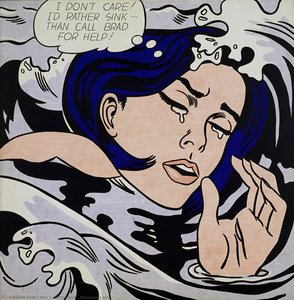
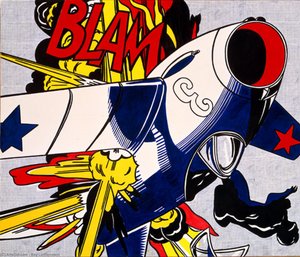
Lichtenstein’s artistieke vocabulaire is direct herkenbaar: felle, primaire kleuren, dikke zwarte lijnen en vooral de Ben-Day dots – een techniek die rechtstreeks werd overgenomen uit de mechanische reproductie van stripboeken. Deze dotten waren niet alleen decoratief; ze waren integraal aan zijn conceptuele kader. Zijn schilderijen vergrooten vaak details uit stripboeken tot monumentale schaal, waardoor kijkers geconfronteerd werden met de esthetische kwaliteiten van een kunstvorm die doorgaans als triviaal werd beschouwd. Werken zoals *Whaam!* (1963), *Drowning Girl* (1963) en *Oh, Jeff…I Love You, Too…But…* (1964) werden iconische representaties van Pop Art, die de angsten en verlangens van een snel veranderende consumptiemaatschappij vastlegden. Deze waren niet simpelweg afbeeldingen van stripboekscènes; het waren commentaar op thema’s als oorlog, romantiek en maatschappelijke verwachtingen, gefilterd door de visuele taal van massamedium. Hij streefde ernaar om elke artistieke subjectiviteit te verwijderen, zijn werk presenteerde als objectieve reflecties van de Amerikaanse samenleving – een spiegel die werd gericht op haar eigen vervaardigde realiteit. De bewuste vlakheid en het gebrek aan schilderachtige gestel benadrukten deze afstandelijkheid verder, waardoor het impersonale karakter van massaproductie werd nagebootst.Invloeden en Historische Betekenis
Roy Lichtenstein’s invloed strekt zich ver buiten de wereld van schilderkunst uit. Zijn innovatieve gebruik van commerciële technieken en appropriatie legden de weg vrij voor nieuwe generaties kunstenaars die onderzoek deden naar thema's als consumptisme, media-satelliet en culturele identiteit. De verkoop van *Masterpiece* in 2017 voor $165 miljoen bevestigde zijn positie als een van de meest succesvolle Amerikaanse kunstenaars aller tijden, maar zijn nalatenschap wordt niet alleen gedefinieerd door monetaire waarde. Hij daagde traditionele opvattingen over artistieke auteurschap en originaliteit uit, waardoor een herziening werd vereist van wat “kunst” zelf is. Zijn werk inspireert nog steeds graphic designers, illustratoren en visuele kunstenaars in verschillende disciplines.- Belangrijkste prestaties: Pionier in de Pop Art stijl; bereikte internationale erkenning met baanbrekende tentoonstellingen.
- Bekende werken: *Whaam!*, *Drowning Girl*, *Oh, Jeff…I Love You, Too…But…*, *Masterpiece*.
- Ondermeesterschap: Beïnvloedde opkomende kunstenaars aan SUNY Oswego en Rutgers University.

Roy Lichtenstein
1923 - 1997 , Verenigde Staten van Amerika
Belangrijkste feiten
- Artistic Movement Or Style: Pop Art
- Artists Or Movements Influenced By This Artist: ['Abstract Expressionism']
- Artists Who Influenced This Artist:
- Reginald Marsh
- Allan Kaprow
- Date Of Birth: 27 okt 1923
- Date Of Death: 29 sep 1997
- Full Name: Roy Fox Lichtenstein
- Nationality: Amerikaans
- Notable Artworks:
- Whaam!
- Drowning Girl
- Oh, Jeff…
- Place Of Birth: New York City, USA
Gerelateerde artikelen
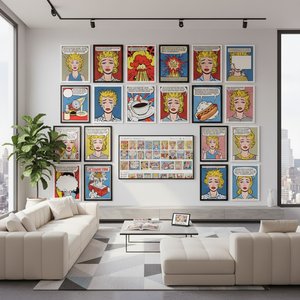
Roy Lichtenstein's Top 25 Meesterwerken: Pop Art voor uw Interieur | OriginalUniqueArt
Ontdek de 25 meest iconische werken van Roy Lichtenstein! Duik in de wereld van Pop Art, stripkunst & Ben-Day dots. Vind museumkwaliteit reproducties en inspiratie voor uw interieurdecoratie op OriginalUniqueArt.com.
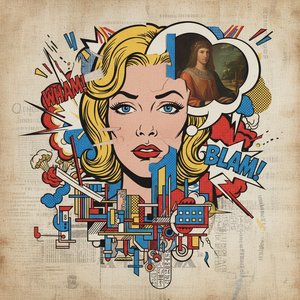
Beyond the Ben-Day Dots: Roy Lichtenstein's Pop Art Revolution & Enduring Legacy
Explore Roy Lichtenstein's revolutionary Pop Art! Discover the story behind Ben-Day dots, iconic works like 'Whaam!', and investment insights for collectors. Expert analysis & high-quality reproductions at OriginalUniqueArt.
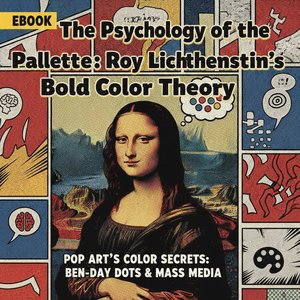
The Psychology of the Palette: Decoding Roy Lichtenstein's Bold Color Theory
Explore the psychological depth of Roy Lichtenstein's color theory. An expert analysis for art students and collectors on Ben-Day dots, primary palettes, and the intersection of Pop Art with mass media history.
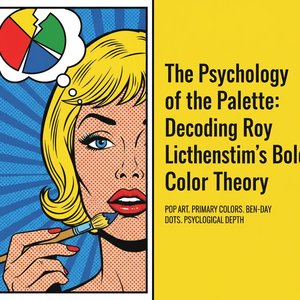
The Psychology of the Palette: Decoding Roy Lichtenstein's Bold Color Theory
Explore the profound psychological depth of Roy Lichtenstein's color theory. Discover how his use of primary colors and Ben-Day dots revolutionized modern art, transforming mass media imagery into sophisticated fine art for the discerning collector.
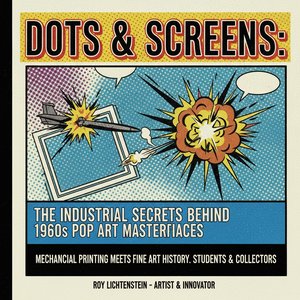
Dots & Screens: The Industrial Secrets Behind 1960s Pop Art Masterpieces
Explore the industrial secrets of 1960s Pop Art. Discover how Ben-Day dots and silk screening transformed mass media into masterpieces by Roy Lichtenstein. An in-depth look at the intersection of mechanical printing and fine art history for students and collectors.