
 Bekijk op ware grootte
 Verstuur
 Delen
Delen
 Details bekijken
 Gids voor studentenkunstwerken

 Download
 Vergelijkbare items
 Röntgenonderzoek
 Diavoorstelling
 Statistieken
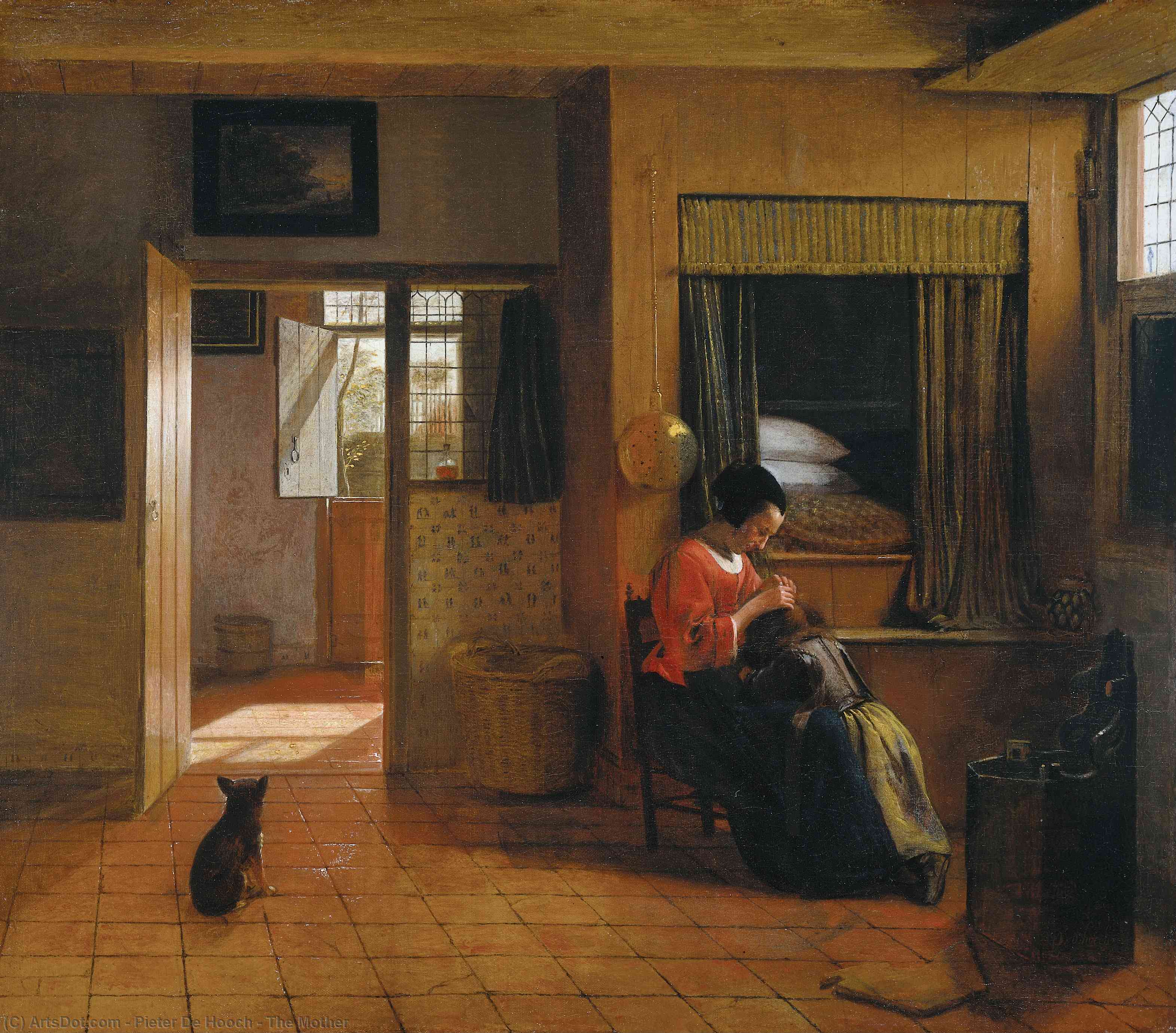
The Mother
 Oil On Canvas
- WallArt
- Dutch Golden Age
 1660
1660- Early Modern
 52.0 x 61.0 cm
 Rijksmuseum
 Lees meer
Giclée / Kunstafdrukken
Giclée- of canvasafdruk van museumkwaliteit met een snelle productie en flexibele afwerkingsmogelijkheden. ( Koop handgeschilderd kunstwerk Schakel over naar digitale afbeeldingen)




P118B $10

P118H $10

P118W $10

P438Z $10

P508JH $12

P508YH $12

P805H $10

P805Z $10

P919BZ $10

P919G $10

P919XJ $10

P959ZH $10

P968JZ $12

W106C $8

W218G $10

W218JH $8

W218Y $10

W307PJ $10

W316G $10

W316PJ $8

W316Y $10

W398PJ $8

W4111J $10

W500HY $15

W500JH $15

W692G $12

W849H $8

W940BG $15

W953PJ $8




Kies uit onze vooraf ingestelde maten die overeenkomen met de originele verhoudingen van het kunstwerk.

U kunt uw eigen afmetingen opgeven om in een specifieke lijst of ruimte te passen. Als de door u gekozen maat niet overeenkomt met de proporties van het originele kunstwerk, zullen wij de afbeelding bijsnijden of uitbreiden met een gespiegelde of effen rand. Een digitaal mockup wordt ter goedkeuring naar u verzonden voordat de productie begint.
Houd er rekening mee dat de preview op het scherm de werkelijke bijsneding of uitbreiding niet weergeeft. Alleen de mockup toont de uiteindelijke compositie nauwkeurig.
Hoewel aangepaste maten beschikbaar zijn, raden wij aan een afmeting uit de vooraf bepaalde lijst te kiezen om de originele proporties te behouden.
Wereldwijde levering () binnen 2 weken in plaats van de standaard 4/5 weken. (25 september)

Gratis wereldwijde expressverzending

Hoogwaardig linnen canvas

Volledige verzendverzekering

Garantie op terugbetaling van invoerrechten

Garantie op exacte kleurweergave

Retourbeleid van 100 dagen (alleen bij defecten)

100% Geld-terug-garantie

Korting bij meerdere afnames
 De optie voor glas is alleen beschikbaar bij een formaat kleiner dan 110 cm.

The Mother
Giclée / Kunstafdrukken
Formaat reproductie
-


Totaalprijs
$ 81
A Window Into Domestic Tranquility
Pieter de Hooch's “The Mother” (circa 1660) stands as a quintessential emblem of Dutch Golden Age artistry—a serene tableau that transcends mere representation to embody the very values and sensibilities of its era. Captured on canvas with meticulous detail, this painting transports viewers into a softly lit bedroom interior where a woman diligently attends to her child’s care. More than just a portrait, it is an exploration of motherhood, quiet contemplation, and the subtle beauty found within everyday domestic life. The scene unfolds as a tender moment of intimacy, inviting the observer to step into a world where time seems to slow, and the frantic pace of the outside world is replaced by the rhythmic, peaceful motions of household devotion.
The composition is masterfully orchestrated to guide the eye through a narrative of light and shadow. De Hooch employs a pyramidal structure, a classical technique that provides stability to the scene while directing our gaze upward toward the window. This window serves as the painting's soul, acting as a crucial element in establishing a luminous, ethereal quality. Through its frame, natural light pours into the room, illuminating the textures of the space—from the delicate thread held by the mother to the smooth surfaces of the furniture. The artist’s use of chiaroscuro—the dramatic interplay between light and dark—sculpts the forms within the room, imbuing the simple act of sewing or tending to a child with an almost sacred emotional resonance.
The Artistry of the Dutch Golden Age
To understand the brilliance of “The Mother,” one must look at the technical mastery De Hooch brought to the genre of kamergezichten, or room-views. His style is characterized by a profound attention to detail and a naturalism that makes the atmosphere feel palpable. The brushstrokes are delicately blended to create soft shadows and highlights, enhancing the sense of depth and conveying an impression of stillness. Every element in the room—the presence of a cat resting near the woman, the placement of books in the corner, and the subtle glint of light on a ceramic bowl—is rendered with a precision that celebrates the material reality of seventeenth-century Holland.
This technical prowess was not merely for show; it served to ground the painting in a recognizable, lived-in reality. For collectors and lovers of fine art, the painting offers a masterclass in how light can be used to define space and mood. The way the sunlight interacts with the interior elements creates a sense of warmth and comfort, making the artwork not just a piece to be viewed, but an environment to be experienced. It is this ability to transform the mundane into the magnificent that makes De Hooch’s work so enduringly captivating for modern interiors.
A Reflection of Social Virtue and Stability
Beyond its aesthetic beauty, “The Mother” serves as a historical mirror, reflecting the significant social transformations occurring in the Netherlands during the mid-seventeenth century. As the Dutch middle class burgeoned, so too did a new set of values centered on family life, moral virtue, and domestic stability. De Hooch’s depiction of a woman engaged in quiet, productive work within the sanctuary of her home aligns perfectly with these cultural aspirations. The inclusion of fine details, such as the Delft blue tiles adorning the walls, speaks to the pride in Dutch craftsmanship and the burgeoning prosperity of the era.
For the discerning decorator or art enthusiast, this piece offers more than just visual elegance; it provides a sense of historical continuity and emotional depth. The painting evokes a longing for the "quiet" moments—the sanctity of the home and the dignity of daily labor. Whether placed in a sunlit study or a quiet corner of a living room, a high-quality reproduction of “The Mother” brings with it an aura of peace and a sophisticated connection to the rich heritage of the Dutch masters. It is an invitation to find beauty in the ordinary and to cherish the tranquil rhythms of life.
Biografie van de kunstenaar
Pieter de Hooch - Een Gouden Eeuwse Meisterwerk
Pieter Hendricksz. de Hooch (Rotterdam, geboren op 20 november 1629 – overleden na 1684) was een Nederlandse kunstschilder die een prominente plaats inneemt in de Gouden Eeuw van de Nederlandse kunstgeschiedenis. Hij staat bekend om zijn prachtige lichtgevende afbeeldingen van huizen en binnenplaatsen, waarbij hij een bijzondere aandacht schenkt aan het gebruik van natuurlijke kleuren en lichtintensiteit. Zijn stijl wordt vaak vergeleken met die van Jan Vermeer en hij oefende een belangrijke invloed uit op latere kunstenaars.
- Geboren: Rotterdam, Nederland (1629)
- Opleiding: Haarlem onder Nicolaes Berchem
- Belangrijke Samenwerkingen: Jacob Ochtervelt
Stijl en Thema’s
De Hooch's kunst wordt gekenmerkt door een ongeëvenaarde aandacht voor detail, natuurlijke kleuren en lichtintensiteit. Hij gebruikte vaak het *doorkirkjie*-techniek, waarbij hij een kijkje naar de buitenwereld binnenbracht in zijn huizeninterieurs. Deze techniek zorgde ervoor dat zijn schilderijen niet alleen een prachtige weergave waren van het huiselijke leven maar ook een gevoel voor ruimte en perspectief konden oproepen dat ongeëvenaard was.
- Kenmerken: Lichtgevende kleuren, natuurlijke perspectieven
- Techniek: Doorkirkjie-techniek
- Thema’s: Huizeninterieurs, familieleven
Bekende Werken
Een aantal van zijn meest bekende werken omvat:
- De Leeg Glas (c. 1658): Een huiskamer scène waarin een dronken militair een lege glas aanwijst aan een barmaid
- Een vrouw met een kind in een huiskamer (1658): Een intieme afbeelding van een moeder en dochter die zich in een warme huiskamer bevinden
- De Tuin van een Huise
- Een Soldatenfamilie (1660)
Deze werken zijn gekenmerkt door een prachtige lichtintensiteit en een zorgvuldige aandacht voor detail, waardoor ze een gevoel voor ruimte en perspectief oproepen dat ongeëvenaard is.
Invloed en Erfgoed
De Hooch wordt beschouwd als een pionier van het genre schilderen en hij oefende een belangrijke invloed uit op zijn tijdgenoten. Zijn stijl werd gekopieerd door vele kunstenaars en hij staat bekend om zijn prachtige lichtgevende afbeeldingen van huizen en binnenplaatsen, waarbij hij een bijzondere aandacht schenkt aan het gebruik van natuurlijke kleuren en lichtintensiteit. Hij wordt vaak gezien als een voorloper van de Nederlandse Impressionisme.
- Voorlopers: Jacob Ochtervelt
- Stijl: Een stijl die werd gekopieerd door vele kunstenaars
- Erfgoed: Een belangrijke invloed op het Nederlandse Impressionisme
Musea en Collecties
De Hooch’s werken zijn te vinden in verschillende musea, waaronder:
- Het Rijksmuseum Amsterdam
- Het Mauritshuis Den Haag
- Het Kunsthistorisches Museum Wien
Een bezoek aan deze musea biedt een prachtige kans om zijn kunstwerken te bewonderen en kennis te maken met de prachtige lichtgevende afbeeldingen van huizen en binnenplaatsen, waarbij hij een bijzondere aandacht schenkt aan het gebruik van natuurlijke kleuren en lichtintensiteit.

Pieter de Hooch
1629 - 1694 , Nederland
Snelle feiten
- Artistic Movement Or Style: Dutch Gouden Eeuw
- Artists Or Movements Influenced By This Artist: ['Jan Vermeer']
- Artists Who Influenced This Artist:
- Nicolaes Berchem
- Hendrik Sorgh
- Date Of Birth: 20 december 1629
- Date Of Death: na 1683
- Full Name: Pieter Hendricksz. de Hooch
- Nationality: Nederlands
- Notable Artworks:
- Een vrouw met een kind in een kelderkamer
- De lege glas
- Een minuet
- Place Of Birth: Rotterdam, Nederland
Gerelateerde artikelen

Illuminating Innovation: Exploring the Dutch Golden Age of Painting
Explore the Dutch Golden Age of painting with OriginalUniqueArt. Discover Rembrandt, Vermeer & other Masters. Learn about key characteristics, iconic artworks, and lasting influence. Expert insights for collectors & enthusiasts.
Pieter de Hooch: Illuminating Dutch Domestic Life & Golden Age Charm
Explore the captivating world of Pieter de Hooch, a master of Dutch Golden Age painting. Discover his innovative use of light, intimate domestic scenes, and lasting influence on art history. Learn more at OriginalUniqueArt.
Illuminating Realism: Exploring the Dutch Golden Age of Painting (1600-1700)
Explore the Dutch Golden Age of painting (1600-1700) with OriginalUniqueArt. Discover Rembrandt, Vermeer & other masters. Learn about techniques, history & find museum-quality reproductions.

Top 10 Meesterwerken van de Gouden Eeuw: Kunst voor uw interieur | OriginalUniqueArt.nl
Ontdek de 10 meesterwerken van de Gouden Eeuw! Leer over Rembrandt, Vermeer & andere Hollandse schilders. Prachtige kunst reproducties voor uw interieur. Museumkwaliteit prints op OriginalUniqueArt.com.

Golden Age Reflections: Dutch Baroque Painting & Cultural Innovation
Explore the Dutch Golden Age of painting! Discover key artists like Vermeer & ter Borch, their innovative techniques, and the rich cultural context behind these Baroque masterpieces. Learn about collecting & appreciating this iconic art period.


