
 Voorvertoning
 Verstuur
 Delen
Delen
 Details bekijken
 Gids
Gids

 Download
 Vergelijkbare items
 Röntgenonderzoek
 Diavoorstelling
 Vraag & antwoord
 Statistieken
The Crucifixion

- 269.0 x 307.0 cm


 Lees meer
Giclée / Kunstafdrukken
Giclée- of canvasafdruk van museumkwaliteit met een snelle productie en flexibele afwerkingsmogelijkheden. ( Bestel handgeschilderde reproductie Schakel over naar digitale afbeeldingen)




P118B €10

P118H €10

P118W €10

P438Z €10

P508JH €12

P508YH €12

P805H €10

P805Z €10

P919BZ €10

P919G €10

P919XJ €10

P959ZH €10

P968JZ €12

W106C €8

W218G €10

W218JH €8

W218Y €10

W307PJ €10

W316G €10

W316PJ €8

W316Y €10

W398PJ €8

W4111J €10

W500HY €15

W500JH €15

W692G €12

W849H €8

W940BG €15

W953PJ €8




Kies uit onze vooraf ingestelde maten die overeenkomen met de originele verhoudingen van het kunstwerk.

Voer de gewenste breedte en hoogte in, passend bij uw lijst of muur. Een afdruk kan alleen worden ingekort en nooit groter worden gemaakt dan het origineel; een formaat met andere verhoudingen zal daarom een deel van de afbeelding verliezen. Wij sturen u een digitaal mockup ter goedkeuring voordat we tot drukwerk overgaan. De afbeelding op deze pagina toont niet de werkelijke uitsnede — dit is alleen te zien op het mockup.
Wereldwijde levering () binnen 2 weken in plaats van de standaard 4/5 weken. (9 november)

Gratis wereldwijde expressverzending

Hoogwaardig linnen canvas

Volledige verzendverzekering

Garantie op terugbetaling van invoerrechten

Garantie op exacte kleurweergave

Retourbeleid van 100 dagen (alleen bij defecten)

100% Geld-terug-garantie

Korting bij meerdere afnames
 De optie voor glas is alleen beschikbaar bij een formaat kleiner dan 110 cm.

The Crucifixion
Giclée / Kunstafdrukken
Afmetingen reproductie
-


Eindtotaal
€ 72
A Vision of Suffering: The Isenheim Altarpiece’s Central Panel
Matthias Grünewald's “The Crucifixion,” a cornerstone of the Isenheim Altarpiece, isn’t merely a depiction of a religious scene; it’s an immersive experience of profound sorrow and spiritual intensity. Completed around 1512-1516 for the Unterlinden Museum in Colmar, France, this panel transcends traditional iconography to deliver a visceral portrayal of Christ's agony – a testament to Grünewald’s mastery of late medieval German art. The painting immediately commands attention with its stark contrasts: the deep, bruised blues and purples of the background against the pallid flesh tones of the central figure, creating an atmosphere thick with despair. It’s a scene deliberately designed to evoke empathy, not through idealized beauty, but through unflinching realism.
Grünewald eschewed the polished elegance favored by Renaissance Italy, instead embracing the expressive power and emotional depth characteristic of Northern European art. He prioritized conveying feeling over precise anatomical detail, resulting in a Christ whose body is contorted with pain, his muscles strained, and his face etched with an almost unbearable suffering. The artist’s use of impasto – thick layers of paint applied directly to the panel – adds texture and dynamism to the scene, emphasizing the physicality of Christ's torment. The rough, unfinished quality of the brushstrokes contributes to a sense of immediacy, as if we are witnessing this event unfold before our very eyes.
Symbolism Woven into Suffering
Beyond its immediate emotional impact, “The Crucifixion” is rich in symbolic meaning. The figure of Christ isn’t presented as a noble martyr but as a profoundly human being experiencing the full weight of his sacrifice. To his left, John the Evangelist, depicted with an expression of anguish and grief, supports the Virgin Mary, who herself embodies sorrow. The presence of Saint Sebastian, traditionally associated with healing through suffering, and Saint Anthony, contemplating God’s will, further underscores the theme of redemption through pain. The lamb at the foot of the cross, a potent symbol of Christ as “the Lamb of God,” reinforces this central theological message.
The inclusion of figures like Mary Magdalene, kneeling in despair, highlights the universal human experience of loss and suffering connected to Christ’s death. Even the background landscape—a desolate, almost apocalyptic scene—contributes to the overall sense of foreboding and spiritual crisis. Grünewald masterfully integrates these symbolic elements into a single, unified composition, creating an artwork that speaks volumes about faith, sacrifice, and the enduring power of human emotion.
Technique and Context: A Masterpiece Forged in Darkness
The Isenheim Altarpiece was created during a period of significant religious upheaval in Europe. The Black Death had ravaged the continent, leaving behind widespread death, disease, and social disruption. This context profoundly shaped Grünewald’s artistic vision. The altarpiece was intended for a hospital dedicated to St. Anthony, where patients suffered from various ailments, including ergotism (St. Anthony's Fire), a debilitating illness characterized by hallucinations and convulsions. The painting’s raw emotional intensity and unflinching depiction of suffering were precisely what the patients needed – a visual reminder of their own mortality and the promise of salvation.
Grünewald employed oil paint on wood, a technique that allowed for rich colors and detailed textures. The use of grisaille (monochrome painting) in the outer panels—featuring saints depicted in shades of gray—contrasts sharply with the vibrant colors of the central panel, further emphasizing its dramatic impact. The altarpiece’s complex folding mechanism – allowing it to be displayed in three different configurations – was a groundbreaking innovation for its time, adding another layer of visual and spiritual complexity.
A Legacy of Emotional Resonance
“The Crucifixion” remains one of the most powerful and moving religious paintings ever created. Its enduring appeal lies not only in Grünewald’s technical skill but also in his ability to capture the essence of human suffering with such profound honesty and empathy. Reproductions of this masterpiece continue to inspire awe and contemplation, offering viewers a glimpse into the heart of medieval faith and artistic expression. It stands as a poignant reminder of Christ's sacrifice and the enduring power of art to connect us to our deepest emotions and spiritual longings.
Veelgestelde vragen
Welke afmeting van "The Crucifixion" door Matthias Grünewald past in de aanbevolen kamer?
Voor een Living Room is de aanbevolen afmeting voor de print van "The Crucifixion" door Matthias Grünewald Large.
Met welke techniek en welke afmetingen is het originele "The Crucifixion" door Matthias Grünewald uitgevoerd?
"The Crucifixion" door Matthias Grünewald is uitgevoerd in Oil On Canvas en heeft de afmetingen 269 x 307 cm.
Welke emotionele toon gaat gepaard met de Late Medieval Northern Renaissance-stijl van "The Crucifixion"?
Binnen de Late Medieval Northern Renaissance-stroming is "The Crucifixion" vastgelegd met een Melancholic toon.
Biografie kunstenaar
Matthias Grünewald: Leven en Nalatenschap
Vroege Leven en Artistieke Beginsels
Matthias Grünewald, geboren als Mathis Gothart Neithardt rond 1470-1475 in Würzburg, Duitsland, was een spilfiguur van de Duitse Renaissance. Ondanks het feit dat hij leefde in een tijdperk dat steeds meer werd beïnvloed door de idealen van de Italiaanse Renaissance, bleef Grünewald diep geworteld in de artistieke tradities van het laatmiddeleeuwse Centraal-Europa. Hoewel details over zijn vroege jaren schaars zijn, is bekend dat hij een opleiding als kunstenaar genoot, waarschijnlijk binnen lokale ateliers.
Artistieke Ontwikkeling en Invloeden
De artistieke ontwikkeling van Grünewald werd gevormd door de heersende Noord-Europese tradities van realisme, emotionele intensiteit en gedetailleerde observatie. Zijn werk vertoont invloeden van kunstenaars zoals Albrecht Dürer en Martin Schongauer, maar hij smeedde een uniek pad dat werd gekenmerkt door dramatische expressie en levendige kleuren. Hij was niet direct betrokken bij de humanistische kringen die in Italië floreerden; in plaats daarvan diende zijn kunst voornamelijk religieuze doeleinden, waarbij hij de spirituele angsten van zijn tijd weerspiegelde.
Belangrijke Werken en Artistieke Stijl
- Het Isenheimer Altaarstuk (1512-1516): Dit meesterwerk, ondergebracht in het Musée d'Unterlinden in Colmar, wordt beschouwd als het magnum opus van Grünewald. Het toont scènes uit het leven van Christus met een aangrijpend realisme, waarbij de focus met name ligt op lijden en verlossing.
- Mozes (1511): Een tekening die Grünewalds vaardigheid in het vastleggen van expressieve figuren en dramatische poses benadrukt.
De stijl van Grünewald onderscheidt zich door:
- Dramatische Compositie: Hij maakte gebruik van dynamische arrangementen om de emotionele impact te vergroten.
- Levendig Kleurenpalet: Zijn gebruik van intense, vaak contrasterende kleuren creëerde een krachtige visuele ervaring.
- Realistische Weergave van het Lijden: Grünewald schuwde het niet om de fysieke en emotionele pijn die verbonden is aan religieuze verhalen uit te beelden.
- Expressieve Figuren: Zijn figuren zijn doordrenkt met sterke emoties en psychologische diepgang.
Historische Betekenis en Nalatenschap
Het werk van Grünewald staat als een testament voor de blijvende kracht van middeleeuwse artistieke tradities in Duitsland tijdens de Renaissance. Hij overbrugde de kloof tussen de laatgotische stijl en de opkomende Renaissance, waarmee hij een unieke visuele taal creëerde die resoneerde met zijn tijdgenoten. Zijn invloed is terug te zien in latere Duitse kunstenaars die thema's van religieuze vurigheid en emotionele intensiteit bleven verkennen. Hoewel hij na zijn dood in 1528 eeuwenlang grotendeels vergeten was, beleefde Grünewald een heropleving in de 19e eeuw, en tegenwoordig wordt hij erkend als een van de belangrijkste schilders van de Duitse Renaissance. Zijn kunst blijft kijkers fascineren met zijn rauwe emotie, technische briljantie en diepe spirituele gelaagdheid.
Verdere Verkenning
Ontdek meer over het leven en de werken van Matthias Grünewald op: OriginalUniqueArt

Matthias Grünewald
1480 - 1528 , Duitsland
Belangrijkste feiten
- Artistic Movement Or Style: Laatgotische schildertraditie
- Artists Or Movements Influenced By This Artist: ['Albrecht Dürer']
- Artists Who Influenced This Artist:
- Albrecht Dürer
- Martin Schongauer
- Date Of Birth: ca. 1475/80
- Date Of Death: 1528
- Full Name: Matthias Grünewald
- Nationality: Duits
- Notable Artworks:
- Het Isenheim Altarpiece
- De Kruisiging
- Place Of Birth: Würzburg, Duitsland
Gerelateerde artikelen
Top 10 Meesterwerken van de Noordelijke Renaissance | Kunst & Decoratie
Ontdek de 10 meest invloedrijke meesterwerken van de Noordelijke Renaissance! Van Jan van Eyck tot Pieter Bruegel, leer over hun technieken & betekenis. Vind museumkwaliteit reproducties en inspiratie voor uw interieur op OriginalUniqueArt.com.
Illuminating Belief: A Visual Exploration of Faith Across Artistic Movements & Historical Contexts
Explore the rich history of faith through art! Discover Renaissance masterpieces, iconic artists & religious symbolism with expert analysis from OriginalUniqueArt. Perfect for collectors and enthusiasts.

The Northern Renaissance: A Flourishing of Realism, Religious Reform & Artistic Innovation
Explore the Northern Renaissance! Discover Jan van Eyck's innovations, religious shifts, & key artists of this influential period. Expert analysis and insights into Early Netherlandish painting at OriginalUniqueArt.
Northern Mannerism: The Dramatic Evolution of Renaissance Art and the Mastery of Elegant Distortion
Explore the dramatic evolution of Northern Mannerism. Discover how masters like Bosch and Grünewald transitioned from Renaissance harmony to profound, elegant distortion through an expert analysis of symbolism, emotional intensity, and artistic innovation.
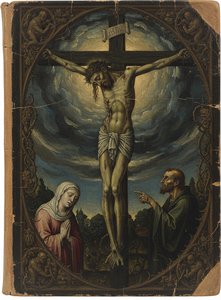
Matthias Grünewald: Devotion, Distortion & Spiritual Turmoil in Renaissance Art
Explore the profound religious art of Matthias Grünewald, master of the Isenheim Altarpiece. Discover his unique expressionism, symbolism & lasting impact on Renaissance painting. A guide for collectors and enthusiasts.


