

 Voorvertoning
 Verstuur
 Delen
Delen
 Details bekijken

 Download
 Vergelijkbare items
 Röntgenonderzoek
 Diavoorstelling
St John in the Forest
 Oil On Canvas
- WallArt
- Baroque Renaissance
 1515
1515- Renaissance
 368.0 x 296.0 cm
 Graphische Sammlung Albertina
 Lees meer
Giclée / Kunstafdrukken
Giclée- of canvasafdruk van museumkwaliteit met een snelle productie en flexibele afwerkingsmogelijkheden. ( Bestel handgeschilderde reproductie Koop afbeelding)




P118B $10

P118H $10

P118W $10

P438Z $10

P508JH $12

P508YH $12

P805H $10

P805Z $10

P919BZ $10

P919G $10

P919XJ $10

P959ZH $10

P968JZ $12

W106C $8

W218G $10

W218JH $8

W218Y $10

W307PJ $10

W316G $10

W316PJ $8

W316Y $10

W398PJ $8

W4111J $10

W500HY $15

W500JH $15

W692G $12

W849H $8

W940BG $15

W953PJ $8




Kies uit onze vooraf ingestelde maten die overeenkomen met de originele verhoudingen van het kunstwerk.

U kunt uw eigen afmetingen opgeven om in een specifieke lijst of ruimte te passen. Als de door u gekozen maat niet overeenkomt met de proporties van het originele kunstwerk, zullen wij de afbeelding bijsnijden of uitbreiden met een gespiegelde of effen rand. Een digitaal mockup wordt ter goedkeuring naar u verzonden voordat de productie begint.
Houd er rekening mee dat de preview op het scherm de werkelijke bijsneding of uitbreiding niet weergeeft. Alleen de mockup toont de uiteindelijke compositie nauwkeurig.
Hoewel aangepaste maten beschikbaar zijn, raden wij aan een afmeting uit de vooraf bepaalde lijst te kiezen om de originele proporties te behouden.
Wereldwijde levering () binnen 2 weken in plaats van de standaard 4/5 weken. (29 augustus)

Gratis wereldwijde expressverzending

Hoogwaardig linnen canvas

Volledige verzendverzekering

Garantie op terugbetaling van invoerrechten

Garantie op exacte kleurweergave

Retourbeleid van 60 dagen (alleen bij defecten)

100% Geld-terug-garantie

Korting bij meerdere afnames
 De optie voor glas is alleen beschikbaar bij een formaat kleiner dan 110 cm.

St John in the Forest
Giclée / Kunstafdrukken
Afmetingen reproductie
-


Eindtotaal
$ 81
The Solitude of Scripture: Contemplating St John in the Forest
To stand before Matthias Grünewald’s depiction of St John in the Forest is to step across the threshold into a world steeped in profound contemplation. This monumental work, dating from 1515, does more than merely portray a biblical scene; it captures a moment suspended between earthly solitude and divine revelation. The composition immediately draws the eye to St. John the Baptist, whose downward gaze suggests an inner dialogue—a man wrestling with scripture amidst the quiet grandeur of nature. He stands anchored by his staff, a symbol both of pilgrimage and spiritual authority, while the surrounding forest, rendered with Grünewald’s characteristic intensity, seems to breathe with untold narratives.
A Tapestry of Northern Renaissance Emotion
Grünewald remains one of the most emotionally charged figures of the German Renaissance. While the Italian masters were embracing classical balance, Grünewald remained deeply rooted in the visceral realism and spiritual fervor of late medieval Central Europe. His technique eschews polished idealism for raw, palpable feeling. Observe the interplay between the figures—St. John at the center, flanked by companions whose presence adds layers to the mystery. The background is not merely scenery; it is an active participant in the drama, a brooding mix of gnarled trees and rugged rock formations that amplify the sense of isolation and deep thought.
Symbolism Woven into the Landscape
The forest setting itself is rich with symbolic weight. In art history, wilderness often represents the liminal space—the place where civilization ends and spiritual reckoning begins. St John, traditionally associated with asceticism and pointing toward a purer path, embodies this boundary. The presence of multiple figures suggests that while each soul walks its own solitary path, they are all connected by the overarching current of faith. Grünewald masterfully uses light and shadow not just for drama, but to guide our understanding of these spiritual encounters.
Bringing Sacred Depth Home
For the collector or designer seeking an anchor of profound artistry, this piece offers unparalleled depth. Reproducing such a monumental work allows one to integrate Grünewald’s dramatic spirituality into a modern space. The intensity and rich tonality captured in high-quality reproductions allow the viewer to feel the weight of the 16th century's devotion. It is an artwork that demands slow viewing, rewarding the observer with layers of meaning—a powerful focal point for any room meant for reflection, study, or quiet gathering.
Biografie van de kunstenaar
Matthias Grünewald: Leven en Nalatenschap
Vroege Leven en Artistieke Beginsels
Matthias Grünewald, geboren als Mathis Gothart Neithardt rond 1470-1475 in Würzburg, Duitsland, was een spilfiguur van de Duitse Renaissance. Ondanks het feit dat hij leefde in een tijdperk dat steeds meer werd beïnvloed door de idealen van de Italiaanse Renaissance, bleef Grünewald diep geworteld in de artistieke tradities van het laatmiddeleeuwse Centraal-Europa. Hoewel details over zijn vroege jaren schaars zijn, is bekend dat hij een opleiding als kunstenaar genoot, waarschijnlijk binnen lokale ateliers.
Artistieke Ontwikkeling en Invloeden
De artistieke ontwikkeling van Grünewald werd gevormd door de heersende Noord-Europese tradities van realisme, emotionele intensiteit en gedetailleerde observatie. Zijn werk vertoont invloeden van kunstenaars zoals Albrecht Dürer en Martin Schongauer, maar hij smeedde een uniek pad dat werd gekenmerkt door dramatische expressie en levendige kleuren. Hij was niet direct betrokken bij de humanistische kringen die in Italië floreerden; in plaats daarvan diende zijn kunst voornamelijk religieuze doeleinden, waarbij hij de spirituele angsten van zijn tijd weerspiegelde.
Belangrijke Werken en Artistieke Stijl
- Het Isenheimer Altaarstuk (1512-1516): Dit meesterwerk, ondergebracht in het Musée d'Unterlinden in Colmar, wordt beschouwd als het magnum opus van Grünewald. Het toont scènes uit het leven van Christus met een aangrijpend realisme, waarbij de focus met name ligt op lijden en verlossing.
- Mozes (1511): Een tekening die Grünewalds vaardigheid in het vastleggen van expressieve figuren en dramatische poses benadrukt.
De stijl van Grünewald onderscheidt zich door:
- Dramatische Compositie: Hij maakte gebruik van dynamische arrangementen om de emotionele impact te vergroten.
- Levendig Kleurenpalet: Zijn gebruik van intense, vaak contrasterende kleuren creëerde een krachtige visuele ervaring.
- Realistische Weergave van het Lijden: Grünewald schuwde het niet om de fysieke en emotionele pijn die verbonden is aan religieuze verhalen uit te beelden.
- Expressieve Figuren: Zijn figuren zijn doordrenkt met sterke emoties en psychologische diepgang.
Historische Betekenis en Nalatenschap
Het werk van Grünewald staat als een testament voor de blijvende kracht van middeleeuwse artistieke tradities in Duitsland tijdens de Renaissance. Hij overbrugde de kloof tussen de laatgotische stijl en de opkomende Renaissance, waarmee hij een unieke visuele taal creëerde die resoneerde met zijn tijdgenoten. Zijn invloed is terug te zien in latere Duitse kunstenaars die thema's van religieuze vurigheid en emotionele intensiteit bleven verkennen. Hoewel hij na zijn dood in 1528 eeuwenlang grotendeels vergeten was, beleefde Grünewald een heropleving in de 19e eeuw, en tegenwoordig wordt hij erkend als een van de belangrijkste schilders van de Duitse Renaissance. Zijn kunst blijft kijkers fascineren met zijn rauwe emotie, technische briljantie en diepe spirituele gelaagdheid.
Verdere Verkenning
Ontdek meer over het leven en de werken van Matthias Grünewald op: OriginalUniqueArt

Matthias Grünewald
1480 - 1528 , Duitsland
Belangrijkste feiten
- Artistic Movement Or Style: Laatgotische schildertraditie
- Artists Or Movements Influenced By This Artist: ['Albrecht Dürer']
- Artists Who Influenced This Artist:
- Albrecht Dürer
- Martin Schongauer
- Date Of Birth: ca. 1475/80
- Date Of Death: 1528
- Full Name: Matthias Grünewald
- Nationality: Duits
- Notable Artworks:
- Het Isenheim Altarpiece
- De Kruisiging
- Place Of Birth: Würzburg, Duitsland
Gerelateerde artikelen

John Singer Sargent's Top 25 Meesterwerken: Portretten & Schilderijen voor uw Interieur | OriginalUniqueArt
Ontdek de 25 mooiste meesterwerken van John Singer Sargent! Van elegante portretten tot impressionistische schilderijen – leer over zijn leven, techniek & impact. Museumkwaliteit reproducties voor uw interieur op OriginalUniqueArt.com.

John Constable's Top 25 Meesterwerken: Landschappen die de Ziel Raaken | OriginalUniqueArt
Ontdek de 25 mooiste schilderijen van John Constable, meester van de Engelse Romantiek. Van idyllische landschappen tot iconische Hay Wain – bewonder zijn techniek en emotie. Museumkwaliteit reproducties & decoratie op OriginalUniqueArt.com.
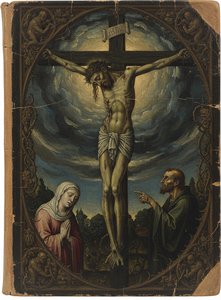
Matthias Grünewald: Devotion, Distortion & Spiritual Turmoil in Renaissance Art
Explore the profound religious art of Matthias Grünewald, master of the Isenheim Altarpiece. Discover his unique expressionism, symbolism & lasting impact on Renaissance painting. A guide for collectors and enthusiasts.

El Greco's Top 25 Meesterwerken: Kunst, Geschiedenis & Decoratie voor Uw Huis
Ontdek de top 25 meesterwerken van El Greco! Duik in het leven en werk van deze renaissance schilder, zijn spirituele kunst & dramatische stijl. Vind museumkwaliteit reproducties voor uw interieur op OriginalUniqueArt.com.

Top 10 Expressionistische Meesterwerken: Kunst die de Ziel Raakt | OriginalUniqueArt
Ontdek de 10 meest iconische Expressionistische meesterwerken! Duik in de emotionele wereld van Kirchner, Kandinsky & Nolde. Museumkwaliteit kunst reproducties voor uw interieur. Exploreer de collectie op OriginalUniqueArt.com.



