
 Voorvertoning
 Verstuur
 Delen
Delen
 Details bekijken
 Gids
Gids

 Download
 Vergelijkbare items
 Röntgenonderzoek
 Diavoorstelling
 Vraag & antwoord
 Statistieken
St Anthony (detail)


 Lees meer
Giclée / Kunstafdrukken
Giclée- of canvasafdruk van museumkwaliteit met een snelle productie en flexibele afwerkingsmogelijkheden. ( Bestel handgeschilderde reproductie Schakel over naar digitale afbeeldingen)




P118B €10

P118H €10

P118W €10

P438Z €10

P508JH €12

P508YH €12

P805H €10

P805Z €10

P919BZ €10

P919G €10

P919XJ €10

P959ZH €10

P968JZ €12

W106C €8

W218G €10

W218JH €8

W218Y €10

W307PJ €10

W316G €10

W316PJ €8

W316Y €10

W398PJ €8

W4111J €10

W500HY €15

W500JH €15

W692G €12

W849H €8

W940BG €15

W953PJ €8




Kies uit onze vooraf ingestelde maten die overeenkomen met de originele verhoudingen van het kunstwerk.

Voer de gewenste breedte en hoogte in, passend bij uw lijst of muur. Een afdruk kan alleen worden ingekort en nooit groter worden gemaakt dan het origineel; een formaat met andere verhoudingen zal daarom een deel van de afbeelding verliezen. Wij sturen u een digitaal mockup ter goedkeuring voordat we tot drukwerk overgaan. De afbeelding op deze pagina toont niet de werkelijke uitsnede — dit is alleen te zien op het mockup.
Wereldwijde levering () binnen 2 weken in plaats van de standaard 4/5 weken. (5 november)

Gratis wereldwijde expressverzending

Hoogwaardig linnen canvas

Volledige verzendverzekering

Garantie op terugbetaling van invoerrechten

Garantie op exacte kleurweergave

Retourbeleid van 100 dagen (alleen bij defecten)

100% Geld-terug-garantie

Korting bij meerdere afnames
 De optie voor glas is alleen beschikbaar bij een formaat kleiner dan 110 cm.

St Anthony (detail)
Giclée / Kunstafdrukken
Afmetingen reproductie
-


Eindtotaal
€ 72
The Weight of the Desert: A Study in Medieval Devotion
Matthias Grünewald’s “St Anthony (detail)” is not merely a portrait; it's an immersion into the psychological and spiritual landscape of 16th-century Germany. Painted around 1515, this intimate depiction captures a moment of profound contemplation within the saint’s solitary desert existence – a world rendered with startling realism amidst the conventions of late medieval art. The painting immediately draws the eye to Anthony's face: etched with lines of worry and deep thought, his gaze is directed slightly off-center, suggesting an internal struggle, a battle waged not against external foes but against the seductive whispers of temptation. The muted palette – dominated by earthy browns, ochres, and subtle blues – reinforces this sense of introspection, creating a space that feels both grounded and profoundly melancholic.
- Technique: Grünewald’s mastery lies in his meticulous attention to detail. The texture of Anthony's beard is rendered with an almost sculptural quality, each strand meticulously painted; the folds of his crimson cloak are subtly defined, conveying a sense of weight and movement. The use of *sfumato*, a technique borrowed from Renaissance masters, softens the edges and creates a hazy atmosphere, contributing to the painting’s dreamlike quality.
- Composition: The composition is deliberately restrained, focusing entirely on Anthony and his immediate surroundings. This intensifies the sense of isolation and draws the viewer into the saint's inner world. The dark background serves to further isolate the figure, emphasizing his vulnerability and spiritual struggle.
Echoes of the Isenheim Altarpiece
“St Anthony (detail)” is inextricably linked to Grünewald’s monumental Isenheim Altarpiece, a work that profoundly shaped the artist's style and vision. While the altarpiece itself is a complex tapestry of religious imagery, this panel offers a concentrated distillation of its core themes: temptation, solitude, and the enduring power of faith. The stylistic similarities are striking – the same dramatic use of light and shadow, the same intense emotionality, and the same willingness to depict human suffering with unflinching honesty. It’s believed that Grünewald was working on this detail while simultaneously contributing to the larger altarpiece project, demonstrating a remarkable capacity for simultaneous creation.
Research Note: The Isenheim Altarpiece offers an unparalleled opportunity to witness Grünewald’s artistic genius in full context, revealing the depth and complexity of his vision.Symbolism: The Desert's Silent Language
Beyond its immediate depiction of St. Anthony, the painting is laden with symbolic meaning. The barren landscape surrounding the saint represents the harsh realities of desert life – a place of deprivation, solitude, and constant temptation. The small cell within the ruined tower symbolizes Anthony’s retreat into himself, his dedication to prayer and contemplation. The presence of the demonic figures, rendered in shadowy detail, underscores the ongoing struggle against evil that defines the saint's journey. Notably, the inclusion of a small crucifix within the cell suggests the ultimate source of strength and salvation – a reminder of Christ’s sacrifice and the promise of redemption.
- The Red Hat: The distinctive red hat worn by Anthony is not merely decorative; it's a symbol of his dedication to the Franciscan Order, signifying humility and service.
- The Deer: The deer in the foreground represents worldly desires and temptations, subtly hinting at the challenges Anthony faces in maintaining his spiritual purity.
A Window into the Soul
“St Anthony (detail)” transcends its status as a mere religious painting; it’s a profound meditation on human nature – on our capacity for both great suffering and enduring faith. Grünewald's ability to capture the weight of the desert, the intensity of inner turmoil, and the quiet dignity of a man wrestling with his demons is truly remarkable. This intimate portrait invites viewers to contemplate their own struggles, their own temptations, and their own search for meaning in a world often characterized by uncertainty and despair. It remains a powerful testament to the enduring legacy of one of Germany’s greatest Renaissance artists.
Veelgestelde vragen
Uit welke fase van de carrière van Matthias Grünewald is "St Anthony (detail)"?
Binnen de carrière van Matthias Grünewald valt "St Anthony (detail)" in de Late Renaissance. Deze fase helpt om het werk te vergelijken met andere werken van de kunstenaar.
Hoe is de kleurcompositie van "St Anthony (detail)" door Matthias Grünewald opgebouwd?
In "St Anthony (detail)" wordt een Statement contrast gecombineerd met een Strong Color Unity harmonie.
Waarom heeft het kunstwerk "St Anthony (detail)" deze auteursrechtelijke status?
"St Anthony (detail)" van Matthias Grünewald is bevindt zich in het publiek domein - de auteursrechten zijn verlopen. De auteursrechten worden berekend vanaf het jaar van overlijden van de kunstenaar; Matthias Grünewald is overleden in 1528.
Biografie kunstenaar
Matthias Grünewald: Leven en Nalatenschap
Vroege Leven en Artistieke Beginsels
Matthias Grünewald, geboren als Mathis Gothart Neithardt rond 1470-1475 in Würzburg, Duitsland, was een spilfiguur van de Duitse Renaissance. Ondanks het feit dat hij leefde in een tijdperk dat steeds meer werd beïnvloed door de idealen van de Italiaanse Renaissance, bleef Grünewald diep geworteld in de artistieke tradities van het laatmiddeleeuwse Centraal-Europa. Hoewel details over zijn vroege jaren schaars zijn, is bekend dat hij een opleiding als kunstenaar genoot, waarschijnlijk binnen lokale ateliers.
Artistieke Ontwikkeling en Invloeden
De artistieke ontwikkeling van Grünewald werd gevormd door de heersende Noord-Europese tradities van realisme, emotionele intensiteit en gedetailleerde observatie. Zijn werk vertoont invloeden van kunstenaars zoals Albrecht Dürer en Martin Schongauer, maar hij smeedde een uniek pad dat werd gekenmerkt door dramatische expressie en levendige kleuren. Hij was niet direct betrokken bij de humanistische kringen die in Italië floreerden; in plaats daarvan diende zijn kunst voornamelijk religieuze doeleinden, waarbij hij de spirituele angsten van zijn tijd weerspiegelde.
Belangrijke Werken en Artistieke Stijl
- Het Isenheimer Altaarstuk (1512-1516): Dit meesterwerk, ondergebracht in het Musée d'Unterlinden in Colmar, wordt beschouwd als het magnum opus van Grünewald. Het toont scènes uit het leven van Christus met een aangrijpend realisme, waarbij de focus met name ligt op lijden en verlossing.
- Mozes (1511): Een tekening die Grünewalds vaardigheid in het vastleggen van expressieve figuren en dramatische poses benadrukt.
De stijl van Grünewald onderscheidt zich door:
- Dramatische Compositie: Hij maakte gebruik van dynamische arrangementen om de emotionele impact te vergroten.
- Levendig Kleurenpalet: Zijn gebruik van intense, vaak contrasterende kleuren creëerde een krachtige visuele ervaring.
- Realistische Weergave van het Lijden: Grünewald schuwde het niet om de fysieke en emotionele pijn die verbonden is aan religieuze verhalen uit te beelden.
- Expressieve Figuren: Zijn figuren zijn doordrenkt met sterke emoties en psychologische diepgang.
Historische Betekenis en Nalatenschap
Het werk van Grünewald staat als een testament voor de blijvende kracht van middeleeuwse artistieke tradities in Duitsland tijdens de Renaissance. Hij overbrugde de kloof tussen de laatgotische stijl en de opkomende Renaissance, waarmee hij een unieke visuele taal creëerde die resoneerde met zijn tijdgenoten. Zijn invloed is terug te zien in latere Duitse kunstenaars die thema's van religieuze vurigheid en emotionele intensiteit bleven verkennen. Hoewel hij na zijn dood in 1528 eeuwenlang grotendeels vergeten was, beleefde Grünewald een heropleving in de 19e eeuw, en tegenwoordig wordt hij erkend als een van de belangrijkste schilders van de Duitse Renaissance. Zijn kunst blijft kijkers fascineren met zijn rauwe emotie, technische briljantie en diepe spirituele gelaagdheid.
Verdere Verkenning
Ontdek meer over het leven en de werken van Matthias Grünewald op: OriginalUniqueArt

Matthias Grünewald
1480 - 1528 , Duitsland
Belangrijkste feiten
- Artistic Movement Or Style: Laatgotische schildertraditie
- Artists Or Movements Influenced By This Artist: ['Albrecht Dürer']
- Artists Who Influenced This Artist:
- Albrecht Dürer
- Martin Schongauer
- Date Of Birth: ca. 1475/80
- Date Of Death: 1528
- Full Name: Matthias Grünewald
- Nationality: Duits
- Notable Artworks:
- Het Isenheim Altarpiece
- De Kruisiging
- Place Of Birth: Würzburg, Duitsland
Gerelateerde artikelen

Divine Splendor: A Guide to the Sacred Beauty and Symbolic Depth of High Medieval Art
Embark on a scholarly journey through the sacred beauty of High Medieval art. Discover the profound symbolism, luminous iconography, and spiritual depth of Gothic masterpieces in this expert guide for classical art enthusiasts.
High Medieval Art: 10 Masterpieces That Shaped an Era | OriginalUniqueArt
Journey through High Medieval Art! Explore 10 iconic masterpieces – from Giotto's frescoes to stunning Gothic cathedrals. Discover the stories behind these timeless paintings, sculptures & illuminated manuscripts. Find museum-quality art reproductions at OriginalUniqueArt.com.
Late Medieval Masterpieces: 10 Artworks That Defined an Era | OriginalUniqueArt
Journey through 10 defining Late Medieval masterpieces – from Giotto's frescoes to Jan van Eyck’s realism. Explore the stories, techniques & vibrant colors of Gothic art. Find museum-quality reproductions and elevate your home decor with OriginalUniqueArt.com! Discover all masterpieces on OriginalUniqueArt.com
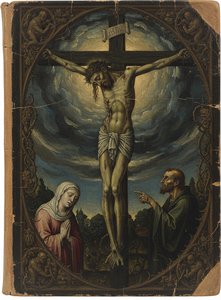
Matthias Grünewald: Devotion, Distortion & Spiritual Turmoil in Renaissance Art
Explore the profound religious art of Matthias Grünewald, master of the Isenheim Altarpiece. Discover his unique expressionism, symbolism & lasting impact on Renaissance painting. A guide for collectors and enthusiasts.

El Greco's Top 25 Meesterwerken: Kunst, Geschiedenis & Decoratie voor Uw Huis
Ontdek de top 25 meesterwerken van El Greco! Duik in het leven en werk van deze renaissance schilder, zijn spirituele kunst & dramatische stijl. Vind museumkwaliteit reproducties voor uw interieur op OriginalUniqueArt.com.


