Voorvertoning
 Verstuur
 Delen
Delen
 Details bekijken
 Gids
Gids

 Download
 Vergelijkbare items
 Röntgenonderzoek
 Diavoorstelling
 Q&A
Q&A Statistieken
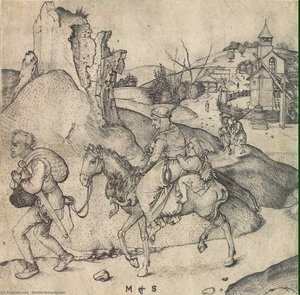
The Fourth Wise Virgin

- 122.0 x 84.0 cm


 Lees meer
Giclée / Kunstafdrukken
Giclée- of canvasafdruk van museumkwaliteit met een snelle productie en flexibele afwerkingsmogelijkheden. ( Bestel handgeschilderde reproductie Schakel over naar digitale afbeeldingen)




P118B €10

P118H €10

P118W €10

P438Z €10

P508JH €12

P508YH €12

P805H €10

P805Z €10

P919BZ €10

P919G €10

P919XJ €10

P959ZH €10

P968JZ €12

W106C €8

W218G €10

W218JH €8

W218Y €10

W307PJ €10

W316G €10

W316PJ €8

W316Y €10

W398PJ €8

W4111J €10

W500HY €15

W500JH €15

W692G €12

W849H €8

W940BG €15

W953PJ €8




Kies uit onze vooraf ingestelde maten die overeenkomen met de originele verhoudingen van het kunstwerk.

Voer de gewenste breedte en hoogte in, passend bij uw lijst of muur. Een afdruk kan alleen worden ingekort en nooit groter worden gemaakt dan het origineel; een formaat met andere verhoudingen zal daarom een deel van de afbeelding verliezen. Wij sturen u een digitaal mockup ter goedkeuring voordat we tot drukwerk overgaan. De afbeelding op deze pagina toont niet de werkelijke uitsnede — dit is alleen te zien op het mockup.
Wereldwijde levering () binnen 2 weken in plaats van de standaard 4/5 weken. (2 november)

Gratis wereldwijde expressverzending

Hoogwaardig linnen canvas

Volledige verzendverzekering

Garantie op terugbetaling van invoerrechten

Garantie op exacte kleurweergave

Retourbeleid van 100 dagen (alleen bij defecten)

100% Geld-terug-garantie

Korting bij meerdere afnames
 De optie voor glas is alleen beschikbaar bij een formaat kleiner dan 110 cm.

The Fourth Wise Virgin
Giclée / Kunstafdrukken
Afmetingen reproductie
-


Eindtotaal
€ 72
The Fourth Wise Virgin: A Glimpse into Northern Renaissance Mystery
Martin Schongauer’s “The Fourth Wise Virgin,” created around 1490, is more than just an engraving; it's a meticulously crafted window into the spiritual and artistic currents of late medieval Germany. This captivating image, housed within the National Gallery of Art in Washington D.C., draws upon both established iconography – referencing the biblical tale of the Wise Virgins – and Schongauer’s own distinctive style, blending meticulous detail with an almost haunting sense of introspection. The work immediately commands attention not through grand scale or overt drama, but through a profound quietude and a subtle layering of symbolism that invites prolonged contemplation.
Schongauer's artistic lineage is deeply rooted in the traditions of goldsmithing, a craft he likely learned from his father. This background profoundly shaped his approach to engraving – an art demanding unparalleled precision and control over line. The image’s remarkable clarity stems from Schongauer’s mastery of hatching and cross-hatching techniques, creating a sophisticated illusion of form and texture. He doesn't simply depict the figure; he sculpts her presence with carefully placed lines, imbuing the composition with an almost palpable sense of weight and volume. The use of negative space is equally crucial, drawing attention to the central subject while subtly suggesting the vastness of the surrounding world – a world both familiar and potentially perilous.
A Biblical Narrative Illuminated
The scene itself draws upon the well-known parable of the Wise and Foolish Virgins. Ten young women are preparing for the wedding of the king, each carrying a lamp filled with oil. The foolish ones neglect their duty, leaving their lamps unlit, and are subsequently barred from entering the celebration. The Fourth Virgin, depicted here in profile, embodies a serene yet subtly melancholic acceptance of her fate. Her posture is dignified, suggesting not despair but a quiet understanding of divine judgment. The candle she holds – a potent symbol of faith, enlightenment, and guidance – casts a gentle glow upon her face, illuminating her expression with an ethereal light.
Schongauer’s choice to focus on this particular virgin is intriguing. Unlike the more overtly dramatic depictions found in other prints from the series, Schongauer's rendering emphasizes introspection rather than external action. The background is deliberately sparse, devoid of elaborate details or distracting elements. This minimalist approach directs the viewer’s attention entirely onto the figure herself, amplifying her internal state and inviting us to contemplate the moral implications of the story. The composition subtly suggests a sense of isolation – a solitary figure contemplating a universal truth.
Technique and Historical Context
“The Fourth Wise Virgin” is a prime example of Northern Renaissance engraving, characterized by its meticulous detail, refined draftsmanship, and a deep engagement with both religious iconography and contemporary fashion. Schongauer’s work reflects the influence of Early Netherlandish painting, particularly the realism and attention to texture evident in the drapery and facial features. The print's creation coincided with a period of significant artistic innovation, as engravers began to explore new techniques for achieving greater tonal range and simulating the effects of paint. The use of a copper or iron plate, meticulously etched with lines using specialized tools like burins, is itself a testament to Schongauer’s technical skill.
Furthermore, the print's creation occurred during a time of intense religious fervor and social upheaval in Europe. The Reformation was gaining momentum, challenging traditional beliefs and practices. Schongauer’s work can be interpreted as a meditation on themes of faith, judgment, and redemption – timeless concerns that resonated deeply with audiences throughout the Renaissance.
A Timeless Symbol of Reflection
“The Fourth Wise Virgin” endures not merely as a beautiful engraving but as a poignant reflection on human nature. Schongauer’s masterful use of line, light, and shadow creates an image that is both visually arresting and emotionally resonant. It's a work that invites viewers to contemplate their own choices, their own faith, and their place within the larger narrative of life and death. The engraving’s quiet dignity and subtle symbolism continue to captivate audiences centuries after its creation, solidifying Schongauer’s legacy as one of the most important printmakers of the Northern Renaissance.
Veelgestelde vragen
Hoe intens zijn de kleuren van "The Fourth Wise Virgin" door Martin Schongauer?
De kleuren in "The Fourth Wise Virgin" door Martin Schongauer hebben een Monochromatic intensiteit.
Is "The Fourth Wise Virgin" door Martin Schongauer een portret, landschap of vierkante compositie?
"The Fourth Wise Virgin" door Martin Schongauer is een Portrait compositie. Het is raadzaam de verhoudingen te controleren voordat u een afmeting voor de print kiest.
Met welke techniek is "The Fourth Wise Virgin" door Martin Schongauer vervaardigd?
"The Fourth Wise Virgin" is uitgevoerd in Engraving.
Biografie kunstenaar
Martin Schongauer: Leven en Nalatenschap
Vroege Jaren en Opleiding
Martin Schongauer, geboren rond 1450 in Colmar, in de Elzas (tegenwoordig Frankrijk), was een spilfiguur in de ontwikkeling van de prentkunst tijdens de Noordelijke Renaissance. Hij kwam voort uit een familie van ambachtslieden; zijn vader, Caspar Schongauer, was een goudsmid die rond 1440 vanuit Augsburg, Duitsland, naar Colmar was verhuisd. Deze familiale achtergrond had een diepgaande invloed op de vroege artistieke vorming van Martin, aangezien het goudsmeden een stevig fundament bood in uiterst precieende details en metaalbewerkingstechnieken – vaardigheden die direct overdraagbaar waren naar de kunst van de gravure.
Opleiding en Artistieke Ontwikkeling
In 1465 volgde Schongauer kortstondig een studie aan de Universiteit van Leipzig, maar hij liet zijn academische ambities al snel varen om zich volledig aan de kunst te wijden. Aanvankelijk werd hij opgeleid als schilder onder Caspar Isenmann, een lokale meester die sterk beïloed was door de vroeg-Nederlandse schilderkunst, in het bijzonder door het werk van Rogier van der Weyden. Deze vroege blootstelling aan het Vlaamse realisme en de obsessieve aandacht voor detail zouden de onuitwisbare kenmerken van Schongauers eigen stijl worden.
Artistieke Stijl en Invloeden
De artistieke stijl van Schongauer laat zich omschrijven als een heldere, georganiseerde gotische esthetiek, versmolten met de opkomende invloeden van de Noordelijke Renaissance. Opvallend genoeg ontbrak directe Italiaanse invloed in zijn werk; in plaats daarvan putte hij zijn inspiratie uit de Duitse en vroeg-Nederlandse tradities. Zijn oeuvre getuigt van een minutieuze precisie, expressieve figuren en een geraffineerd begrip van compositie.
- Kernkenmerken: Precieze gravures, realistische afbeeldingen, dramatische verhalen, gotische structuur
- Invloeden: Rogier van der Weyden, Caspar Isenmann, Duitse gotische tradities
Grote Prestaties en Werken
Schongauer is vooral beroemd om zijn 116 gravures, die elk herkenbaar zijn aan zijn monogram. Deze prenten werden wijdverspreid over heel Europa en hadden een enorme impact op de ontwikkeling van druktechnieken en artistieke stijlen. Zijn gravures toonden vaak religieuze scènes, portretten en allegorische onderwerpen.
- Madonna van de Rozenhof (1473): Een betekenisvol schilderij dat zijn vermogen toont om delicate details en emotionele diepgang weer te geven.
- Gravures: Waaronder De Verzoeking van Sint-Antonius, De Aanbidding der Herders en vele anderen, die zijn meesterschap in de graveertechniek demonstreren.
Historisch Belang en Nalatenschap
De impact van Martin Schongauer op de kunstwereld was immens. Hij behoorde tot de eerste Duitse kunstenaars die internationale erkenning genoten als graveur. Zijn prenten waren zeer gewild en werden op grote schaal gekopieerd, waardoor zijn artistieke stijl zich over het Europese continent verspreidde. Het is zelfs gedocumenteerd dat Michelangelo zelf een van Schongauers gravures – De Beproeving van Sint-Antonius – bestudeerde en kopieerde, wat de enorme waardering getuigt die latere meesters voor Schongauer koesterden.
Het werk van Schongauer vormde de brug tussen de gotische kunst en de Renaissance, waarmee hij de weg vrijmaakte voor kunstenaars zoals Albrecht Dürer. Zijn innovatieve gebruik van graveertechnieken en zijn toewijding aan artistiek detail lieten een blijvende erfenis na in de geschiedenis van de prentkunst en de Noord-Europese kunst.
Overlijden
Martin Schongauer overleed op 2 februari 1491 in Breisach, en liet een bewonderenswaardig oeuvre na dat tot op de dag van vandaag wordt gevierd om zijn artistieke waarde en historische betekenis.

Martin Schongauer
1450 - 1491 , Frankrijk
Belangrijkste feiten
- Artistic Movement Or Style: Gothic kunst
- Artists Or Movements Influenced By This Artist: ['Albrecht Dürer']
- Artists Who Influenced This Artist:
- Rogier van der Weyden
- Caspar Isenmann
- Date Of Birth: ca 1450–53
- Date Of Death: 2 februari 1491
- Full Name: Martin Schongauer
- Nationality: Duits
- Notable Artworks:
- Madonna van de Rozenboom
- De Laatste Laatste Avondmaal
- Place Of Birth: Colmar, Duitsland
Gerelateerde artikelen
Top 10 Legendarische Graveerkunstwerken die de Kunst voor Altijd Veranderden | OriginalUniqueArt
Ontdek de 10 meest legendarische graveerkunstwerken die de kunstgeschiedenis veranderden! Van Rembrandt tot Goya, leer over techniek & betekenis. Museumkwaliteit reproducties voor uw interieur op OriginalUniqueArt.com.

Hendrick Goltzius: Master Engraver & the Flourishing of Dutch Mannerism
Explore the life & art of Hendrick Goltzius, a master engraver of Dutch Mannerism. Discover his innovative techniques, iconic engravings like 'Jahel', and lasting influence on Baroque art. Learn about collecting Goltzius today.

The Art of Engraving: Mastering Precision and Detail in the Intaglio Tradition
Explore the profound mastery of engraving and intaglio printmaking. Delve into the rich history, technical precision of the burin, and the enduring legacy of fine art techniques that shaped the world's most iconic masterpieces.

The Intricate World of Engraving: A Historical Survey of Technique, Artistic Expression & Enduring Legacy
Explore the rich history of engraving with OriginalUniqueArt. Discover techniques, iconic artists like Dürer & Callot, collecting tips, and expert guidance for preserving your art investment. Learn about intaglio printing & more!

Engraving: A Historical Survey of Technique, Artistic Expression & Enduring Legacy
Explore the rich history of engraving with OriginalUniqueArt. Discover techniques, iconic artists like Dürer & Callot, collecting tips, and expert guidance for preserving your art investment. Learn about intaglio printing & more!