 Voorvertoning
 Verstuur
 Delen
Delen
 Details bekijken
 Gids
Gids

 Download
 Vergelijkbare items
 Röntgenonderzoek
 Diavoorstelling
 Vraag & antwoord
 Statistieken
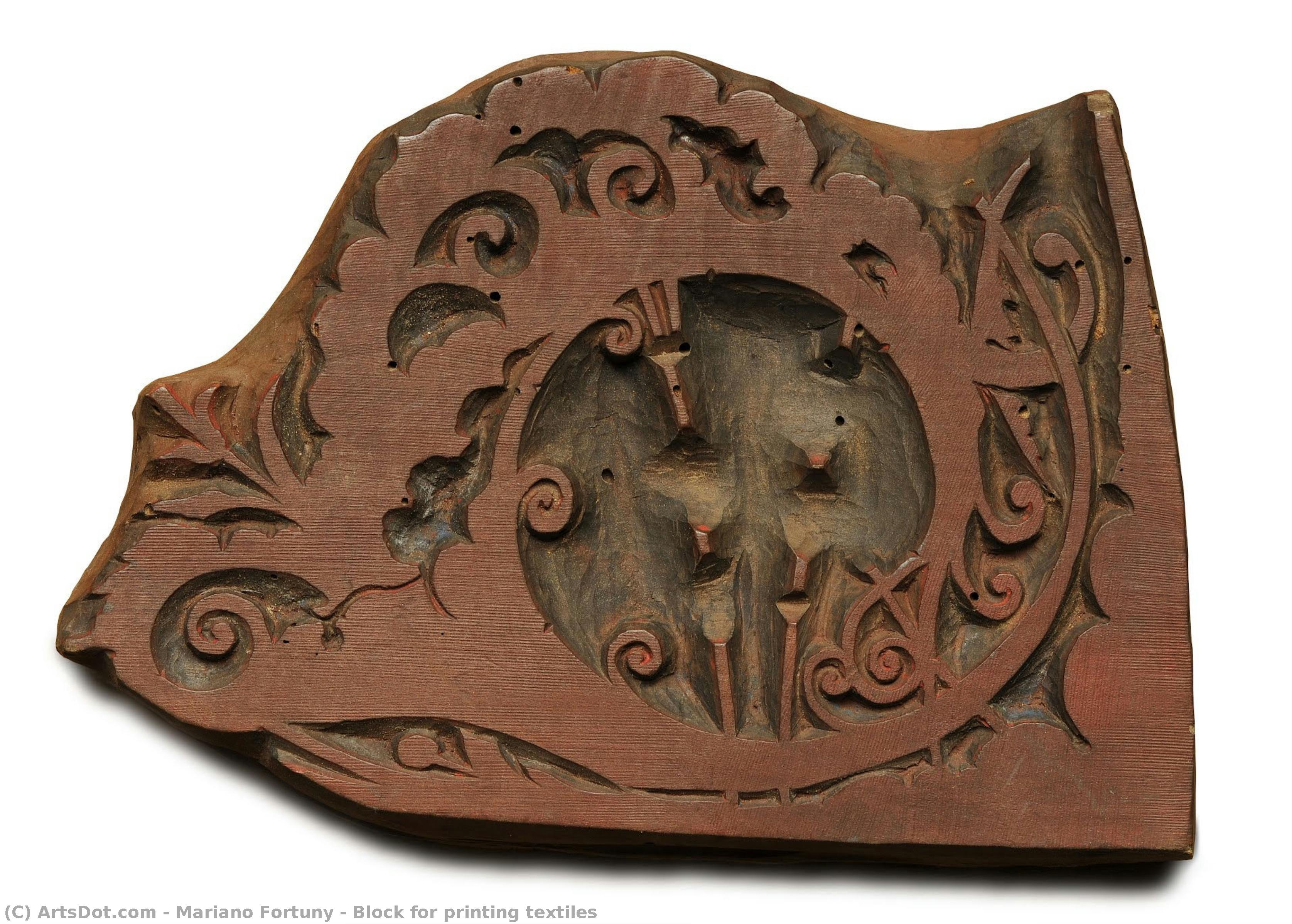
Block for printing textiles


 Lees meer
Giclée / Kunstafdrukken
Giclée- of canvasafdruk van museumkwaliteit met een snelle productie en flexibele afwerkingsmogelijkheden. ( Bestel handgeschilderde reproductie Schakel over naar digitale afbeeldingen)




P118B €10

P118H €10

P118W €10

P438Z €10

P508JH €12

P508YH €12

P805H €10

P805Z €10

P919BZ €10

P919G €10

P919XJ €10

P959ZH €10

P968JZ €12

W106C €8

W218G €10

W218JH €8

W218Y €10

W307PJ €10

W316G €10

W316PJ €8

W316Y €10

W398PJ €8

W4111J €10

W500HY €15

W500JH €15

W692G €12

W849H €8

W940BG €15

W953PJ €8




Kies uit onze vooraf ingestelde maten die overeenkomen met de originele verhoudingen van het kunstwerk.

Voer de gewenste breedte en hoogte in, passend bij uw lijst of muur. Een afdruk kan alleen worden ingekort en nooit groter worden gemaakt dan het origineel; een formaat met andere verhoudingen zal daarom een deel van de afbeelding verliezen. Wij sturen u een digitaal mockup ter goedkeuring voordat we tot drukwerk overgaan. De afbeelding op deze pagina toont niet de werkelijke uitsnede — dit is alleen te zien op het mockup.
Wereldwijde levering () binnen 2 weken in plaats van de standaard 4/5 weken. (6 november)

Gratis wereldwijde expressverzending

Hoogwaardig linnen canvas

Volledige verzendverzekering

Garantie op terugbetaling van invoerrechten

Garantie op exacte kleurweergave

Retourbeleid van 100 dagen (alleen bij defecten)

100% Geld-terug-garantie

Korting bij meerdere afnames
 De optie voor glas is alleen beschikbaar bij een formaat kleiner dan 110 cm.

Block for printing textiles
Giclée / Kunstafdrukken
Afmetingen reproductie
-


Eindtotaal
€ 72
A Whisper of Geometry: Unveiling Mariano Fortuny’s ‘Block for Printing Textiles’
Mariano Fortuny y Madrazo, a name synonymous with the opulent elegance of 19th-century Spain and beyond, wasn't merely a painter; he was a revolutionary designer, a master craftsman, and an inventor who fundamentally reshaped the world of theatrical lighting and textile production. His ‘Block for Printing Textiles’ (1905), now meticulously reproduced by OriginalUniqueArt.com, offers a rare glimpse into this multifaceted genius – a tangible embodiment of his fascination with geometry, Celtic motifs, and the interplay of light and shadow. This isn't simply a decorative block; it’s a concentrated distillation of Fortuny’s artistic vision, a testament to his meticulous hand, and a window into a period of intense experimentation and innovation.
The Language of Form: Geometry and Celtic Echoes
At first glance, the block’s surface appears deceptively simple – a dense arrangement of swirling lines and geometric shapes rendered in shades of reddish-brown. However, closer inspection reveals a complex tapestry of interlocking patterns, echoing the intricate designs found in Celtic knotwork. Fortuny was deeply influenced by Orientalist art, particularly the decorative motifs of Morocco, but he also possessed a profound appreciation for ancient European traditions, evident in this subtle homage to the Celtic aesthetic. The precise execution suggests a deliberate attempt to capture not just visual form, but also the inherent dynamism and interconnectedness of these patterns – a concept central to Fortuny’s broader artistic philosophy.
A Legacy Forged in Light: Technique and Innovation
The creation of this block represents a pivotal moment in Fortuny's career. He was actively experimenting with new techniques for creating theatrical lighting, particularly his ‘cyclorama dome,’ a revolutionary device that utilized reflected light to create seamless transitions between scenes in grand opera houses. This block is believed to be a prototype or working model for these larger-scale installations – a miniature representation of the complex systems he devised to manipulate and control light. The meticulous carving demonstrates an extraordinary level of skill, requiring not only artistic vision but also a deep understanding of materials and their properties. Fortuny’s inventive spirit extended beyond lighting; his patents reveal a relentless pursuit of innovation in various fields, including textiles, ceramics, and even furniture design.
Beyond Decoration: Symbolism and the Fortuny Aesthetic
While undeniably beautiful, ‘Block for Printing Textiles’ transcends mere decorative function. It embodies Fortuny's broader aesthetic – one characterized by a harmonious blend of geometry, asymmetry, and a subtle sense of mystery. The swirling patterns evoke movement and dynamism, while the restrained color palette creates an atmosphere of sophisticated elegance. Fortuny sought to capture not just the appearance of reality but also its underlying essence—a pursuit reflected in his meticulous attention to detail and his innovative use of light and shadow. This block is a tangible manifestation of that quest – a miniature world brimming with artistic intention.
Collecting a Masterpiece: Reproduction and Preservation
OriginalUniqueArt.com offers high-quality, hand-painted reproductions of this extraordinary work by Mariano Fortuny. Each reproduction meticulously recreates the original block’s intricate details, capturing its unique texture and color palette. Choosing a reproduction allows you to bring this captivating piece into your home or office, celebrating Fortuny's legacy while preserving the integrity of his artistic vision. Explore our selection today and experience the enduring beauty of ‘Block for Printing Textiles.’
Veelgestelde vragen
Wanneer werd "Block for printing textiles" gemaakt en tot welke stroming behoort het?
"Block for printing textiles" werd gemaakt in 1905, binnen de Art Nouveau-stroming.
Is er een gids beschikbaar voor "Block for printing textiles" door Mariano Fortuny?
Er is een Informatieblad pagina beschikbaar voor "Block for printing textiles" door Mariano Fortuny: een printbaar informatieblad over het kunstwerk, ontworpen voor studenten en gebruik in de klas.
Met welk medium is "Block for printing textiles" door Mariano Fortuny uitgevoerd?
Mariano Fortuny gebruikte de Woodblock Print-techniek voor "Block for printing textiles". De techniek bepaalt de materiële aard van het originele werk.
Biografie kunstenaar
Early Life and Inspiration
Mariano Fortuny, a name synonymous with theatrical innovation and opulent textiles, was born in Reus, Catalonia, Spain, on May 11, 1871. His early life was marked by profound loss – his father, Mariano Fortuny y Marsal, a respected genre painter, tragically passed away when the young boy was just three years old. This event spurred the family’s relocation to Paris, France, where his mother, a woman of considerable artistic sensibility, introduced him to the world of textiles and fabrics, an influence that would profoundly shape his future creative endeavors. From a remarkably young age, Fortuny demonstrated a prodigious talent for various art forms: he excelled in painting, photography, sculpting, architecture, etching, and even theatrical stage lighting design. His early years were steeped in artistic exploration, laying the foundation for his later revolutionary contributions.Artistic Talents and Revolutionary Inventions
Fortuny’s artistic journey was characterized by a relentless pursuit of innovation. He quickly established himself as a skilled painter, demonstrating an ability to capture both realistic detail and evocative atmosphere. However, it was his inventive spirit that truly set him apart. Between 1901 and 1934, Fortuny patented over twenty groundbreaking inventions, fundamentally altering the landscape of theatrical design. Perhaps his most celebrated creation is the “fortuny cyclorama dome,” a quarter-dome structure constructed from plaster or cloth, ingeniously designed to diffuse light in a way that eliminated harsh shadows and created seamless transitions between scenes – a technique previously unattainable on stage. His treatise, "Eclairage Scenique" (1904), meticulously documented his revolutionary approach to lighting, detailing how reflecting light off various surfaces could dramatically alter its color, intensity, and overall effect. This wasn’t merely about illumination; it was about manipulating perception itself.Collaborations and Recognition
Fortuny's work gained significant recognition in the 1920s, catapulting him to international fame. He forged remarkable collaborations with some of the most influential figures of his time. Richard Wagner, the German composer whose operas deeply resonated with Fortuny’s artistic sensibilities, commissioned sets for the premiere of Tristan und Isolde at La Scala opera house in Milan, adapting his dome system to accommodate the theater's vast scale and even inventing a sophisticated suction fan mechanism to maintain the dome’s taut structure. His work was also celebrated by Gabriele D’Annunzio, who greatly admired Fortuny’s innovative approach to stage design. Fortuny’s influence extended beyond opera; he designed sets for numerous theatrical productions across Europe, establishing himself as a leading figure in the burgeoning field of Gesamtkunstwerk – a holistic artistic vision that sought to unify music, drama, and visual spectacle.Legacy and Lasting Influence
Mariano Fortuny passed away on May 3, 1949, in Venice, Italy, leaving behind a legacy that continues to inspire artists and designers today. His work profoundly influenced the French novelist Marcel Proust, who drew inspiration from Fortuny’s unique aesthetic vision. His life story was also depicted in Pere Gimferrer's novel "Fortuny," further cementing his place in cultural history. Beyond his theatrical innovations, Fortuny revolutionized the world of textiles, creating the iconic “Delphos gown,” a shimmering pleated silk creation that became a symbol of elegance and sophistication during the Art Deco era. His contributions to lighting design remain foundational, demonstrating a profound understanding of color theory, reflection, and the power of light to shape perception. Explore more about Mariano Fortuny’s inventions and designs at OriginalUniqueArt's collection – a testament to his enduring legacy as a true visionary artist.
Mariano Fortuny
1871 - 1949 , Spanje
Belangrijkste feiten
- Artistic Movement Or Style: Orientalisme kunst
- Artists Or Movements Influenced By This Artist: ['Marcel Proust']
- Artists Who Influenced This Artist: ['Richard Wagner']
- Date Of Birth: 11 juni 1871
- Date Of Death: 3 mei 1949
- Full Name: Mariano Fortuny y Marsal
- Nationality: Spaans
- Notable Artworks:
- Teagown
- Portret van Henriette Fortuny
- Place Of Birth: Granada, Spanje
Gerelateerde artikelen

Mariano Fortuny: A Fusion of Art, Fashion & Design – Exploring a Venetian Innovator's Legacy
Explore the captivating world of Mariano Fortuny – artist, designer & innovator. Discover his revolutionary textiles, iconic Delphos gown, and lasting influence on art, fashion & interiors. A collector's guide to a Venetian master.

The Enduring Legacy of Woodblock Printmaking: Technique, History & Artistic Expression
Explore the rich history of woodblock printmaking – from ancient techniques to Ukiyo-e masterpieces. Discover expert insights on collecting, preserving & appreciating this enduring art form.

Giclée Prints: Archival Quality & Aesthetic Nuances for the Discerning Collector
Explore the world of giclée prints with OriginalUniqueArt. Learn about archival quality, aesthetic nuances & investment potential. Expert guidance for discerning art collectors seeking museum-quality reproductions and lasting value.

Echoes of Time: Exploring the Enduring Appeal & Historical Context of Vintage Art Prints
Explore the captivating world of vintage art prints! Discover their history, collecting tips & enduring appeal. Expert insights on chromolithography and building a legacy collection with OriginalUniqueArt.

The Enduring Legacy of Fine Art Prints: Technique, History & Aesthetic Impact
Explore the rich history & techniques of fine art prints. Discover investment potential, assess authenticity, and learn how to preserve your collection with expert guidance. Trusted insights for discerning collectors.
