

 Voorvertoning
 Verstuur
 Delen
Delen
 Details bekijken

 Download
 Vergelijkbare items
 Röntgenonderzoek
 Diavoorstelling
Saint Sebastian
 Oil On Canvas
- WallArt
- Symbolist Painting
 1875
1875- 19th Century
 90.0 x 115.0 cm
 Lees meer
Handgemaakte olieverfreproductie
Met de hand geschilderd in olieverf op canvas in uw gewenste maat en lijst, op bestelling gemaakt door onze kunstenaars. ( Bestel print Koop afbeelding)




P118B $10

P118H $10

P118W $10

P438Z $10

P508JH $12

P508YH $12

P805H $10

P805Z $10

P919BZ $10

P919G $10

P919XJ $10

P959ZH $10

P968JZ $12

W106C $8

W218G $10

W218JH $8

W218Y $10

W307PJ $10

W316G $10

W316PJ $8

W316Y $10

W398PJ $8

W4111J $10

W500HY $15

W500JH $15

W692G $12

W849H $8

W940BG $15

W953PJ $8




Kies uit onze vooraf ingestelde maten die overeenkomen met de originele verhoudingen van het kunstwerk.

U kunt uw eigen afmetingen invoeren om in een specifieke lijst of ruimte te passen. Als de door u gekozen maat niet overeenkomt met de verhoudingen van het originele beeld, zullen we het kunstwerk bijsnijden of het schilderij uitbreiden met extra handgeschilderde elementen. Een digitale mockup wordt ter goedkeuring naar u verzonden voordat de productie begint.
Houd er rekening mee dat de preview op het scherm niet de werkelijke uitsnede of uitbreiding weergeeft. Alleen de mockup toont de uiteindelijke compositie nauwkeurig.
Hoewel aangepaste afmetingen mogelijk zijn, raden we aan een maat uit de vooraf gedefinieerde lijst te selecteren om de originele verhoudingen te behouden.
Na de bestelling zal het team van OriginalUniqueArt.com per e-mail contact opnemen met de klant voor instructies en een mockup-voorbeeld sturen.
Wereldwijde levering () binnen 3 tot 4 weken in plaats van de standaard 5 weken. (31 augustus). Zonder concessies aan de kwaliteit.

Gratis wereldwijde expressverzending

Hoogwaardig linnen canvas

Volledige verzendverzekering

Garantie op terugbetaling van invoerrechten

Garantie op exacte kleurweergave

Retourbeleid van 60 dagen (alleen bij defecten)

100% Geld-terug-garantie

Korting bij meerdere afnames
 De optie voor glas is alleen beschikbaar bij een formaat kleiner dan 110 cm.

Saint Sebastian
Druktechniek
Afmetingen reproductie
-


Eindtotaal
$ 300
A Vision of Suffering: Gustave Moreau’s *Saint Sebastian*
Gustave Moreau's 1875 painting, *Saint Sebastian*, is not merely a depiction of a biblical martyr; it’s an immersion into the profoundly subjective and emotionally charged world of Symbolist art. This arresting work, measuring 90 x 115 cm, immediately draws the viewer in with its unsettling beauty and palpable sense of anguish. The photograph captures a scene dominated by a woman, her head bowed in apparent distress, partially nude save for a draped cloth – a figure instantly recognizable as Saint Sebastian, traditionally depicted after his brutal torture and execution. Moreau’s approach transcends simple representation, opting instead to evoke a powerful emotional response through carefully constructed symbolism and an intensely personal artistic vision.
The Symbolist Aesthetic: Myth, Emotion, and the Unconscious
Moreau was a pivotal figure in the burgeoning Symbolist movement, which arose as a reaction against the perceived materialism and superficiality of Realism and Impressionism. Rejecting objective observation, Symbolists sought to express inner truths—dreams, myths, religious visions—through evocative imagery and suggestive forms. *Saint Sebastian* exemplifies this perfectly. The woman’s posture, her vulnerability, and the surrounding figures are not presented as literal elements but rather as conduits for exploring themes of suffering, faith, and the human condition. Moreau's palette is dominated by rich, jewel-toned colors—deep reds, blues, and golds—further amplifying the painting’s dramatic intensity. The use of muted tones and a dreamlike atmosphere contributes to the overall sense of mystery and psychological depth.
Technique and Composition: A Deliberate Arrangement
Moreau's technique is characterized by meticulous detail and a highly polished surface, achieved through numerous layers of thin glazes. This painstaking process creates an almost jewel-like quality to the pigments, enhancing their luminosity and contributing to the painting’s ethereal effect. The composition itself is deliberately unsettling. The central figure is framed within a shallow space, emphasizing her isolation and vulnerability. The background figures, rendered with a degree of abstraction, appear to observe her plight without offering solace or intervention – adding to the sense of profound loneliness. Moreau's mastery of line and form creates a dynamic tension between stillness and movement, reflecting the internal turmoil of the subject.
Symbolism and Interpretation: A Complex Narrative
*Saint Sebastian* is rich in symbolic meaning, drawing upon both Christian iconography and broader mythological traditions. The figure’s suffering mirrors the saint's martyrdom, but Moreau imbues the scene with a distinctly personal interpretation. The woman could represent not just Sebastian himself, but also humanity’s inherent vulnerability to pain and despair. The surrounding figures may symbolize various aspects of faith, doubt, or even the indifference of the world. The painting invites multiple interpretations, reflecting the Symbolist emphasis on subjective experience and the power of art to unlock hidden meanings. This piece is a testament to Moreau's ability to transform religious narrative into a profoundly moving exploration of the human psyche.
Biografie van de kunstenaar
A Dream Weaver of Symbolism: The Life and Art of Gustave Moreau
Gustave Moreau, een naam die synoniem staat voor de etherische schoonheid en de betekenisvolle diepten van symbolistische schilderkunst, kwam in de 19e eeuwse Parijs als een unieke artistieke stem tot bloei. Geboren in 1826 in een burgerlijke familie – zijn vader een architect en archivaris – was Moreau’s vroege leven doordrenkt met intellectuele nieuwsgierigheid en esthetische gevoeligheid. Vanaf jonge leeftijd toonde hij een opmerkelijk talent voor tekenen, gekneed door traditionele academische training aan de École des Beaux-Arts onder figuren als François-Édouard Picot. Echter, Moreau’s artistieke pad zou aanzienlijk afwijken van de heersende Realistische en Impressionistische stromingen van zijn tijd. Hij was niet geïnteresseerd in het vastleggen van vluchtige momenten of objectieve realiteit; in plaats daarvan zocht hij naar het ontsluiten van de verborgen rijkdommen van mythologie, religie en de menselijke psyche door middel van een diep persoonlijke en symbolische visuele taal. Zijn reis was één van interne exploratie, waarbij subjectieve emoties en spirituele verlangens werden vertaald naar doeken met obsessieve aandacht voor detail en een levendige, vaak opulence palet.The Forge of Imagination: Influences and Artistic Development
Moreau’s artistieke ontwikkeling werd niet in een vacuüm geboren. Hoewel hij de dominante trends van zijn tijd afwees, haalde hij inspiratie uit diverse bronnen. De dramatische toepassing van kleur en exotisch onderwerpmateriaal gevonden in het werk van Eugène Delacroix wekte bij hem een diepe passie voor narratieve schilderkunst, doordrenkt met emotionele intensiteit. Hij verreefde ook de meesters van de Renaissance zoals Michelangelo en Leonardo da Vinci, bewonderend hun beheersing van compositie, anatomie en psychologische inzicht. Toch was Moreau niet simpelweg een imitator van deze kunstenaars; hij synthetiseerde hun invloeden tot iets radicaal nieuws. Zijn reizen naar Italië in de jaren 1850 droegen bij aan zijn ontwikkeling, waardoor hij werd ondergedompeld in de kunst van het oude en de Renaissance, wat een schat aan motieven en stijlelementen opleverde die zijn toekomstige werken zouden bevolken. Hij kopieerde zorgvuldig Oude werken, niet als oefening in replicatie, maar om hun technieken te absorberen en hun geheimen te ontsluiten. Deze toewijding aan vakmanschap, gecombineerd met zijn groeiende interesse in mythologie en literatuur, legde de basis voor zijn unieke artistieke visie.A World of Symbols: Themes and Techniques
Moreau’s schilderijen zijn niet simpelweg illustraties van mythen of bijbelse verhalen; ze zijn complexe allegorieën die contemplatie en interpretatie uitnodigen. Hij duikte in verhalen zoals die van Salome, Orpheus, Jupiter en Semele, niet om ze letterlijk te vertellen, maar om hun onderliggende psychologische en spirituele waarheden te verkennen. Zijn doeken zitten vol symbolische beelden – slangen die verlangen vertegenwoordigen, juwelen die aardse verlangens symboliseren, en figuren die abstracte concepten zoals verdriet, verlies of redding uitbeelden. Hij creëerde meesterlijk een dromerige sfeer door middel van ingewikkelde details, rijke texturen en een vaak misleidende juxtapositie van licht en schaduw. Moreau’s techniek kenmerkte zich door zorgvuldige laag op laag aanbrengen van verf, waardoor oppervlakken schitteren met iriserende kleuren en een gevoel van bovennatuurlijke schoonheid oproepen. Zijn gebruik van bladgoud versterkte dit effect, waardoor zijn werken een Byzantijnse kwaliteit kregen die hun spirituele dimensie onderstreepte. Hij was niet geïnteresseerd in het vastleggen van realistische texturen of perspectieven; hij hechtte de voorkeur aan de expressieve kracht van kleur en vorm om stemming en betekenis over te brengen.Notable Works and Legacy
Moreau’s oeuvre is remarkably diverse, encompassing a wide range of subjects and styles. Some of his most celebrated works include *Salome Dancing before Herod*, a dramatic depiction of the biblical tale that became synonymous with his artistic vision; *Jupiter and Semele*, a powerful allegory exploring themes of divine power and mortal vulnerability; *Orpheus*, a series of paintings capturing the tragic figure’s lament and musical prowess; *The Apparition*, showcasing his ability to create ethereal and otherworldly scenes, and *Desdemona*, a poignant portrayal of Shakespeare's doomed heroine. Beyond these individual works, Moreau’s influence extended far beyond his own lifetime. He played a pivotal role in shaping the Symbolist movement, encouraging artists to embrace imagination, symbolism, and individual expression. His legacy continues to inspire artists today, reminding us of the power of art to transcend the boundaries of reality. The Musée Gustave Moreau, housed in his former studio and home in Paris, stands as a testament to his enduring impact—a sanctuary where visitors can immerse themselves in the captivating world of this extraordinary artist.Historical Significance
Gustave Moreau’s work emerged during a period of significant artistic and intellectual change in Europe. The rise of Symbolism coincided with growing interest in psychology, mythology, and the occult, reflecting a broader cultural shift away from rationalism and towards subjective experience. Moreau's exploration of the subconscious mind and his use of dreamlike imagery resonated deeply with audiences seeking alternative forms of expression. His rejection of academic conventions and his embrace of personal symbolism paved the way for subsequent artistic movements, including Art Nouveau and Expressionism. Moreau’s influence can be seen in the works of numerous artists who followed him, solidifying his place as a pivotal figure in the history of modern art.
Gustave Moreau
1826 - 1898 , Frankrijk
Belangrijkste feiten
- Artistic Movement Or Style: Symbolisme
- Artists Or Movements Influenced By This Artist:
- Matisse
- Rouault
- Artists Who Influenced This Artist:
- Delacroix
- Michelangelo
- Date Of Birth: 6 april 1826
- Date Of Death: 18 april 1898
- Full Name: Gustave Moreau
- Nationality: Frans
- Notable Artworks:
- Salome
- Jupiter
- Orpheus
- Place Of Birth: Parijs, Frankrijk
Gerelateerde artikelen

Gustav Klimt's Top 25 Meesterwerken: Kunst, Geschiedenis & Decoratie | OriginalUniqueArt
Ontdek de top 25 meesterwerken van Gustav Klimt! Van 'De Kus' tot iconische portretten, duik in zijn gouden fase & symbolisme. Vind museumkwaliteit Klimt reproducties en inspiratie voor uw interieur op OriginalUniqueArt.com.
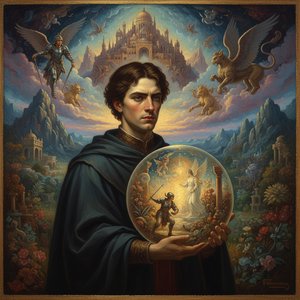
Gustave Moreau: Symbolism's Enigmatic Visionary & Precursors of Modern Fantasy Art
Explore the captivating world of Gustave Moreau, the leading Symbolist painter. Discover his iconic masterpieces, influences, and lasting legacy. Expert analysis for collectors & art enthusiasts.

Giclée Prints: Archival Quality & Aesthetic Nuances for the Discerning Collector
Explore the world of giclée prints with OriginalUniqueArt. Learn about archival quality, aesthetic nuances & investment potential. Expert guidance for discerning art collectors seeking museum-quality reproductions and lasting value.

The Enduring Legacy of Fine Art Prints: Technique, History & Aesthetic Impact
Explore the rich history & techniques of fine art prints. Discover investment potential, assess authenticity, and learn how to preserve your collection with expert guidance. Trusted insights for discerning collectors.

Echoes of Time: Exploring the Enduring Appeal & Historical Context of Vintage Art Prints
Explore the captivating world of vintage art prints! Discover their history, collecting tips & enduring appeal. Expert insights on chromolithography and building a legacy collection with OriginalUniqueArt.



