Bekijk op ware grootte
 Verstuur
 Delen
Delen
 Details bekijken
 Gids voor studentenkunstwerken

 Download
 Vergelijkbare items
 Röntgenonderzoek
 Diavoorstelling
 Statistieken
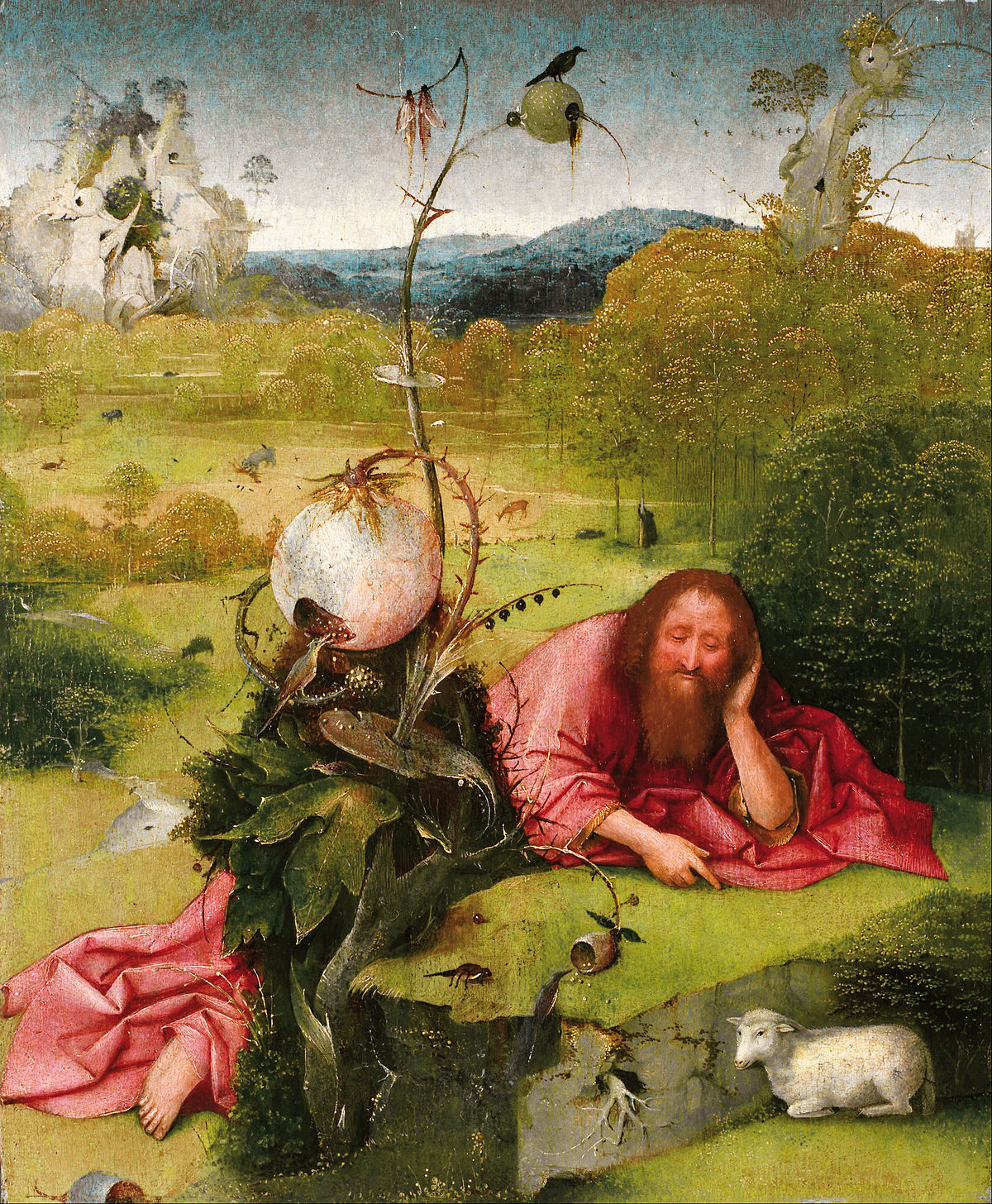
St Johannes de Baptistus
 Acryl op canvas
- Wanddecoratie
- Mannerist Style
 178.0 x 154.0 cm
 Liechtenstein Museum
 Lees meer
Giclée / Kunstafdrukken
Giclée- of canvasafdruk van museumkwaliteit met een snelle productie en flexibele afwerkingsmogelijkheden. ( Koop handgeschilderd kunstwerk Schakel over naar digitale afbeeldingen)




P118B €10

P118H €10

P118W €10

P438Z €10

P508JH €12

P508YH €12

P805H €10

P805Z €10

P919BZ €10

P919G €10

P919XJ €10

P959ZH €10

P968JZ €12

W106C €8

W218G €10

W218JH €8

W218Y €10

W307PJ €10

W316G €10

W316PJ €8

W316Y €10

W398PJ €8

W4111J €10

W500HY €15

W500JH €15

W692G €12

W849H €8

W940BG €15

W953PJ €8




Kies uit onze vooraf ingestelde maten die overeenkomen met de originele verhoudingen van het kunstwerk.

U kunt uw eigen afmetingen opgeven om in een specifieke lijst of ruimte te passen. Als de door u gekozen maat niet overeenkomt met de proporties van het originele kunstwerk, zullen wij de afbeelding bijsnijden of uitbreiden met een gespiegelde of effen rand. Een digitaal mockup wordt ter goedkeuring naar u verzonden voordat de productie begint.
Houd er rekening mee dat de preview op het scherm de werkelijke bijsneding of uitbreiding niet weergeeft. Alleen de mockup toont de uiteindelijke compositie nauwkeurig.
Hoewel aangepaste maten beschikbaar zijn, raden wij aan een afmeting uit de vooraf bepaalde lijst te kiezen om de originele proporties te behouden.
Wereldwijde levering () binnen 2 weken in plaats van de standaard 4/5 weken. (11 oktober)

Gratis wereldwijde expressverzending

Hoogwaardig linnen canvas

Volledige verzendverzekering

Garantie op terugbetaling van invoerrechten

Garantie op exacte kleurweergave

Retourbeleid van 100 dagen (alleen bij defecten)

100% Geld-terug-garantie

Korting bij meerdere afnames
 De optie voor glas is alleen beschikbaar bij een formaat kleiner dan 110 cm.

St Johannes de Baptistus
Giclée / Kunstafdrukken
Formaat reproductie
-


Totaalprijs
€ 70
St John the Baptist in the Wilderness: A Renaissance Vision of Spiritual Isolation
Giulio Romano’s *St John the Baptist in the Wilderness* stands as a testament to the Mannerist style's fascination with psychological complexity and dramatic visual effects—a captivating exploration of faith and solitude executed during Rome’s artistic zenith. Painted around 1530, this monumental panel depicts Saint John, arguably one of Christendom’s most revered figures, portrayed in a desolate landscape reflecting his prophetic exile before baptism. The artwork's enduring appeal lies not merely in its meticulous depiction but also in the profound symbolism embedded within its composition and color palette.- Subject Matter & Symbolism: The scene captures John’s iconic moment of solitude—a prophet awaiting the divine commission to baptize Jesus Christ. The leopard skin garment, a traditional attribute symbolizing royalty and strength, juxtaposes with his humble stance, highlighting the saint's inner fortitude amidst external vulnerability. The scroll bearing Hebrew scripture underscores the importance of biblical prophecy and divine revelation.
- Style & Technique: Romano’s masterful handling of chiaroscuro—the dramatic interplay between light and shadow—dominates the canvas. This technique, perfected by artists like Michelangelo and Raphael before him, amplifies the emotional impact of the image, creating a palpable sense of atmosphere and conveying John's psychological state with remarkable precision. The artist employs meticulous detail in rendering the rocky terrain and flowing water, grounding the figure within a realistic yet stylized environment.
- Historical Context: Created during the turbulent years following Raphael’s death, Romano’s work embodies the Mannerist movement’s rejection of Renaissance ideals of harmony and balance. Instead, he prioritizes expressive distortion and theatrical grandeur—a deliberate departure from classical conventions that reflects the anxieties and spiritual uncertainties of the era. The painting aligns with broader artistic trends aimed at provoking contemplation and conveying profound emotional truths.
- Material & Support: Executed on a poplar panel, Romano’s technique demonstrates the mastery of Renaissance craftsmen. The careful preparation of the surface and the application of oil paint—a relatively new medium at the time—ensure exceptional durability and luminosity, allowing for reproductions that faithfully capture the original artwork's vibrancy and textural richness.
- Emotional Impact: *St John the Baptist in the Wilderness* transcends mere representation; it invites viewers to contemplate themes of asceticism, faith, and divine grace. The artist’s skillful use of color—primarily earthy tones accented by subtle blues—creates a mood of contemplative solemnity, mirroring John's inner turmoil and unwavering devotion.
Vragen & Antwoorden
Wat is de dominante kleur van "St Johannes de Baptistus" door Giulio Romano?
De dominante kleur van "St Johannes de Baptistus" door Giulio Romano is Zwart (#151116).
Is Giulio Romano, maker van "St Johannes de Baptistus", bekend onder andere namen?
Giulio Romano staat ook bekend als Giulio Pippi, Jules Romain.
Is "St Johannes de Baptistus" een beroemd kunstwerk uit de Mannerist Style-stroming?
"St Johannes de Baptistus" staat geregistreerd als Gerenommeerd onder de werken uit de Mannerist Style in de catalogus.
Met welk gevoel wordt "St Johannes de Baptistus" geassocieerd?
"St Johannes de Baptistus" roept een Mysterieus gevoel op. De emotionele toon beschrijft de indruk die het werk achterlaat.
Kan ik "St Johannes de Baptistus" door Giulio Romano bekijken voordat ik bestel?
Om een reproductie van "St Johannes de Baptistus" door Giulio Romano te bekijken, opent u de Voorvertoning pagina van het kunstwerk.
Hoe kan "St Johannes de Baptistus" door Giulio Romano worden gebruikt in interieurdecoratie?
"St Johannes de Baptistus" wordt aanbevolen voor Accent, en de ideale ruimte hiervoor is een Woonkamer.
Hoe komen medium en beweging samen in "St Johannes de Baptistus"?
"St Johannes de Baptistus" door Giulio Romano combineert de Acryl op canvas-techniek met de Mannerist Style-stijl. Techniek en stroming beschrijven de vervaardiging en de stijl van het werk.
Wat stelt "St Johannes de Baptistus" door Giulio Romano voor?
"St Johannes de Baptistus" door Giulio Romano toont: saint john, baptist, wilderness, landscape, renaissance, frescoes, religious art.
Biografie van de kunstenaar
A Roman Beginning and Apprenticeship Under a Master
Giulio Romano, born Giulio Pippi around 1499 in Rome, emerged during a period of intense artistic transformation. Details surrounding his early life remain somewhat shrouded in mystery, yet it’s known he quickly entered the orbit of Raphael, arguably the most celebrated painter of the High Renaissance. This apprenticeship proved profoundly formative, not only shaping his technical skills but also laying the foundation for his future stylistic explorations. He wasn't merely a studio assistant; Giulio rapidly evolved into an indispensable collaborator, contributing significantly to monumental projects like the decoration of the Vatican Stanze – those magnificent rooms commissioned by Popes Julius II and Leo X. His hand is readily identifiable in *The Fire in the Borgo*, where he assisted Raphael in depicting a dramatic scene of miraculous intervention, capturing the intensity and dynamism that would become hallmarks of his later work. Following Raphael’s untimely death in 1520, Giulio inherited responsibility for completing numerous unfinished commissions, including the ambitious decoration of Villa Madama for Cardinal Giuliano de' Medici. This early exposure to large-scale projects and the demands of aristocratic patronage instilled within him a remarkable confidence and ambition—qualities that would define his subsequent career trajectory.The Birth of Mannerism: A Departure from Classical Harmony
While firmly rooted in Renaissance tradition, Giulio Romano’s artistic path soon diverged from the prevailing emphasis on classical balance and harmony. He became a key figure in the development of Mannerism – a style characterized by its deliberate artificiality, elegant distortions, and often unsettling psychological depth. Deeply influenced by Michelangelo's powerfully sculpted figures and dynamic compositions, as well as a broader climate of artistic experimentation within Rome, Giulio began to embrace asymmetry, tension, and emotional intensity in his work. This wasn’t a rejection of Renaissance ideals so much as a considered exploration of their limits—a deliberate push beyond the constraints of naturalism to create works that were more expressive and intellectually stimulating. He increasingly modified Raphael's plans, injecting a new sensibility into Roman art—a bold statement of Mannerism on a grand scale. This shift is readily apparent in his drawings, which exhibit a remarkable freedom of line and a penchant for dramatic foreshortening, hinting at the complex spatial arrangements he would later employ in his frescoes.Mantua’s Master: Palazzo Te and Architectural Innovation
In 1524, Giulio accepted an invitation from Federico II Gonzaga, Duke of Mantua, to become court painter and architect—a pivotal moment that dramatically altered the course of his career. This relocation provided him with unprecedented creative freedom and access to substantial resources. He essentially became responsible for all artistic activity within the duchy, overseeing not only paintings and frescoes but also architectural projects, elaborate garden designs, and even theatrical productions. His most celebrated achievement during this period is undoubtedly Palazzo Te, an extraordinary suburban villa that stands as a testament to his innovative genius. The palace’s interiors are adorned with illusionistic frescoes of breathtaking complexity and psychological depth—a dazzling display of virtuosity. The *Sala dei Giganti* (Hall of the Giants), for example, depicts a chaotic battle between gods and giants, engulfing the viewer in a swirling vortex of figures and architectural fragments, creating an immersive experience that is both awe-inspiring and unsettling. Beyond Palazzo Te, Giulio undertook significant renovations to Mantua’s ducal palace and cathedral, leaving an indelible mark on the city's urban landscape—transforming it into a showcase for his artistic vision.Key Works and Artistic Style
Giulio Romano’s oeuvre is characterized by a masterful command of illusionistic technique, combined with a profound understanding of human psychology. His frescoes are not merely decorative; they are carefully constructed narratives designed to evoke specific emotions and create dramatic effects. He frequently employed techniques such as *quadrature* (the use of geometric shapes to define space) and *prospettiva artificiale* (artificial perspective) to achieve the desired spatial illusions. His drawings, particularly those created during his time in Rome, reveal a remarkable draftsmanship and a fascination with line and form. Notable works include:- *The Fire in the Borgo* (Vatican Stanze)
- *Villa Madama* (Rome) – decorative elements
- Palazzo Te (Mantua) – overall design and frescoes
- Studies of Warriors, Horsemen, and Lions
- Various mythological scenes and portraits
Legacy and Lasting Influence
Giulio Romano died in Mantua in 1546, leaving behind a legacy that extended far beyond Italy’s borders. His drawings were highly prized by collectors throughout Europe, and engravings based on his work – particularly those by Marcantonio Raimondi – played a crucial role in disseminating Italian artistic styles to a wider audience. He was so renowned after his death that he is the only “modern” artist mentioned by William Shakespeare in *Henry VIII*, a testament to his widespread renown. His influence can be seen in the works of numerous subsequent artists, who adopted his dynamic compositions, elongated figures, and expressive use of color. While Mannerism eventually gave way to other stylistic movements, Giulio Romano’s contributions remain essential to understanding the evolution of Western art—a pivotal moment marked by a transition from the harmonious ideals of the High Renaissance to the more complex and emotionally charged aesthetic of the late 16th century. His work continues to captivate and challenge viewers today, reminding us of the power of art to both reflect and shape our understanding of the world.
Giulio Romano
1499 - 1546 , Italië
Snelle feiten
- Artistic Movement Or Style: Manierisme
- Artists Or Movements Influenced By This Artist: ['Manieristische kunstenaars']
- Artists Who Influenced This Artist:
- Raphael
- Michelangelo
- Date Of Birth: c. 1499
- Date Of Death: 1 november 1546
- Full Name: Giulio Romano
- Nationality: Italiaans
- Notable Artworks:
- De brand in de Borgo
- Palazzo Te
- Place Of Birth: Rome, Italië
Gerelateerde artikelen

John Singer Sargent's Top 25 Meesterwerken: Portretten & Schilderijen voor uw Interieur | OriginalUniqueArt
Ontdek de 25 mooiste meesterwerken van John Singer Sargent! Van elegante portretten tot impressionistische schilderijen – leer over zijn leven, techniek & impact. Museumkwaliteit reproducties voor uw interieur op OriginalUniqueArt.com.
The Enduring Legacy of Fresco Painting: Techniques, History & Contemporary Relevance
Explore the rich history & enduring artistry of fresco painting – from Giotto to Michelangelo! Discover techniques, conservation efforts, & modern applications. Learn how OriginalUniqueArt brings this timeless art form to your home.

De Fresco als Familielegatie: Schilder Je Erfgoed op de Muren
Ontdek de fascinerende wereld van fresco schilderkunst! Leer over technieken, geschiedenis en restauratie. Expertise & hoogwaardige reproducties bij .

John Constable's Top 25 Meesterwerken: Landschappen die de Ziel Raaken | OriginalUniqueArt
Ontdek de 25 mooiste schilderijen van John Constable, meester van de Engelse Romantiek. Van idyllische landschappen tot iconische Hay Wain – bewonder zijn techniek en emotie. Museumkwaliteit reproducties & decoratie op OriginalUniqueArt.com.
Giulio Romano: A Master of Mannerism & the Palazzo Te Legacy
Explore the revolutionary art of Giulio Romano, master of Mannerism & architect of Palazzo Te. Discover his influence, investment potential, and stunning frescoes – a guide for discerning collectors.