Schakel over naar print
 Lees meer







































 Voor kunstwerken of reproducties die aan één zijde groter zijn dan 105 cm (ongeveer 41 inch), wordt de lijst als een losse set verzonden. Deze methode garandeert een veilige levering en voorkomt schade tijdens het transport.


St John the Baptist in the Wilderness: A Renaissance Vision of Spiritual Isolation
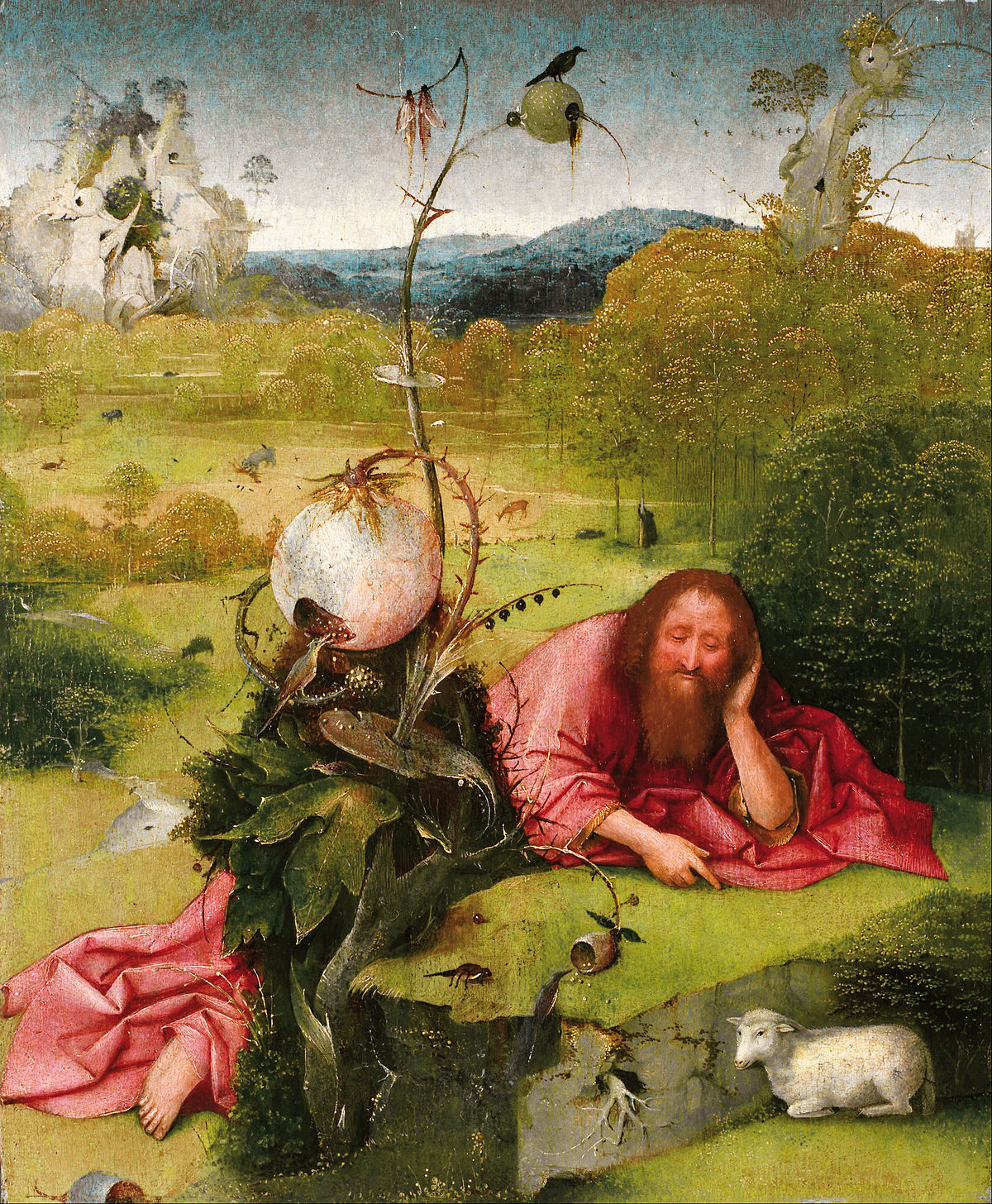
Giulio Romano’s *St John the Baptist in the Wilderness* stands as a testament to the Mannerist style's fascination with psychological complexity and dramatic visual effects—a captivating exploration of faith and solitude executed during Rome’s artistic zenith. Painted around 1530, this monumental panel depicts Saint John, arguably one of Christendom’s most revered figures, portrayed in a desolate landscape reflecting his prophetic exile before baptism. The artwork's enduring appeal lies not merely in its meticulous depiction but also in the profound symbolism embedded within its composition and color palette.- Subject Matter & Symbolism: The scene captures John’s iconic moment of solitude—a prophet awaiting the divine commission to baptize Jesus Christ. The leopard skin garment, a traditional attribute symbolizing royalty and strength, juxtaposes with his humble stance, highlighting the saint's inner fortitude amidst external vulnerability. The scroll bearing Hebrew scripture underscores the importance of biblical prophecy and divine revelation.
- Style & Technique: Romano’s masterful handling of chiaroscuro—the dramatic interplay between light and shadow—dominates the canvas. This technique, perfected by artists like Michelangelo and Raphael before him, amplifies the emotional impact of the image, creating a palpable sense of atmosphere and conveying John's psychological state with remarkable precision. The artist employs meticulous detail in rendering the rocky terrain and flowing water, grounding the figure within a realistic yet stylized environment.
- Historical Context: Created during the turbulent years following Raphael’s death, Romano’s work embodies the Mannerist movement’s rejection of Renaissance ideals of harmony and balance. Instead, he prioritizes expressive distortion and theatrical grandeur—a deliberate departure from classical conventions that reflects the anxieties and spiritual uncertainties of the era. The painting aligns with broader artistic trends aimed at provoking contemplation and conveying profound emotional truths.
- Material & Support: Executed on a poplar panel, Romano’s technique demonstrates the mastery of Renaissance craftsmen. The careful preparation of the surface and the application of oil paint—a relatively new medium at the time—ensure exceptional durability and luminosity, allowing for reproductions that faithfully capture the original artwork's vibrancy and textural richness.
- Emotional Impact: *St John the Baptist in the Wilderness* transcends mere representation; it invites viewers to contemplate themes of asceticism, faith, and divine grace. The artist’s skillful use of color—primarily earthy tones accented by subtle blues—creates a mood of contemplative solemnity, mirroring John's inner turmoil and unwavering devotion.
Veelgestelde vragen
Welke afmeting voor de reproductie wordt aanbevolen voor "St Johannes de Baptistus" door Giulio Romano?
Voor "St Johannes de Baptistus" wordt een afdrukformaat van Groot formaat aanbevolen. Andere formaten zijn beschikbaar met dezelfde verhoudingen.
Hoe past "St Johannes de Baptistus" binnen de thema's en stijl van Giulio Romano?
"St Johannes de Baptistus" behoort tot het Mannerist Style-werk van Giulio Romano, waarvan de bekende thema's onder meer raphael’s legacy, religious symbolism, roman renaissance, architectural decoration, monumental frescoes omvatten.
Hoe kan ik "St Johannes de Baptistus" door Giulio Romano bekijken als een diavoorstelling?
Er is een diavoorstelling beschikbaar op de Diavoorstelling-pagina van "St Johannes de Baptistus" door Giulio Romano.
 Voorvertoning
 Verstuur
 Delen
Delen
 Details bekijken
 Gids
Gids

 Download
 Vergelijkbare items
 Röntgenonderzoek
 Diavoorstelling
 Q&A
Q&A Statistieken