Voorvertoning
 Verstuur
 Delen
Delen
 Details bekijken
 Gids
Gids

 Download
 Vergelijkbare items
 Röntgenonderzoek
 Diavoorstelling
 Statistieken
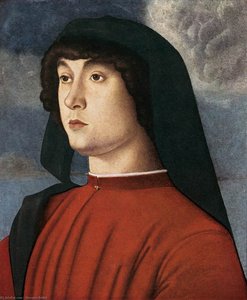
Pesaro Altarpiece


 Lees meer
Giclée / Kunstafdrukken
Giclée- of canvasafdruk van museumkwaliteit met een snelle productie en flexibele afwerkingsmogelijkheden. ( Bestel handgeschilderde reproductie Schakel over naar digitale afbeeldingen)




P118B €10

P118H €10

P118W €10

P438Z €10

P508JH €12

P508YH €12

P805H €10

P805Z €10

P919BZ €10

P919G €10

P919XJ €10

P959ZH €10

P968JZ €12

W106C €8

W218G €10

W218JH €8

W218Y €10

W307PJ €10

W316G €10

W316PJ €8

W316Y €10

W398PJ €8

W4111J €10

W500HY €15

W500JH €15

W692G €12

W849H €8

W940BG €15

W953PJ €8




Kies uit onze vooraf ingestelde maten die overeenkomen met de originele verhoudingen van het kunstwerk.

Voer de gewenste breedte en hoogte in, passend bij uw lijst of muur. Een afdruk kan alleen worden ingekort en nooit groter worden gemaakt dan het origineel; een formaat met andere verhoudingen zal daarom een deel van de afbeelding verliezen. Wij sturen u een digitaal mockup ter goedkeuring voordat we tot drukwerk overgaan. De afbeelding op deze pagina toont niet de werkelijke uitsnede — dit is alleen te zien op het mockup.
Wereldwijde levering () binnen 2 weken in plaats van de standaard 4/5 weken. (25 oktober)

Gratis wereldwijde expressverzending

Hoogwaardig linnen canvas

Volledige verzendverzekering

Garantie op terugbetaling van invoerrechten

Garantie op exacte kleurweergave

Retourbeleid van 100 dagen (alleen bij defecten)

100% Geld-terug-garantie

Korting bij meerdere afnames
 De optie voor glas is alleen beschikbaar bij een formaat kleiner dan 110 cm.

Pesaro Altarpiece
Giclée / Kunstafdrukken
Afmetingen reproductie
-


Eindtotaal
€ 71
The Pesaro Altarpiece: A Window Into Renaissance Spirituality
Giovanni Bellini’s “Pesaro Altarpiece,” completed around 1471, stands as an emblem of Venetian Renaissance art—a testament to the era's fascination with both religious devotion and artistic innovation. Housed in the Musei Civici di Pesaro, Italy, this monumental oil painting transcends mere visual representation; it’s a carefully crafted narrative designed to evoke contemplation and convey profound spiritual truths.
Artistic Significance: Bellini's mastery lies in his ability to capture the ethereal beauty of faith. The altarpiece depicts a complex scene featuring Jesus Christ, Mary Magdalene, and several saints within an ornate church interior. Unlike earlier Byzantine art, which prioritized symbolic representation over naturalism, Bellini embraced a humanist perspective—albeit tempered by Christian dogma—resulting in a remarkably realistic depiction of figures and drapery. This breakthrough technique was achieved through the meticulous layering of oil paint, allowing for subtle gradations of color and texture that imbue the artwork with an unparalleled sense of atmosphere.
- Color Palette: Bellini’s use of rich pigments—deep reds, blues, golds—creates a luminous effect that dominates the composition. These colors aren't merely decorative; they symbolize divine grace and majesty, guiding the viewer’s gaze toward the central figures.
- Detail & Texture: The altarpiece is replete with intricate details – from the exquisitely rendered folds of Mary Magdalene’s robe to the sculpted frame—demonstrating Bellini’s unparalleled skill in capturing surface textures. These meticulous observations reflect a Renaissance preoccupation with observation and accuracy.
- Compositional Harmony: The arrangement of figures within the church space is carefully considered, establishing a visual hierarchy that reinforces the narrative's spiritual message. Symmetry plays a crucial role, emphasizing balance and conveying a sense of orderliness—values central to humanist thought.
Historical Context: Commissioned for San Francesco’s Church in Pesaro, the altarpiece reflects the burgeoning patronage of wealthy families like the Montefeltro dynasty. This period witnessed a revival of classical ideals alongside renewed interest in Christian iconography—a dynamic interplay that fueled artistic experimentation and produced masterpieces like this.
Symbolism: The Pesaro Altarpiece is laden with symbolic references. Mary Magdalene’s posture embodies humility and repentance, while the saints surrounding Jesus represent divine protection and guidance. The overall scene speaks to themes of redemption and salvation—concepts paramount in Renaissance spirituality.
Emotional Impact: Viewing Bellini's “Pesaro Altarpiece” inspires a feeling of serenity and reverence. Its luminous colors and masterful execution transport the viewer into a realm of contemplative beauty, reminding us of the enduring power of art to communicate profound spiritual truths.
Further Exploration: For more information about Giovanni Bellini and his artistic legacy, visit OriginalUniqueArt.com. You can also delve deeper into similar masterpieces like Jan Van Eyck’s “Madonna of Canon van der Paele” on OriginalUniqueArt.com – a remarkable example of Early Renaissance Flemish art.
Discover exquisite oil painting reproductions of the Pesaro Altarpiece and countless other iconic artworks at OriginalUniqueArt.com.
Veelgestelde vragen
Wat voor soort kunstwerk is "Pesaro Altarpiece"?
In de catalogus is "Pesaro Altarpiece" door Giovanni Bellini geclassificeerd als WallArt. Deze categorie helpt bij het vinden van vergelijkbare werken.
Hoe oud was Giovanni Bellini toen "Pesaro Altarpiece" werd gemaakt?
Toen "Pesaro Altarpiece" werd gemaakt in 1471, was Giovanni Bellini - geboren in 1433 - 38 jaar oud.
Wat is de luminantie van "Pesaro Altarpiece" door Giovanni Bellini?
De kleuren van "Pesaro Altarpiece" hebben een luminantie van Gentle Luminance.
Biografie kunstenaar
A Venetian Master: The Life and Legacy of Giovanni Bellini
Giovanni Bellini, a name inextricably linked to the heart of Venice, stands as a pivotal figure bridging the twilight of the Byzantine era and the dawn of the High Renaissance. Born around 1430 – though some sources suggest 1433 – into a family deeply rooted in the artistic traditions of the city, his life was a continuous evolution, marked by an unparalleled sensitivity to color, light, and the burgeoning humanism that would define the 16th century. The precise details of his familial relationships have long been debated; for years, Jacopo Bellini was considered his father, but modern scholarship increasingly points towards Jacopo being Giovanni’s elder half-brother, with Gentile Bellini as his nephew rather than sibling. Regardless of these intricate family dynamics, young Giovanni grew up immersed in a vibrant workshop, absorbing the foundational techniques and artistic principles from an early age. His initial training likely involved mastering the traditional tempera methods prevalent at the time, but it was his innate talent for observation, coupled with a profound emotional intelligence, that would ultimately distinguish him as a truly exceptional artist.Early Influences and Artistic Foundations
The artistic landscape of 15th-century Venice presented a fascinating confluence of influences – a unique blend of Byzantine grandeur, the emerging styles of Florence, and the distinctive Venetian tradition. The city’s position as a major trading hub exposed its artists to diverse cultural currents and ideas from across Europe and beyond. Simultaneously, the enduring legacy of Byzantium continued to exert a powerful pull on Venetian art, particularly in its use of rich colors, elaborate ornamentation, and spiritual themes. Bellini's early works reflect this complex interplay of influences. Initially, his style bore the unmistakable mark of his father, Jacopo, and his brother, Gentile, characterized by meticulous detail, a restrained emotional palette, and a focus on formal precision. However, even within these early pieces, subtle hints of his future brilliance began to emerge – a delicate handling of light, an increasing interest in naturalistic settings, and a remarkable ability to imbue religious figures with a palpable sense of human pathos and vulnerability. The influence of Andrea Mantegna, his brother-in-law, is also readily apparent during this period, particularly in the clarity of line, the monumental scale of figures, and the use of perspective – elements that would profoundly shape Bellini’s own artistic development. Bellini's early commissions often involved collaborative projects, allowing him to hone his skills alongside some of Venice’s most accomplished painters.The Revolution of Oil Paint: A New Language for Color
Giovanni Bellini’s true breakthrough came with the adoption and masterful exploitation of oil paint. While not the inventor of this technique – it had been introduced to Italy from the East earlier in the century – Bellini was among the first Venetian artists to fully embrace its potential, transforming the very language of painting. Unlike tempera, which demanded a swift, linear approach and often resulted in brittle colors, oil paint allowed for unprecedented blending, richer hues, subtle gradations of tone, and a remarkable degree of luminosity. This newfound freedom fundamentally altered Bellini’s artistic process, enabling him to create paintings that possessed an astonishing depth and vibrancy. His use of color became increasingly sophisticated, moving away from the often-harsh, overly bright palette favored by earlier Venetian painters towards a more nuanced, harmonious, and emotionally resonant range of tones. He masterfully captured the effects of light and atmosphere, imbuing his landscapes with a sense of serenity, mystery, and profound realism – a departure from the stylized representations common in previous generations. This revolutionary approach to oil paint not only transformed Bellini’s own work but also laid the foundation for the distinctive style that would come to define the Venetian school—a style celebrated throughout Europe for its sensuousness, coloristic richness, and atmospheric perspective.Major Works and Artistic Evolution
As Giovanni Bellini matured, his artistic vision continued to evolve with remarkable sophistication. His altarpieces, such as those created for the churches of San Zaccaria and Santa Corona, demonstrate his ability to construct complex compositions filled with symbolic meaning, intricate detail, and profound emotional resonance. The *Transfiguration*, now housed in the Capodimonte Museum in Naples, stands as a prime example of this artistic evolution – a serene depiction of Christ’s transformation combined with a masterful use of light, color, and perspective. He also served as conservator of the paintings within Doge's Palace, further solidifying his position as Venice’s leading artist and cultural figure. Throughout his career, Bellini explored a wide range of subjects – from religious scenes to portraits, landscapes, and mythological narratives—each imbued with his unique artistic sensibility. His later works are characterized by a heightened sense of spirituality, a greater emphasis on the emotional expression of figures, and an increasingly lyrical use of color.A Lasting Legacy: Influence and Remembrance
Giovanni Bellini’s impact extended far beyond his own lifetime. He became a mentor to a generation of younger painters, including Giorgione and Titian, who would inherit his techniques, aesthetic principles, and artistic vision—adapting them to their own individual styles and contributing to the golden age of Venetian painting. His influence can be seen in countless works created by artists throughout Europe, solidifying his place as one of the most important figures in Western art history. Bellini’s legacy is not simply one of technical brilliance; it is a testament to the power of art to transcend time and connect us to the enduring values of human experience. From the serene beauty of his Madonnas to the dramatic intensity of his religious scenes, Bellini's work continues to inspire awe and admiration centuries after its creation—a vibrant reminder of Venice’s artistic heritage and a profound exploration of the mysteries of faith, beauty, and the human spirit.
Giovanni Bellini
1433 - 1516 , Italië
Belangrijkste feiten
- Artistic Movement Or Style: Venetiaanse School
- Artists Or Movements Influenced By This Artist:
- Giorgione
- Titian
- Artists Who Influenced This Artist:
- Jacopo Bellini
- Gentile Bellini
- Mantegna
- Date Of Birth: c. 1430
- Date Of Death: 1516
- Full Name: Giovanni Bellini
- Nationality: Italiaans
- Notable Artworks:
- St. Jerome
- Transfiguratie
- Place Of Birth: Venetië, Italië
Gerelateerde artikelen

De Blijvende Erfenis van Olieverf op Doek: Techniek, Geschiedenis en Hedendaagse Praktijk
Ontdek de rijke geschiedenis en technieken van olieverfschilderen. Van Renaissance meesterwerken tot moderne toepassingen, leer over pigmenten, glazuur en conservering.
The Soul of Impressionism: Why Oil on Canvas Captures Eternal Light and Timeless Emotion
Discover the enchanting alchemy of Impressionism. Explore how the mastery of oil on canvas, through glazing and impasto, captures eternal light and emotion. Perfect for lovers of Monet and Van Gogh seeking the profound depth of hand-painted fine art.

The Enduring Power of Painting: A Historical & Contemporary Exploration of Form and Emotion
Explore the rich history & enduring techniques of oil painting with OriginalUniqueArt. Discover masterpieces, learn about art collecting, and find authentic handmade reproductions crafted by skilled artists.

The Enduring Legacy of Oil on Canvas: Technique, History & Aesthetic Impact
Explore the rich history & techniques of oil painting – from Renaissance masters to Impressionism. Discover pigments, layering methods, and why this timeless medium endures. Expert insights for artists & art enthusiasts.

Oil on Canvas: A Historical & Technical Exploration of a Timeless Artistic Medium
Explore the rich history & enduring techniques of oil painting on canvas. Discover the science behind its longevity, conservation practices, and contemporary relevance. Expert insights for art enthusiasts.