

 Bekijk op ware grootte
 Verstuur
 Delen
Delen
 Details bekijken
 Gids voor studentenkunstwerken

 Download
 Vergelijkbare items
 Röntgenonderzoek
 Diavoorstelling
 Statistieken
The Dentist
 Oil On Canvas
- WallArt
- Baroque
 1622
1622- Early Modern
 147.0 x 219.0 cm
 Gemäldegalerie Alte Meister
 Lees meer
Giclée / Kunstafdrukken
Giclée- of canvasafdruk van museumkwaliteit met een snelle productie en flexibele afwerkingsmogelijkheden. ( Koop handgeschilderd kunstwerk Schakel over naar digitale afbeeldingen)




P118B €10

P118H €10

P118W €10

P438Z €10

P508JH €12

P508YH €12

P805H €10

P805Z €10

P919BZ €10

P919G €10

P919XJ €10

P959ZH €10

P968JZ €12

W106C €8

W218G €10

W218JH €8

W218Y €10

W307PJ €10

W316G €10

W316PJ €8

W316Y €10

W398PJ €8

W4111J €10

W500HY €15

W500JH €15

W692G €12

W849H €8

W940BG €15

W953PJ €8




Kies uit onze vooraf ingestelde maten die overeenkomen met de originele verhoudingen van het kunstwerk.

U kunt uw eigen afmetingen opgeven om in een specifieke lijst of ruimte te passen. Als de door u gekozen maat niet overeenkomt met de proporties van het originele kunstwerk, zullen wij de afbeelding bijsnijden of uitbreiden met een gespiegelde of effen rand. Een digitaal mockup wordt ter goedkeuring naar u verzonden voordat de productie begint.
Houd er rekening mee dat de preview op het scherm de werkelijke bijsneding of uitbreiding niet weergeeft. Alleen de mockup toont de uiteindelijke compositie nauwkeurig.
Hoewel aangepaste maten beschikbaar zijn, raden wij aan een afmeting uit de vooraf bepaalde lijst te kiezen om de originele proporties te behouden.
Wereldwijde levering () binnen 2 weken in plaats van de standaard 4/5 weken. (11 oktober)

Gratis wereldwijde expressverzending

Hoogwaardig linnen canvas

Volledige verzendverzekering

Garantie op terugbetaling van invoerrechten

Garantie op exacte kleurweergave

Retourbeleid van 100 dagen (alleen bij defecten)

100% Geld-terug-garantie

Korting bij meerdere afnames
 De optie voor glas is alleen beschikbaar bij een formaat kleiner dan 110 cm.

The Dentist
Giclée / Kunstafdrukken
Formaat reproductie
-


Totaalprijs
€ 70
A Nocturnal Drama in Light and Shadow
In the dim, flickering atmosphere of a seventeenth-century interior, Gerard van Honthorst captures a moment of profound human vulnerability. The Dentist is not merely a depiction of a medical procedure; it is a masterclass in the Baroque tenebrism that earned the artist his legendary moniker, Glimmer of the Night. As we gaze upon this canvas, we are drawn into a tight, almost claustrophobic circle of figures, where the sharp, singular source of light carves shapes out of an encroaching darkness. The central figure, reclined in a state of palpable discomfort, becomes the emotional anchor of the piece, his face illuminated by a soft yet piercing glow that highlights every nuance of pain and apprehension.
The composition is a rhythmic dance of light and shadow, where Honthorst utilizes chiaroscuro to direct the viewer's eye with surgical precision. The candlelight does more than just illuminate; it breathes life into the textures of the scene—the heavy folds of period clothing, the cold glint of rudimentary dental instruments, and the weary expressions of the onlookers. This dramatic interplay creates a sense of immediacy, making the viewer feel less like a distant observer and more like an uninvited guest standing just at the edge of the candlelight's reach.
The Pulse of the Dutch Golden Age
To understand The Dentist is to understand the transformative era of the Dutch Golden Age and the profound influence of Caravaggio on the Utrecht Caravaggisti. Honthorst, having traveled to Rome, brought back a revolutionary way of seeing—a method that prioritized the psychological weight of a scene through stark contrasts. This painting serves as a window into the social anxieties of 1622, reflecting a period when medical science was often a harrowing, uncertain experience. The surrounding figures—assistants, observers, and even a young boy tending the flame—represent a cross-section of society, each face etched with a unique blend of empathy, curiosity, and dread.
Beyond the technical brilliance, there is a deep symbolic resonance within the work. The light, often associated with divinity or truth in Baroque art, here serves a more grounded, visceral purpose: it exposes the raw reality of human suffering and the communal nature of care. For the modern collector or interior designer, this piece offers much more than historical interest; it provides a sophisticated focal point that commands attention through its tonal depth and narrative complexity. It is an artwork that invites contemplation, perfect for spaces designed to evoke intimacy, drama, and a sense of timeless storytelling.
Whether displayed in a curated gallery setting or as a centerpiece in a richly textured room, a high-quality reproduction of this masterpiece brings with it the soul of the seventeenth century. It is an invitation to appreciate the beauty found in the shadows and the enduring power of a single, well-placed light.
Vragen & Antwoorden
Is "The Dentist" door Gerard van Honthorst een licht of een donker kunstwerk?
De helderheid van "The Dentist" door Gerard van Honthorst is vastgelegd op deep_shadow, met een luminantie van Dark.
Wat is de kunsthistorische betekenis van "The Dentist" door Gerard van Honthorst?
Historisch gezien is "The Dentist" een Baroque werk uit de bredere Early Modern tijdperk.
In welk jaar werd "The Dentist" gemaakt?
De creatie van "The Dentist" door Gerard van Honthorst dateert uit 1622.
Wanneer en met welke materialen is "The Dentist" gemaakt?
"The Dentist" werd gemaakt in 1622, in Oil On Canvas.
Hoe oud was Gerard van Honthorst toen "The Dentist" werd gemaakt?
Toen "The Dentist" werd gemaakt in 1622, was Gerard van Honthorst - geboren in 1590 - 32 jaar oud.
Waar kan ik "The Dentist" door Gerard van Honthorst downloaden?
"The Dentist" door Gerard van Honthorst kan worden gedownload via de Downloaden-pagina van het kunstwerk, als een download van een digitale afbeelding in hoge resolutie.
Wie is de kunstenaar achter "The Dentist"?
"The Dentist" wordt toegeschreven aan Gerard van Honthorst.
Biografie van de kunstenaar
Een leven verlicht: De wereld van Gerard van Honthorst
Gerard van Honthorst, geboren in Utrecht in 1592, was een uitzonderlijk kunstenaar die de Nederlandse Gouden Eeuw met zijn dramatische en lichtrijke schilderingen verrijkte. Zijn jeugd werd gevormd door zijn vader, een decoratieschilder, en onder de begeleiding van Abraham Bloemaert legde hij een stevige basis in techniek en compositie. Maar het was een reis naar Rome die zijn artistieke ontwikkeling radicaal veranderde. Daar, midden in de energieke sfeer van de Italiaanse Barok, ontmoette hij Caravaggio – een ontmoeting die zijn kenmerkende stijl zou definiëren en hem de bijnaam “Gherardo delle Notti” opleverde, ofwel Gerard van de Nachts. De dramatische toepassing van tenebrism, waarbij scherpe contrasten tussen licht en donker werden gebruikt, werd zijn handtekening, waardoor zijn doeken een intense spanning en emotionele diepte kregen. Het was niet zomaar imitatie; Honthorst vertaalde Caravaggio’s innovaties naar een uniek Nederlands perspectief, met de focus op intieme scènes verlicht door kunstmatige lichtbronnen – kaarsen, lampen en vuurplaatsen – waardoor een sfeer ontstond die zowel realistisch als theatralisch was. Deze beheersing van het licht was meer dan alleen technische vaardigheid; het was een manier om karakter te onthullen, de kijker in het emotionele hart van elke scène te trekken.Van Romeinse Glorie naar Nederlandse Meesterschap
Honthorst’s tijd in Rome was gekenmerkt door aanzienlijke erkenning en patronage. Hij won de gunst van de elite van de stad, waaronder Vincenzo Giustiniani, voor wie hij het krachtige “Christ Before the High Priest” schilderde – een werk dat zijn meesterschap over licht en schaduw perfect demonstreert. Deze schilderij, nu te zien in de National Gallery in Londen, toont niet alleen zijn technische bekwaamheid, maar ook zijn vermogen om diepgaande psychologische lagen in zijn figuren weer te geven. Hij versterkte zijn reputatie verder door te werken voor Cosimo II de' Medici, de Groothertog van Toscane, en later voor kardinaal Barberini, de latere paus Urbanus VIII. Deze connecties brachten hem in contact met de meest invloedrijke kunstenaars en intellectuelen van het tijdperk. Honthorst’s stijl evolueerde voortdurend, waarbij hij elementen uit de Italiaanse Barok combineerde met zijn eigen Nederlandse gevoeligheid. Hij was een meester in het creëren van sfeer en emotie, en zijn werken werden vaak gekenmerkt door hun dramatische composities en levendige kleuren.De Utrechtse Caravaggisten
Honthorst behoorde tot de *Utrechtse Caravaggisten*, een groep Nederlandse schilders die zich lieten inspireren door Caravaggio’s radicale realisme en tenebrism. Naast Hendrick ter Brugghen en Dirck van Baburen was hij een sleutelfiguur in deze beweging, die de Italiaanse Barokstijl naar Nederland bracht. Hun werk werd gekenmerkt door een nadruk op genre scènes verlicht door kunstmatige lichtbronnen, hun meesterlijke portretten en hun vermogen om emoties over te brengen door middel van het gebruik van clair-obscur. Honthorst’s focus op intieme scènes, vaak met een dramatische compositie en een sterke nadruk op licht en schaduw, onderscheidde hem van andere Nederlandse schilders van zijn tijd. Hij was niet alleen een imitator; hij ontwikkelde een eigen stijl die uniek was voor hem.Een Courtier en Collaborateur
Na zijn terugkeer naar Utrecht rond 1620 vestigde Honthorst zich snel als een toonaangevende portretschilder in de Nederlandse Republiek. Zijn vermogen om niet alleen fysieke gelijkenis, maar ook karakter en sociale status van zijn onderwerpen vast te leggen, maakte hem zeer gewild bij rijke kooplieden, edelen en zelfs koningen. Hij werd in 1623 president van het Sint-Lucasgilde in Utrecht, een bewijs van zijn toenemende invloed binnen de artistieke gemeenschap. Deze periode was gekenmerkt door een overvloed aan opdrachten, waardoor Honthorst zijn stijl verder kon verfijnen en een eigen stem ontwikkelde binnen de Nederlandse schilderkunst. Hij reisde naar Engeland om te werken voor koning Karel I en Lord Dorchester, en werkte samen met andere kunstenaars zoals Peter Paul Rubens. Deze samenwerkingen waren niet alleen bedoeld om de werkdruk te verlichten; ze waren intellectuele uitwisselingen die de artistieke wereld rijkder maakten.Erfgoed en de Utrechtse Caravaggisten
Gerard van Honthorst’s invloed reikte verder dan zijn leven. Hij was een sleutelfiguur in de *Utrechtse Caravaggisten* beweging – een groep Nederlandse schilders die zich lieten inspireren door Caravaggio’s dramatische realisme en tenebrism. Naast Hendrick ter Brugghen en Dirck van Baburen was hij een belangrijke vertegenwoordiger van deze stroming, die de Italiaanse Barokstijl naar Nederland bracht. Zijn nadruk op genre scènes verlicht door kunstmatige lichtbronnen, zijn meesterlijke portretten en zijn vermogen om emoties over te brengen door middel van het gebruik van clair-obscur hebben een blijvende stempel gedrukt op de ontwikkeling van de Nederlandse Gouden Eeuw schilderkunst. Zijn werk blijft vandaag de dag publiek worden gewaardeerd, en zijn dramatische schoonheid en psychologische diepgang blijven tijdloze kwaliteiten. Hij overleed in Utrecht in 1656, waarbij hij een oeuvre achterliet dat de artistieke wereld nog steeds verrijkt en ons herinnert aan de kracht van licht en schaduw om de menselijke conditie te onthullen.
Gerard van Honthorst
1590 - 1656 , Nederland
Snelle feiten
- Artistic Movement Or Style: Barok, Caravaggisme
- Artists Or Movements Influenced By This Artist: ['Utrechtse Caravaggisten']
- Artists Who Influenced This Artist: ['Caravaggio']
- Date Of Birth: 4 november 1592
- Date Of Death: 27 april 1656
- Full Name: Gerard Hermansz. van Honthorst
- Nationality: Nederlands
- Notable Artworks: ['Christ in de Olijf']
- Place Of Birth: Utrecht, Nederland
Gerelateerde artikelen

Top 10 Nederlandse Barok Meesterwerken: Kunstgeschiedenis voor uw Interieur
Ontdek de 10 meest iconische meesterwerken van de Nederlandse Barok! Leer over Rembrandt, Vermeer en andere Hollandse meesters. Prachtige reproducties voor uw interieur op OriginalUniqueArt.com – museumkwaliteit kunstprints & decoratie.

Golden Age Reflections: Dutch Baroque Painting & Cultural Innovation
Explore the Dutch Golden Age of painting! Discover key artists like Vermeer & ter Borch, their innovative techniques, and the rich cultural context behind these Baroque masterpieces. Learn about collecting & appreciating this iconic art period.

Golden Light & Dutch Skies: The Timeless Magic of Dutch Golden Age Landscapes
Discover the breathtaking beauty of Dutch Golden Age landscapes. Explore the mastery of light, chiaroscuro, and 17th-century realism through an expert art history lens, celebrating the enduring legacy of the Dutch Masters for discerning collectors and art lovers.

Top 10 Meesterwerken van de Gouden Eeuw: Kunst voor uw interieur | OriginalUniqueArt.nl
Ontdek de 10 meesterwerken van de Gouden Eeuw! Leer over Rembrandt, Vermeer & andere Hollandse schilders. Prachtige kunst reproducties voor uw interieur. Museumkwaliteit prints op OriginalUniqueArt.com.
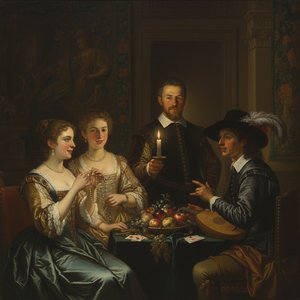
Gerard van Honthorst: Illuminating the Dutch Golden Age with Caravaggism & Courtly Grace
Explore the captivating world of Gerard van Honthorst, a Dutch Golden Age master renowned for his dramatic chiaroscuro & courtly portraits. Discover his life, art, and lasting influence on Baroque painting.
