

 Bekijk op ware grootte
 Verstuur
 Delen
Delen
 Details bekijken
 Gids
Gids

 Download
 Vergelijkbare items
 Röntgenonderzoek
 Diavoorstelling
 Statistieken
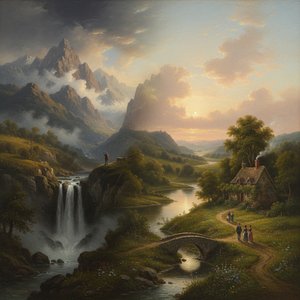
Beethoven komponiert die Pastoral


 Lees meer
Handgemaakte olieverfreproductie
Met de hand geschilderd in olieverf op canvas in uw gewenste maat en lijst, op bestelling gemaakt door onze kunstenaars. ( Schakel over naar print Schakel over naar digitale afbeeldingen)




P118B $10

P118H $10

P118W $10

P438Z $10

P508JH $12

P508YH $12

P805H $10

P805Z $10

P919BZ $10

P919G $10

P919XJ $10

P959ZH $10

P968JZ $12

W106C $8

W218G $10

W218JH $8

W218Y $10

W307PJ $10

W316G $10

W316PJ $8

W316Y $10

W398PJ $8

W4111J $10

W500HY $15

W500JH $15

W692G $12

W849H $8

W940BG $15

W953PJ $8




Kies uit onze vooraf ingestelde maten die overeenkomen met de originele verhoudingen van het kunstwerk.

U kunt uw eigen afmetingen invoeren om in een specifieke lijst of ruimte te passen. Als de door u gekozen maat niet overeenkomt met de verhoudingen van het originele beeld, zullen we het kunstwerk bijsnijden of het schilderij uitbreiden met extra handgeschilderde elementen. Een digitale mockup wordt ter goedkeuring naar u verzonden voordat de productie begint.
Houd er rekening mee dat de preview op het scherm niet de werkelijke uitsnede of uitbreiding weergeeft. Alleen de mockup toont de uiteindelijke compositie nauwkeurig.
Hoewel aangepaste afmetingen mogelijk zijn, raden we aan een maat uit de vooraf gedefinieerde lijst te selecteren om de originele verhoudingen te behouden.
Na de bestelling zal het team van OriginalUniqueArt.com per e-mail contact opnemen met de klant voor instructies en een mockup-voorbeeld sturen.
Wereldwijde levering () binnen 3 tot 4 weken in plaats van de standaard 5 weken. (21 september). Zonder concessies aan de kwaliteit.

Gratis wereldwijde expressverzending

Hoogwaardig linnen canvas

Volledige verzendverzekering

Garantie op terugbetaling van invoerrechten

Garantie op exacte kleurweergave

Retourbeleid van 100 dagen (alleen bij defecten)

100% Geld-terug-garantie

Korting bij meerdere afnames
 De optie voor glas is alleen beschikbaar bij een formaat kleiner dan 110 cm.

Beethoven komponiert die Pastoral
Reproductiemethode
Formaat reproductie
-


Totaalprijs
$ 300
Beethoven composing the Pastoral Symphony
Caspar David Friedrich, born in 1774 in the windswept Baltic town of Greifswald, wasn’t merely a painter; he was a translator of experience. His life, marked by profound personal loss and an intense connection to nature, became inextricably woven into the fabric of his art – a body of work that continues to resonate with viewers today as a poignant exploration of spirituality, solitude, and the sublime. Often considered the most important German artist of his generation, Friedrich’s landscapes aren't simply depictions of scenery; they are carefully constructed invitations to contemplate the mysteries of existence, rendered in a style both intensely personal and profoundly influential.
Early Life and Influences: A World Shaped by Loss
Friedrich’s childhood was shadowed by tragedy. The early deaths of his mother and brother instilled within him a deep sense of melancholy and an acute awareness of mortality – themes that would repeatedly surface in his art. This personal sorrow, coupled with the strict religious upbringing he received within a devout Lutheran family, profoundly shaped his worldview. He initially pursued studies at the University of Greifswald, focusing on architecture before ultimately dedicating himself to painting. Crucially, during this period, he encountered and was deeply moved by the works of Dutch masters like Jacob van Ruisdael and Jan Vermeer – artists who had mastered the subtle nuances of light and atmosphere, capturing a sense of quiet contemplation within their landscapes. These early influences instilled in him a meticulous attention to detail and a desire to evoke a specific mood or feeling through his art.
Friedrich’s artistic journey truly began after he moved to Copenhagen, where he studied at the Royal Danish Academy. However, it was in Dresden, the capital of Saxony, that he established himself as an artist and developed his unique style – a cornerstone of the burgeoning German Romantic movement. Unlike the Neoclassical emphasis on reason and order, Friedrich sought to capture the emotional power of nature, prioritizing subjective experience over objective representation. His paintings are characterized by a dramatic use of light and shadow, often employing a muted palette dominated by blues, greys, and browns, creating an atmosphere of mystery and introspection.
Several paintings stand as particularly potent examples of Friedrich’s artistic vision. “Wanderer above the Sea of Fog” (1818), perhaps his most iconic work, depicts a solitary figure gazing out over a misty landscape, embodying both human ambition and the humbling power of nature. “The Abbey in the Oak Forest” (1809) explores themes of spirituality and decay, juxtaposing the grandeur of the ruined abbey with the dense, brooding forest. “Chalk Cliffs on Rügen” (1826), showcases his mastery of atmospheric perspective and the evocative use of light to create a sense of depth and distance.
Beyond their visual beauty, these works are laden with symbolic meaning. Friedrich frequently employed motifs such as ruins, mountains, forests, and bodies of water – each carrying layers of historical, religious, and philosophical significance. He deliberately blurred the boundaries between reality and imagination, inviting viewers to engage in a dialogue with the artwork and project their own emotions and experiences onto it.
Detailed Analysis: Technique and Style
Friedrich’s technique was remarkably precise, reflecting his unwavering commitment to observation. He meticulously studied geological formations and employed aerial perspective—a method of depicting distant objects as paler and less detailed than those closer to the viewer—to convey a sense of vastness and depth. His brushstrokes were deliberate and controlled, creating textured surfaces that captured the subtle variations in light and color. The muted palette he favored – predominantly blues, greys, and browns – served not merely as aesthetic choice but as an integral component of his expressive intent.
Historical Context: Romanticism’s Embrace of Emotion
Friedrich's work emerged during the height of the German Romantic movement, a reaction against Enlightenment rationalism and a fervent celebration of emotion and imagination. Influenced by thinkers like Goethe and Schiller, Romantics sought to reconnect with nature as a source of spiritual inspiration and moral guidance. Friedrich’s landscapes mirrored this ethos, conveying a profound reverence for the sublime—that awe-inspiring experience of confronting the immensity and grandeur of the natural world.
Emotional Impact: Solitude and Contemplation
Ultimately, Friedrich's paintings aim to elicit contemplation and evoke feelings of solitude. The solitary figures he portrays are not presented as heroic or triumphant but rather as vulnerable individuals grappling with existential questions. By immersing the viewer in a landscape imbued with atmosphere and emotion, Friedrich invites us to consider our own relationship with nature and to confront the mysteries of human existence—a legacy that continues to inspire artists and audiences alike.
Biografie van de kunstenaar
Caspar David Friedrich: The Soul of the German Landscape
Caspar David Friedrich, born in 1774 in the windswept Baltic town of Greifswald, wasn’t merely a painter; he was a translator of experience. His life, marked by profound personal loss and an intense connection to nature, became inextricably woven into the fabric of his art – a body of work that continues to resonate with viewers today as a poignant exploration of spirituality, solitude, and the sublime. Often considered the most important German artist of his generation, Friedrich’s landscapes aren't simply depictions of scenery; they are carefully constructed invitations to contemplate the mysteries of existence, rendered in a style both intensely personal and profoundly influential.
Early Life and Influences: A World Shaped by Loss
Friedrich’s childhood was shadowed by tragedy. The early deaths of his mother and brother instilled within him a deep sense of melancholy and an acute awareness of mortality – themes that would repeatedly surface in his art. This personal sorrow, coupled with the strict religious upbringing he received within a devout Lutheran family, profoundly shaped his worldview. He initially pursued studies at the University of Greifswald, focusing on architecture before ultimately dedicating himself to painting. Crucially, during this period, he encountered and was deeply moved by the works of Dutch masters like Jacob van Ruisdael and Jan Vermeer – artists who had mastered the subtle nuances of light and atmosphere, capturing a sense of quiet contemplation within their landscapes. These early influences instilled in him a meticulous attention to detail and a desire to evoke a specific mood or feeling through his art.
The Development of a Distinctive Style: Romanticism Takes Root
Friedrich’s artistic journey truly began after he moved to Copenhagen, where he studied at the Royal Danish Academy. However, it was in Dresden, the capital of Saxony, that he established himself as an artist and developed his unique style – a cornerstone of the burgeoning German Romantic movement. Unlike the Neoclassical emphasis on reason and order, Friedrich sought to capture the emotional power of nature, prioritizing subjective experience over objective representation. His paintings are characterized by a dramatic use of light and shadow, often employing a muted palette dominated by blues, greys, and browns, creating an atmosphere of mystery and introspection. He frequently incorporated solitary figures – often dwarfed by the vastness of the landscape – into his compositions, suggesting humanity’s place within the grand scheme of nature. These figures aren't heroic or triumphant; they are vulnerable, contemplative, and deeply connected to their surroundings.
Key Works and Symbolic Language
Several paintings stand as particularly potent examples of Friedrich’s artistic vision. “Wanderer above the Sea of Fog” (1818), perhaps his most iconic work, depicts a solitary figure gazing out over a misty landscape, embodying both human ambition and the humbling power of nature. "The Abbey in the Oak Forest" (1809) explores themes of spirituality and decay, juxtaposing the grandeur of the ruined abbey with the dense, brooding forest. “Chalk Cliffs on Rügen” (1826), showcases his mastery of atmospheric perspective and the evocative use of light to create a sense of depth and distance. Beyond their visual beauty, these works are laden with symbolic meaning. Friedrich frequently employed motifs such as ruins, mountains, forests, and bodies of water – each carrying layers of historical, religious, and philosophical significance. He deliberately blurred the boundaries between reality and imagination, inviting viewers to engage in a dialogue with the artwork and project their own emotions and experiences onto it.
Legacy and Historical Significance
Despite enjoying early success and patronage, Friedrich’s fortunes declined significantly during his later years. The waning of Romanticism and the rise of industrialization contributed to a shift in artistic tastes, leaving him largely forgotten until the late 19th century when Symbolist artists rediscovered his work and recognized its profound emotional depth. Today, Caspar David Friedrich is celebrated as one of the most important figures in German art history – a pioneer of Romantic landscape painting who profoundly influenced generations of artists. His paintings continue to captivate viewers with their evocative atmosphere, symbolic richness, and enduring exploration of the human condition’s relationship with nature. His work remains a powerful reminder of the importance of introspection, solitude, and the sublime beauty that can be found in the natural world.

franz hegi
1774 - 1850 , Switzerland
Snelle feiten
- Artistic Movement Or Style: Romanticism
- Artists Or Movements Influenced By This Artist:
- Expressionism
- Symbolism
- Artists Who Influenced This Artist:
- J.M.W. Turner
- Joshua Reynolds
- Date Of Birth: September 5, 1774
- Date Of Death: May 7, 1840
- Full Name: Caspar David Friedrich
- Nationality: German
- Notable Artworks:
- Wanderer above the Sea of Fog
- Monk by the Sea
- The Abbey in the Oak Forest
- Place Of Birth: Greifswald, Germany
Gerelateerde artikelen

Romantische Landschappen: Top 10 Meesterwerken voor een Sfeervol Interieur | OriginalUniqueArt.nl
Ontdek de 10 meest iconische meesterwerken van de Romantiek! Reis door de tijd met Caspar David Friedrich, Turner & Delacroix. Laat je inspireren en vind museumkwaliteit kunst reproducties voor een sfeervol interieur op OriginalUniqueArt.com.

Evocations of Place: A Historical Journey Through Landscape Art
Explore the rich history of landscape art with OriginalUniqueArt. Discover renowned artists, movements like Impressionism & Romanticism, and expert guidance for collecting timeless pieces. Find your perfect serene escape today!

The Sublime and the Picturesque: Exploring Emotion & Nature in Romantic Landscape Painting
Explore the emotional power of Romantic landscape painting! Discover the sublime & picturesque traditions, key artists like Friedrich & Cole, and find your perfect artwork at OriginalUniqueArt.
The Sublime and the Picturesque: Exploring Emotion & Nature in Romantic Landscape Painting
Explore the emotional power of Romantic landscape painting! Discover the sublime & picturesque aesthetics, key artists like Friedrich & Cole, and lasting influence on art history. Find your perfect piece at OriginalUniqueArt.

John Constable's Top 25 Meesterwerken: Landschappen die de Ziel Raaken | OriginalUniqueArt
Ontdek de 25 mooiste schilderijen van John Constable, meester van de Engelse Romantiek. Van idyllische landschappen tot iconische Hay Wain – bewonder zijn techniek en emotie. Museumkwaliteit reproducties & decoratie op OriginalUniqueArt.com.
