 Voorvertoning
 Verstuur
 Delen
Delen
 Details bekijken
 Gids
Gids

 Download
 Vergelijkbare items
 Röntgenonderzoek
 Diavoorstelling
 Q&A
Q&A Statistieken
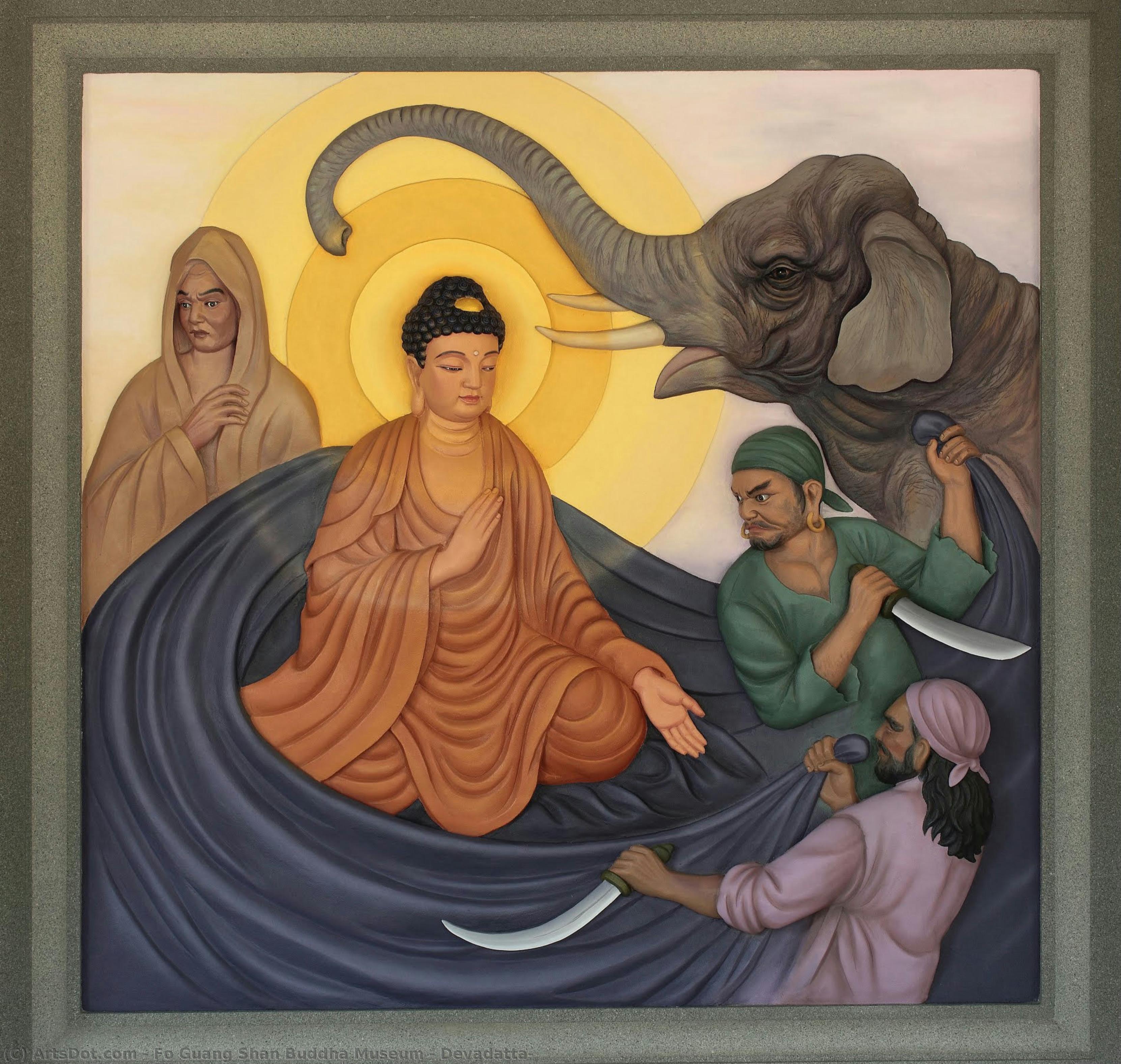
Devadatta


 Lees meer
De kunstwerken die op deze pagina worden weergegeven, zijn beschermd door de auteursrechtwetgeving, wat betekent dat het ons wettelijk niet is toegestaan om identieke reproducties te maken of te verkopen. Deze bescherming wordt gehandhaafd onder internationale overeenkomsten zoals de Conventie van Bern en door nationale wetgeving, waaronder de bepalingen van de Amerikaanse auteurswet - Titel 17. Alle rechten voorbehouden. Reproduceren of distribueren van afbeeldingen is niet toegestaan zonder uitdrukkelijke schriftelijke toestemming van WahooArt.com en de rechthebbenden.
Deze methode voldoet volledig aan de auteursrechtwetgeving, omdat het niet gaat om het kopiëren of dupliceren van het beschermde kunstwerk. In plaats daarvan is er sprake van een creatieve herinterpretatie — een nieuw schilderij dat door het origineel wordt geïnspireerd, maar er niet identiek aan is.
Giclée / Kunstafdrukken
Giclée- of canvasafdruk van museumkwaliteit met een snelle productie en flexibele afwerkingsmogelijkheden. ( Bestel handgeschilderde reproductie Schakel over naar digitale afbeeldingen)




P118B €10

P118H €10

P118W €10

P438Z €10

P508JH €12

P508YH €12

P805H €10

P805Z €10

P919BZ €10

P919G €10

P919XJ €10

P959ZH €10

P968JZ €12

W106C €8

W218G €10

W218JH €8

W218Y €10

W307PJ €10

W316G €10

W316PJ €8

W316Y €10

W398PJ €8

W4111J €10

W500HY €15

W500JH €15

W692G €12

W849H €8

W940BG €15

W953PJ €8




Kies uit onze vooraf ingestelde maten die overeenkomen met de originele verhoudingen van het kunstwerk.

Voer de gewenste breedte en hoogte in, passend bij uw lijst of muur. Een afdruk kan alleen worden ingekort en nooit groter worden gemaakt dan het origineel; een formaat met andere verhoudingen zal daarom een deel van de afbeelding verliezen. Wij sturen u een digitaal mockup ter goedkeuring voordat we tot drukwerk overgaan. De afbeelding op deze pagina toont niet de werkelijke uitsnede — dit is alleen te zien op het mockup.
Wereldwijde levering () binnen 2 weken in plaats van de standaard 4/5 weken. (2 november)

Gratis wereldwijde expressverzending

Hoogwaardig linnen canvas

Volledige verzendverzekering

Garantie op terugbetaling van invoerrechten

Garantie op exacte kleurweergave

Retourbeleid van 100 dagen (alleen bij defecten)

100% Geld-terug-garantie

Korting bij meerdere afnames
 De optie voor glas is alleen beschikbaar bij een formaat kleiner dan 110 cm.

Devadatta
Giclée / Kunstafdrukken
Afmetingen reproductie
-


Eindtotaal
€ 72
A Meditation on Enlightenment: "Devadatta" by the Fo Guang Shan Buddha Museum
The painting “Devadatta,” created in 2011 by the Fo Guang Shan Buddha Museum, offers a profound visual meditation on themes central to Buddhist philosophy. This artwork isn’t merely a representation of a pivotal moment in the Buddha's life – the encounter with Devadatta, a former disciple seeking enlightenment through destructive means – but rather an embodiment of the struggle between desire and liberation, illusion and truth. The scene unfolds with a quiet intensity, inviting viewers to contemplate the path towards spiritual awakening.
- Subject Matter: The artwork depicts the Buddha seated in a traditional meditative posture, his hands folded in a gesture of serene contemplation. This iconic pose immediately establishes him as a figure of wisdom and detachment, while the presence of Devadatta underscores the challenges inherent in the pursuit of enlightenment.
- Composition: The composition is carefully balanced, utilizing the blue cloth beneath the Buddha to create a sense of stability and grounding. The surrounding figures – elephants symbolizing strength and wisdom, humans representing humanity’s potential for both good and evil, and crucially, the three swords – contribute to a dynamic interplay of forces.
- Color Palette: The dominant use of blues and earth tones evokes a sense of tranquility and spiritual depth, aligning with traditional Buddhist iconography. The vibrant colors used in the figures and surrounding elements add visual interest without disrupting the overall atmosphere of calm reflection.
Artistic Style and Technique – A Testament to Tradition
The Fo Guang Shan Buddha Museum’s artistic style is deeply rooted in Mahāyāna Buddhist traditions, particularly evident in its meticulous attention to detail and symbolic representation. The painting showcases a masterful blend of realism and stylized elements, characteristic of many classical East Asian artworks. The brushwork is deliberate and controlled, conveying a sense of reverence and spiritual power. The technique employed likely draws upon centuries-old methods of Chinese ink wash painting (Shui-mo hua), known for its subtle gradations of tone and expressive qualities. This approach lends the artwork an ethereal quality, enhancing its meditative impact.
- Medium: Likely oil on canvas, though traditional Eastern techniques may have been employed in the reproduction process.
- Brushwork: Precise and controlled, reflecting a deep understanding of classical Chinese painting principles.
- Symbolic Detail: Each element – from the elephants to the swords – is imbued with symbolic meaning, inviting viewers to engage in deeper interpretation.
Historical Context and Symbolism – Layers of Meaning
Created in 2011, “Devadatta” reflects a renewed interest in Buddhist art and philosophy within Taiwan’s cultural landscape. The Fo Guang Shan Buddha Museum itself was established as a vital center for the propagation of Mahāyāna Buddhism, founded by Venerable Master Hsing Yun. The inclusion of the tooth relic – entrusted to Master Hsing Yun in 1998 – immediately elevates the artwork's significance, connecting it to a tangible link with the Buddha himself. The swords represent the destructive forces that can derail one’s spiritual journey, while the surrounding figures symbolize the diverse paths individuals take towards enlightenment. The presence of elephants speaks to wisdom and strength, qualities central to Buddhist teachings.
- Devadatta: Represents the dangers of clinging to worldly desires and pursuing enlightenment through negative means.
- Elephants: Symbolize wisdom, strength, and protection – virtues associated with the Buddha.
- Swords: Represent destructive forces that must be overcome on the path to enlightenment.
Emotional Impact and Artistic Value – A Timeless Masterpiece
"Devadatta" transcends a simple depiction of a religious scene; it’s an invitation to contemplate profound questions about life, death, and the nature of reality. The artwork's serene composition and evocative symbolism create a powerful emotional resonance, fostering a sense of peace and introspection. As a hand-painted reproduction by the Fo Guang Shan Buddha Museum, this piece offers collectors and interior designers alike the opportunity to bring a touch of timeless wisdom and spiritual beauty into their spaces. Its enduring appeal lies in its ability to connect viewers with the core tenets of Buddhist philosophy – a message that remains profoundly relevant today.
Veelgestelde vragen
Is "Devadatta" typerend voor het werk van Fo Guang Shan Boeddha Museum?
"Devadatta" verbeeldt buddha, meditation, elephant, swords, faith, buddhism, museum, terwijl de bekende thema's van Fo Guang Shan Boeddha Museum buddhist iconography, faith, taiwan, mahayana, museum zijn. Een vergelijking tussen beide laat zien hoe het werk zich verhoudt tot de gebruikelijke onderwerpen van de kunstenaar.
Wie is de maker van "Devadatta" en uit welk jaar stamt het werk?
"Devadatta" werd in 2011 gecreëerd door Fo Guang Shan Boeddha Museum.
In welke fase van de carrière van Fo Guang Shan Boeddha Museum behoort "Devadatta" (2011)?
"Devadatta", vervaardigd in 2011, behoort tot de Contemporary Creation van de carrière van Fo Guang Shan Boeddha Museum.
Biografie kunstenaar
Een Heiligdom van Geloof en Kunst: Het Fo Guang Shan Boeddha Museum
Het Fo Guang Shan Boeddha Museum, gelegen in het Dashu-district van Kaohsiung, Taiwan, is veel meer dan een bewaarplaats voor heilige objecten en artistieke creaties; het is een levendig getuigenis van de blijvende kracht van de boeddhistische filosofie en de diepgaande invloed ervan op de Oost-Aziatische cultuur. Voortgekomen uit de visie van de Eerwaarde Meester Hsing Yun, de stichter van Fo Guang Shan—Taiwan's grootste boeddhistische organisatie—opende het museum officieel zijn deuren in december 2011, na jaren van toegewijde constructie die in 200embegin in 2008. Het staat als een baken van het Mahāyāna-boeddhisme, zorgvuldig ontworpen om de Dharma te presenteren via een meeslepende ervaring die kunst, cultuur, film, humanistische vragen en internationale uitwisseling omvat. Het prille begin van het museum is geworteld in een bijzonder verhaal: in 1998 werd Meester Hsing Yun door Kunga Dorje Rinpoche, een Tibetaanse lama die de relikwie drie decennia lang had beschermd, belast met een tandreliek van Sakyamuni Boeddha. Dit heilige geschenk werd de katalysator voor het creëren van een ruimte die deze verering waardig is en in staat is om boeddhistische wijsheid met de wereld te delen.Architecturale Symboliek en Artistieke Schatten
Het ontwerp van het museum is diep symbolisch en weerspierende de kernprincipes van het boeddhistische denken. De architecturale reis begint bij de Poort van Volmaakte Gemak en zet zich voort door de Poort van Bevrijding, beide versierd met majestueuze leeuwen- en olifantenbeelden—krachtige emblemen van kracht, wijsheid en bescherming. Deze ingangen leiden bezoekers naar een uitgestrekt complex dat wordt gedomineerd door de Grote Boeddha van Fo Guang, een imposante figuur die dient als middelpunt voor contemplatie. Acht uniek ontworpen pagodes sieren het landschap, waarbij elk een eigen betekenis draagt binnen de boeddhistische kosmologie. Binnen deze structuren en door de zalen van het museum bevindt zich een diverse collectie kunstwerken die het Chinese en Taiwanese culturele erfgoed weerspiegelen, met het boeddhisme als centraal thema. Schilderijen, sculpturen en installaties vertegenwoordigen een breed spectrum aan artistieke stijlen, waarbij zowel traditionele technieken als hedendaagse interpretaties worden getoond. Het museum toont niet louter kunst; het belichaamt boeddhistische principes door middel van esthetische expressie.Uitgelichte Kunstenaars en Beroemde Werken
Hoewel het Fo Guang Shan Boद्दha Museum functioneert als een instituut in plaats van te worden gedefinieerd door individuele kunstenaars in de conventionele zin, hebben verschillende makers een significante bijdrage geleverd aan het artistieke landschap.Toewijding aan Behoud, Educatie en Mondiale Dialoog
Het Fo Guang Shan Boeddha Museum is niet simpelweg een plek voor passieve observatie; het is een actief centrum voor educatie, culturele uitwisseling en het behoud van het boeddhistische erfgoed. Het museum neemt actief deel aan internationale museumprogramma's, waardoor dialoog en samenwerking met instellingen wereldwijd worden gestimuleerd. Initiatieven voor levenseducatie beogen het begrip van boeddhistische principes en hun toepassing op het dagelijks leven te bevorderen, door middel van workshops, lezingen en begeleide meditaties. Publieke diensten zijn gemakkelijk toegankelijk en bieden bronnen voor degenen die meer over het boeddhisme willen leren. Deze toewijding aan toegankelijkheid wordt onderstreept door het beleid van gratis toegang tot het museum, wat ervoor zorgt dat de schatten voor iedereen openstaan. Internationaal erkend om zijn inzet voor kwaliteit en behoud, is het Fo Guang Shan Boeddha Museum lid van de Internationale Raad voor Musea (ICOM) en heeft sinds 2015 de ISO 50001 2011-certificering behaald, wat getuigt van de naleving van strikte normen op het gebied van museumbeheer en milieuaansprakelijkheid. Het museum staat als een levende belichaming van de visie van de Eerwaarde Meester Hsing Yun: een ruimte waar de wijsheid van de Boeddha vrede, mededogen en begrip kan inspireren in een voortdurend veranderende wereld.
Fo Guang Shan Boeddha Museum
Taiwan
Belangrijkste feiten
- Artistic Movement Or Style: Boeddhistische kunst
- Full Name: Fo Guang Shan Buddha Museum
- Nationality: Taiwanese
- Notable Artworks:
- De Boeddha die het Parinirvana betreedt
- Onderricht van Sujata
- Daoistisch ritueel
- Het naaien van drie gewaden…
- Other Names: Buddha Memorial Center
- Place Of Birth: Dashu District, Taiwan
Gerelateerde artikelen

The Enduring Legacy of Woodblock Printmaking: Technique, History & Artistic Expression
Explore the rich history of woodblock printmaking – from ancient techniques to Ukiyo-e masterpieces. Discover expert insights on collecting, preserving & appreciating this enduring art form.

The Enduring Legacy of Fine Art Prints: Technique, History & Aesthetic Impact
Explore the rich history & techniques of fine art prints. Discover investment potential, assess authenticity, and learn how to preserve your collection with expert guidance. Trusted insights for discerning collectors.
The Enduring Legacy of Printmaking: Techniques, Themes & Artistic Innovation Across Centuries
Explore the rich history of printmaking with OriginalUniqueArt. Discover techniques from intaglio to lithography, learn about collecting valuable prints & find museum-quality reproductions. Expert insights for art enthusiasts and collectors.
Echoes of Time: Exploring the Enduring Appeal & Historical Context of Vintage Art Prints
Explore the captivating world of vintage art prints! Discover their history, collecting tips & enduring appeal. Expert insights on chromolithography and building a legacy collection with OriginalUniqueArt.

Giclée Prints: Archival Quality & Aesthetic Nuances for the Discerning Collector
Explore the world of giclée prints with OriginalUniqueArt. Learn about archival quality, aesthetic nuances & investment potential. Expert guidance for discerning art collectors seeking museum-quality reproductions and lasting value.


