Tekstgrootte

() ·

Een schilderij speciaal voor u gemaakt, met de hand

De Vier Heilige Mannen

Handgemaakte olieverfreproductie

Met de hand geschilderd in olieverf op canvas in uw gewenste maat en lijst, op bestelling gemaakt door onze kunstenaars. ( Schakel over naar print Schakel over naar digitale afbeeldingen)

Beschrijving verzamelobject

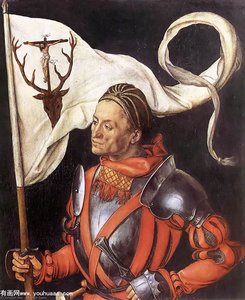
Albrecht Dürer’s “De Vier Heilige Mannen,” voltooid in 1526, belichaamt christelijke vroomheid en intellect door minutieuze etsing—een monumentale prent die de humanistische idealen van de Reformatie weerspiegelt.

Biografie kunstenaar

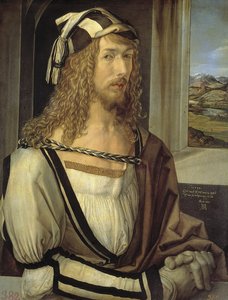
Albrecht Dürer: De grootste Duitse Renaissance kunstenaar! Bekend om zijn meesterlijke gravures, zelfportretten & iconische werken. Ontdek de schoonheid van zijn kunst!

vanaf ·

Hoofdstuk 1

Hoe groot moet het zijn?

Schuif om de afmetingen te wijzigen; de afbeelding aan de linkerzijde toont de lijst in de werkelijke breedte. De oorspronkelijke verhoudingen blijven behouden.

Standaardformaat
op maat gemaakt
CM
INCH

Kies uit onze vooraf ingestelde maten die overeenkomen met de originele verhoudingen van het kunstwerk.

breedte
hoogte

Voer de breedte en hoogte in die u nodig heeft, passend bij uw lijst of uw muur. Omdat dit handgeschilderd is, kan de kunstenaar bij een afmeting met een andere beeldverhouding iets meer rondom het schilderij schilderen of juist iets meer weglaten — u kiest zelf. Wij sturen u een digitaal mockup ter goedkeuring voordat het schilderwerk begint. De afbeelding die op deze pagina wordt getoond, is niet het uiteindelijke resultaat — alleen de mockup geeft dit weer.


Hoofdstuk 2

Hoe moet het worden geleverd?

Kies de randen van het canvas

Kies uw lijst

Corner sample of the WhiteWrap canvas edge finish, stretched on massief hout bars
Wit €1
Corner sample of the BlurSideWrap canvas edge finish, stretched on massief hout bars
Vervagende randen €1
Corner sample of the ExtendedWrap canvas edge finish, stretched on massief hout bars
Doorlopende rand €1
Corner sample of the P118B picture frame: gegoten polystyreen, 5 cm wide and 3 cm thick
P118B €10
Corner sample of the P118H picture frame: gegoten polystyreen, 5 cm wide and 3 cm thick
P118H €10
Corner sample of the P118W picture frame: gegoten polystyreen, 5 cm wide and 3 cm thick
P118W €10
Corner sample of the P438Z picture frame: gegoten polystyreen, 5.5 cm wide and 3.5 cm thick
P438Z €10
Corner sample of the P508JH picture frame: gegoten polystyreen, 7 cm wide and 3.5 cm thick
P508JH €12
Corner sample of the P508YH picture frame: gegoten polystyreen, 7 cm wide and 3.5 cm thick
P508YH €12
Corner sample of the P805H picture frame: gegoten polystyreen, 5 cm wide and 3.5 cm thick
P805H €10
Corner sample of the P805Z picture frame: gegoten polystyreen, 5 cm wide and 3.5 cm thick
P805Z €10
Corner sample of the P919BZ picture frame: gegoten polystyreen, 7 cm wide and 3.5 cm thick
P919BZ €10
Corner sample of the P919G picture frame: gegoten polystyreen, 7 cm wide and 3.5 cm thick
P919G €10
Corner sample of the P919XJ picture frame: gegoten polystyreen, 7 cm wide and 3.5 cm thick
P919XJ €10
Corner sample of the P959ZH picture frame: gegoten polystyreen, 5 cm wide and 3 cm thick
P959ZH €10
Corner sample of the P968JZ picture frame: gegoten polystyreen, 6 cm wide and 4 cm thick
P968JZ €12
Corner sample of the W106C picture frame: massief hout, 5 cm wide and 3 cm thick
W106C €8
Corner sample of the W218G picture frame: massief hout, 5 cm wide and 3 cm thick
W218G €10
Corner sample of the W218JH picture frame: massief hout, 5 cm wide and 3 cm thick
W218JH €8
Corner sample of the W218Y picture frame: massief hout, 5 cm wide and 3 cm thick
W218Y €10
Corner sample of the W307PJ picture frame: massief hout, 6 cm wide and 3 cm thick
W307PJ €10
Corner sample of the W316G picture frame: massief hout, 6 cm wide and 3 cm thick
W316G €10
Corner sample of the W316PJ picture frame: massief hout, 6 cm wide and 3 cm thick
W316PJ €8
Corner sample of the W316Y picture frame: massief hout, 6 cm wide and 3 cm thick
W316Y €10
Corner sample of the W398PJ picture frame: massief hout, 5 cm wide and 3 cm thick
W398PJ €8
Corner sample of the W4111J picture frame: massief hout, 6.5 cm wide and 3.5 cm thick
W4111J €10
Corner sample of the W500HY picture frame: massief hout, 7 cm wide and 5 cm thick
W500HY €15
Corner sample of the W500JH picture frame: massief hout, 7 cm wide and 5 cm thick
W500JH €15
Corner sample of the W692G picture frame: massief hout, 8 cm wide and 4 cm thick
W692G €12
Corner sample of the W849H picture frame: massief hout, 5 cm wide and 3 cm thick
W849H €8
Corner sample of the W940BG picture frame: massief hout, 7.5 cm wide and 4.5 cm thick
W940BG €15
Corner sample of the W953PJ picture frame: massief hout, 6 cm wide and 3.5 cm thick
W953PJ €8
Corner sample of the H24-GOLD picture frame: gesneden hout met gesso, 10 cm wide and 6 cm thick
H24-GOLD €30
Corner sample of the H24-SILVER picture frame: gesneden hout met gesso, 10 cm wide and 6 cm thick
H24-SILVER €30
Corner sample of the H36-GOLD picture frame: gesneden hout met gesso, 15 cm wide and 6.5 cm thick
H36-GOLD €45
Corner sample of the H36-SILVER picture frame: gesneden hout met gesso, 15 cm wide and 6.5 cm thick
H36-SILVER €45
Lijstvoorbeeld
Ingelijst

Lijstrand: . Totale afmetingen inclusief lijst: .

Hoofdstuk 3

Wie schildert het, en moet er iets veranderen?

Voorbeelden van wat aangepast kan worden: Vervang het gezicht door een foto van de klant; Voeg een huisdier toe (bijv. vervang de kat door een hond); Voeg een verborgen boodschap toe aan de achtergrond; Wijzig het landschap of de elementen in de achtergrond.
Na de bestelling zal het team van OriginalUniqueArt.com per e-mail contact opnemen met de klant voor instructies en een mockup-voorbeeld verstrekken

Wereldwijde levering () binnen 3 tot 4 weken in plaats van de standaard 5 weken. (3 november). Zonder concessies aan de kwaliteit.

Hoofdstuk 4

De laatste hand aan

Een naambordje, zoals in een museum?

Details van de gegraveerde bronzen plaat

This elegant plaque features the artist's name and the title of the artwork, finely engraved for a timeless presentation.

It is made from bronze with a refined, elegant finish. The text is precisely laser-engraved for a sharp and permanent result. Measuring 9x2 cm, the plaque is compact yet easy to read. It's built to be durable and scratch-resistant, offering a professional, museum-quality look. Mounting is simple thanks to the included adhesive backing.

Details transparante acrylplaat

The plaque includes essential engraved details such as the artist's name, the title of the artwork, the date it was created, the type of media used-like oil on canvas or watercolor-a brief description of the piece, and a QR code that links to the complete artwork information.

It is crafted from clear acrylic, offering a sleek, modern appearance. The text is UV-engraved in black to ensure strong visual contrast. With a size of 10x15 cm, it ensures optimal readability. It comes equipped with two metal hooks for secure wall mounting. The plaque is designed to be weather-resistant, making it suitable for various environments, and it includes interactive features that work seamlessly with smartphone scanning.

Details zwarte acrylplaat

This elegant plaque includes engraved information such as the artist's name, the title of the artwork, the date it was created, the type of media used (like oil on canvas or watercolor), a short description of the artwork, and a QR code for quick access to more information.

The plaque itself is made from refined black acrylic with a premium finish. The text is laser-engraved in white for high contrast and readability. Its size is 10x15 cm, designed to be easy to read. It comes with two metal hooks for professional mounting. The design is sleek and fits any interior style. It is also weather-resistant and durable, with built-in digital integration for mobile compatibility.

Een beschermende vernis?

Wanneer heeft u het nodig?

Hoofdstuk 5

Uw schilderij, zoals u het heeft besteld

De Vier Heilige Mannen

Druktechniek

Afmetingen reproductie

-

Geselecteerde topkunstenaars

Meer detail, verfijning en extra productietijd

-

Lijst voor reproductie

-

-

Voor kunstwerken of reproducties die aan één zijde groter zijn dan 105 cm (ongeveer 41 inch), wordt de lijst als een losse set verzonden. Deze methode garandeert een veilige levering en voorkomt schade tijdens het transport.

Professionele montage vereist - dit is geen doe-het-zelfproduct.
De set moet worden gemonteerd en het canvas moet worden gespannen door een ervaren professionele lijstenmaker, met gebruik van houtlijm (niet inbegrepen), een doekspanter en klemmen om de sponningen recht te houden terwijl de lijm droogt. Onjuiste montage of een ongelijkmatige spanning op het canvas kan het kunstwerk permanent beschadigen en wordt niet gedekt door onze garantie.

  • Alle massief houten onderdelen zijn inbegrepen, nauwkeurig op maat gesneden voor montage.

  • Te monteren met de meegeleverde schroeven, plus houtlijm voor de hoekverbindingen, die niet wordt meegeleverd en door uw lijstenmaker moet worden aangeschaft.

  • Professioneel gereedschap is vereist en niet inbegrepen: een spanner voor canvas en klemmen om de latten recht te houden terwijl de lijm droogt.

Belangrijk:
De hoekverbindingen vereisen houtlijm, de latten moeten met lijmklemmen worden vastgehouden tot de lijm volledig is opgedroogd, en het spannen van het canvas op het samengestelde frame vereist een doekspanter. Geen van deze artikelen is inbegrepen in de set. Wij adviseren u om een ervaren professionele lijstenmaker te raadplegen voordat u deze maat bestelt.

Naamplaatje

-

-

Beschermende vernislaag

Glanzende vernis (versterkt de kleuren en biedt bescherming tegen licht en vocht)

-

Mijn kunstwerk aanpassen

Voorbeelden van aanpassingen: vervang het gezicht door een eigen foto; voeg een huisdier toe (bijv. vervang de kat door een hond); verwerk een verborgen boodschap in de achtergrond; wijzig het landschap of andere elementen op de achtergrond.

-

Spoedlevering

Wereldwijde levering () binnen 3 tot 4 weken in plaats van de standaard 5 weken. (3 november). Geen concessies aan de kwaliteit.

-

Spoedlevering

Wereldwijde levering naar binnen 5 weken. (10 november).

Inbegrepen

Eindtotaal

€ 268

Totaalprijs € 268

De optie voor glas is alleen beschikbaar bij een formaat kleiner dan 110 cm.

Inbegrepen bij elke bestelling

  • Gratis wereldwijde expressverzending
  • Hoogwaardig linnen canvas
  • Volledige verzendverzekering
  • Garantie op terugbetaling van invoerrechten
  • Garantie op exacte kleurweergave
  • Retourbeleid van 100 dagen (alleen bij defecten)
  • 100% Geld-terug-garantie
  • Korting bij meerdere afnames

Een getuigenis van geloof en artistiek meesterschap: Albrecht Dürers “De Vier Heiligen”

Albrecht Dürers "De Vier Heiligen", voltooid in 1526, staat als een hoeksteen van de Duitse Renaissance-kunst—een aangrijpend meditatief werk over vroomheid, intellect en de blijvende erfenis van het christelijke geleerdheid. Uitgevoerd in monochrome ets met subtiele tonale variaties, overstijgt deze monumentale prent louter visuele representatie; het belichaamt een diepgaand filosofisch statement over de deugden die als essentieel worden beschouwd voor spirituele verlichting.

In de compositie van dit werk zien we vier figuren—Sint Benedictus, Sint Augustinus, Sint Hiëronymus en Sint Gregorius—die samen staan in wat een sober ingerichte ruimte lijkt te zijn. Hun houdingen stralen plechtige contemplatie uit, met een blik die naar binnen is gericht, alsof zij volledig zijn opgenomen in gebedvolle reflectie. Dürers meesterlijke compositorische arrangement benadrukt eenheid en evenwicht, wat de harmonieuze idealen van de christelijke theologie weerspiegelt.

De kenmerkende stijl van Dürer—gekarakteriseerd door minutieuze details en onwankelbaar realisme—is overal in “De Vier Heiligen” aanwezig. Hij maakte gebruik van technieken zoals arcering en kruisarcering om een opmerkelijke tonale gradatie te bereiken, waardoor hij de texturen van stof en huid met verbazingwekkende nauwkeurigheid wist vast te leggen. Het etsproces zelf vereiste een uiterst nauwgezette precisie; elke lijn werd zorgvuldig in een koperplaat gekerfd met gespecialiseerde instrumenten, wat ervoor zorgde dat de resulterende prent beschikte over een uitzonderlijke helderheid en diepte.

Geschapen tijdens het turbulente tijdperk van de Reformatie, weerspiegelt “De Vier Heiligen” de angsten en ambities van die tijd. De Katholieke Kerk kreeg te maken met toenemende uitdagingen van protestantse hervormers die de pauselijke autoriteit in twijfel trokken en humanistische idealen aanhingen. Dürers weergave van de heiligen—figuren die werden vereerd om hun intellectuele kracht naast hun spirituele toewijding—vormt een doelbewust tegenwicht voor het groeiende scepticisme van die periode.

Elke heilige belichaamt specifieke deugden die cruciaal worden geacht voor het christelijke geloof. Sint Benedictus, die monastieke eenvoud en nederigheid vertegenwoordigt, houdt een boek vast dat de bijbelse schrift symboliseert. Sint Augustinus, beroemd om zijn filosofische verkenningen van Gods genade, klemt eveneente een manuscript vast—een getuigenis van intellectuele nieuwsgierigheid. Sint Hiëronymus, afgebeeld met een ganzenveer en perkament, symboliseert de onwankelbare toewijding aan gebed en theologische wetenschap. Tot slot belichaamt Sint Gregorius, vereerd als de paus die het Concilie van Konstanz bijeenriep, pauselijk leiderschap en spirituele autoriteit.

“De Vier Heiligen” overstijgt zijn formele weergave om een krachtig gevoel van sereniteit en contemplatie op te roepen. Het ingetogen palet—voornamelijk zwart en wit—draagt bij aan een sfeer van plechtige eerbied, die de kijker uitnodigt tot introspectie en tot het overwegen van de tijdloze vragen over geloof en moraliteit. Het blijft een fascinerend werk voor interieurontwerpers die hun ruimtes willen doordrenken met elegantie en intellectuele diepgang.

  • Afmetingen: 215 x 76 cm
  • Medium: Ets
  • Kunstenaar: Albrecht Dürer
  • Jaar van creatie: 1526

Deze iconische prent blijft bewondering inspireren door zijn artistieke briljantie en intellectuele resonantie, waarmee het zijn plaats als een meesterwerk van de Duitse Renaissance veiligstelt.

Veelgestelde vragen

Wat is de algemene sfeer van "De Vier Heilige Mannen" door Albrecht Dürer?

"De Vier Heilige Mannen" door Albrecht Dürer wordt qua stemming beschreven als Elegant. Deze classificatie kan helpen om het werk te laten aansluiten bij een bepaalde omgeving.

Geeft het auteursrecht van "De Vier Heilige Mannen" door Albrecht Dürer toestemming voor reproducties?

De auteursrechtstatus van "De Vier Heilige Mannen" door Albrecht Dürer is duidelijk: het werk is bevindt zich in het publiek domein - de auteursrechten zijn verlopen. De aanwezigheid ervan in Alte Pinakothek verandert die status niet.

Wat is de aanbevolen afmeting voor de print van "De Vier Heilige Mannen" door Albrecht Dürer?

De aanbevolen afmeting voor de print van "De Vier Heilige Mannen" door Albrecht Dürer is Groot formaat.

Meer over dit schilderij

Voorvertoning Bekijk in AR Schakel over naar print Schakel over naar digitale afbeeldingen Verstuur
Details bekijken Gids Toevoegen aan favorieten Download Vergelijkbare items Röntgenonderzoek Diavoorstelling Vraag & antwoord Statistieken

In cijfers

  • 1526het jaar waarin het werd geschilderd
  • 29lijsten om uit te kiezen
  • standaardmaten, in hun eigen verhoudingen
  • 5weken om te schilderen en te leveren
Albrecht Dürer

Albrecht Dürer

1471 - 1528, Duitsland

Snelle feiten over Albrecht Dürer

  • Artistic Movement Or Style: Renaissance
  • Artists Or Movements Influenced By This Artist:
    • Wolgemut
    • Nuremberg
  • Artists Who Influenced This Artist:
    • Leonardo da Vinci
    • Raphael
    • Bellini
  • Date Of Birth: 21 mei 1471
  • Date Of Death: 6 april 1528
  • Full Name: Albrecht Dürer
  • Nationality: Duits
  • Notable Artworks:
    • Apocalypse
    • Melencolia I
    • St. Jerome
  • Place Of Birth: Nuremberg, Duitsland

Biografie kunstenaar

A Life Forged in Nuremberg: The Early Years and Apprenticeship

Albrecht Dürer, a name synonymous with the German Renaissance, emerged from the bustling artisan city of Nuremberg in 1471. His father, Albrecht Dürer the Elder, was a successful goldsmith who had immigrated from Hungary, bringing with him a lineage steeped in craftsmanship. It was within this environment—the scent of metal and the meticulous precision of handiwork—that young Albrecht’s artistic inclinations first took root. Though his father envisioned a similar path for him, apprenticing him initially in the family trade, it soon became undeniable that Albrecht possessed an exceptional gift for drawing. At thirteen, he transitioned to the workshop of Michael Wolgemut, Nuremberg's leading artist at the time. This was no mere technical training; it was immersion into a world of illuminated manuscripts, painted panels, and—crucially—the burgeoning art of woodcut illustration. The sheer volume of work produced by Wolgemut’s workshop, including the extensive illustrations for the *Nuremberg Chronicle*, provided Dürer with an unparalleled foundation in design, composition, and the mechanics of image-making. A remarkable silverpoint self-portrait from 1484, created when he was barely a teenager, stands as astonishing evidence of his precocious talent—a testament to a burgeoning artistic identity already taking shape.

The Italian Influence and Artistic Maturation

Dürer’s ambition extended far beyond the confines of Nuremberg. Driven by an insatiable curiosity and a desire to master the art of painting, he embarked on his first journey to Italy in 1494. This was not simply a sightseeing trip; it was a pilgrimage to the heart of the Renaissance. He encountered the works of masters like Raphael, Giovanni Bellini, and Leonardo da Vinci—artists who were redefining the possibilities of form, perspective, and human expression. The impact of this exposure was profound. Dürer absorbed the classical motifs, harmonious compositions, and subtle sfumato techniques that characterized Italian art, yet he never abandoned his Northern European sensibility for meticulous detail and symbolic depth. A second sojourn to Italy between 1505 and 1507 further solidified these influences, allowing him to study ancient Roman ruins and refine his understanding of anatomy and proportion. This synthesis of Northern precision and Italian grace became the hallmark of Dürer’s unique artistic style.

Mastering the Mediums: Painting, Engraving, and Woodcut

Dürer was a master of multiple mediums, each offering him distinct avenues for creative expression. His paintings, though fewer in number than his prints, demonstrate a remarkable command of oil paint and an ability to capture both physical likeness and psychological depth. Works like the *Feast of the Rose Garlands* reveal a vibrant palette influenced by Venetian colorism. However, it was in the realm of printmaking—particularly engraving and woodcut—that Dürer truly revolutionized artistic practice. He elevated these techniques from mere reproductive methods to independent art forms, capable of conveying complex narratives and profound emotions. The *Apocalypse* series (1498), a collection of fourteen woodcuts illustrating the Book of Revelation, showcased his mastery of this medium despite its inherent limitations. Later engravings like *Melencolia I* (1514) and *Saint Jerome in His Study* (1514) are testaments to his unparalleled skill—intricate compositions filled with symbolic meaning and executed with breathtaking precision. He didn’t just depict reality; he imbued it with layers of intellectual and spiritual significance.

A Theorist and Innovator: The Legacy of Albrecht Dürer

Dürer was not merely an artist; he was a scholar, a theorist, and an innovator who sought to understand the underlying principles governing artistic creation. He believed in the mathematical foundations of art and dedicated himself to establishing a scientific approach to representation. His treatises on geometry, proportion, and human anatomy—most notably *Four Books of Human Proportion* (1528)—were groundbreaking for their time, demonstrating his commitment to rigorous observation and rational analysis. These writings were not simply academic exercises; they were intended to elevate the status of artists from mere craftsmen to intellectual practitioners. Dürer’s legacy extends far beyond his individual artworks. He bridged the gap between Northern European traditions and Italian Renaissance ideals, introducing classical motifs into Northern art while maintaining its distinctive character. His theoretical contributions helped establish a new framework for artistic practice, inspiring generations of artists with his technical skill, innovative spirit, and profound vision. He remains, to this day, one of the most important figures in the history of Western art.

Influences and Enduring Impact

  • Michael Wolgemut: Dürer’s initial mentor, providing foundational skills in drawing, painting, and woodcut techniques.
  • Leonardo da Vinci: Inspired Dürer’s exploration of anatomy, perspective, and sfumato—the subtle blending of tones.
  • Raphael: Influenced Dürer’s compositional harmony and idealized forms.
  • Giovanni Bellini: Contributed to Dürer's understanding of color and Venetian painting traditions.

Dürer’s influence reverberates through centuries of art history. His meticulous realism, his innovative use of printmaking, and his theoretical writings continue to inspire artists and scholars alike. He demonstrated that art could be both technically masterful and intellectually rigorous—a legacy that continues to shape the artistic landscape today. His work stands as a testament to the power of observation, the pursuit of knowledge, and the enduring human desire to create beauty and meaning.

Snelle feiten

  • Artist: Albrecht Dürer
  • Dimensions: 215 x 76 cm
  • Year: 1526
  • Medium: Olie op hout
  • Notable elements or techniques: Houtsnede
  • Artistic style: Duitse Renaissance

Kunstquiz

Er is slechts één goed antwoord op elke vraag.

Vraag 1:
Wat is het belangrijkste onderwerp van ‘The Four Holy Men’?
Vraag 2:
Welke artistieke techniek werd voornamelijk door Albrecht Dürer gebruikt bij het maken van dit schilderij?
Vraag 3:
In welk jaar werd ‘The Four Holy Men’ geschilderd?
Vraag 4:
Waar werd Albrecht Dürer geboren?
Vraag 5:
Welke rol speelde Michael Wolgemut in de vorming van Dürers artistieke ontwikkeling?