

 Peržiūrėti realaus dydžio版
 Siųsti
 Dalintis
 Išsamiau
 Vadovas

 Atsisiųsti
 Panašūs eksponatai
 Rentgeno spindulių nuotrauka
 Diaporama
 Statistika
Judith
 Akrilas ant drobės
- Sieninis menas
- Italian Renaissance
 1520
1520 82.0 x 65.0 cm
 Fondazione Querini Stampalia
 Rodyti daugiau
Įsigykite aukštos skiriamosios raiškos, patobulintą skaitmeninį vaizdą, gerokai pranašesnį už internetinę peržiūrą.
Kiekvieną failą mūsų specialistai kruopščiai paruošia naudojant pažangias technologijas ir profesionalų rankinį retušavimą. Užtikriname, kad kiekvienas vaizdas pasižymėtų išskirtiniu aiškumu, tikslia spalvų atspalviu ir smulkiomis detalėmis.
Baigiamas failas el. paštu pristatomas per 72 valandas; jis optimizuotas nedelsiant naudojimui profesionalioje, redakcinėje ir spausdinimo aplinkoje. Tai ta pati kokybė, kuria pasitiki aukščiausios klasės dizaino studijos, leidyklos ir galerijos.
Skaitmeninis vaizdas
Atsisiųskite didelės raiškos failą asmeniniam naudojimui, spausdinimui ir kūrybiniams projektams. ( Perjungti į spausdinimą Pirkti rankomis tapytą reprodukciją)
Kiekvieną skaitinio vaizdo užsakymą papildė
Profesionalus skaitmeninis vaizdų pristatymas, garantuotas
Pasirinkę OriginalUniqueArt.com, jūs ne tik gaunate paveikslėlį – jūs gaunate profesionaliai patobudintą skaitmeninį kūrinį, sukurtą itin tikniai ir užtikrinantį pasitenkinimą. Štai viską, kas automatiškai pritékia jūsų užsakymui:

Greitas nuotraukų gavimas el. paštu
Jūsų aukštos raiškos skaitmeninis vaizdo failas bus išsiųstas el. paštu per 72 valandas nuo užsakymo – jis bus paruoštas naudoti be jokių papildomų veiksmų.

Skaitmeninis failas su dirbtiniu intelektu
Jūsų meno kūrinys profesionaliai optimizuojamas naudojant pažangius dirbtinio intelekto įrankius ir rankinį redagavimą, užtikrinant maksimalią detalę, aiškumą ir spalvų tikslumą.

Nemokamas visam laikui pakartotinis siuntimas
Atsitiktinai ištrytikote ar praradote savo failą? Nebijokite – bet kuriuo metu atsiųsime jį jums vėl nemokamai.

Jokio importo mokesčio – niekada
Mėgaukitės savo meno kūriniu akimirka – skaitiniai failai visada yra neapmokestinami, todėl nereikės mokėti muitinės, mokesčių ar pristatymo mokesčių.

Spalvų tikslumo garantija
Naudodami profesionalią įrangą ir spalvų valdymo sistemas, užtikriname, kad jūsų skaitmeninis vaizdas kuo tiksliau atspindėtų originalias spalvas.

100 dienų patikimumo garantija
Jei nebuvosite patenkinti įsigyto skaitmeninio vaizdo, mes jį tališkai koreguosime arba grąžinsime 100% sumą per 100 dienų – be jokių klausimų.

100% pinigų grąžinimo garantija
Nesitenkinate? Gaukite visą sumokėtą sumą per 100 dienų nuo skaitmeninio failo gavimo – be jokių papildomų klausimų.

Nuolaidos dideliems užsakymams
Pirkti 3 nuotraukas – 10% nuolaida – Pirkti 5 – 15% nuolaida – Pirkti 10 ir daugiau – 20% nuolaida. Puikiai tinka kūrybiniams projektams, galerijoms bei agentūroms.
Judith – Vincenzo Catena’s Venetian Vision
Vincenzo Catena (c. 1480–1531), a Venetian Renaissance painter, stands as a testament to the artistic dynamism of his era—a period marked by profound influences from masters like Giovanni Bellini and Titian. While biographical details remain scarce, Catena’s legacy resides in a captivating collection of religious paintings that capture the spirit of humanist thought alongside devout piety. This particular depiction, “Judith,” exemplifies his distinctive approach, skillfully blending stylistic elements to convey both narrative grandeur and psychological depth.A Synthesis of Bellini and Giorgione
Catena's early artistic development clearly echoes Giovanni Bellini’s celebrated style—characterized by serene compositions and meticulous attention to detail. The painting’s palette is muted yet luminous, reflecting Bellini’s penchant for subtle tonal gradations that imbue his figures with an ethereal quality. However, Catena swiftly moved beyond mere imitation, absorbing Giorgione's innovative techniques of atmospheric perspective and color harmony. As evidenced by the inscription on La Laura—Giorgione’s masterpiece—Catena was considered Giorgione’s *colego*, demonstrating a collaborative spirit crucial to Venetian artistic innovation during this transformative period.The Dramatic Narrative: A Study in Composition
“Judith” presents a powerfully staged scene from biblical lore, depicting Judith slaying Holofernes, the Assyrian siege commander who threatened Jerusalem. Catena meticulously arranges the figures—Judith herself dominating the right side of the canvas with unwavering resolve—and Holofernes sprawled on the left, his severed head positioned prominently below. This deliberate positioning underscores the narrative’s central conflict and emphasizes Judith's triumph over evil. The artist skillfully employs chiaroscuro – dramatic contrasts between light and dark – to sculpt the figures and heighten emotional intensity.Symbolism and Artistic Technique
The painting’s symbolism is rich with references to Christian iconography. Judith’s sword represents divine justice, while her gaze directs attention towards God—a gesture of faith and defiance against oppression. Catena's meticulous brushwork contributes significantly to the artwork’s visual impact. He utilizes glazing techniques – applying thin layers of translucent paint over underlying colors – to achieve remarkable luminosity and depth. This technique, honed by Titian and other Venetian masters, ensures that every detail retains vibrancy and conveys a palpable sense of realism.Emotional Resonance: A Timeless Masterpiece
“Judith” transcends mere historical documentation; it communicates profound emotional resonance. Catena’s portrayal captures the psychological complexities of Judith's character—her determination, vulnerability, and unwavering devotion to God. The painting invites contemplation on themes of courage, faith, and moral fortitude—topics that continue to resonate with audiences centuries later. A reproduction of this stunning artwork would undoubtedly enrich any interior space, offering a glimpse into the artistic brilliance of the Venetian Renaissance and its enduring legacy.问答 (or more naturally for a website heading): Klausimai ir atsakymai
Kokią Vincenzo Catena kūrybos etapą atitinka „Judith“ data, nurodyta kaip 1520?
„Judith“, sukurta 1520 m., priklauso Vincenzo Catena kūrybinio karjeros laikotarpio Mature Renaissance.
Kaip suformuota „Judith“, autorius – Vincenzo Catena spalvų kompozicija?
„Judith“ kūryboje Pareiškimas kontrastas susilieja su Suvarta paletė harmonija.
Ar kūrinys „Judith“, autorius – Vincenzo Catena saugomas originalaus paveikslautojo valstybėje?
Ne – kūrinys saugomas užsienyje. Vincenzo Catena gimtoji šalis yra Italy, o kūrinio „Judith“ originalas saugomas muziejuje, esančiame इटली.
Autoriaus biografija
Vincenzo Catena: A Venetian Renaissance Painter
Life and Background
- Born in Venice, Italy around 1470, Vincenzo Catena was a painter of the Venetian Renaissance.
- Little is known about his early life or formal training. Records are scarce regarding his upbringing and initial artistic development.
- He was also sometimes referred to as Vincenzo de Biagio.
- Catena passed away in 1531, leaving behind a modest but significant body of work.
Artistic Development and Influences
- Initially, Catena’s style closely resembled that of Giovanni Bellini, a leading Venetian painter known for his serene Madonnas and refined technique.
- The earliest documented mention of Catena is an inscription on the back of La Laura by Giorgione, where he’s described as Giorgione's *colego* (colleague).
- However, it wasn’t until after Giorgione’s death in 1510 that his innovative influence began to manifest itself in Catena’s paintings.
- He also shows some influences from Titian, another prominent figure of the Venetian School, particularly in his use of color and composition.
Major Works and Style
- Approximately a dozen paintings are confidently attributed to Catena based on signatures.
- The Martyrdom of St. Christina (1520), located in the church of Santa Maria Mater Domini in Venice, is his most securely dated work thanks to an inscription on its marble surround.
- Other notable works include The Adoration of the Shepherds, and several depictions of the Madonna and Child with Saints and Donors.
- Catena’s paintings often feature religious scenes and portraits, characterized by a blend of Bellini's precision and Giorgione’s atmospheric qualities.
- His style is marked by detailed realism, warm color palettes, and rich symbolism, typical of Venetian Renaissance art.
Historical Significance and Legacy
- While not as widely celebrated as some of his contemporaries like Titian or Giorgione, Catena played a role in the development of Venetian painting during a crucial period.
- His work demonstrates the transition between the High Renaissance and the emerging Mannerist styles.
- Wills left by Catena reveal he was a man of considerable wealth and had connections within Venetian humanist circles, suggesting his artistic success extended beyond purely aesthetic recognition.
- Today, Vincenzo Catena’s paintings are valued for their historical importance and offer insights into the artistic landscape of 16th-century Venice.
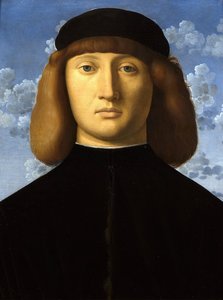
Vincenzo Catena
1470 - 1531 , Italy
Pagrindinė informacija
- Name: Vincenzo Catena
- Movement: Renaissance, Venetian School
- Birth Date: 1470
- Death Date: 1531
- Birth Place: Venice, Italy
- Nationality: Italian
- Date Of Birth: 1470
- Date Of Death: 1531
- Influenced By:
- Giovanni Bellini
- Giorgione
- Notable Works:
- Santa Cristina Altarpiece
- The Adoration of the Shepherds
- Madonna and Child with a Holy Female Martyr, Saint Francis of Assisi and the Donor
- Place Of Birth: Venice, Italy