Perjungti į spausdinamus版作品
 Skaityti daugiau







































 Dėl meno kūrinių ar reprodukcijų, kurių bet kuri pusė yra didesnė nei 105 cm (apie 41 inch), rėmas bus siunčiamas kaip išskaidytas surinkimo rinkinys. Šis metodas užtikrina saugų pristatymą ir apsaugo nuo transportavimo metu galimos žalos.


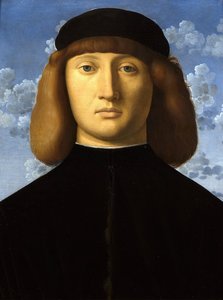
Judith – Vincenzo Catena’s Venetian Vision
Vincenzo Catena (c. 1480–1531), a Venetian Renaissance painter, stands as a testament to the artistic dynamism of his era—a period marked by profound influences from masters like Giovanni Bellini and Titian. While biographical details remain scarce, Catena’s legacy resides in a captivating collection of religious paintings that capture the spirit of humanist thought alongside devout piety. This particular depiction, “Judith,” exemplifies his distinctive approach, skillfully blending stylistic elements to convey both narrative grandeur and psychological depth.A Synthesis of Bellini and Giorgione
Catena's early artistic development clearly echoes Giovanni Bellini’s celebrated style—characterized by serene compositions and meticulous attention to detail. The painting’s palette is muted yet luminous, reflecting Bellini’s penchant for subtle tonal gradations that imbue his figures with an ethereal quality. However, Catena swiftly moved beyond mere imitation, absorbing Giorgione's innovative techniques of atmospheric perspective and color harmony. As evidenced by the inscription on La Laura—Giorgione’s masterpiece—Catena was considered Giorgione’s *colego*, demonstrating a collaborative spirit crucial to Venetian artistic innovation during this transformative period.The Dramatic Narrative: A Study in Composition
“Judith” presents a powerfully staged scene from biblical lore, depicting Judith slaying Holofernes, the Assyrian siege commander who threatened Jerusalem. Catena meticulously arranges the figures—Judith herself dominating the right side of the canvas with unwavering resolve—and Holofernes sprawled on the left, his severed head positioned prominently below. This deliberate positioning underscores the narrative’s central conflict and emphasizes Judith's triumph over evil. The artist skillfully employs chiaroscuro – dramatic contrasts between light and dark – to sculpt the figures and heighten emotional intensity.Symbolism and Artistic Technique
The painting’s symbolism is rich with references to Christian iconography. Judith’s sword represents divine justice, while her gaze directs attention towards God—a gesture of faith and defiance against oppression. Catena's meticulous brushwork contributes significantly to the artwork’s visual impact. He utilizes glazing techniques – applying thin layers of translucent paint over underlying colors – to achieve remarkable luminosity and depth. This technique, honed by Titian and other Venetian masters, ensures that every detail retains vibrancy and conveys a palpable sense of realism.Emotional Resonance: A Timeless Masterpiece
“Judith” transcends mere historical documentation; it communicates profound emotional resonance. Catena’s portrayal captures the psychological complexities of Judith's character—her determination, vulnerability, and unwavering devotion to God. The painting invites contemplation on themes of courage, faith, and moral fortitude—topics that continue to resonate with audiences centuries later. A reproduction of this stunning artwork would undoubtedly enrich any interior space, offering a glimpse into the artistic brilliance of the Venetian Renaissance and its enduring legacy.Klausimai ir atsakymai
Kokia spausdinimo konfigūracija rekomenduojama kūriniui „Judith“ – Vincenzo Catena?
Dėl „Judith“ rekomenduojamas spausdinimo nustatymas yra Didelis dydžio ir Portretinė formata orientacijos.
Kokie yra „Judith“ reprodukcijos teisės Fondazione Querini Stampalia kolekcijoje?
„Judith“ – Vincenzo Catena autoriškos teisės statusas yra aiškus: kūrinys priklauso yra viešosios erdvės dalis – jo autorinė teisė pasibaigusi. Jo buvimas Fondazione Querini Stampalia šio statuso nekeičia.
Kokia „Judith“ – Vincenzo Catena suvokiamas ryškumas?
Visapusiškai „Judith“ įtvirtinta kaip šviesos ir šešėlio. Perceptinis ryškumas apibūdina, koks kūrinys atrodo šviesus ar tamsus.
 Peržiūrėti realaus dydžio版
 Pasidalinti
 Dalintis
 Išsamiau
 Vadovas

 Atsisiųsti
 Panašūs eksponatai
 Rentgeno spindulių nuotrauka
 Automatinė diorama
 Q&A
Q&A Statistika