

 Peržiūrėti realaus dydžio版
 Pasidalinti
 Dalintis
 Išsamiau
 Vadovas

 Atsisiųsti
 Panašūs eksponatai
 Rentgeno spindulių nuotrauka
 Automatinė diorama
 Q&A
Q&A Statistika
Vilnius
 Oil On Canvas
- WallArt
- Modernism
 1965
1965- Modern
 70.0 x 70.0 cm
 Lithuanian Art Centre TARTLE
 Skaityti daugiau
Šiame puslapyje rodomas meno kūrinys yra saugomas autorių teisių įstatymais, todėl neturime teisės legaliai kurti ar parduoti jo identiškos reprodukcijos. Ši apsauga užtikrinama remiantis tokiais tarptautiniais susitarimais kaip Bernės konvencija ir pagal nacionalines įstatymų nuostatas, įskaitant tas, kurias nurodo JAV autoriškos teisės įstatymas – 17-asis skyrius.
Šis metodas visiškai atitinka autorių teises, nes jame nėra saugomo kūrinio kopijavimo ar dubliavimo. Tai yra kūrybinė reinterpretacija – naujas paveikslas, kurį įkvėpė originalas, tačiau kuris nėra jo identiškas.
Giclée / Meno spausdinimas
Muziejų lygio „giclée“ arba drobos spausdinimas: greita gamyba ir lankstios apdailos parinktys. ( Pirkti rankų darbo tapybą Perejti prie skaitmeninių vaizdų)




P118B €10

P118H €10

P118W €10

P438Z €10

P508JH €12

P508YH €12

P805H €10

P805Z €10

P919BZ €10

P919G €10

P919XJ €10

P959ZH €10

P968JZ €12

W106C €8

W218G €10

W218JH €8

W218Y €10

W307PJ €10

W316G €10

W316PJ €8

W316Y €10

W398PJ €8

W4111J €10

W500HY €15

W500JH €15

W692G €12

W849H €8

W940BG €15

W953PJ €8




Pasirinkite iš mūsų nustatytų dydžių, atitinkančių originalaus meno kūrinio proporcijas.

Įveskite jums reikiamą plotį ir aukštį, kad atvaizdas derėtų prie jūsų rėmo ar sienos. Spausdiną galima tik sumažinti, bet nepadidinti virš originalaus paveikslėlio dydžio, todėl keičiant proporcijas, dalis vaizdo prarandama. Prieš spausdinimą atsiųsime jums skaitmeninį maketą patvirtinimui. Šioje puslapio nuotraukoje matomas pjūvis nėra tikslus – jį rodo tik maketas.
Pristatymas visame pasaulyje () per 2 weeks, o ne įprastas 4/5 savaičių laikotarpis. (29 spalis)

Nemokamas greitasis pristatymas visame pasaulyje

Aukštos kokybės lininis drobė

Pilnas siuntimo draudimas

Muitinės mokesčių grąžinimo garantija

Tikro spalvų atitikimo garantija

100 dienų grąžinimo politika (tik esant įtaigoms)

100% pinigų grąžinimo garantija

Nuolaida dideliems užsakymams
 Stiklo variantas prieinamas tik pasirinkus dydį iki 110 cm

Vilnius
Giclée / Meno spausdinimas
Reprodukcijos matmenys
-


Bendroji kaina
€ 71
Autoriaus biografija
Vincas Kisarauskas: A Radical Voice in Soviet Lithuania
Born in Augiemanių, Lithuania, in 1934, Vincas Kisarauskas’s life and art were inextricably linked to the turbulent currents of Soviet-era Lithuania. He emerged as a pivotal figure in the country's burgeoning modernist scene – a bold experimenter who defied official constraints while simultaneously pushing the boundaries of artistic expression. Often described as one of the most progressive artists of his time, Kisarauskas’s work is characterized by its raw emotion, unsettling imagery, and a deliberate rejection of prevailing ideological norms. His legacy lies not just in the paintings he created but also in his courageous stance against censorship and his profound influence on subsequent generations of Lithuanian artists.
Early Years and Artistic Training
Kisarauskas’s artistic journey began with a practical grounding in ceramics at the Telšiai Trade School of Applied Arts. This early exposure to tactile materials and functional design subtly shaped his later approach, influencing his use of texture and form. He then transitioned to Vilnius Art Institute, initially studying textiles before transferring to the Painting Department in 1959. It was here that he truly began to develop his distinctive style – a potent blend of abstraction, expressionism, and a deeply personal vision. His graduation marked the beginning of a period where his work would be largely marginalized by the state’s rigid artistic controls.
A Style Defined by Disruption and Emotion
Kisarauskas's art is immediately arresting. He wasn’t interested in creating pleasant, easily digestible images; instead, he sought to confront viewers with uncomfortable truths about the human condition. His paintings are often characterized by fragmented figures, distorted perspectives, and a palpable sense of unease. He frequently employed stark contrasts between light and shadow, utilizing bold colors – particularly reds and blacks – to amplify the emotional intensity of his scenes. Kisarauskas’s work can be seen as a direct response to the psychological pressures of living under Soviet rule, reflecting the anxieties, frustrations, and suppressed desires of ordinary Lithuanians. He was a pioneer in combining painting with photography and assemblage, creating multi-layered works that challenged traditional artistic conventions.
Recognition After Censorship: A Late Flowering
For much of his career, Kisarauskas’s work remained largely unseen by the public. The Soviet authorities actively suppressed any art deemed “formalist” or subversive, and his innovative style was considered a threat to ideological orthodoxy. Despite this censorship, he continued to create prolifically, often working in secret and distributing his art through informal channels. It wasn't until after his death in 1988 in New York that his work began to receive wider recognition. The lifting of restrictions on artistic expression following the collapse of the Soviet Union allowed Kisarauskas’s legacy to finally emerge, solidifying his place as a key figure in Lithuanian modernism and a courageous voice against oppression.
Key Works and Lasting Influence
Several works stand out as particularly significant examples of Kisarauskas's artistic vision. “Christ at Emmaus” (1988), painted shortly before his death, is a powerful depiction of faith and suffering, rendered in a raw and emotionally charged style. "Illuminated Window III" (1987) showcases his exploration of light and shadow, while "April Space" (XX Century. V) reflects the anxieties of the era. His smaller-format works, including diary-like sketchbooks and ex-libris designs, offer a glimpse into his creative process and reveal a remarkable versatility. Kisarauskas’s influence extends beyond his own creations; he inspired countless artists in Lithuania to challenge conventions and explore new forms of expression. He remains a potent symbol of artistic freedom and a testament to the enduring power of art to resist oppression.
Useful Links:

Vincas Kisarauskas
1934 - 1988 , Lithuania
Trumpa informacija
- Full Name: Vincas Kisarauskas
- Nationality: Lithuanian
- Date Of Birth: 1934
- Date Of Death: 1988
- Place Of Birth: Augiemanių, Lithuania
- Notable Artworks:
- Christ at Emmaus
- Illuminated Window III
- April Space
- Tilting towards Zanavykai
- Six Figures...
- Artistic Movement Or Style: Radical Modernism
- Artists Who Influenced This Artist: ['Abstract Expressionism']
- Artists Or Movements Influenced By This Artist: ['Contemporary Lithuanian art']
Susiję straipsniai

Crimson Threads of Narrative: Exploring Symbolism & Representation in Artworks Featuring the Red Dress
Explore the rich symbolism of the red dress in art history! From ancient power displays to iconic portraits like Cézanne’s 'Madame Cezanne', discover the cultural and artistic significance behind this captivating color. Expert analysis & insights.

Concrete Visions: Exploring the Urban Landscape in Painting – From Realism to Contemporary Art
Explore the evolution of cityscape painting from Realism to contemporary art with OriginalUniqueArt. Discover key artists & invest in timeless urban visions. Expert guidance, museum-quality reproductions.
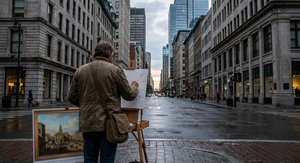
Urban Visions: A Historical & Artistic Exploration of the Cityscape in Painting
Explore the evolution of cityscape painting from historical maps to Impressionist masterpieces. Discover artists like Caillebotte & Utrillo. Find museum-quality reproductions at OriginalUniqueArt.
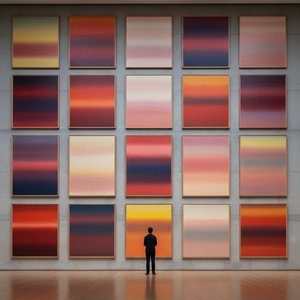
Mark Rothko: 25 Šedevrai, Apibūdinantys Spalvų Ir Jaustmo Gylį | OriginalUniqueArt
Atraskite 25 įspūdingiausius Mark Rothko kūrinius! Gilinkitės į abstraktaus meno spalvų laukus, ekspresionizmą ir jaustmingas tapybas. Meno reprodukcijos aukščiausia kokybe – OriginalUniqueArt.com
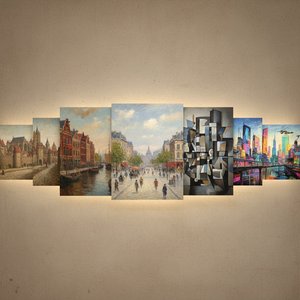
Urban Visions: A Historical & Artistic Exploration of the Cityscape in Painting
Explore the evolution of cityscape painting from historical maps to Impressionist masterpieces. Discover artists like Caillebotte, Utrillo & Matsumoto Shunsuke. Find museum-quality reproductions at OriginalUniqueArt.