Renaissance
St. Jerome (Sandro Botticelli)
Sandro Botticelli (1445–1510) sukūrė St. Jerome. Šis kūrinys priklaulo Renaissance kieruliui. Pagaminta naudojant Oil On Panel. Eksponatas saugomas Ermitažas Šv. Peterburgas, Rusija.
- Oil On Panel
- Ermitažas, Šv. Peterburgas

 Peržiūrėti realaus dydžio版

 Rankinio darbo aliejinės imitacijos paveikslas
 Pasidalinti
 Dalintis
 Informacinė l lapelė


 Atsisiųsti
 Panašūs eksponatai
 Rentgeno spindulių nuotrauka
 Automatinė diorama
 问答

 Statistika
St. Jerome, trumpai
- Pavadinimas
- St. Jerome
- Autorius
- Sandro Botticelli (1445–1510)
- Dizainere/is gimęs
- Florencija, Italija
- Mediumas
- Oil On Panel
- Kur galima pamatyti
- Ermitažas, Šv. Peterburgas, Rusija
- Judėjimas
- Renaissance
- Laikotarpis
- Renaissance
- Tema
- religious lamentation, medieval grief scene, renaissance figures, classical composition, memento mori theme, oil painting technique
Ką vaizduoja St. Jerome?
A Moment of Profound Grief: Exploring Botticelli’s *St. Jerome*
Sandro Botticelli's *St. Jerome*, a poignant depiction of sorrow and contemplation, offers a captivating glimpse into the artistic sensibilities of the Early Renaissance. While often overshadowed by his more celebrated mythological works like *The Birth of Venus*, this painting reveals Botticelli’s mastery of religious iconography and emotional depth.
Subject & Narrative
- A Scene of Lamentation: Though initially identified as the Lamentation, recent scholarship suggests this work depicts St. Jerome in his final moments, receiving communion before death. The central figure, surrounded by mourners, is likely not Joseph of Arimathea but figures expressing grief over the saint’s impending passing.
- St. Jerome – A Scholar and Ascetic: Saint Jerome (c. 347–420 AD) was a prominent theologian and translator of the Bible into Latin (the Vulgate). His life, marked by both scholarly pursuits and periods of intense asceticism, makes him a compelling subject for artistic representation.
- Setting the Stage: The rocky, cave-like setting evokes a sense of seclusion and spiritual retreat. This isolated location emphasizes the solemnity of the occasion and invites contemplation on mortality.
Artistic Style & Technique
- Renaissance Linearity: Botticelli’s style is characterized by elegant, flowing lines that define forms with precision. This linearity bridges the gap between the late Gothic and Early Renaissance aesthetics.
- Oil on Panel – A Flourishing Medium: Executed in oil on panel, the technique allows for subtle gradations of color and a smooth application of paint, enhancing the realism of the figures and drapery.
- Subdued Palette & Dramatic Lighting: The painting employs a subdued color palette, dominated by earth tones and muted hues. This is contrasted with dramatic lighting that highlights the central figure and casts shadows, intensifying the emotional impact.
- Perspective & Composition: While perspective isn’t fully developed as in later Renaissance works, Botticelli utilizes layering and overlapping forms to create a sense of depth within the confined space. The composition draws the viewer's eye towards St. Jerome through strategic arrangement and contrast.
Symbolism & Iconography
- Mortality & Remembrance: Symbolic elements, such as a skull (a *memento mori*), serve as reminders of human mortality and the transient nature of life.
- Religious Devotion: The act of receiving communion underscores St. Jerome’s unwavering faith and devotion to God in his final moments.
- The Mourners: The surrounding figures represent the grief and sorrow felt by those witnessing the saint's passing, emphasizing the human cost of spiritual dedication.
Historical Context & Legacy
- Florentine Renaissance: Created during the vibrant artistic climate of Florence in the late 15th century, *St. Jerome* reflects the humanist ideals and religious fervor of the period.
- Botticelli’s Diverse Oeuvre: While renowned for his mythological paintings, Botticelli also produced numerous religious works, demonstrating his versatility as an artist.
- Rediscovery & Appreciation: Like many Renaissance masters, Botticelli's work experienced a period of relative obscurity before being rediscovered and celebrated by the Pre-Raphaelites in the 19th century.
Emotional Impact & Interpretation
St. Jerome* evokes feelings of profound sadness, reverence, and contemplation. The painting invites viewers to reflect on themes of mortality, faith, and the human condition. Its quiet intensity and masterful execution make it a compelling work of art that continues to resonate with audiences today.
Kuriame muziejuje eksponuojamas karya St. Jerome?
Ermitažas
Šv. Peterburgas, Rusija
Ermitažo kilmė ir istorija Ermitažo kelionė prasidėjo 1764 metais, kai pagrindas šiam neįtikėtinam kolekcijai padėjo Berlyno kupiečiaus Johanno Ernsto Gotzkowsky parduota 225 paveikslų kolekcija. Didžioji Katalina, pradėjusi šį meno kelionį, įkūrė meno pavyzdį, kuris vėliau tapo neįklausomiena kultūros kolonuose Šv. Peterburge, Rusijoje.


St. Jerome dididraudžios kokybės vaizdai
Viešoji domenė: suregalis mirė 1510 m.
Sandro Botticelli, St. Jerome, Ermitažas. Viešoji domenė.
Atsakimai į klausimus apie St. Jerome
Kur šiandien galima pamatyti kūrinį „St. Jerome“ – Sandro Botticelli?
Originalus „St. Jerome“ – Sandro Botticelli saugomas Ermitažas, Šv. Peterburgas, Rusija. Kopija leidžia šį kūrinį eksponuoti namuose.
Kokia technika buvo panaudota kūriniam darbui „St. Jerome“ – Sandro Botticelli?
Sandro Botticelli kūriniui „St. Jerome“ panaudojo Oil On Panel techniką. Ši technika apibrėžė originalaus kūrinio medžiaginę prigimtį.
Kokios temos atsispindi kūrynioje „St. Jerome“ – Sandro Botticelli?
„St. Jerome“ – Sandro Botticelli temos apima religious lamentation, medieval grief scene, renaissance figures, classical composition, memento mori theme, oil painting technique, symbolic imagery. Kartu jie apibendrina šio kūrinio tematiką.
Ar „St. Jerome“ yra viešosios teisės kūrinys?
Kalbant apie autorišką teisę, „St. Jerome“ yra yra viešosios erdvės dalis – jo autorinė teisė pasibaigusi.
Kuriam menininkui priskiriamas kūrinys „St. Jerome“?
Kūrinį „St. Jerome“ sukūrė Sandro Botticelli. Darbas katalogizuojamas Sandro Botticelli vardu.
Kokiam meno stiliui priklauso „St. Jerome“ – Sandro Botticelli?
„St. Jerome“ – Sandro Botticelli priklauso Renaissance stiliui. Ši dailės kryptis suteikia kūriniui stilistinį kontekstą.
Kokį Sandro Botticelli kūrybos etapą atspindi „St. Jerome“?
Sandro Botticelli kūrybos enceklopedijoje kūrinys „St. Jerome“ priskiriamas Mature Renaissance laikotarpiui. Šis etapas leidžia palyginti jį su kitais šio autoriaus kūriniais.
Kodėl „St. Jerome“ autoriškos teisės statusas yra toks, koks yra?
„St. Jerome“, kurį sukūrė Sandro Botticelli, yra yra viešosios erdvės dalis – jo autorinė teisė pasibaigusi. Autorinės teisės apsaugos terminai skaičiuojami nuo autoriaus mirties, o Sandro Botticelli mirė 1510 m.
Ar „St. Jerome“ saugoma kūrijėjo šalyje?
Ne – kūrinys saugomas užsienyje. kūrinys „St. Jerome“ saugomas Rusija, o Sandro Botticelli gimė Italija.
Apie šį menininką, Sandro Botticelli
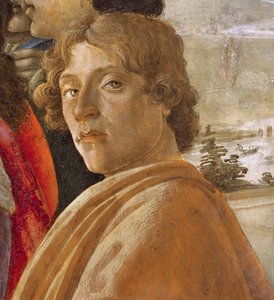
1445–1510, Italija
Sandro Botticelli
The Life of Sandro Botticelli Sandro Botticelli lived his life within the narrow, busy streets of Florence, Italy. Born Alessandro di Mariano di Vanni Filipepi around 1445, he was the son of a tanner. His family lived in the neighborhood of Ognissanti, a place he remained close to throughout his years. He eventually became known by the name Botticelli, a nickname taken from the word botticello, which refers to a small wine cask or little barrel.
Taip pat Sandro Botticelli darbai
 Veneros Gimimas1485
 Pavasaris1482
 Венера и Марс1483
 Magių Garbinimas
Esdai apie St. Jerome
 25 Masterpieces by Sandro Botticelli: The Ultimate Guide to Renaissance BeautyJourney through the ethereal beauty of Sandro Botticelli's greatest works. From The Birth of Venus to his mythic Renaissance masterpieces, …
 The Scholar and the Hermit: Examining the Iconography of Saint Jerome in Renaissance and Baroque ArtExplore the profound iconography of Saint Jerome through Renaissance and Baroque masters. Discover the secrets of sacred art history now.
 Master of Shadow: The Top 25 Essential Artworks by Jusepe de RiberaExplore 25 iconic works by Jusepe de Ribera. Master the drama of Baroque tenebrism. Discover all masterpieces on OriginalUniqueArt.com.