() ·

A painting made for you, by hand

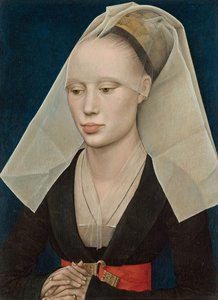
Virgin and Child

Rankų darbo aliejinės reprodukcijos

Rankiniu būdu tapytas aliejus ant droblio jūsų pageidaujamame dydį ir rėmuose – tai mūsų menininkų pagal užsakymą sukurtas darbas. ( Perjungti į spausdinamus版作品 Perejti prie skaitmeninių vaizdų)

Kolekcinio objekto aprašas

Experience Rogier van der Weyden's 'Virgin and Child.' A masterpiece of Early Netherlandish art, showcasing tender devotion & intricate detail from the Museum of Fine Arts, Houston.

Autoriaus biografija

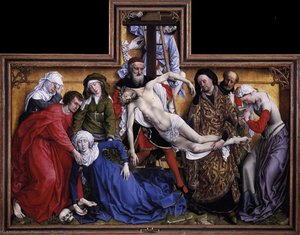
Rogier van der Weydenas (apie 1400–1464) – ankstyvojo Nyderlandų meno meistras, žinomas dėl paveikslų su giliu emocionalumu, turtingų spalvų ir natūralistiniu stiliumi. Ištykite 'Apraudimą' ir daugiau!

from ·

Chapter 1

How large should it be?

Slide to change the size; the picture on the left shows the frame at its real width. The proportions of the original are kept.

Standartinis dydis
pagal užsakymą
CM
INCH

Pasirinkite iš mūsų nustatytų dydžių, atitinkančių originalaus meno kūrinio proporcijas.

plotis
aukštis

Įveskite jums reikiamą plotį ir aukštį, kad paveikslas atitiktų jūsų rėmą ar sieną. Kadangi šis darbas yra rankinio darbo, siekiant išgauti kitokios formos dydį, paveikslas gali būti šiek tiek didesnis (nuo kraštų bus palikta daugiau erdvės) arba mažesnis – pasirinkite jums patogiausią variantą. Prieš pradedant tapyti, atsiųsime jums skaitmeninį maketą patvirtinimui. Šioje puslapio nuotraukoje matomas vaizdas nėra galutinis rezultatas – jį parodys tik sukurtas maketas.

Chapter 2

How should it arrive?

Choose the edges of the stretched canvas

Choose your frame

Corner sample of the WhiteWrap canvas edge finish, stretched on solidus medžio

**Improved version:**
solidus medis bars
White €1
Corner sample of the BlurSideWrap canvas edge finish, stretched on solidus medžio

**Improved version:**
solidus medis bars
Blurside €1
Corner sample of the ExtendedWrap canvas edge finish, stretched on solidus medžio

**Improved version:**
solidus medis bars
Extended €1
Corner sample of the P118B picture frame: lieto polistirolo detalės, 5 cm wide and 3 cm thick
P118B €10
Corner sample of the P118H picture frame: lieto polistirolo detalės, 5 cm wide and 3 cm thick
P118H €10
Corner sample of the P118W picture frame: lieto polistirolo detalės, 5 cm wide and 3 cm thick
P118W €10
Corner sample of the P438Z picture frame: lieto polistirolo detalės, 5.5 cm wide and 3.5 cm thick
P438Z €10
Corner sample of the P508JH picture frame: lieto polistirolo detalės, 7 cm wide and 3.5 cm thick
P508JH €12
Corner sample of the P508YH picture frame: lieto polistirolo detalės, 7 cm wide and 3.5 cm thick
P508YH €12
Corner sample of the P805H picture frame: lieto polistirolo detalės, 5 cm wide and 3.5 cm thick
P805H €10
Corner sample of the P805Z picture frame: lieto polistirolo detalės, 5 cm wide and 3.5 cm thick
P805Z €10
Corner sample of the P919BZ picture frame: lieto polistirolo detalės, 7 cm wide and 3.5 cm thick
P919BZ €10
Corner sample of the P919G picture frame: lieto polistirolo detalės, 7 cm wide and 3.5 cm thick
P919G €10
Corner sample of the P919XJ picture frame: lieto polistirolo detalės, 7 cm wide and 3.5 cm thick
P919XJ €10
Corner sample of the P959ZH picture frame: lieto polistirolo detalės, 5 cm wide and 3 cm thick
P959ZH €10
Corner sample of the P968JZ picture frame: lieto polistirolo detalės, 6 cm wide and 4 cm thick
P968JZ €12
Corner sample of the W106C picture frame: solidus medžio

**Improved version:**
solidus medis, 5 cm wide and 3 cm thick
W106C €8
Corner sample of the W218G picture frame: solidus medžio

**Improved version:**
solidus medis, 5 cm wide and 3 cm thick
W218G €10
Corner sample of the W218JH picture frame: solidus medžio

**Improved version:**
solidus medis, 5 cm wide and 3 cm thick
W218JH €8
Corner sample of the W218Y picture frame: solidus medžio

**Improved version:**
solidus medis, 5 cm wide and 3 cm thick
W218Y €10
Corner sample of the W307PJ picture frame: solidus medžio

**Improved version:**
solidus medis, 6 cm wide and 3 cm thick
W307PJ €10
Corner sample of the W316G picture frame: solidus medžio

**Improved version:**
solidus medis, 6 cm wide and 3 cm thick
W316G €10
Corner sample of the W316PJ picture frame: solidus medžio

**Improved version:**
solidus medis, 6 cm wide and 3 cm thick
W316PJ €8
Corner sample of the W316Y picture frame: solidus medžio

**Improved version:**
solidus medis, 6 cm wide and 3 cm thick
W316Y €10
Corner sample of the W398PJ picture frame: solidus medžio

**Improved version:**
solidus medis, 5 cm wide and 3 cm thick
W398PJ €8
Corner sample of the W4111J picture frame: solidus medžio

**Improved version:**
solidus medis, 6.5 cm wide and 3.5 cm thick
W4111J €10
Corner sample of the W500HY picture frame: solidus medžio

**Improved version:**
solidus medis, 7 cm wide and 5 cm thick
W500HY €15
Corner sample of the W500JH picture frame: solidus medžio

**Improved version:**
solidus medis, 7 cm wide and 5 cm thick
W500JH €15
Corner sample of the W692G picture frame: solidus medžio

**Improved version:**
solidus medis, 8 cm wide and 4 cm thick
W692G €12
Corner sample of the W849H picture frame: solidus medžio

**Improved version:**
solidus medis, 5 cm wide and 3 cm thick
W849H €8
Corner sample of the W940BG picture frame: solidus medžio

**Improved version:**
solidus medis, 7.5 cm wide and 4.5 cm thick
W940BG €15
Corner sample of the W953PJ picture frame: solidus medžio

**Improved version:**
solidus medis, 6 cm wide and 3.5 cm thick
W953PJ €8
Corner sample of the H24-GOLD picture frame: medžio skulptūra su gipso sluosniu, 10 cm wide and 6 cm thick
H24-GOLD €30
Corner sample of the H24-SILVER picture frame: medžio skulptūra su gipso sluosniu, 10 cm wide and 6 cm thick
H24-SILVER €30
Corner sample of the H36-GOLD picture frame: medžio skulptūra su gipso sluosniu, 15 cm wide and 6.5 cm thick
H36-GOLD €45
Corner sample of the H36-SILVER picture frame: medžio skulptūra su gipso sluosniu, 15 cm wide and 6.5 cm thick
H36-SILVER €45
Rėmo peržiūra
Įrėmintas

Moulding: . Overall size with the frame: .

Chapter 3

Who paints it, and should anything change?

Examples of what can be changed: Replace face with customer photo; Add pet (e.g., replace cat with dog); Include hidden message in background; Change background landscape or elements.
After order, OriginalUniqueArt.com team will email client for instructions and provide a mockup preview

Pristatymas visame pasaulyje () per 3–4 savaites, o ne įprastai – per 5 savaites. (31 spalis). Kokybė lieka nepakeičiama.

Chapter 4

The finishing touches

A nameplate, as in a museum?

Išgraviruotos bronzinės plokštelės detalės

This elegant plaque features the artist's name and the title of the artwork, finely engraved for a timeless presentation.

It is made from bronze with a refined, elegant finish. The text is precisely laser-engraved for a sharp and permanent result. Measuring 9x2 cm, the plaque is compact yet easy to read. It's built to be durable and scratch-resistant, offering a professional, museum-quality look. Mounting is simple thanks to the included adhesive backing.

Skaidrios akrilo plokštelės informacija

The plaque includes essential engraved details such as the artist's name, the title of the artwork, the date it was created, the type of media used-like oil on canvas or watercolor-a brief description of the piece, and a QR code that links to the complete artwork information.

It is crafted from clear acrylic, offering a sleek, modern appearance. The text is UV-engraved in black to ensure strong visual contrast. With a size of 10x15 cm, it ensures optimal readability. It comes equipped with two metal hooks for secure wall mounting. The plaque is designed to be weather-resistant, making it suitable for various environments, and it includes interactive features that work seamlessly with smartphone scanning.

Juodos akrilo plokštelės informacija

This elegant plaque includes engraved information such as the artist's name, the title of the artwork, the date it was created, the type of media used (like oil on canvas or watercolor), a short description of the artwork, and a QR code for quick access to more information.

The plaque itself is made from refined black acrylic with a premium finish. The text is laser-engraved in white for high contrast and readability. Its size is 10x15 cm, designed to be easy to read. It comes with two metal hooks for professional mounting. The design is sleek and fits any interior style. It is also weather-resistant and durable, with built-in digital integration for mobile compatibility.

A protective varnish?

When do you need it?

Chapter 5

Your painting, as you ordered it

Virgin and Child

Reprodukcijos technika

Reprodukcijos matmenys

-

Aukščiausios klasės meistras

Daugiau detalių, meistriškumo ir papildomo gamybos laiko

-

Reprodukcijos rėmėjimo parinktys

-

-

Dėl meno kūrinių ar reprodukcijų, kurių bet kuri pusė yra didesnė nei 105 cm (apie 41 inch), rėmas bus siunčiamas kaip išskaidytas surinkimo rinkinys. Šis metodas užtikrina saugų pristatymą ir apsaugo nuo transportavimo metu galimos žalos.

Reikalingas profesionalus surinkimas – tai nėra „pasidaryk pats“ (DIY) produktas.
Rinkinys turi būti surinktas, o drobė išplėsta naudojant patyrį profesionalų rėmininką, medžio klijus (nėra įtraukti į rinkinį), drobės plėšimo kleslę bei presas, kad rėmo rėžiai išliktų tiesūs, kol klijai išdžiūvus. Netinkamas surinkimas arba netolydus drobės įtampa gali negrįžtamai sugadinti meno kūrinį, todėl šie atvejai nėra užtraukiami mūsų garantijos.

  • Į komplektą įeina visi vientisos medienos elementai, tiksliai išpjauti pagal dydį.

  • Surmontinama naudojant pridėtus varžtus bei papildomai reikalingą medžio kliją kampų jungtims, kuris nėra pridėtas ir turi būti parinktas rėmininkui.

  • Reikalingi profesionalūs įrankiai, kurie nėra įtraukti į rinkinį: drobės kėlimo plytelės (stiprintuvai) ir klemiai, laikantys rėmo strygius tiesiu kampu, kol džiūsta lipas.

Svarbu:
Kampų jungtims reikalingi medžio klijai, barams reikia laikyti naudojant presas, kol klijai visiškai išdžiūvės, o surinktam rėmui įtempiamai privilgti būtinos drobės įtempimo plytযুক্ত. Šios priemonės į rinkinį neįtrauktos. Prieš užsakydami šio dydžio rinkinį, rekomenduojame pasimalkoti patyrusiu rėmų meistru.

Pavadinimo lentelė

-

-

Apsauginis lakas

Blizgus lakas (ryškina spalvas, saugo nuo šviesos ir drėgmės)

-

Personalizuoti kūrinį

Ką galima pakeisti (pavyzdžiui): pakeisti veidą klientui skirta nuotrauka; pridėti augintinį (pvz., katę pakeisti šuniu); įtraukti paslėptą žinutę fone; pakeisti fono kraštovaizdį ar elementus.

-

Skubiai

Pristatymas visame pasaulyje () per 3–4 savaites, o ne įprastai – per 5 savaites. (31 spalis). Kokybė lieka nepakeičiama.

-

Skubus pristatymas

Pristatymas visame pasaulyje () per 5 weeks. (7 lapkritis).

Įskaičiuota

Bendroji kaina

€ 267

Visos kainos suma € 267

Stiklo variantas prieinamas tik pasirinkus dydį iki 110 cm

Included with every order

  • Nemokamas greitasis pristatymas visame pasaulyje
  • Aukštos kokybės lininis drobė
  • Pilnas siuntimo draudimas
  • Muitinės mokesčių grąžinimo garantija
  • Tikro spalvų atitikimo garantija
  • 100 dienų grąžinimo politika (tik esant įtaigoms)
  • 100% pinigų grąžinimo garantija
  • Nuolaida dideliems užsakymams

A Tender Embrace: Rogier van der Weyden’s “Virgin and Child”

Within the hallowed halls of the Museum of Fine Arts in Houston resides a painting that transcends mere representation, offering instead a profound meditation on motherhood, divinity, and the quiet intimacy of faith – Rogier van der Weyden's "Virgin and Child." Created around 1454-1460 during the height of the Early Netherlandish school’s artistic flourishing, this work is more than just an image; it’s a carefully constructed dialogue between artist, subject, and viewer. Van der Weyden, a master renowned for his meticulous detail and ability to imbue his scenes with palpable emotion, presents us with a tableau that speaks volumes through its subtle gestures and luminous colors.

The painting depicts the Virgin Mary cradling the Christ Child, an iconic motif in Western art yet rendered here with a remarkable freshness. The composition is deceptively simple: a woman, clearly identified as Mary by her traditional attire – a flowing blue gown and a delicate crown – holds the infant Jesus close to her breast. Yet, within this apparent stillness lies a wealth of visual information and symbolic weight. Van der Weyden’s genius lies in his ability to convey complex ideas through deceptively straightforward imagery. The scene is bathed in an ethereal light, characteristic of the Early Netherlandish style, which allowed for intricate details and vibrant colors while maintaining a sense of depth and realism. The use of oil on panel was crucial here, enabling him to build up layers of paint with incredible precision, creating textures that mimic the feel of fabric and skin.

The Language of Symbolism

Beyond its technical brilliance, “Virgin and Child” is rich in symbolism, reflecting the deeply religious context of its creation. The blue robe worn by Mary isn’t merely decorative; it's a deliberate reference to her role as the Mother of God, associating her with heaven and divine grace. The crown adorning the Christ Child symbolizes his royal status – he is, after all, the King of Kings. However, Van der Weyden doesn’t simply present these symbols in an overtly didactic manner. Instead, he integrates them seamlessly into the scene through gesture and expression. Note how Mary's gaze is directed towards her son with a profound tenderness, while the Christ Child appears to be gazing upwards with innocent curiosity – a visual representation of their mutual love and connection.

The inclusion of a small, intricately carved wooden cartouche above the scene adds another layer of complexity. These cartouches were common in Northern European art during this period, often containing inscriptions or prayers. In this case, they likely served as a devotional element, inviting viewers to contemplate the sacredness of the depicted figures. The use of trompe l'oeil – creating an illusion of three-dimensionality – further enhances the painting’s realism and draws the viewer into its world.

A Masterpiece in Context

To fully appreciate “Virgin and Child,” it’s essential to understand the historical context in which it was created. The late Middle Ages witnessed a remarkable cultural and artistic renaissance in the Low Countries, giving rise to a new generation of artists who pushed the boundaries of realism and emotional expression. Rogier van der Weyden was undoubtedly one of the leading figures of this movement, known for his incredible attention to detail and his ability to convey emotion through his paintings. He served as court painter to Philip the Good, Duke of Burgundy, a position that afforded him significant patronage and influence.

Interestingly, “Virgin and Child” is part of a series of Apostle paintings commissioned by Van der Weyden, including depictions of St. Matthew and St. Bartholomew. This suggests a deliberate effort on the artist’s part to explore themes of faith, piety, and devotion through a variety of religious subjects. The painting's meticulous detail and emotional resonance reflect the broader trends in Northern European art during this period – a shift away from the stylized representations of the Gothic era towards a more naturalistic and human-centered approach.

Reproductions: Bringing History Home

OriginalUniqueArt offers meticulously crafted, hand-painted oil painting reproductions of Rogier van der Weyden’s “Virgin and Child,” allowing art lovers to own a piece of this extraordinary masterpiece. Each reproduction is created by skilled artisans who painstakingly recreate the artist's techniques, colors, and textures, ensuring that it captures the essence of the original while retaining its own unique beauty. Measuring 31 x 22 cm, this intimate rendition invites contemplation and serves as a timeless reminder of the enduring power of art to inspire and uplift.

For those seeking to delve deeper into the life and work of Rogier van der Weyden, we encourage you to visit our dedicated page for further information. And if you’re interested in exploring other works by this master of the Early Netherlandish school, please visit our comprehensive artist database.

Klausimai ir atsakymai

Ar galiu pamatyti „Virgin and Child“ – Rogiras Van Der Veidenas skirtingame apšvietime?

„Virgin and Child“ – Rogiras Van Der Veidenas rentginio vaizdas (X-Ray) galima rasti šio kūrinio Rentgeninis vaizdas puslapio: tai interaktyvus vaizdo tyrimas per vienuolika optinių sluoksnių.

Kokią nuotaiką „Virgin and Child“ – Rogiras Van Der Veidenas suteikia interjerui?

„Virgin and Child“ – Rogiras Van Der Veidenas pasižymi Elegantiška atmosfera ir yra rekomenduojamas Popieriaus svetainė. Nuotaika – tai tai, ką šis kūrinys suteikia aplinkinei erdvėje.

Koks yra „Virgin and Child“ formatas ir dydis?

„Virgin and Child“ formatas yra Portretinis formatas, o originalo matmenys – 31 x 22 cm. Šie duomenys yra naudingi planuojant reprodukciją.

More about this painting

Peržiūrėti realaus dydžio版 Peržiūrėti AR realybėje Perjungti į spausdinamus版作品 Perejti prie skaitmeninių vaizdų Pasidalinti
Išsamiau Vadovas Pridėti į mėgstamiausius Atsisiųsti Panašūs eksponatai Rentgeno spindulių nuotrauka Automatinė diorama Q&A Statistika

In numbers

  • 29frames to choose from
  • standard sizes, in its own proportions
  • 5weeks to paint and deliver it
Rogiras Van Der Veidenas

Rogiras Van Der Veidenas

1400 - 1464, Belgija

Quick facts about Rogiras Van Der Veidenas

  • Gimimo Data: apie 1399–1400 m.
  • Gimimo Vieta: Turnė, Belgija
  • Meninis Stilius: Ankstyvasis Nyderlandų menas
  • Mirties Data: 1464 m. birželio 18 d.
  • Pilnas Pavadinimas: Rogier van der Weyden
  • Poveikį Darė:
    • Robertas Kampenas
    • Jan van Eyck
  • Tautybė: Belgijos
  • Įtaką Patyrė:
    • Italijos renesansas
    • Ispanų tapybos
  • Žymūs Kūriniai:
    • St. Liukas piešiantis Madoną
    • Apraudimas
    • Nuėmimas nuo kryžiaus
    • Pranešimas angelui
    • Bladelino trinatis

Autoriaus biografija

Rogierio van der Veideno: Emocijų meistras ir ankstyvojo Nyderlandų meno revoliucioneris

Apie 1399–1400 metus Turnė mieste, Valonijoje gimęs Rogier de le Pasture – žinomas istorijai kaip Rogieris van der Veidenas – iškilęs kaip kertinis figūras ankstyvojo Nyderlandų tapybos klestėjimo laikotarpyje. Nors detalės apie jo jaunystę tebėra ganėtinai neatskleistos, manoma, kad pradžioje jis tobulino savo įgūdžius ne su dažais ir pigmentais, o kaip auksarodis. Šis ankstyvasis mokymas įskiepijo jam nepajudinamą atsidavimą kruopščiai detale ir rafinuotai meistriškumo suvokimui – savybės, kurios tapo jo meno stiliaus požymiais. Dirbant su brangiosiomis metalinėmis medžiagomis reikalaujantis tikslumas neabejotinai pasireiškė tekstūrų, audinių ir išraiškų atvaizdavime, apibūdinančiame jo šedevrus. Jis neatsižvelgdavo tiesiog į realybės vaizdą; jis ją atkurdavo su kruopščia tikslumu, įkvėpdamas beveik garbingą dėmesį detalėms.

Rogerio ankstyvieji metai apipinti paslaptimis, tačiau jo mokymasis pas Robertą Kampeną ir vėlesnis įstojimas į Šv. Liuko gildiją Turnėje parodė jo augantį talentą. Tai buvo svarus posūkis, patvirtinantis jį kaip profesionalų dailininką ir atveriantis duris į svarbius užsakymus. 1435 metais jis įstojo į Filipo Geresio, Burgundijos kunigaikščio, tarnybą – globėjo, kuris giliai paveiks jo karjerą iki gyvenimo pabaigos. Tarnaujantis rūmų dailininku, Rogeriui ne tik užsitikrinta finansinį stabilumą, bet ir suteikė galimybę įtakos ir elito rato aplinkoje bei susipažinti su išrankiausiais vertintojais. Būtent šiuo laikotarpiu Rogerio meno vizija pradėjo bręsti, atsiribodama nuo ankstesnių Nyderlandų dailininkų ganėtinai griežtų konvencijų ir linkstanti į emocingesnį bei natūralistines interpretacijas. Jis neatsižvelgdavo tiesiog į religinių scenų piešimą; jis siekdavo sužadinti autentiškus jausmus žiūrovo, sukuriant patirtį, pranokstančią paprastą stebėseną.

Stilius ir Technika: Jausmų Kalba

Rogerio van der Veideno meninis ženklas iš karto atpažįstamas pagal keletą apibrėžiančių bruožų. Jo paletė buvo nepaprastai turtinga ir įvairi – ryškus spalvų tapetas, kruopščiai parinktas, kad būtų išvengta pakartojimo ir sukurtas gylis bei sudėtingumas kompozicijose. Jis pasižymėjo išskirtiniu gebėjimu perteikti gilų emociją – *patą* – ypač religinių motyvų atvaizduose, pavyzdžiui, „Apraudojime“, kuriame gedulas ir kančia yra juntini. Ši emocijų intensyvumas nebuvo pasiektas dramatiškais gestais ar perdėtomis išraiškomis; jis subtiliai įaustas pačioje paveikslo struktūroje, perteikiamas per švelnias veido išraiškų, kūno kalbos ir kompozicijos niuansus. Jo figūrėlės, nors ir atitinka to meto konvencijas, rodo vis didėjančią susidomėjimo realistišku vaizdavimu – ne tik anatomija ir rūbais, bet ir subjekto psichologinės būsenos įamžinimu. Joms suteiktas garbės, beveik skulptūriškas atspalvis, ypač pastebimas jo didžiuosiuose triptychuose, suteikiantis jiems pagarbos ir šventumo aurą. Jis meistriškai naudojo aliejaus dažus, sukurdamas sluoksnius permatomų glazūrų, kad pasiektų žėruojančius efektus ir sukurti gylio bei realizmo pojūtį, kuris buvo revoliucinis tuo metu.

Pavelės Įtaka: Šedevrai, Suformuoti Dažais

Rogerio įtaka išsiplėtė gerokai už jo gimtosios Flandrijos ribų. Jo darbai buvo labai geidžiami visoje Europoje, ypač Italijoje ir Ispanijoje, kur jie atnešė naują emocinio gylio ir natūralizmo lygį vietinėms meninėms tradicijoms. Nors jo populiarumas 17-ajame amžiuje patyrė relatyvaus nuopuolio laikotarpį, pergaimimas 19-ojo amžiaus pradžioje įtvirtino jo poziciją kaip vieną svarbiausių 15-ojo amžiaus dailininkų. Jis stovi šalia Jan van Eyck ir Roberto Kampeno kaip vienas iš trijų didžiųjų ankstyvojo Flandrų meistrų, kiekvienas unikaliai prisidedantis prie Šiaurės Renesanso meno plėtros. Jo naujoji technika ir emocingomis kompozicijomis paveikė ateinančias kartas dailininkų, įkvėpusi daugybę imituotojų ir paveikusios Vakarų tapybos eigą per šimtmečius. Jis padėjo nustatyti aliejaus dažus kaip dominuojančią terpę ir pakėlė menininko statusą visuomenėje, paversdamas juos ne įgūdžiais amatininkais, o gerbiamais kūrėjais. Rogerio van der Veideno palikimas ir šiandien rezonuoja, liudijantis jo nesenstančią genialybę ir gilią supratimą apie žmogaus būklę.

Žymūs Darbai ir Amžini Šedevrai

Per savo produktyvią karjerą Rogeri išgarsino daugybę darbų, kurie yra liudijimai jo meninės meistrystės. Šv. Liukas piešia Madonos portretą, esantis Bostono dailės muziejuje, parodo jo aliejaus dažais ant plokštelės meistriškumą ir kruopščius stebėjimus. Apraudojimas, esantis Turnė Gražiosios meno muziejuje Belgijoje, yra galbūt jo garsiausias darbas – giliai emocingas Kristaus gedulo vaizdas, žinomas dėl dramatiško *šiaroškurų* panaudojimo ir gebėjimo žiūrovo sieloje pažadinti gilų liūdesį. Nuėmimas nuo kryžiaus egzistuoja keliose versijose, kiekviena iš jų demonstruoja jo įgūdžius perteikti gedulą ir dramą su kvapą atimančiu jautrumu. Pranešimas apie Pradžią, meistriškumo ir dėmesio detalėms šedevras, pavyzdiškai parodo jo gebėjimą įkvėpti naujumo ir gyvybingumo netgi labiausiai tradiciniams motyvams. Ir galiausiai, sudėtingas ir turtingais detalėmis Bladelino triptychas yra monumentalus pasiekimas – sudėtingas altoriaus paveikslas, kuriame galima pamatyti visą Rogerio van der Veideno meninių gebėjimų spektrą.