Introduction
To embark on a journey through the Top 10 Masterpieces That Defined the "Early Netherlandish Renaissance" is to step into a world where light itself seems to breathe, and reality is rendered with an almost unsettling precision. These paintings aren’t merely depictions; they are portals—windows into the lives, beliefs, and burgeoning artistic sensibilities of 15th-century Northern Europe.
Emerging from the late medieval period in what is now Belgium, the Netherlands, and parts of Germany, this movement marked a radical departure from prevailing Gothic styles. The Early Netherlandish Renaissance flourished during a time of increasing wealth fueled by trade, particularly within the prosperous cities of Bruges, Ghent, and Antwerp. This economic prosperity fostered a vibrant merchant class eager to commission art—not just for religious devotion but also as displays of status and personal identity. The patronage system profoundly shaped the subject matter and detail found in these works.
Artists like Jan van Eyck, Robert Campin, and Rogier van der Weyden pioneered techniques that would forever alter the course of painting. The adoption of oil paint allowed for unprecedented levels of realism—rich colors, subtle gradations of light and shadow, and meticulous attention to texture. Every fold in a garment, every strand of hair, every glint of metal was rendered with painstaking accuracy. This wasn’t simply about technical skill; it was an attempt to capture the divine presence within the everyday world.
But beyond their breathtaking realism, these masterpieces resonate today because they grapple with timeless themes: faith, mortality, love, and the human condition. They offer a profound meditation on the complexities of life, inviting us to contemplate our own place in the universe. The symbolism woven into these paintings—often hidden in plain sight—adds layers of meaning that continue to fascinate scholars and art lovers alike.
Over the following pages, we will explore ten exceptional works that exemplify the brilliance and enduring legacy of the Early Netherlandish Renaissance. Prepare to be captivated by their beauty, moved by their stories, and inspired by the artists who dared to see—and show us—the world anew.
The Ghent Altarpiece - Jan van Eyck
 The Ghent Altarpiece - Jan van Eyck
Imagine standing before a cascade of shimmering gold, bathed in the hushed reverence of a medieval cathedral. Before you unfolds Jan van Eyck’s Ghent Altarpiece—not simply a painting, but an entire universe rendered with breathtaking precision and profound spiritual depth. Completed in 1432, this monumental polyptych is a cornerstone of the Early Netherlandish Renaissance , marking a pivotal shift towards realism and humanist ideals.
The Altarpiece’s twelve panels (when open) narrate a complex theological story, culminating in the powerful Adoration of the Mystic Lamb . A diverse congregation gathers before Christ, their faces reflecting faith and devotion. Van Eyck's revolutionary use of oil paint—layering translucent glazes to achieve unparalleled luminosity—brings every detail to life: individual hairs, intricate fabrics, the subtle play of light on skin.
But beyond its technical brilliance, the Altarpiece captivates with its symbolism. Every object, from architectural details to seemingly mundane flowers, carries meaning, inviting contemplation and deeper understanding. This is a work that rewards sustained viewing, revealing new layers of significance with each encounter.
The Ghent Altarpiece belongs in any list of the Top 10 masterpieces because it embodies the spirit of its era—a burgeoning curiosity about the natural world combined with unwavering religious belief. It reminds us that art can be both a celebration of beauty and a profound expression of faith, capable of enriching our lives even centuries later. Bringing such detail into your home – perhaps through a reproduction or inspired color palette – evokes a sense of serenity and timeless prestige.
The Adoration of the Kings (Monforte Altar) - Hugo van der Goes
 The Adoration of the Kings (Monforte Altar) - Hugo van der Goes
A hush falls over the scene in Hugo van der Goes’s The Adoration of the Kings —a moment frozen in time, radiating both reverence and quiet humanity. Completed around 1470, this masterpiece of the Early Netherlandish Renaissance transcends a simple biblical depiction; it is an exploration of faith, humility, and the profound mystery of divine birth.
Van der Goes’s meticulous technique—layering translucent oil glazes to achieve breathtaking luminosity—brings every detail to life. The rich textures of velvet robes, the delicate embroidery on garments, and the expressive faces of the Magi convey a sense of wonder and awe. The composition is not merely beautiful; it's emotionally resonant, inviting viewers into the sacred space.
This painting belongs among the Top 10 for its innovative approach to perspective and psychological realism. The figures are rendered with an unprecedented level of individuality, their emotions palpable. Every element—from the symbolic gifts of gold, frankincense, and myrrh to the lush landscape receding into the distance—contributes to a deeply meaningful narrative.
The Adoration of the Kings reminds us that art can be both a celebration of faith and a profound meditation on the human condition. Its harmonious composition and rich color palette evoke a sense of serenity, offering a timeless source of inspiration for modern interiors—a quiet prestige that transcends fleeting trends.
The Corn Harvest (detail) - Pieter Bruegel the Elder
 The Corn Harvest (detail) - Pieter Bruegel the Elder
Before you unfolds a world teeming with life—a fragment of Pieter Bruegel the Elder’s The Corn Harvest , a window into 16th-century Flanders. This detail isn't merely a depiction of agricultural labor; it is a vibrant tableau brimming with human activity and symbolic meaning, securing its place among the Top 10 masterpieces of the Early Netherlandish Renaissance .
Bruegel’s meticulous oil technique brings every element to life—the rich textures of golden grain, the expressive faces of peasants pausing from their work, and the earthy palette that evokes a sense of abundance. He doesn't idealize rural existence; instead, he presents it with remarkable realism, capturing both the toil and the joy of communal effort.
This painting belongs in any list of essential works for its innovative approach to composition and its profound understanding of human nature. The densely populated scene—with figures eating, drinking, and resting amidst their harvest—highlights the cyclical rhythm of life and the importance of respite. The subtle use of light and shadow creates depth and draws the eye to key areas within the composition.
The Corn Harvest reminds us that art can be both a celebration of everyday life and a profound meditation on the human condition. Its harmonious balance and rich detail evoke a sense of serenity, offering a timeless source of inspiration for modern interiors—a quiet prestige that transcends fleeting trends.
Portrait Diptych of Philippe de Croy (left wing) - Rogier van der Weyden
 Portrait Diptych of Philippe de Croy (left wing) - Rogier van der Weyden
A quiet intimacy radiates from Rogier van der Weyden’s Portrait Diptych of Philippe de Croy —a testament to the power of emotion and detail in Early Netherlandish Renaissance art. Completed around 1460, this diminutive oil on oak panel transcends mere portraiture; it is a profound exploration of faith, status, and human connection.
Van der Weyden’s unwavering commitment to realism—a pursuit that extended beyond visual accuracy—is vividly apparent in the meticulous rendering of every fold of fabric and contour of muscle. This dedication, combined with his masterful use of oil paint, creates a sense of palpable sincerity rarely seen before.
The diptych operates on multiple symbolic levels, reflecting the religious fervor of its era. The central figure—believed to be Mary holding the infant Jesus—embodies tenderness and divine protection. The inclusion of a book suggests knowledge and guidance, underscoring the painting’s intellectual dimension.
This work belongs among the Top 10 for its influence on subsequent generations of artists and its enduring ability to move viewers with its quiet beauty. Its harmonious composition and rich color palette evoke a sense of serenity—a timeless aesthetic that continues to inspire modern interiors, offering a touch of refined elegance and contemplative calm.
Francesco d'Este (born about 1429, died after July 20, 1476) - Rogier van der Weyden
 Francesco d'Este (born about 1429, died after July 20, 1476) - Rogier van der Weyden
A profound stillness emanates from Rogier van der Weyden’s portrait of Francesco d'Este—a glimpse into the world of Renaissance nobility and a testament to the artist’s mastery. Completed around 1460, this work is more than just a likeness; it is an embodiment of status, intellect, and refined sensibility, rightfully securing its place among the Top 10 masterpieces of the Early Netherlandish Renaissance .
Van der Weyden’s skill lies in his ability to capture not only physical resemblance but also the inner life of his subject. The elegant lines of Francesco’s face and hands, combined with the rich textures of his dark red garment, convey a sense of quiet dignity. The inclusion of symbols—such as the hammer and ring—hint at his interests and accomplishments.
This portrait belongs in any list of essential works for its influence on court portraiture and its enduring ability to evoke a sense of timeless elegance. The unusual white background, perhaps referencing the Este family’s livery colors, adds a subtle layer of meaning. Its harmonious composition and refined detail offer a touch of sophistication—a quality that continues to inspire modern interiors and a pursuit of beauty in our own lives.
St Ivo - Rogier van der Weyden
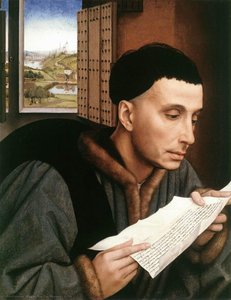 St Ivo - Rogier van der Weyden
A quiet contemplation radiates from Rogier van der Weyden’s St Ivo —a window into the world of faith and intellectual pursuit. Painted around 1450, this work is more than just a portrait; it embodies the burgeoning humanist spirit of the Early Netherlandish Renaissance , while simultaneously capturing the profound emotional depth characteristic of the era.
Van der Weyden’s mastery lies in his ability to render not only physical resemblance but also the inner life of his subject. The meticulous detail—particularly noticeable in the rendering of Ivo’s drapery and facial features—creates a sense of palpable realism. The dramatic interplay of light and shadow sculpts Ivo’s form, imbuing the scene with solemn dignity.
This painting belongs among the Top 10 for its innovative use of symbolism and its enduring ability to evoke a sense of quiet contemplation. The window itself represents not merely natural light but also divine grace penetrating the darkness of human ignorance. At OriginalUniqueArt, we believe in bringing such timeless beauty into your home—allowing you to experience the harmony and inspiration of masterpieces like St Ivo as living decor.
Miraflores Altarpiece (central panel) - Rogier van der Weyden
 Miraflores Altarpiece (central panel) - Rogier van der Weyden
A profound sense of grief hangs heavy in Rogier van der Weyden’s Miraflores Altarpiece —a masterpiece that transcends mere religious depiction and delves into the very heart of human sorrow. Created around 1440, this monumental panel is a cornerstone of Early Netherlandish Renaissance art, securing its place among the Top 10 for its unparalleled emotional depth.
Van der Weyden’s skill lies in his ability to capture not only physical resemblance but also the visceral experience of mourning. The dramatic use of chiaroscuro—the interplay between light and shadow—creates a sense of depth and realism, while meticulous glazing techniques achieve luminous colors and subtle tonal variations. Every brushstroke conveys maximum impact.
This painting belongs in any list of essential works for its innovative approach to composition and its enduring ability to evoke empathy. The outstretched arms of Christ represent humility, while the weeping figures embody universal compassion. At OriginalUniqueArt, we believe in bringing such timeless beauty into your home—allowing you to experience the power of art to transform spaces and inspire contemplation.
Lady Wearing a Gauze Headdress - Rogier van der Weyden
 Lady Wearing a Gauze Headdress - Rogier van der Weyden
A quiet dignity emanates from Rogier van der Weyden’s Lady Wearing a Gauze Headdress —a testament to the artistic fervor of the Early Netherlandish Renaissance . Painted around 1445, this captivating portrait embodies the period’s profound spiritual contemplation and unparalleled realism.
Van der Weyden wasn't merely a painter; he was a master of emotion. His skill lies in capturing not only physical resemblance but also the inner life of his subject—a quality evident in the subtle gestures and nuanced facial expressions that define this work. The meticulous use of oil paint on panel achieves astonishing levels of luminosity, with light dancing across her skin and emphasizing the delicate folds of her gown.
This painting belongs among the Top 10 for its influence on portraiture and its enduring ability to evoke a sense of serene introspection. At OriginalUniqueArt, we believe in bringing such timeless beauty into your home—allowing you to experience the harmony and inspiration of masterpieces like this as living decor.
Deposition - Rogier van der Weyden
 Deposition - Rogier van der Weyden
A wave of sorrow washes over you as you gaze upon Rogier van der Weyden’s Deposition —a masterpiece that transcends mere biblical narrative and delves into the very heart of human grief. Completed around 1435, this work is a cornerstone of Early Netherlandish Renaissance art, securing its place among the Top 10 for its unparalleled emotional depth.
Van der Weyden’s skill lies in his ability to capture not only physical resemblance but also the visceral experience of mourning. The meticulous use of sfumato—subtly blending colors to create soft transitions and atmospheric depth—creates a sense of realism rarely seen before. He strives to convey the palpable sorrow of Mary and the unwavering faith of John, capturing human emotion with breathtaking accuracy.
This painting belongs in any list of essential works for its influence on subsequent generations of artists and its enduring ability to evoke empathy. At OriginalUniqueArt, we believe in bringing such timeless beauty into your home—allowing you to experience the power of art to transform spaces and inspire contemplation through faithful reproductions that preserve the emotion and texture of the original.
Pierre Bladelin Triptych (detail) - Rogier van der Weyden
 Pierre Bladelin Triptych (detail) - Rogier van der Weyden
A window into a bygone era opens before you as you contemplate Rogier van der Weyden’s Pierre Bladelin Triptych —a masterpiece that embodies the artistic prowess of the Early Netherlandish Renaissance . Completed in 1450, this work offers a profound glimpse into the spiritual landscape of its time.
More than just a depiction of Middelburg’s cityscape, the triptych is an elaborate visual narrative designed to convey theological concepts with breathtaking precision. Van der Weyden’s meticulous technique exemplifies the realism characteristic of his era—from the weathered stone of the castle walls to the folds of clothing.
This painting belongs among the Top 10 for its enduring beauty and ability to transport us back to a pivotal moment in European artistic history. At OriginalUniqueArt, we believe in bringing such timeless artistry into your home—allowing you to experience the majesty of God and the importance of spiritual devotion through faithful reproductions that preserve the emotion and texture of the original.
Conclusion
As the light fades on these ten masterpieces, we find ourselves not merely concluding a journey through art history, but returning from a pilgrimage to the very heart of human expression. Rogier van der Weyden, Jan van Eyck, and their contemporaries didn’t simply paint scenes; they captured souls, illuminated faith, and gave form to the unspoken longings of an era.
These works—from the intimate grief of the Deposition to the bustling realism of the Pierre Bladelin Triptych —continue to resonate because they speak a language beyond time. They remind us that beauty can be found in both the grand and the mundane, that sorrow and joy are inextricably linked, and that even within the most detailed depictions of reality lies a profound spiritual truth.
Today, these paintings aren’t confined to museum walls; they live on in our homes, in our imaginations, and in the countless reproductions that allow us to share their power with future generations. They shape the way we perceive color, light, and emotion—echoing the eternal dialogue between art and everyday life.
We invite you to continue exploring the wonders of this remarkable movement – discover more treasures from the full collection and find a piece that speaks to your own heart. For within these canvases lies not just history, but a timeless reflection of ourselves.