
 Peržiūrėti realaus dydžio版
 Pasidalinti
 Dalintis
 Išsamiau
 Vadovas

 Atsisiųsti
 Panašūs eksponatai
 Rentgeno spindulių nuotrauka
 Automatinė diorama
 问答
问答 Statistika
The Horse Fair

- 64.0 x 88.0 cm


 Skaityti daugiau
Giclée / Meno spausdinimas
Muziejų lygio „giclée“ arba drobos spausdinimas: greita gamyba ir lankstios apdailos parinktys. ( Pirkti rankų darbo tapybą Perejti prie skaitmeninių vaizdų)




P118B €10

P118H €10

P118W €10

P438Z €10

P508JH €12

P508YH €12

P805H €10

P805Z €10

P919BZ €10

P919G €10

P919XJ €10

P959ZH €10

P968JZ €12

W106C €8

W218G €10

W218JH €8

W218Y €10

W307PJ €10

W316G €10

W316PJ €8

W316Y €10

W398PJ €8

W4111J €10

W500HY €15

W500JH €15

W692G €12

W849H €8

W940BG €15

W953PJ €8




Pasirinkite iš mūsų nustatytų dydžių, atitinkančių originalaus meno kūrinio proporcijas.

Įveskite jums reikiamą plotį ir aukštį, kad atvaizdas derėtų prie jūsų rėmo ar sienos. Spausdiną galima tik sumažinti, bet nepadidinti virš originalaus paveikslėlio dydžio, todėl keičiant proporcijas, dalis vaizdo prarandama. Prieš spausdinimą atsiųsime jums skaitmeninį maketą patvirtinimui. Šioje puslapio nuotraukoje matomas pjūvis nėra tikslus – jį rodo tik maketas.
Pristatymas visame pasaulyje () per 2 weeks, o ne įprastas 4/5 savaičių laikotarpis. (7 lapkritis)

Nemokamas greitasis pristatymas visame pasaulyje

Aukštos kokybės lininis drobė

Pilnas siuntimo draudimas

Muitinės mokesčių grąžinimo garantija

Tikro spalvų atitikimo garantija

100 dienų grąžinimo politika (tik esant įtaigoms)

100% pinigų grąžinimo garantija

Nuolaida dideliems užsakymams
 Stiklo variantas prieinamas tik pasirinkus dydį iki 110 cm

The Horse Fair
Giclée / Meno spausdinimas
Reprodukcijos matmenys
-


Bendroji kaina
€ 72
A Symphony of Motion: The Spirit of the Dutch Golden Age
In the heart of the seventeenth century, amidst the burgeoning prosperity of the Netherlands, Philips Wouwerman captured a moment of vibrant, unbridled energy in his masterpiece, The Horse Fair. This expansive oil on canvas, dating from 1665, serves as more than just a depiction of commerce; it is a window into the soul of the Dutch Golden Age. As one gazes upon the scene, the viewer is immediately swept into a bustling open field where the rhythmic pulse of life is palpable. Wouwerman, a master of the genre, orchestrates a complex ballet of equine grace and human industry, creating a composition that feels both spontaneous and meticulously balanced. The sheer variety of horses—ranging from powerful, muscular stallions to more delicate breeds—adds a layer of dynamic tension, suggesting a world in constant motion, where every creature and character plays a vital role in the unfolding drama of the fair.
The technical brilliance of Wouwerman is most evident in his ability to render texture and light with breathtaking precision. Each brushstroke contributes to the tactile reality of the scene, from the shimmering coats of the horses to the heavy, period-specific fabrics worn by the gathered crowd. The artist employs a sophisticated palette that balances earthy, grounded tones with sudden bursts of brilliance, drawing the eye across the canvas in a choreographed journey. Notice how the overcast sky, filled with soft, billowing clouds, provides a diffused light that eliminates harsh shadows, allowing for a subtle interplay of luminosity across the landscape. This mastery of light not only defines the forms within the painting but also imbues the atmosphere with a sense of atmospheric depth, pulling the viewer toward the distant body of water and the quiet silhouettes of trees that anchor the horizon.
A Tapestry of Social Narrative and Artistic Legacy
Beyond the aesthetic splendor, The Horse Fair functions as a rich social document. The figures scattered throughout the landscape—traders negotiating prices, riders guiding their mounts, and peasants carrying baskets—represent a cross-section of seventeenth-century society. There is a profound sense of narrative potential in every interaction; one can almost hear the low murmur of bartering voices and the heavy thud of hooves against the earth. Wouwering uses these human elements to ground his grander landscapes in a relatable, earthly reality. The inclusion of such detailed character studies elevates the work from a mere landscape to a genre painting of significant psychological depth, where the themes of trade, status, and the shared experience of the marketplace are explored through the lens of animal husbandry.
For the discerning collector or interior designer, this reproduction offers an unparalleled opportunity to introduce a sense of historical grandeur and classical elegance into a contemporary space. The painting’s ability to command attention while maintaining a harmonious presence makes it a versatile centerpiece for any curated collection. It evokes a feeling of timelessness, bridging the gap between the historical splendor of the Haarlem school and the sophisticated tastes of the modern era. To possess such a work is to hold a piece of art history that celebrates the beauty of movement, the dignity of labor, and the enduring allure of the natural world, making it an evocative choice for those looking to inspire awe and contemplation within their homes or galleries.
Klausimai ir atsakymai
Kur galiu rasti statistiką apie „The Horse Fair“ – Filipas Vouvermanas?
„The Horse Fair“ – Filipas Vouvermanas puslapio Statistika statistika rodo viešųjų apsilankymų duomenis: šio kūrinio mėnesinius apsilankymus, palyginimą su daugiausia peržiūrėtomis šio autoriaus dalimis bei lankytojų kilmės regionus.
Kaip galiu įsigyti „The Horse Fair“ – Filipas Vouvermanas spausdinį?
Šio kūrinio „The Horse Fair“ – Filipas Vouvermanas spausdinį galite užsakyti tiesiogiai jo Kūrinio spausdinimas aukščiausia kokybe puslapio: aukščiausios kokybės spausdinys ant medžio siuvinėjamų audinių arba archyvinio kanvas tipo popieriaus.
Kokia technika panaudota kūriniui „The Horse Fair"]?
„The Horse Fair“ – Filipas Vouvermanas technika – Oil On Canvas. Kopijos siekia atkartoti šios technikos vaizdą.
Autoriaus biografija
Filipso Vouwermano gyvenimas Aukso amžiuje
Filipas Vouwermanas (krikštytas 1619 m. gegužės 24 d. – mirė 1668 m. gegužės 19 d.) buvo itin produktyvus ir įvairiapusis olandų tapytojas, garsėjantis medžioklės scenomis, kraštovaizdžiais bei mūšio atvaizdais. Jis yra reikšminga figūra Nyderlandų Aukso amžiaus meno pasaulyje. Gimęs ir kūręs turtingoje kultūrinėje aplinkoje, Vouwermanas sugebėjo įamžinti savo epochos dvasią drobėse, kuriose dera detalumas, dinamika ir subtilus humoro jausmas.
Ankstyvieji metai ir mokymasis
Filipas Vouwermanas gimė Harleme, Nyderlanduose, Pouvelo Joostso Vouwermano sūnus. Tėvas taip pat buvo tapytojas, nors ir mažiau žinomas nei jo palikuonis. Detalių apie ankstyvąjį meninį mokymąsi yra nedaug. Tačiau manoma, kad jis studijavo pas Frans Halsą (1581/85–1666), žymų Harlemo portretininką. Nors Halso savitas stilius neturėjo didelės įtakos Vouwermano brandžiam darbui, pagrindinis mokymas greičiausiai buvo labai vertingas. Ankstyvoje karjeros stadijoje Vouwermanas patyrė *bamboccianti* tradicijos įtaką, ypač Pieterio van Laero (1592/99–po 1642 m.) kūrinius, perimdami jo dėmesį kasdieniam gyvenimui ir žanriniams scenoms.
Meno plėtra ir stilius
Pradžioje sekdamas *bamboccianti* tapytojų pavyzdžiu, Vouwermano ankstyvieji darbai vaizdavo kasdienio gyvenimo epizodus. Viduryje 1640-ųjų metų atsirado būdingas kompozicinis elementas – įstrižas reljefo šlaitas, dažnai lydimas medžio, veikiančio kaip *repoussoir* (priemonė gilumui kurti). Šiose scenose dažnai figūruodavo personažai, dažniausiai kartu su arkliais. Brandžiame laikotarpyje (apie 1650–1660 m.) Vouwermanas sukūrė savitą stilių, gerokai išplėtęs tematiką. Jis tapė žanrines scenas, kraštovaizdžius su keliautojais, kavalerijos mūšius, karinius lagerius ir linksmas valstiečių susibūrimus.
Arklių meistras
Vouwermanas ypač garsėja išskirtiniu arklių vaizdavimo įgūdžiu – įvairiausių veislių žirgai buvo atvaizduojami dinamiškame judėjime. Meno istorikas Frederik J. Duparc yra pavadinęs jį „abejotinai talentingiausiu ir sėkmingiausiu XVII amžiaus olandų arklių tapytoju“. Jo darbuose galima pamatyti ne tik anatomijos tikslumą, bet ir arklio charakterio bei energijos perteikimą. Subtilios spalvos, šaltas atmosferos tonas ir kruopštus dėmesys detalėms sukuria įtaikius ir anekdotinius pasakojimus jo paveiksluose. Dažnai jis derino įsivaizduojamus pietų kraštovaizdžius su aiškiai olandiška atmosfera.
Pagrindiniai laimėjimai ir palikimas
Vouwermano darbai buvo labai paklausūs jo gyvenimo metais ir išlaikė populiarumą XVIII amžiuje. Jo paveikslai pateko į žymias kolekcijas visoje Europoje, įskaitant princų rūmus Dresdene ir Sankt Peterburge, rodydami plačiai paplitusią pagarbą jo menui. Jis buvo itin produktyvus – ankstyvuose kataloguose buvo užregistruoti apie 800 jam priskirtų darbų, vėliau šis skaičius viršijo 1200. Naujausias katalogas raisonné (Schumacher, 2006) identifikuoja maždaug 570 autentiškų kūrinių, pripažindamas daugybę pasekėjų ir imitatorių, sukūrusių darbus jo stiliumi.
Istorinė reikšmė
Filipas Vouwermanas Nyderlandų Aukso amžiuje paliko ryškų pėdsaką sugebėdamas įamžinti platų scenų spektrą – nuo judrių turgaviečių ir medžioklės ekspedicijų iki dramatiškų mūšio laukų ir ramios kraštovaizdžio gamtos. Jo meistriškumas vaizduojant arklius, kartu su aštriu anekdotinių pasakojimų akis, įtvirtino jo vietą kaip vieną žymiausių ir įtakingiausių savo laikmečio tapytojų. Retrospektyvinė paroda Kaselyje ir Hagoje (2009/2010 m.) dar labiau pabrėžė jo ilgalaikį palikimą.
- Artistic movement or style: Dutch Golden Age
- Artists or movements influenced by this artist: Jan van Huchtenburgh, Joseph van Bredael, Carel van Falens
- Artists who influenced this artist: Pieter van Laer, Frans Hals, Jan Wijnants
- Date of birth: May 24, 1619
- Date of death: May 19, 1668
- Full name: Philips Wouwerman
- Nationality: Dutch
- Notable artworks: Two Horses, Two Horsemen at a Gipsy Encampment, Dune Landscape with a Signal Post, A Horse Fair near an Army Camp, Horsepond near a Boundary Stone
- Place of birth: Haarlem, Netherlands

Filipas Vouvermanas
1619 - 1668 , Nyderlandai
Trumpa informacija
- Gimimo Data: 1619 gegužės 24 d.
- Gimimo Vieta: Haarlem, Nyderlandai
- Meninis Stilius: Olandijos aukso amžius
- Mirties Data: 1668 gegužės 19 d.
- Pilietybė: Olandas
- Pilnas Vardas: Philips Wouwerman
- Turėjo Įtakos:
- Pieter van Laer
- Frans Hals
- Jan Wijnants
- Įtakojo:
- Jan van Huchtenburgh
- Joseph van Bredael
- Carel van Falens
- Žymiausi Darbai:
- Du arkliai
- Du raiteliai čigonų stovykloje
- Kopų peizažas su signalo bokštu
- Arklio turgus netoli armijos stovyklos
- Tvenkinys prie ribakmenės
Susiję straipsniai

Golden Light & Dutch Skies: The Timeless Magic of Dutch Golden Age Landscapes
Discover the breathtaking beauty of Dutch Golden Age landscapes. Explore the mastery of light, chiaroscuro, and 17th-century realism through an expert art history lens, celebrating the enduring legacy of the Dutch Masters for discerning collectors and art lovers.
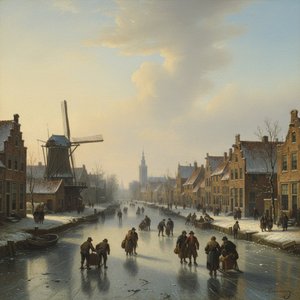
Charles Leickert: Capturing the Dutch Golden Age Light – A Comprehensive Study of Technique, Context, and Legacy
Explore the captivating winter landscapes of Charles Leickert, a master of Dutch Golden Age light & atmosphere. Discover his techniques, symbolism, and lasting legacy – a comprehensive study for art enthusiasts and collectors.
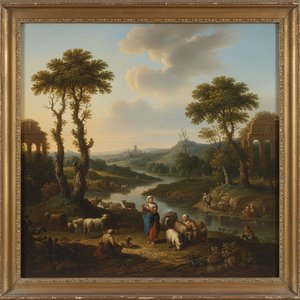
Nicolaes Berchem: Dutch Golden Age Pastoralism & the Evolution of Landscape Painting
Explore the captivating world of Nicolaes Berchem, a leading Dutch Golden Age painter. Discover his idyllic landscapes, masterful technique & lasting influence on art history. Learn more at OriginalUniqueArt.

Golden Light & Dutch Skies: Bringing the Magic of Dutch Golden Age Landscapes into Your Home
Transform your home with the breathtaking light of Dutch Golden Age landscapes. Discover how hand-painted oil reproductions of masterworks like Ruisdael and Vermeer bring timeless elegance, atmosphere, and soulful texture to modern interiors. Elevate your space with museum-quality art.

Olandijos Aukso Amžius: 10 Šedevrų, Apibrėžiančių Meną ir Stilių
Atraskite Olandijos Aukso Amži\u017us meninius šedevrus! 10 legendin\u017iŴ paveikslžiai – Rembrandto, Vermeerio ir kt. darbai. Sužnkitę j\u016ungo namus aukso amži\u017us grožiu! Āukrai, interjero dizainas – viskas OriginalUniqueArt.com. Ižirkite kolekciją internete!