
 Peržiūrėti realybėje
 Pasidalinti
 Dalintis
 Išsamiau

 Atsisiųsti
 Panašūs eksponatai
 Rentgeno nuotrauka
 Automatinė diorama
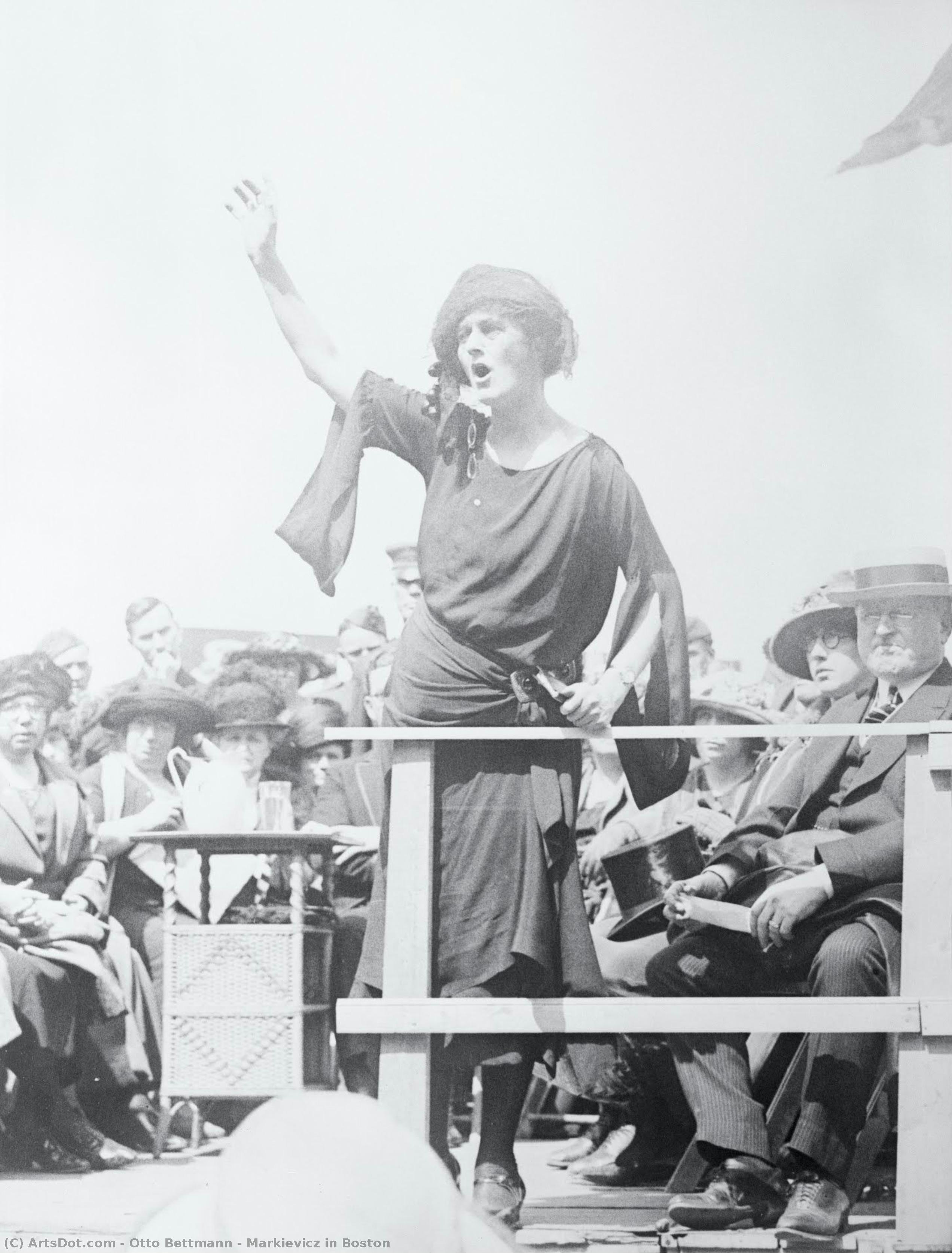
Markievicz in Boston


 Skaityti daugiau
Įsigykite aukštos skiriamosios raiškos, patobulintą skaitmeninį vaizdą, gerokai pranašesnį už internetinę peržiūrą.
Kiekvieną failą mūsų specialistai kruopščiai paruošia naudojant pažangias technologijas ir profesionalų rankinį retušavimą. Užtikriname, kad kiekvienas vaizdas pasižymėtų išskirtiniu aiškumu, tikslia spalvų atspalviu ir smulkiomis detalėmis.
Baigiamas failas el. paštu pristatomas per 72 valandas; jis optimizuotas nedelsiant naudojimui profesionalioje, redakcinėje ir spausdinimo aplinkoje. Tai ta pati kokybė, kuria pasitiki aukščiausios klasės dizaino studijos, leidyklos ir galerijos.
Skaitmeninis vaizdas
Atsisiųskite didelės raiškos failą asmeniniam naudojimui, spausdinimui ir kūrybiniams projektams. ( Pirkti spaudinį Pirkti rankomis tapytą paveikslą)
Kiekvieną skaitinio vaizdo užsakymą papildė
Profesionalus skaitmeninis pristatymas, garantuotas
Pasirinkę OriginalUniqueArt.com, jūs ne tik gaunate paveikslėlį – jūs gaunate profesionaliai patobudintą skaitmeninį kūrinį, sukurtą itin tikniai ir užtikrinantį pasitenkinimą. Štai viską, kas automatiškai pritékia jūsų užsakymui:

Greitas siuntimas el. paštu
Jūsų aukštos raiškos skaitmeninis vaizdo failas bus išsiųstas jums el. paštu per 72 valaudas nuo užsakymo – paruoštas naudojimui be jokių papildomų veiksmų.

Skaitmeninis failas su dirbtiniu intelektu
Jūsų meno kūrinys profesionaliai optimizuojamas naudojant pažangius dirbtinio intelekto įrankius ir rankinį redagavimą, užtikrinant maksimalią detalę, aiškumą ir spalvų tikslumą.

Nemokamas visam laikui pakartotinis siuntimas
Atsitiktinai ištrytikote ar praradote savo failą? Nebijokite – bet kuriuo metu atsiųsime jį jums vėl nemokamai.

Jokio importo mokesčio – niekada
Mėgaukitės savo meno kūriniu akimirka – skaitiniai failai visada yra neapmokestinami, todėl nereikės mokėti muitinės, mokesčių ar pristatymo mokesčių.

Spalvų tikslumo garantija
Naudodami profesionalią įrangą ir spalvų valdymo sistemas, užtikriname, kad jūsų skaitmeninis vaizdas kuo tiksliau atspindėtų originalias spalvas.

60 dienų pasitenkinimo garantija
Jei nebuvate patenkinti savo skaitinio vaizdo, per 60 dienų jį pertaisysime arba grąkinsime 100% sumą – be jokių klausimų.

100% pinigų grąžinimo garantija
Nepat 만족inti? Gaukite visą sumokėtą sumą per 60 dienų nuo skaitmeninio failo gavimo – be jokių papildomų klausimų.

Nuolaidos dideliems užsakymams
Pirkti 3 nuotraukas – pasiūla 10% - Pirkti 5 – pasiūla 15% - Pirkti 10 ir daugiau – pasiūla 20%. Puikiai tinka kūrybiniams projektams, galerijoms bei agentūroms.
Autoriaus biografija
Otto Bettmann: The Architect of Retro
Otto Ludwig Bettmann (1903–1998) wasn’t merely a photographer; he was an obsessive collector, a meticulous organizer, and arguably the progenitor of “retro,” a stylistic movement that profoundly shaped visual culture for decades. Born in Leipzig, Germany, his early life instilled within him a lifelong fascination with ephemera—fragments of history captured in print and image – a passion that would define his extraordinary career. His story is one of escape from Nazi oppression, entrepreneurial ingenuity, and an unwavering dedication to preserving the artistic heritage of the past.- Early Life & Education: Bettmann’s formative years were marked by intellectual curiosity and a love for literature fostered by his bibliophile father. He pursued postgraduate studies at Leipzig University, earning a doctorate in German Philology before embarking on a journey that would lead him to America.
- Immigration & The Founding of the Archive: Driven by fears of persecution under Hitler’s regime, Bettmann fled Germany in 1935 with two trunks brimming with photographs and clippings—a treasure trove he envisioned transforming into a monumental repository for visual history. This ambition materialized in 1936 with the establishment of the Bettmann Archive, initially housed in his Manhattan apartment.
The Genesis of Retro: A Visionary Approach
Bettmann’s revolutionary concept wasn't simply acquiring old images; it was reimagining how they could be utilized. Recognizing that magazine editors and designers craved visual inspiration without the arduous process of exhaustive research, he pioneered a method of licensing photographs based on size and usage—a shrewd business strategy that quickly garnered him a loyal clientele. CBS famously sought Bettmann’s expertise to inject vintage imagery into advertising campaigns, demonstrating his understanding of contemporary aesthetics and marketing trends. He famously stated: “Working out of my tiny office in Manhattan I rented printed images for one time use for a sliding fees.”- Cataloguing & Organization: Bettmann's meticulous cataloguing system—cross-referencing themes and subjects with unparalleled precision—became the benchmark for visual resource libraries. This innovative approach ensured rapid retrieval of materials, reflecting his belief that accessibility was paramount to preserving cultural memory.
- Influence on Graphic Design: Bettmann’s archive exerted an undeniable influence on graphic design trends throughout the 1960s and beyond. Designers routinely incorporated antique prints into their layouts, capitalizing on Bettmann's foresight in recognizing the power of historical imagery to evoke emotion and convey timeless narratives.
A Legacy of Preservation & Artistic Insight
Beyond his entrepreneurial success, Bettmann possessed a deep appreciation for art and literature—a passion that extended into his personal life. He authored or co-authored fourteen books exploring diverse subjects ranging from Bach’s music to the complexities of nostalgia, showcasing his erudition and intellectual breadth. His 1974 book “The Good Old Days: They Were Terrible” offered a critical perspective on sentimental longing—a testament to his willingness to engage with challenging ideas. He continued to cultivate interests in photography, publishing *Johann Sebastian Bach as His World Knew Him* in 1995 and documenting thousands of published images of women for a pictorial chronicle.- The Move to Iron Mountain: Recognizing the vulnerability of his collection to environmental degradation, Bettmann orchestrated its relocation to Iron Mountain National Underground Storage Facility in Pennsylvania—a daring undertaking that ensured the preservation of his archive for future generations.
- Final Years & Recognition: In his later years, Bettmann remained active in promoting his archive and fostering collaborations with artists and designers. His unwavering dedication to his craft and his profound understanding of visual culture cemented his place as a pivotal figure in 20th-century art history.
The Bettmann Archive Today
Today, Getty Images owns the Bettmann Archive—a testament to its enduring value and significance. The archive continues to inspire creativity and scholarship, serving as an invaluable resource for researchers and artists alike. Otto Ludwig Bettmann’s legacy extends far beyond his pioneering cataloguing system; it resides in his unwavering belief that images could illuminate the past and enrich our understanding of the present—a conviction that resonates powerfully with contemporary artistic sensibilities.
otto bettmann
1903 - 1998 , Germany
Trumpai apie šį kūrėją
- Artistic Movement Or Style: Neue Sachlichkeit
- Artists Or Movements Influenced By This Artist: ['Pictorialism']
- Artists Who Influenced This Artist: ['Alfred Stieglitz']
- Date Of Death: 1998
- Full Name: Otto Ludwig Bettmann
- Nationality: German
- Notable Artworks: ['Various photographic prints']
- Place Of Birth: Leipzig, Germany

