
 Peržiūrėti realybėje
 Pasidalinti
 Dalintis
 Išsamiau

 Atsisiųsti
 Panašūs eksponatai
 Rentgeno nuotrauka
 Automatinė diorama
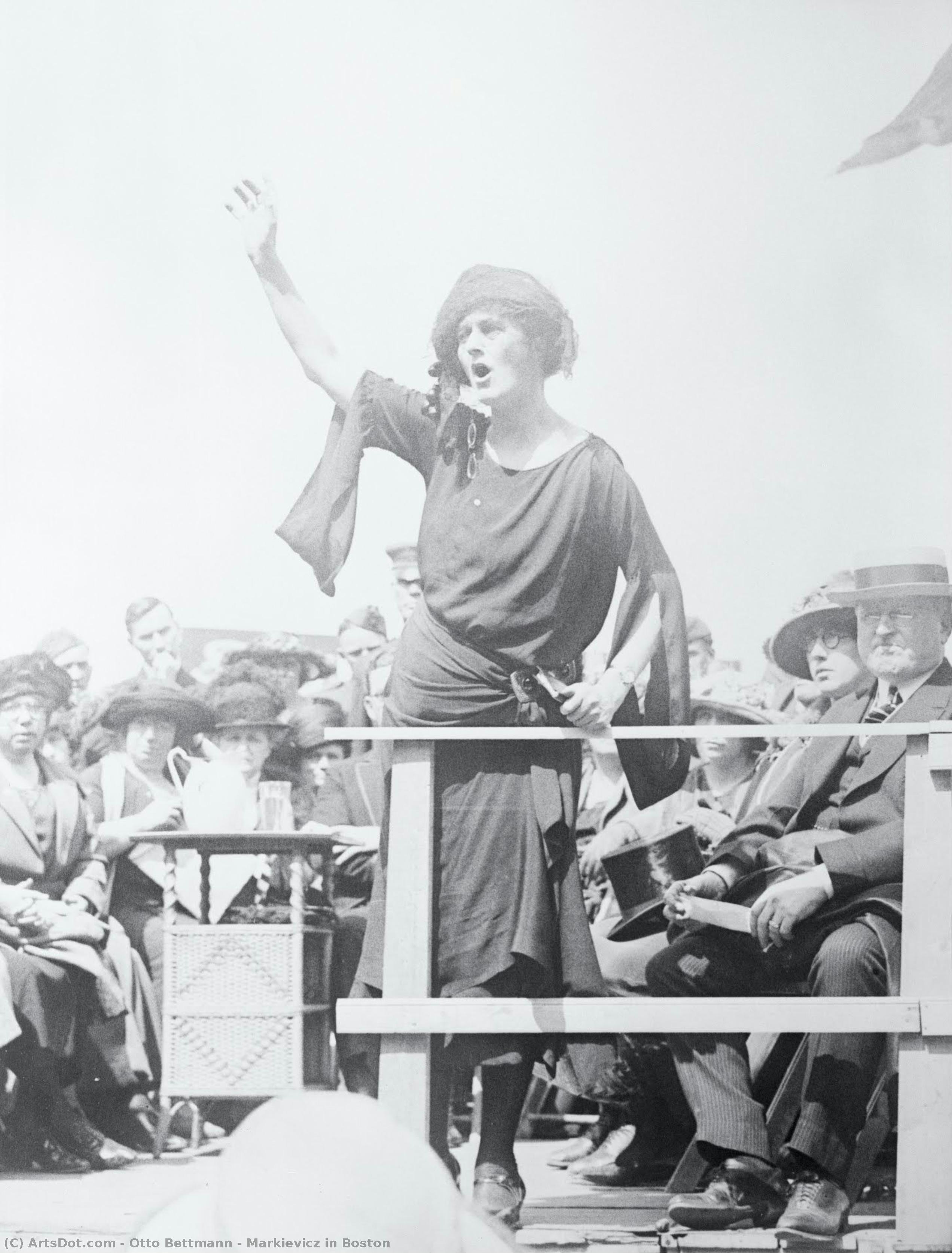
Markievicz in Boston


 Skaityti daugiau
Rankų darbo aliejinės reprodukcijos
Rankiniu būdu tapytas aliejus ant droblio jūsų pageidaujamame dydį ir rėmuose – mūsų menininkų darbas pagal užsakymą. ( Pirkti spaudinį Pirkti vaizdą)




































Pasirinkite iš mūsų nustatytų dydžių, atitinkančių originalaus meno kūrinio proporcijas.

Galite įvesti savo matmenis, kad jie atitiktų konkretų rėmą ar erdvę. Jei pasirinktas dydis neatitinka originalaus paveikslėlio proporcijų, mes arba apkropsime meno kūrinį, arba papildysime tapybą rankomis dažytい elementais. Prieš pradėdami gamybą, jūsų patvirtinimui atsiųsime skaitmeninį maketą.
Atkreipkite dėmesį, kad ekrane rodomas vaizdas neatspindi tikrojo apkarpymo ar papildymo. Tik maketas tiksliai parodys galutinę kompoziciją.
Nors galima rinktis ir individualius dydžius, rekomenduojame pasirinkti matmenis iš nustatytos sąrašo, kad būtų išlaikytos originalios proporcijos.
Gavus užsakymą, OriginalUniqueArt.com komanda susisieks su klientu el. paštu dėl instrukcijų ir pateiks maketo pavyzdį.
Pristatymas visame pasaulyje () per 3–4 savaites, o ne įprastai – per 5 savaites. (14 rugpjūtis). Kokybė lieka nepakeičiama.

Nemokamas greitasis pristatymas visame pasaulyje

Aukštos kokybės lininis drobė

Pilnas siuntimo draudimas

Muitinės mokesčių grąžinimo garantija

Tikro spalvų atitikimo garantija

60 dienų grąžinimo politika (tik esant gamyklinėms defektams)

100% pinigų grąžinimo garantija

Nuolaida už kelias reprodukcijas
 Stiklo variantas prieinamas tik pasirinkus dydį iki 110 cm

Markievicz in Boston
Reprodukcijos technika
Reprodukcijos matmenys
-


Galutinė kaina
$ 300
Autoriaus biografija
Otto Bettmann: The Architect of Retro
Otto Ludwig Bettmann (1903–1998) wasn’t merely a photographer; he was an obsessive collector, a meticulous organizer, and arguably the progenitor of “retro,” a stylistic movement that profoundly shaped visual culture for decades. Born in Leipzig, Germany, his early life instilled within him a lifelong fascination with ephemera—fragments of history captured in print and image – a passion that would define his extraordinary career. His story is one of escape from Nazi oppression, entrepreneurial ingenuity, and an unwavering dedication to preserving the artistic heritage of the past.- Early Life & Education: Bettmann’s formative years were marked by intellectual curiosity and a love for literature fostered by his bibliophile father. He pursued postgraduate studies at Leipzig University, earning a doctorate in German Philology before embarking on a journey that would lead him to America.
- Immigration & The Founding of the Archive: Driven by fears of persecution under Hitler’s regime, Bettmann fled Germany in 1935 with two trunks brimming with photographs and clippings—a treasure trove he envisioned transforming into a monumental repository for visual history. This ambition materialized in 1936 with the establishment of the Bettmann Archive, initially housed in his Manhattan apartment.
The Genesis of Retro: A Visionary Approach
Bettmann’s revolutionary concept wasn't simply acquiring old images; it was reimagining how they could be utilized. Recognizing that magazine editors and designers craved visual inspiration without the arduous process of exhaustive research, he pioneered a method of licensing photographs based on size and usage—a shrewd business strategy that quickly garnered him a loyal clientele. CBS famously sought Bettmann’s expertise to inject vintage imagery into advertising campaigns, demonstrating his understanding of contemporary aesthetics and marketing trends. He famously stated: “Working out of my tiny office in Manhattan I rented printed images for one time use for a sliding fees.”- Cataloguing & Organization: Bettmann's meticulous cataloguing system—cross-referencing themes and subjects with unparalleled precision—became the benchmark for visual resource libraries. This innovative approach ensured rapid retrieval of materials, reflecting his belief that accessibility was paramount to preserving cultural memory.
- Influence on Graphic Design: Bettmann’s archive exerted an undeniable influence on graphic design trends throughout the 1960s and beyond. Designers routinely incorporated antique prints into their layouts, capitalizing on Bettmann's foresight in recognizing the power of historical imagery to evoke emotion and convey timeless narratives.
A Legacy of Preservation & Artistic Insight
Beyond his entrepreneurial success, Bettmann possessed a deep appreciation for art and literature—a passion that extended into his personal life. He authored or co-authored fourteen books exploring diverse subjects ranging from Bach’s music to the complexities of nostalgia, showcasing his erudition and intellectual breadth. His 1974 book “The Good Old Days: They Were Terrible” offered a critical perspective on sentimental longing—a testament to his willingness to engage with challenging ideas. He continued to cultivate interests in photography, publishing *Johann Sebastian Bach as His World Knew Him* in 1995 and documenting thousands of published images of women for a pictorial chronicle.- The Move to Iron Mountain: Recognizing the vulnerability of his collection to environmental degradation, Bettmann orchestrated its relocation to Iron Mountain National Underground Storage Facility in Pennsylvania—a daring undertaking that ensured the preservation of his archive for future generations.
- Final Years & Recognition: In his later years, Bettmann remained active in promoting his archive and fostering collaborations with artists and designers. His unwavering dedication to his craft and his profound understanding of visual culture cemented his place as a pivotal figure in 20th-century art history.
The Bettmann Archive Today
Today, Getty Images owns the Bettmann Archive—a testament to its enduring value and significance. The archive continues to inspire creativity and scholarship, serving as an invaluable resource for researchers and artists alike. Otto Ludwig Bettmann’s legacy extends far beyond his pioneering cataloguing system; it resides in his unwavering belief that images could illuminate the past and enrich our understanding of the present—a conviction that resonates powerfully with contemporary artistic sensibilities.
otto bettmann
1903 - 1998 , Germany
Trumpa informacija
- Artistic Movement Or Style: Neue Sachlichkeit
- Artists Or Movements Influenced By This Artist: ['Pictorialism']
- Artists Who Influenced This Artist: ['Alfred Stieglitz']
- Date Of Death: 1998
- Full Name: Otto Ludwig Bettmann
- Nationality: German
- Notable Artworks: ['Various photographic prints']
- Place Of Birth: Leipzig, Germany

