
 Pasidalinti
 Dalintis
 Išsamiau

 Atsisiųsti
 Panašūs eksponatai
 Automatinė diorama
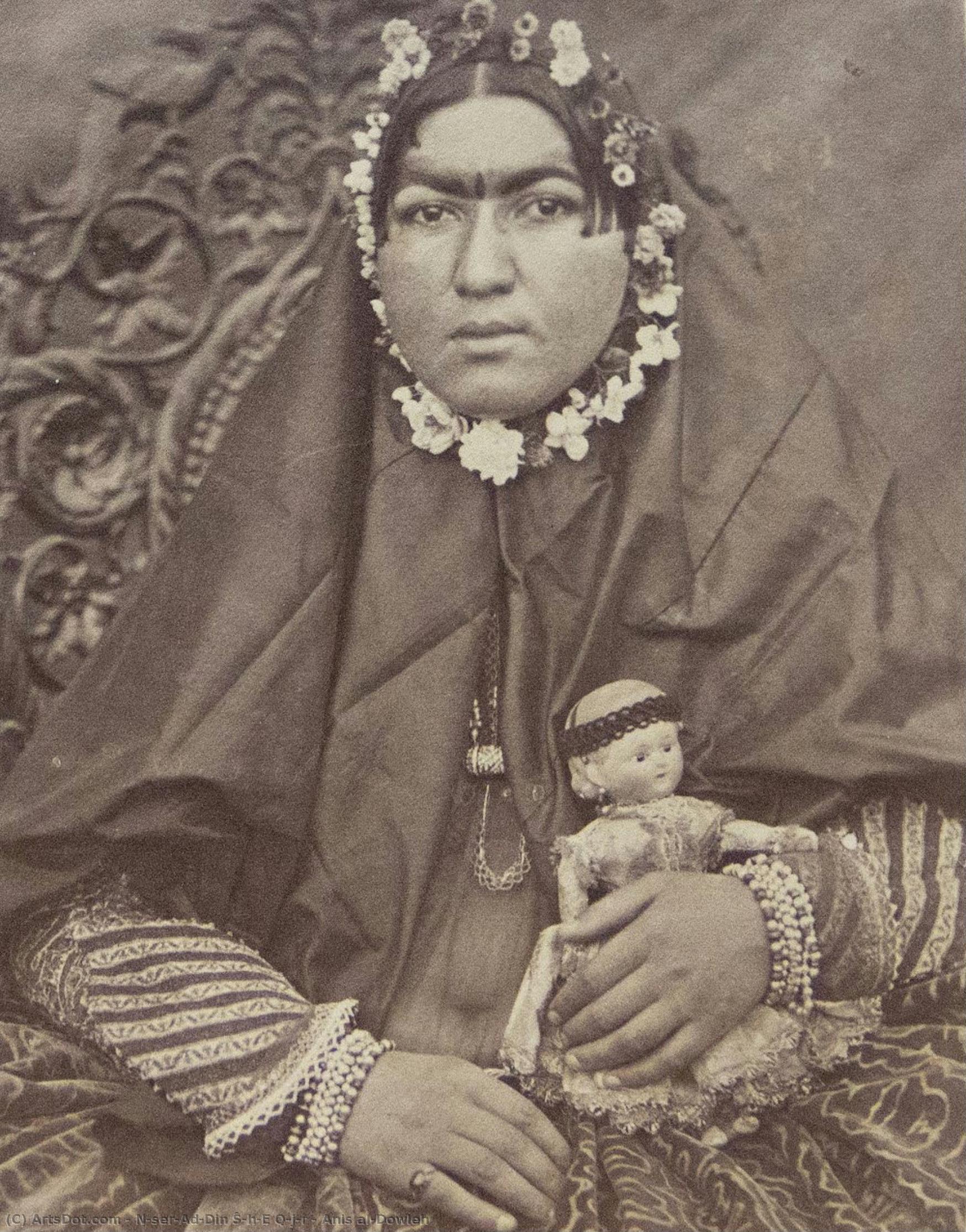
Anis al-Dowleh


 Skaityti daugiau
Įsigykite aukštos skiriamosios raiškos, patobulintą skaitmeninį vaizdą, gerokai pranašesnį už internetinę peržiūrą.
Kiekvieną failą mūsų specialistai kruopščiai paruošia naudojant pažangias technologijas ir profesionalų rankinį retušavimą. Užtikriname, kad kiekvienas vaizdas pasižymėtų išskirtiniu aiškumu, tikslia spalvų atspalviu ir smulkiomis detalėmis.
Baigiamas failas el. paštu pristatomas per 72 valandas; jis optimizuotas nedelsiant naudojimui profesionalioje, redakcinėje ir spausdinimo aplinkoje. Tai ta pati kokybė, kuria pasitiki aukščiausios klasės dizaino studijos, leidyklos ir galerijos.
Skaitmeninis vaizdas
Atsisiųskite didelės raiškos failą asmeniniam naudojimui, spausdinimui ir kūrybiniams projektams. ( Pirkti spaudinį Pirkti rankomis tapytą paveikslą)
Kiekvieną skaitinio vaizdo užsakymą papildė
Profesionalus skaitmeninis pristatymas, garantuotas
Pasirinkę OriginalUniqueArt.com, jūs ne tik gaunate paveikslėlį – jūs gaunate profesionaliai patobudintą skaitmeninį kūrinį, sukurtą itin tikniai ir užtikrinantį pasitenkinimą. Štai viską, kas automatiškai pritékia jūsų užsakymui:

Greitas siuntimas el. paštu
Jūsų aukštos raiškos skaitmeninis vaizdo failas bus išsiųstas jums el. paštu per 72 valaudas nuo užsakymo – paruoštas naudojimui be jokių papildomų veiksmų.

Skaitmeninis failas su dirbtiniu intelektu
Jūsų meno kūrinys profesionaliai optimizuojamas naudojant pažangius dirbtinio intelekto įrankius ir rankinį redagavimą, užtikrinant maksimalią detalę, aiškumą ir spalvų tikslumą.

Nemokamas visam laikui pakartotinis siuntimas
Atsitiktinai ištrytikote ar praradote savo failą? Nebijokite – bet kuriuo metu atsiųsime jį jums vėl nemokamai.

Jokio importo mokesčio – niekada
Mėgaukitės savo meno kūriniu akimirka – skaitiniai failai visada yra neapmokestinami, todėl nereikės mokėti muitinės, mokesčių ar pristatymo mokesčių.

Spalvų tikslumo garantija
Naudodami profesionalią įrangą ir spalvų valdymo sistemas, užtikriname, kad jūsų skaitmeninis vaizdas kuo tiksliau atspindėtų originalias spalvas.

60 dienų pasitenkinimo garantija
Jei nebuvate patenkinti savo skaitinio vaizdo, per 60 dienų jį pertaisysime arba grąkinsime 100% sumą – be jokių klausimų.

100% pinigų grąžinimo garantija
Nepat 만족inti? Gaukite visą sumokėtą sumą per 60 dienų nuo skaitmeninio failo gavimo – be jokių papildomų klausimų.

Nuolaidos dideliems užsakymams
Pirkti 3 nuotraukas – pasiūla 10% - Pirkti 5 – pasiūla 15% - Pirkti 10 ir daugiau – pasiūla 20%. Puikiai tinka kūrybiniams projektams, galerijoms bei agentūroms.
Kolekcinio objekto aprašymas
Anis al-Dowleh: A Portrait of Mughal Influence in Modern Persia
The painting “Anis al-Dowleh,” executed by Nāser al-Din Shah Qajar, stands as a remarkable testament to the confluence of artistic traditions during Iran’s transformative 19th century. More than just a depiction of a royal consort—the beloved Anis al-Dawla—it embodies the emperor's fascination with Mughal aesthetics while simultaneously reflecting his embrace of European advancements in portraiture and photography, creating an image that is both timeless and historically significant.Subject Matter and Composition
The artwork portrays Anis al-Dowla seated gracefully on a cushion, her gaze directed towards the viewer—a posture typical of royal portraits at the time. She wears opulent attire characteristic of Persian noblewomen, adorned with intricate embroidery and jewels – a deliberate nod to the grandeur of Mughal courts where similar garments were favored. Alongside her is a doll, positioned close to her chest, symbolizing motherhood and domestic tranquility—themes prevalent in Persian art throughout history. The background reveals glimpses of other figures engaged in activities within the royal harem, providing context for Anis al-Dowla’s role as a prominent member of the imperial family.Style and Technique: Photogravure Reproduction
“Anis al-Dowleh” is reproduced using photogravure—a printing technique that achieved exceptional detail and tonal range. This method involved transferring an image from a silver nitrate plate onto a copper cylinder, which was then inked and pressed onto paper multiple times to produce a high-quality print. Photogravure allowed for nuanced shading and texture, capturing the subtleties of Anis al-Dowla’s facial expression and the richness of her clothing—a technique championed by European artists during this period and adopted by Nāser al-Din Shah to elevate Iranian art standards. The resulting image possesses a velvety smoothness that enhances its visual impact.Historical Context: Reformer's Vision
Nāser al-Din Shah’s reign marked a pivotal moment in Iranian history, characterized by ambitious reforms aimed at modernizing the nation—initiatives fueled by his exposure to European intellectual currents and artistic innovations. The painting reflects this spirit of progressiveness, demonstrating his desire to portray Iran as a sophisticated kingdom worthy of international recognition. Simultaneously, it underscores the enduring influence of Mughal art on Persian culture—a legacy that Nāser al-Din Shah consciously sought to celebrate through stylistic choices and compositional elements.Symbolism: Dignity and Domestic Tranquility
The seated posture of Anis al-Dowleh conveys dignity and composure—qualities considered essential for royal representation. The doll symbolizes motherhood, reflecting the emperor’s concern for securing the dynasty's future and upholding traditional values amidst rapid societal change. Furthermore, the inclusion of other figures in the background serves as a reminder of the complexities inherent in governing a nation undergoing modernization—a visual narrative that encapsulates Nāser al-Din Shah’s multifaceted vision for Iran’s destiny.Emotional Impact: Elegance and Remembrance
“Anis al-Dowleh” evokes a sense of serenity and refinement, transporting viewers back to a bygone era of imperial splendor. The meticulous detail of the portrait captures Anis al-Dowla's beauty and grace—a testament to Persian artistic skill—while simultaneously prompting contemplation on themes of family, tradition, and royal authority. It remains an enduring symbol of Nāser al-Din Shah’s reign and his unwavering commitment to preserving Iran’s cultural heritage amidst the pressures of globalization.Autoriaus biografija
Nāser al-Din Shah Qajar: A Mughal Visionary in a Modernizing Persia
Nāser al-Din Shah Qajar (1831-1896), the fourth ruler of the Qajar dynasty, stands as a compelling figure bridging the gap between Persia’s rich artistic heritage and the burgeoning currents of 19th-century modernity. More than simply a monarch, he was a passionate painter, a keen observer of European advancements, and a complex reformer whose legacy remains debated today. His reign, spanning nearly half a century, witnessed significant changes within Iran – from the introduction of newspapers and telegraphs to the adoption of photography – yet also revealed the persistent challenges of governance and social unrest. This biography delves into the life and artistic output of this fascinating ruler, exploring his Mughal influences, European encounters, and enduring impact on Iranian art and culture.Early Life and Ascension to the Throne
Born in Kahnamu, near Tabriz, in 1831, Nāser al-Din was the third son of Mohammad Shah Qajar. His early life was marked by political instability and tribal conflicts, a landscape where traditional power structures clashed with emerging central authority. He ascended to the throne at the remarkably young age of seventeen following his father’s sudden death in 1848. Immediately faced with a deeply entrenched system of regional autonomy and resistance to royal decrees, Nāser al-Din inherited a kingdom grappling with internal divisions and external pressures from Russia and Great Britain. His early reign was characterized by skillful maneuvering, relying heavily on the guidance of his chief minister, Mirza Taqī Khān, who skillfully quelled rebellions and established a semblance of order. However, this reliance ultimately led to Taqī Khān’s downfall and execution, highlighting the precarious nature of Nāser al-Din's position.A Painter’s Eye: Mughal Style and European Influence
Nāser al-Din Shah was not merely a ruler; he possessed a remarkable talent for painting, particularly in the style of the Mughal court painters – a tradition deeply rooted in Persian art history. Influenced by the intricate detail, vibrant colors, and calligraphic elegance of Mughal miniatures, his early works demonstrate a mastery of composition, perspective, and decorative elements. However, unlike many artists of his time who remained confined to traditional techniques, Nāser al-Din actively sought out European artistic influences. He traveled extensively throughout Europe, particularly to France, where he studied painting methods, portraiture, and the use of oil paints – materials largely unfamiliar in Persia at the time. This exposure dramatically broadened his artistic horizons, leading him to incorporate Western compositional techniques and a greater emphasis on realism into his work. His paintings often depict court scenes, portraits of dignitaries, and landscapes—all rendered with a distinctive blend of Persian elegance and European precision.- Key Characteristics: Nāser al-Din’s style is characterized by rich color palettes, elaborate patterns, and a meticulous attention to detail reminiscent of Mughal art.
- European Techniques: He skillfully integrated Western techniques such as linear perspective and the use of oil paints, creating a unique fusion of styles.
- Notable Subjects: His paintings frequently featured portraits of members of his court, landscapes of Persia, and scenes from Persian mythology and history.
Reforms and Modernization Amidst Growing Discontent
Nāser al-Din Shah’s reign is often remembered for his ambitious attempts at modernization. Recognizing the need to strengthen Iran against foreign encroachment and improve its economic standing, he implemented a series of reforms aimed at establishing a more centralized government, promoting education, and fostering trade. He introduced newspapers – a revolutionary concept in Persia – and embraced new technologies like the telegraph and photography, signaling Iran’s engagement with the modern world. He also initiated significant infrastructure projects, including road construction and irrigation systems. However, these reforms were met with resistance from conservative elements within society, particularly religious leaders who viewed them as a threat to traditional values. Furthermore, his tax reforms, intended to modernize the revenue system, were often abused by corrupt officials, fueling public discontent and contributing to political instability.Legacy and Artistic Significance
Nāser al-Din Shah’s legacy is complex and multifaceted. He is remembered as a forward-thinking ruler who attempted to steer Iran towards modernity, yet his reign was also marked by corruption, social unrest, and ultimately, his assassination in 1896 – an event that plunged the country into further turmoil. Despite these challenges, Nāser al-Din Shah’s artistic output remains a significant contribution to Iranian art history. His paintings represent a unique synthesis of Mughal tradition and European influence, showcasing his exceptional talent and providing valuable insights into the cultural landscape of 19th-century Persia. His works are now housed in prestigious collections worldwide, including the British Museum and the National Gallery of Iran, ensuring that this remarkable ruler and artist continue to be appreciated for their artistic merit and historical significance. His influence can also be seen in the Nas Taleq movement, which highlights the intersection of Islamic calligraphy with modern art.
nāser-ad-din ŝāh-e qājār
1831 - 1896

