High Renaissance · 1508
Study for Haman (Michelangelo Morlaiter, 1508)
Michelangelo Morlaiter sukūrė Study for Haman. Šis kūrinys datuojamas 1508 m. Šis kūrinys priklauso High Renaissance kieruliui. Pagaminta naudojant Drawing. Eksponatas saugomas British Museum Londonas, Jungtinė Karalystė.
- 1508
- Drawing
- British Museum, Londonas

 Peržiūrėti

 Rankinio darbo aliejinės imitacijos paveikslas
 Pasidalinti
 Dalintis
 Informacinė lLapelė


 Atsisiųsti
 Panašūs eksponatai
 Rentgeno spindulių nuotrauka
 Automatinė diorama
 Klausimai ir atsakymai

 Statistika
Study for Haman, trumpai
- Pavadinimas
- Study for Haman
- Autorius
- Michelangelo Morlaiter
- Data
- 1508
- Technika
- Drawing
- Kur galima pamatyti
- British Museum, Londonas, Jungtinė Karalystė
- Judėjimas
- High Renaissance
- Laikotarpis
- Renaissance
- Tema
- anatomy study, red chalk drawing, figure sketch, renaissance art, human form, preparatory work
Ką vaizduoja Study for Haman?
The Anatomy of Devotion: Unveiling a Renaissance Study
To gaze upon this preparatory study is to step directly into the intense, focused crucible of artistic genius. It is not a finished narrative, but rather a profound meditation—a skeleton rendered in pigment—that speaks volumes about the mind wrestling with form and divine proportion. The subject matter itself, though titled Study for Haman, transcends any single story; it becomes an exhaustive exploration of the human vessel. Here, the artist has meticulously charted the musculature, the subtle curve of the torso, and the foundational geometry of the limbs. This drawing is a testament to the Renaissance obsession with understanding man—not just as a spiritual being, but as a perfectly engineered machine of flesh and bone.
A Dialogue in Red Chalk: Technique and Materiality
The visual poetry of this piece resides deeply within its technique. Executed primarily in red chalk upon aged paper, the drawing possesses an immediate warmth that seems to emanate from the very surface. The artist has employed a masterful control over dry point methods, allowing the pressure of the chalk to create varying weights of line—from whisper-light suggestions of contour to deep, velvety cross-hatching that builds palpable shadow. Observe how the texture is built up; it is not merely shaded, but constructed through countless intersecting lines. This careful handling of pigment against the ground reveals an intellectual rigor, suggesting hours spent in quiet contemplation, where every stroke served a precise, structural purpose.
Historical Echoes and Artistic Lineage
Dating to around 1508, this work places us squarely within the vibrant currents of the High Renaissance. While the title connects it to a specific biblical narrative, its execution speaks more broadly to the era's commitment to naturalism and idealized form. The artist’s dedication to anatomical accuracy mirrors the intellectual ferment of the time, where art was inseparable from burgeoning scientific inquiry. For the collector or designer, this piece offers an unparalleled connection to that golden age—a tangible link to the masters who viewed the human body as both a subject for beauty and a puzzle awaiting perfect solution.
Symbolism and Emotional Resonance
Beyond its technical brilliance, there is a deep emotional resonance here. The fragmented nature of the composition invites the viewer into an act of completion; we are invited to mentally assemble the poses, to imagine the final, grand vision that these studies were meant to support. Symbolically, it speaks to the process of creation itself—the necessary stages of drafting, correction, and refinement before perfection can be achieved. Owning a reproduction of this study is not merely acquiring art; it is curating an atmosphere of deep thought, scholarly pursuit, and enduring human potential for any space.
Kuriame muziejuje eksponuojama karya Study for Haman?
British Museum
Londonas, Jungtinė Karalystė
British Museum kilmė ir istorija British Museum buvo įkurtas 1753 metais kaip pirmasis viešasis nacionalinis muziejus. Jo pamatai yra glaudžiai susiję su anglo-irlandiečių gydytojo ir mokslininko Sir Hanso Sloane testamentu. Po jo mirties unikali kurioziatijų kolekcija tapo pagrindu ankstyva neišteklių institucijai.


Study for Haman dididraudžios kokybės vaizdai

Apsaugotas autoriškomis teisėmis: šie failai skirti asmeniniam peržiūrėjimui, o ne perraštiniam naudojimui.
Michelangelo Morlaiter, Study for Haman (1508), British Museum.
Atsakimai į klausimus apie Study for Haman
Kur galima pamatyti „Study for Haman“ – Michelangelo Morlaiter originalą?
Originalų kūrinį „Study for Haman“ galite pamatyti British Museum, Londonas, Jungtinė Karalystė.
Kokia yra „Study for Haman“ – Michelangelo Morlaiter kūrybos data?
„Study for Haman“ sukurta 1508 m. Ši data leidžia įvardyti kūrinį Michelangelo Morlaiter kūrybinėje karjeroje bei jo epochoje.
Kokia technika panaudota kūriniui „Study for Haman"]?
„Study for Haman“ technika – Drawing.
Kokios temos atsispindi kūrynioje „Study for Haman“ – Michelangelo Morlaiter?
„Study for Haman“ – Michelangelo Morlaiter temos apima anatomy study, red chalk drawing, figure sketch, renaissance art, human form, preparatory work. Kartu jie apibendrina šio kūrinio tematiką.
Ar „Study for Haman“ yra viešosios teisės kūrinys?
Kalbant apie autorišką teisę, „Study for Haman“ yra vis dar saugoma autorineje teisėje.
Kas yra „Study for Haman“ kūrybos autorius?
„Study for Haman“ priskiriamas Michelangelo Morlaiter.
Kokio meno kryžmės dalis yra „Study for Haman“ – Michelangelo Morlaiter?
Kūrinio „Study for Haman“ – Michelangelo Morlaiter stilius – High Renaissance. Ši klasifikacija leidžia šį darbą įtraukti į bendrą susijusių menininkų ir kūrinių kontekstą.
Kokio Michelangelo Morlaiter kūrybos laikotarpio priklauso „Study for Haman“?
„Study for Haman“ priklauso Michelangelo Morlaiter kūrybos karjeros Early Period etapui. Ši klasifikacija atspindi kūrinio ryšį su menininko evoliucija.
Kokią vietą Michelangelo Morlaiter kūrybos ešėlyje užima „Study for Haman“?
„Study for Haman“ kartu su kitais Michelangelo Morlaiter kūriniais pasižymi High Renaissance stiliumi ir tamsiomis temomis: classical anatomy study for figure, renaissance academic drawing practice, mastery of human musculature form.
Apie menininką Michelangelo Morlaiter
Michelangelo Morlaiter
Michelangelo Morlaiter: Venetian Sculptor and Fresco Artist Michelangelo Morlaiter (1766 – Present) stands as a testament to the enduring legacy of Venetian artistic tradition, particularly within the School of Athens. Born into a family steeped in sculpture—his father, Giovanni Maria Morlaiter, was himself a celebrated sculptor—Michelangelo inherited not only talent but also an unwavering dedication to mastering the craft of disegno, the foundational principles of Renaissance art. His formative years were spent absorbing the artistic atmosphere of Venice, a city renowned for its patronage of the arts and its commitment to preserving classical ideals. Early Life & Training: Giovanni Maria Morlaiter’s influence was paramount in shaping Michelangelo's early artistic sensibilities.
Apie Michelangelo Morlaiter Žinomiausi Michelangelo Morlaiter darbai
Taip pat Michelangelo Morlaiter darbai
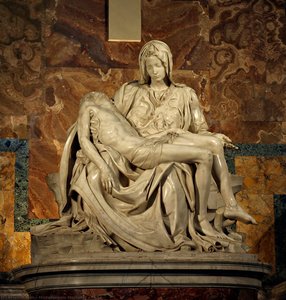 Pieta1499
 Design for a statue of Henry II of France1559
 Sistine Chapel Ceiling: The Prophet Joel1512
 Sketch of a Nude Man (study for the "Battle of Cascina")1503
Esdai apie Study for Haman
 Shadow and Sanguine: The Technical Mastery of Chiaroscuro and Red Chalk in Fine ArtMaster the technical secrets of chiaroscuro and red chalk through historical analysis. Explore the science of light and shadow today.
 Michelangelo's Masterpieces: The Top 25 Greatest Works of a Renaissance IconExplore 25 iconic Michelangelo masterpieces from the Renaissance. Discover the genius behind the stone. Explore the full collection online.
 Anatomical Precision: How Renaissance Masters Transformed Scientific Discovery into Artistic MasteryExplore how Renaissance masters merged science and art through anatomical study. Discover the legacy of Leonardo da Vinci today.