

 Peržiūrėti realaus dydžio版
 Pasidalinti
 Dalintis
 Išsamiau
 Vadovas

 Atsisiųsti
 Panašūs eksponatai
 Rentgeno spindulių nuotrauka
 Automatinė diorama
 Q&A
Q&A Statistika
Saint Jerome in His Study


 Skaityti daugiau
Giclée / Meno spausdinimas
Muziejų lygio „giclée“ arba drobos spausdinimas: greita gamyba ir lankstios apdailos parinktys. ( Pirkti rankų darbo tapybą Perejti prie skaitmeninių vaizdų)




P118B €10

P118H €10

P118W €10

P438Z €10

P508JH €12

P508YH €12

P805H €10

P805Z €10

P919BZ €10

P919G €10

P919XJ €10

P959ZH €10

P968JZ €12

W106C €8

W218G €10

W218JH €8

W218Y €10

W307PJ €10

W316G €10

W316PJ €8

W316Y €10

W398PJ €8

W4111J €10

W500HY €15

W500JH €15

W692G €12

W849H €8

W940BG €15

W953PJ €8




Pasirinkite iš mūsų nustatytų dydžių, atitinkančių originalaus meno kūrinio proporcijas.

Įveskite jums reikiamą plotį ir aukštį, kad atvaizdas derėtų prie jūsų rėmo ar sienos. Spausdiną galima tik sumažinti, bet nepadidinti virš originalaus paveikslėlio dydžio, todėl keičiant proporcijas, dalis vaizdo prarandama. Prieš spausdinimą atsiųsime jums skaitmeninį maketą patvirtinimui. Šioje puslapio nuotraukoje matomas pjūvis nėra tikslus – jį rodo tik maketas.
Pristatymas visame pasaulyje () per 2 weeks, o ne įprastas 4/5 savaičių laikotarpis. (29 spalis)

Nemokamas greitasis pristatymas visame pasaulyje

Aukštos kokybės lininis drobė

Pilnas siuntimo draudimas

Muitinės mokesčių grąžinimo garantija

Tikro spalvų atitikimo garantija

100 dienų grąžinimo politika (tik esant įtaigoms)

100% pinigų grąžinimo garantija

Nuolaida dideliems užsakymams
 Stiklo variantas prieinamas tik pasirinkus dydį iki 110 cm

Saint Jerome in His Study
Giclée / Meno spausdinimas
Reprodukcijos matmenys
-


Bendroji kaina
€ 71
A Window into the Soul of Early Netherlandish Art
Jan van Eyck’s “Saint Jerome in His Study” isn't merely a portrait; it’s an intimate invitation into the mind and heart of a profoundly contemplative figure. Painted around 1430, this remarkable work stands as a cornerstone of Early Netherlandish painting, showcasing Van Eyck’s unparalleled mastery of oil paint – a medium he essentially revolutionized. The scene unfolds within a meticulously rendered chamber, bathed in the soft glow of candlelight, creating an atmosphere of quiet solemnity and intellectual pursuit. It's a testament to the artist’s ability to capture not just outward appearance but also the very essence of inner life.
The subject himself, Saint Jerome, is depicted as a man nearing middle age, his face etched with the lines of wisdom and perhaps a touch of melancholy. He sits hunched over a large desk, completely absorbed in his work – scrolls spread before him, illuminated by the flickering light. His posture speaks volumes: not one of grand pronouncements or heroic deeds, but of quiet dedication to prayer and study. The details are astonishing; you can almost feel the texture of the parchment beneath his fingers, discern the individual strands of his beard, and trace the subtle shadows that define his features.
The Alchemy of Oil Paint: Technique and Innovation
What truly distinguishes “Saint Jerome in His Study” is Van Eyck’s revolutionary use of oil paint. Unlike the tempera paints favored by many of his contemporaries, which dried quickly and offered limited blending possibilities, oil paint allowed for incredibly slow drying times, granting the artist unprecedented control over color, detail, and texture. This technique enabled Van Eyck to build up layers of translucent glazes – thin washes of pigment applied one upon another – creating a luminous depth and richness that was previously unattainable. Observe how the light catches on the surfaces of the books, the folds of his robe, and even the lion’s fur; each element seems to radiate its own internal glow.
- Layered Glazes: Van Eyck's signature technique, building up color through multiple translucent layers.
- Precise Detail: The astonishing realism achieved through meticulous observation and painstaking application of paint.
- Atmospheric Perspective: Subtle variations in tone and color create a sense of depth and space within the confined study.
Symbolism and Spiritual Resonance
Beyond its technical brilliance, “Saint Jerome in His Study” is rich with symbolic meaning. The lion at Saint Jerome’s feet is a potent emblem – representing his conversion after being stung by a venomous insect while in the wilderness. It serves as a reminder of his arduous journey from worldly pleasures to spiritual devotion. The books and scrolls represent the scriptures, which Jerome famously translated into Latin, making them accessible to the wider Christian community. The very act of studying is presented as an act of worship, highlighting the importance of intellectual pursuit in the context of faith.
Furthermore, the setting itself – a small, private study – suggests a life dedicated to solitude and contemplation. It’s a space removed from the distractions of the world, where Saint Jerome can connect with God through prayer and reflection. The subdued lighting reinforces this sense of intimacy and spiritual intensity, inviting the viewer to share in his quiet devotion.
A Timeless Masterpiece: Reproduction and Beyond
OriginalUniqueArt offers meticulously crafted hand-painted reproductions of “Saint Jerome in His Study,” allowing you to experience the breathtaking beauty and profound emotional impact of this iconic masterpiece. Each reproduction is created by skilled artists who have painstakingly studied Van Eyck’s techniques, ensuring an unparalleled level of accuracy and detail. Whether adorning a study, a gallery wall, or simply bringing a touch of contemplative serenity into your home, this artwork will undoubtedly become a cherished focal point.
Consider the possibilities: imagine this scene gracing a library, evoking the spirit of scholarly pursuit; or perhaps within a meditation room, fostering a sense of peace and reflection. A OriginalUniqueArt reproduction isn’t just a print; it's a tangible connection to one of the most significant moments in art history – a testament to Jan van Eyck’s genius and his enduring legacy.
Klausimai ir atsakymai
Ar galiu pamatyti „Saint Jerome in His Study“ – Janas Van Eikas skirtingame apšvietime?
„Saint Jerome in His Study“ – Janas Van Eikas rentginio vaizdas (X-Ray) galima rasti šio kūrinio Rentgeninis vaizdas puslapio: tai interaktyvus vaizdo tyrimas per vienuolika optinių sluoksnių.
Kokio spalvų ryškumo turi „Saint Jerome in His Study“ – Janas Van Eikas?
„Saint Jerome in His Study“ spalvų intensyvumas yra Balanced. Intensyvumas apibūdina, koks spalvų ryškumas yra suvokiamas.
Kur galima pamatyti „Saint Jerome in His Study“ – Janas Van Eikas originalą?
Originalų kūrinį „Saint Jerome in His Study“ galite pamatyti Detroito Menų Instituto Muziejus, Detroit, United States of America.
Autoriaus biografija
Jan van Eycko: Ankstyvosios Nyderlandų Tapybos Šviesos Nešėjas
Janas Van Eyckas, vardas sinonimiškas ankstyvajai Nyderlandų tapybai ir aliejaus dažų revoliucinei naudojimo erdvei, išlieka paslaptinga figūra nepaisant jo monumentalios įtakos meno istorijai. Gimė maždaug 1390 metais Maaseike, dabartinėje Nyderlanduose, Van Eyckas kilo iš meniškomis tradicijomis persunktų šeimos – jo vyresnysis brolis Hubertas taip pat užsiėmė tapytojo amatu, nors detalių apie jo darbą tebėra nedaug. Nors tikslių biografinių duomenų, ypač dėl jo ankstyvosios formavimo fazės, trūksta, aišku, kad Janas turėjo gimtojo talento ir greitai įgijo ryškumą savo epochos meno sluoksniuose. Jau 1422 metais jis buvo įkūręs dirbtuvę Hagoje, samdė padėjėjus ir vykdė užsakymus, kurie paskelbė apie jo amato meistriškumą. Šis ankstyvasis sėkmės momentas nebuvo paremtas tik meniniais įgūdžiais; Van Eyckas buvo protingas ir patikimas žmogus – kokybės, kurios netrukus pritraukė galingų rėmėjų dėmesį.Burgundijos Teisme: Diplomatija ir Meninis Žydėjimas
Esminis momento posūkis Van Eycko karjeroje įvyko jam paskyrus Burgundijos teismui, pirmiausia Joną III Bežiopį, o vėliau – Pilypą Girdų. Tai nebuvo tik rėmimo susitarimas; Van Eyckas buvo patikėtas diplomatiniu misijomis, rodant Didžiojo kunigaikščio pasitikėjimą jo diskrecija ir intelektu. Šios kelionės po Europą – į Portugaliją ir Ispaniją – atvėrė jam galimybę susipažinti su įvairiomis kultūromis ir meninėmis įtakomis, subtiliai formavusios jo besivystantį stilių. Teismas suteikė ne tik finansinį saugumą, bet ir prieigą prie išteklių, kurie leido Van Eyckui vykdyti ambicingus projektus, peržengiant tai, kas meniniu požiūriu buvo pasiekta. Jis nebuvo tiesiog tapytojas Burgundijos elito *dėl*, jis tapo jų pasaulio dalimi, atspindėdamas ir pagerbdamas jų prestižą savo menu. Šis unikalus padėjimas suteikė jam meninio laisvės lygį, kurio retai mėgavosi tos epochos dailininkai, leisdantis eksperimentuoti ir naujovauti, kurie amžinai pakeitė tapybos eigą.Aliejaus Alchemija: Technikos Revoliucija
Nors Van Eyckas nebuvo aliejaus dažų išradėjas – jų naudojimas egzistuoja prieš tai, kaip jis dirbo – jis neabejotinai yra jo meistriškumo tobulintojas. Prieš jo naujoves dominuotės tempera, kuri siūlė ribotas maišymo galimybes ir gana matinį apdailą. Van Eyckas atskleidė aliejaus dažų visą potencialą kruopščiai sluoksniais dengiant permatomus glazūras, pasiekdamas precedento neturėtą detalių, šviesumo ir realizmo lygį. Šis metodas leido subtiliems tonų gradientams, turtingesnėms spalvoms ir tekstūrų kūrimui, kurios imituoja patį gyvenimą. Rezultatas buvo transformuojantis; paviršiai atrodė spindintys iš vidaus, audiniai turėjo paliptiną kokybę, o portretai užfiksavo ne tik panašumą, bet ir psichologinę gylį. Jo meistriškumas nebuvo tiesiog techninis – tai buvo alcheminis procesas, paversdavęs pigmentus kažkuo panašiu į gyvenimą realybę. Šis naujovė nepaliko niekieno abejingais; ji tapo pagrindu daugybei paskesnių kartų dailininkų, kurie sekė jo pavyzdžiu, fundamentaliai pakeisdami Vakarų meno kraštovaizdą.Šedevrai ir Nuolatinis Palikimas
Van Eycko meninis palikimas įtvirtintas gana nedidele, tačiau giliai paveikia kūrinių rinkimu. Gento altarpada (1432 m.) – tai monumentalus poliptikas, kuris yra jo ambicingiausias darbas – sudėtingas religinio simbolizmo ir techninio meistriškumo gobelenas. Ne mažiau garsus ir *Giovanni Arnolfini ir jo žmonos portretas* (1434 m.), revoliucinis portretų kūrinys, vertinamas dėl savo realizmo, sudėtingos detalės ir paslaptingo simbolizmo. Kiti reikšmingi darbai yra Drezdeno trioptikas, kuriame dailininkas demonstruoja savo gebėjimą pavaizduoti religines scenas su nepaprastu aiškumu, bei įspūdingas *Mane mėlynės turbanu*, kuris liudija jo gebėjimą užfiksuoti individualų charakterį. Šie kūriniai yra ne tik vizualūs atvaizdai; tai yra langai į kitą pasaulį – pasaulis kruopščiai pavaizduotas beveik priekabiu dėmesiu detalėms. Van Eycko įtaka išsiskleidžia toli už šių ikoninių darbų, formavus ankstyvosios Nyderlandų tapybos raidą ir įkvėpusi daugybę dailininkų per amžius. Jis mirė Briugėje 1441 metais, palikęs palikimą, kuris ir šiandien sukelia atgarsį, primindamas apie meno galią apšviesti žmogaus patirtį.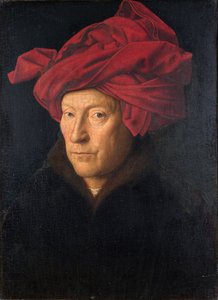
Janas Van Eikas
1390 - 1441 , Nyderlandai
Trumpa informacija
- Artistic Movement Or Style: Ankstyvieji Nyderlandų
- Artists Or Movements Influenced By This Artist: ['Ankstyvieji Nyderlandų dailininkai']
- Date Of Birth: apie 1390 m.
- Date Of Death: 1441 m.
- Full Name: Janas van Eikas
- Nationality: Flemishų
- Notable Artworks:
- Gento altarpane
- Arnolfinių portretas
- Drezdeno trinagė
- Place Of Birth: Maastriachtas, Nyderlandai
Susiję straipsniai

Illuminating Realism: A Comprehensive Exploration of the Early Netherlandish Renaissance Movement
Explore the captivating world of Early Netherlandish painting! Discover Jan van Eyck & other Flemish masters, their revolutionary techniques, hidden symbolism, and lasting legacy. A comprehensive guide for art enthusiasts.
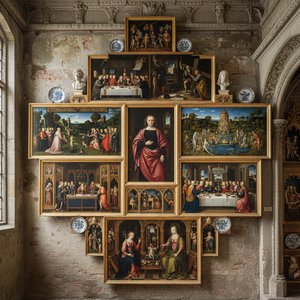
Early Netherlandish Masters: 10 Paintings That Revolutionized Art & Decor
Journey into the Early Netherlandish Renaissance! Explore 10 iconic paintings by Jan van Eyck, Rogier van der Weyden & more. Discover stunning detail, symbolism, and oil painting techniques. Find museum-quality art reproductions for your home at OriginalUniqueArt.com.

Jan van Eyck: Innovation, Symbolism & the Dawn of Early Netherlandish Painting
Explore the revolutionary art of Jan van Eyck! Discover his groundbreaking oil painting techniques, hidden symbolism, and lasting impact on the Early Netherlandish Renaissance. A deep dive for art enthusiasts.

Rembrandto van Rijn šedevrai: 25 paveikslai, įkvėpę amžius | OriginalUniqueArt
Atraskite 25 įspūdingiausius Rembrandto paveikslus! Išsami istorija, meno technikos ir simbolika. Olandų baroko šedevrai jūsų interjerui – aukštos kokybės reprodukcijos OriginalUniqueArt.com. Explore the full collection online!

Early Netherlandish Masters: 10 Paintings That Revolutionized Art & Decor
Journey into the world of Early Netherlandish painting! Explore 10 masterpieces by Jan van Eyck, Rogier van der Weyden & more. Discover stunning detail, symbolism & Renaissance art for your home decor. Find museum-quality reproductions on OriginalUniqueArt.com


