Perjungti į spausdinamus版作品
 Skaityti daugiau







































 Dėl meno kūrinių ar reprodukcijų, kurių bet kuri pusė yra didesnė nei 105 cm (apie 41 inch), rėmas bus siunčiamas kaip išskaidytas surinkimo rinkinys. Šis metodas užtikrina saugų pristatymą ir apsaugo nuo transportavimo metu galimos žalos.


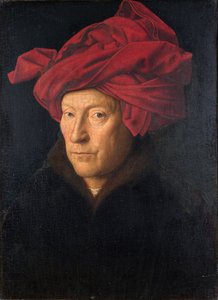
A Glimpse into Conflict: Detail from The Ghent Altar
This powerfully rendered detail originates from *The Ghent Altarpiece*, a monumental masterpiece created by Jan van Eyck and (likely) his brother Hubert around 1432. Currently housed in St Bavo’s Cathedral, Ghent, Belgium, the complete altarpiece is considered one of the most important works of art ever produced – a pivotal moment in the transition from medieval to Renaissance artistic sensibilities. This particular panel fragment offers an intense and immediate encounter with human struggle.Subject & Narrative
The scene depicts a brutal confrontation between two male figures. One actively attacks the other with a large blade, creating a dynamic composition charged with violence. While the specific narrative remains open to interpretation – possibilities range from biblical scenes of retribution to allegorical representations of conflict – the raw physicality and emotional intensity are undeniable. The figures’ contorted poses and expressions convey desperation and pain, drawing the viewer into the heart of the action.Style & Technique
Van Eyck's mastery is evident in the remarkably realistic depiction of anatomy and drapery. Executed in a style that bridges late Gothic and early Renaissance aesthetics, the relief sculpture showcases precise lines, strong forms, and meticulous attention to detail. The technique involves subtractive sculpting – carefully removing material from stone (likely marble or limestone) to reveal the figures within. This process lends itself to sharp definition and dramatic chiaroscuro achieved through skillfully carved shadows.Historical Context & Artistic Innovation
Jan van Eyck was a pioneering figure in Early Netherlandish painting, renowned for his innovative use of oil paint – though this detail is sculpted stone, it embodies the same commitment to realism that defined his painted works. Serving as court painter to Philip the Good, Duke of Burgundy, Van Eyck enjoyed significant patronage and influence. *The Ghent Altarpiece* itself represents a landmark achievement in artistic complexity and naturalism, pushing the boundaries of what was previously possible in panel painting and sculpture. The altarpiece’s creation marked a shift towards greater observation of the natural world and human form.Symbolism & Interpretation
The symbolism within *The Ghent Altarpiece* is layered and complex. While the precise meaning of this specific scene remains debated, it likely touches upon universal themes of conflict, power dynamics, justice, or even the struggle between good and evil. The architectural frame suggests a contained space – perhaps representing the boundaries of human experience or the consequences of transgression. Considering the altarpiece’s overall religious context, the scene could also allude to biblical narratives involving violence and redemption.Emotional Impact & Aesthetic Appeal
This detail is not merely a display of technical skill; it's an emotionally resonant work that evokes a visceral response in the viewer. The dramatic composition, coupled with the realistic rendering of human suffering, creates a powerful and unsettling effect. Its muted color palette – shades of grey, beige, and brown inherent to the stone – further enhances the sense of gravity and solemnity. For collectors and interior designers, this fragment offers a compelling focal point—a piece that invites contemplation and adds depth to any space. It’s a testament to the enduring power of art to capture the complexities of the human condition.Key Features
- Artist: Jan van Eyck (and possibly Hubert van Eyck)
- Date: c. 1432
- Medium: Stone relief sculpture (likely marble or limestone)
- Style: Late Gothic / Early Renaissance
- Origin: Ghent Altarpiece, St Bavo’s Cathedral, Ghent, Belgium
Klausimai ir atsakymai
Ar galiu detaliau apžiūrėti „Gento aukas (detale)“?
Darbino „Gento aukas (detale)“ – Janas Van Eikas puslapio Rentgeninis vaizdas veją yra interaktyvus naršyklė, leidžiantis peržiūrėti vienu metu vieną iš vienylika optinių vaizdo sluoksnių, įskaitant rentgeno tipo vaizdą.
Kokią emociją perteikia „Gento aukas (detale)“ – Janas Van Eikas?
„Gento aukas (detale)“ kūryboje Dramatiškumas nuotaika lydi Emocionaliai stiprus emociją.
Iš ko ir kokiu stiliumi sukurta „Gento aukas (detale)“?
„Gento aukas (detale)“ – Janas Van Eikas sujungia Akrilas ant drobės techniką su Ankstyvoji Nyderlandų Renesansas stiliumi. Technika ir stilius apibūdina kūrinio gamybos būdą bei jo estetinį iš Ausdrucką.
 Peržiūrėti realaus dydžio版
 Pasidalinti
 Dalintis
 Išsamiau
 Vadovas

 Atsisiųsti
 Panašūs eksponatai
 Rentgeno spindulių nuotrauka
 Automatinė diorama
 Q&A
Q&A Statistika