Peržiūrėti realaus dydžio版
 Siųsti
 Dalintis
 Išsamiau
 Vadovas

 Atsisiųsti
 Panašūs eksponatai
 Rentgeno spindulių nuotrauka
 Diaporama
 Statistika
Rocky Cliffs


 Rodyti daugiau
Giclée / Meno spausdinimas
Muziejų lygio „giclée“ arba drobos spausdinimas: greita gamyba ir lankstios apdailos parinktys. ( Pirkti rankomis tapytą reprodukciją Perejti prie skaitmeninių vaizdų)




P118B €10

P118H €10

P118W €10

P438Z €10

P508JH €12

P508YH €12

P805H €10

P805Z €10

P919BZ €10

P919G €10

P919XJ €10

P959ZH €10

P968JZ €12

W106C €8

W218G €10

W218JH €8

W218Y €10

W307PJ €10

W316G €10

W316PJ €8

W316Y €10

W398PJ €8

W4111J €10

W500HY €15

W500JH €15

W692G €12

W849H €8

W940BG €15

W953PJ €8




Pasirinkite iš mūsų nustatytų dydžių, atitinkančių originalaus meno kūrinio proporcijas.

Įveskite jums reikiamą plotį ir aukštį, kad atvaizdas derėtų prie jūsų rėmo ar sienos. Spausdiną galima tik sumažinti, bet nepadidinti virš originalaus paveikslėlio dydžio, todėl keičiant proporcijas, dalis vaizdo prarandama. Prieš spausdinimą atsiųsime jums skaitmeninį maketą patvirtinimui. Šioje puslapio nuotraukoje matomas pjūvis nėra tikslus – jį rodo tik maketas.
Pristatymas visame pasaulyje () per 2 weeks, o ne įprastas 4/5 savaičių laikotarpis. (22 spalis)

Nemokamas greitasis pristatymas visame pasaulyje

Aukštos kokybės lininis drobė

Pilnas siuntimo draudimas

Muitinės mokesčių grąžinimo garantija

Tikro spalvų atitikimo garantija

100 dienų grąžinimo politika (tik esant įtaigoms)

100% pinigų grąžinimo garantija

Nuolaida dideliems užsakymams
 Stiklo variantas prieinamas tik pasirinkus dydį iki 110 cm

Rocky Cliffs
Giclée / Meno spausdinimas
Reprodukcijos dydis
-


Visų pasirinktų variantų kaina
€ 70
A Vision of Turbulent Majesty
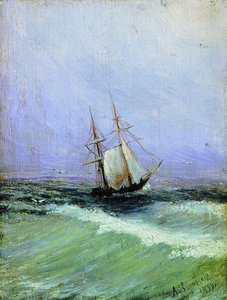
“Rocky Cliffs,” painted by Ivan Konstantinovich Aivazovsky in 1891, isn’t merely a landscape; it’s an immersive experience. The canvas explodes with the raw energy of the Black Sea, capturing a moment where nature and humanity collide with breathtaking drama. Aivazovsky, a titan of marine art, masterfully renders the relentless power of the ocean, transforming a simple coastal scene into a profound meditation on human resilience and the sublime indifference of the natural world.
The Painter's Technique: Layers of Light and Texture
Aivazovsky’s genius lies not just in his subject matter but also in his extraordinary technical skill. He employed a technique known as “alla prima,” working directly onto the wet surface of the canvas, layering paint with astonishing speed and precision. Thick impasto—heavy applications of pigment—dominates the cliffs, creating a palpable sense of roughness and solidity that contrasts sharply with the fluid movement of the waves. Notice how he builds up the texture of the rocks, using short, broken brushstrokes to suggest their jagged edges and weathered surfaces. The sky, rendered in delicate washes of blue and gray, subtly shifts in tone, conveying the ever-changing light conditions of a turbulent day. The use of complementary colors—the cool blues and grays of the sea against the warmer browns and ochres of the cliffs—further enhances the visual drama.
A Historical Echo: Romanticism at its Finest
“Rocky Cliffs” is firmly rooted in the Romantic movement, a period characterized by an intense fascination with nature’s power and the individual's emotional response to it. Aivazovsky, deeply influenced by this aesthetic, sought not just to depict the sea but to evoke a feeling—a sense of awe, wonder, and perhaps even a touch of fear in the face of its immensity. The painting reflects the era’s fascination with dramatic landscapes and heroic themes, mirroring the spirit of exploration and adventure that defined the 19th century. It's important to note Aivazovsky’s close relationship with the Russian Navy; his work often served as a visual record of naval exercises and battles, lending it an added layer of historical significance.
Symbolism in Motion: The Ship and the Sea
The small sailing vessel navigating the treacherous waves is more than just a compositional element. It represents humanity’s persistent, yet ultimately fragile, attempts to conquer nature's forces. The towering cliffs symbolize both grandeur and potential danger—a reminder of our own vulnerability in the face of overwhelming power. The turbulent sea itself embodies chaos, unpredictability, and the relentless passage of time. Aivazovsky masterfully uses these symbols to explore themes of human ambition, mortality, and the enduring relationship between humankind and the natural world. The painting invites contemplation on the balance between control and surrender.
A Legacy in Reproduction: Bringing the Sea Home
Reproductions of “Rocky Cliffs” capture a significant portion of Aivazovsky’s artistic vision, offering a window into this powerful seascape. When selecting a reproduction, consider the quality of materials used—a fine canvas and archival inks will ensure that the colors remain vibrant for years to come. Whether adorning a grand salon or a cozy study, “Rocky Cliffs” continues to inspire with its dramatic intensity and timeless beauty, reminding us of the enduring allure of the sea.
问答 (or more naturally for a website heading): Klausimai ir atsakymai
Kokią nuotaiką ir emociją sujungia „Rocky Cliffs“?
„Rocky Cliffs“, autorius – Ivanas Konstantinas Aivazovskis perteikia Powerful pojūtį bendroje Dramatic nuotaikoje.
Ar „Rocky Cliffs“ yra be autorinės teisės?
Autorių teisių statusas kūriniui „Rocky Cliffs“, autorius – Ivanas Konstantinas Aivazovskis: kūrinys priklauso pripa принадле belongs to the public domain – jo autorinė teisė pasibaigusi. Tai nulemia, ar galima laisvai reprodukciuoti šį vaizdą.
Kokią spalvų harmoniją išpriešia „Rocky Cliffs“, autorius – Ivanas Konstantinas Aivazovskis?
„Rocky Cliffs“ spalvų harmonija yra įrašyta kaip Softly Mixed Palette.
Autoriaus biografija
Ivan Konstantinovich Aivazovsky – Hovhannes Aivazian: Embracing the Ocean’s Soul
Ivan Konstantinovich Aivazovsky, born Hovhannes Aivazian in 1817, was more than just a painter of seascapes; he embodied the very spirit of Romanticism—a profound connection to nature and an unwavering belief in its sublime power. His existence seemed inextricably intertwined with the Black Sea—that vast expanse of turbulent waters which would forever dominate his artistic vision and propel him to unparalleled fame throughout his lifetime. Born into a modest Armenian family in Feodosia, Crimea, Aivazovsky’s formative years were steeped in the salty air and rhythmic crashing waves of the harbor city – experiences that profoundly shaped his artistic sensibility and fueled an extraordinary creative journey spanning nearly six decades.Early Influences and Artistic Training
From a young age, Jacob Koch recognized Aivazovsky's exceptional talent—Koch, a prominent architect who instilled in him a love for observation and meticulous detail—saw potential beyond mere technical skill. Recognizing this innate aptitude, Koch encouraged Aivazovsky to pursue formal artistic training at the Imperial Academy of Arts in Saint Petersburg – a pivotal step that would propel him into the epicenter of Russian art’s intellectual and stylistic currents. Despite the rigorous academic environment, Aivazovsky's artistic understanding transcended mere instruction; it was the constant immersion in the sea’s elemental forces—its unpredictable surges, its mesmerizing sunsets, and its brooding depths—that truly nurtured his creative spirit. This early exposure to maritime life would become a cornerstone of his artistic worldview and inform every subsequent painting he undertook.The Rise of a Marine Master: Saint Petersburg and Naval Commissions
Aivazovsky’s artistic trajectory took an extraordinary turn upon his appointment as the main painter of the Russian Navy in 1845 – a position that granted him unparalleled access to naval vessels, sailors, and firsthand observation of maritime battles. This wasn't merely a prestigious title; it was a gateway to experiencing the dynamism of naval life—a realm brimming with raw energy and dramatic spectacle. He became intimately acquainted with the practical realities of seafaring—the challenges faced by navigators, the camaraderie among crew members, and the visceral thrill of confronting formidable storms at sea – elements that infused his paintings with an authenticity unmatched by many contemporaries. The patronage afforded by the Imperial Navy allowed him to hone his skills and explore ambitious themes, cementing his reputation as Russia’s foremost marine artist.A Painter Defined By Emotion and Technique
Aivazovsky's artistic style—characterized by dramatic compositions, masterful use of color, and a remarkable ability to convey emotion—became synonymous with Romanticism itself. He eschewed the polished elegance favored by some of his peers, opting instead for expressive brushstrokes and bold palettes that captured the turbulent beauty of the sea. His paintings weren’t simply representations of landscapes; they were attempts to evoke feeling – awe, terror, wonder – mirroring the profound impact that nature had on the human psyche. Works like *Chaos (The Creation)* and *A Ship in a Stormy Sea* exemplify this artistic ethos—demonstrating his technical prowess while simultaneously conveying an overwhelming sense of drama and emotion. He skillfully employed atmospheric perspective to create luminous textures and capture fleeting light effects, techniques honed through countless hours spent observing the sea firsthand.Legacy and Enduring Influence
Ivan Konstantinovich Aivazovsky’s prolific output – approximately 6,000 paintings—established him as one of Russia's most productive artists of his era. His enduring legacy extends far beyond the realm of art history; he profoundly influenced generations of painters who sought to emulate his stylistic innovations and capture the sublime grandeur of nature. Today, Aivazovsky’s masterpieces continue to captivate audiences worldwide – exhibited in museums across Europe and America—serving as a testament to his unparalleled artistic vision and unwavering dedication to his craft. He remains an icon of Romanticism, embodying its core tenets: emotion, imagination, and reverence for the untamed beauty of the natural world. His paintings stand as timeless reminders of humanity’s relationship with the ocean – a connection that continues to inspire artists and viewers alike.
Ivanas Konstantinas Aivazovskis
1817 - 1900 , Rusija
Trumpa informacija apie kūrėją
- Artistic Movement Or Style: Romantizmas, Jūrų meno meistras
- Artists Or Movements Influenced By This Artist: ['Rusų krajobudžio meno meistrai']
- Artists Who Influenced This Artist: ['Ž.M.W. Turner']
- Date Of Birth: 1817 m.
- Date Of Death: 1900 m.
- Full Name: Ivan Konstantinovich Aivazovsky
- Nationality: Rusų-Armėnų
- Notable Artworks:
- Devynios bangos
- Jūra šviesoje mėnulį
- Laivybė buriuojantis į audrą
- Place Of Birth: Feodosia, Rusija
Susiję straipsniai
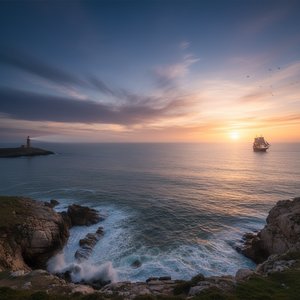
The Allure of the Horizon: A Comprehensive Exploration of Seascape Art Through History & Emotion
Explore the captivating world of seascape art! Discover its history, key artists & movements – from Dutch Masters to Impressionism. Expert insights for collectors and enthusiasts at OriginalUniqueArt.

10 Romantinių Peizažų Simbolių: Tapybos Majestatės Viršūnės
Atraskite 10 legendinių romantinio peizažo kūrinių! Pasinerkite į Claude Lorrain, Caspar David Friedrich ir J.M.W. Turner genijaus pasaulį. Išmokite apie tapybos meistriškumą bei gamtos grožį. Aukščiausios kokybės meno reprodukcijos – OriginalUniqueArt.com. Tyrinėkite kolekciją!
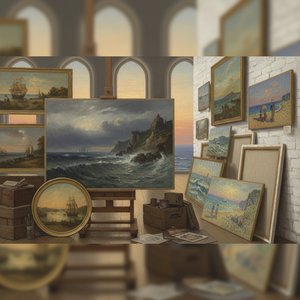
Evoking the Horizon: A Historical & Artistic Exploration of Coastal Scenes in Painting
Explore the rich history of coastal scenes in painting! Discover Impressionist masterpieces, American realism & contemporary visions. Learn about renowned artists and find your perfect seascape at OriginalUniqueArt.
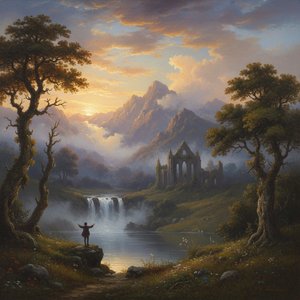
Evoking Emotion & Transcendence: Romantic Landscape Painting (18th-19th Century)
Explore the emotional depth of Romantic landscape painting (18th-19th century). Discover key artists like Friedrich & Cole, and the concepts of the sublime. Expert insights for art lovers & collectors.

Evoking Nature's Sublime: A Comprehensive Exploration of 19th-Century Landscape Painting
Explore the captivating world of 19th-century landscape painting! Discover renowned artists like Friedrich & Monet, key movements, and find the perfect artwork to bring nature's serenity into your home. Expert insights at OriginalUniqueArt.