Peržiūrėti realaus dydžio版
 Pasidalinti
 Dalintis
 Išsamiau
 Vadovas

 Atsisiųsti
 Panašūs eksponatai
 Rentgeno spindulių nuotrauka
 Automatinė diorama
 Q&A
Q&A Statistika
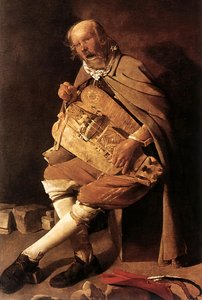
Stiebusimo Jonas
 Aliejus ant drobės
- Sieninis menas
- Baroque Painting
 1640
1640- Renesansas
 93.0 x 81.0 cm
 Musée d'Arts de Nantes
 Skaityti daugiau
Giclée / Meno spausdinimas
Muziejų lygio „giclée“ arba drobos spausdinimas: greita gamyba ir lankstios apdailos parinktys. ( Pirkti rankų darbo tapybą Perejti prie skaitmeninių vaizdų)




P118B €10

P118H €10

P118W €10

P438Z €10

P508JH €12

P508YH €12

P805H €10

P805Z €10

P919BZ €10

P919G €10

P919XJ €10

P959ZH €10

P968JZ €12

W106C €8

W218G €10

W218JH €8

W218Y €10

W307PJ €10

W316G €10

W316PJ €8

W316Y €10

W398PJ €8

W4111J €10

W500HY €15

W500JH €15

W692G €12

W849H €8

W940BG €15

W953PJ €8




Pasirinkite iš mūsų nustatytų dydžių, atitinkančių originalaus meno kūrinio proporcijas.

Įveskite jums reikiamą plotį ir aukštį, kad atvaizdas derėtų prie jūsų rėmo ar sienos. Spausdiną galima tik sumažinti, bet nepadidinti virš originalaus paveikslėlio dydžio, todėl keičiant proporcijas, dalis vaizdo prarandama. Prieš spausdinimą atsiųsime jums skaitmeninį maketą patvirtinimui. Šioje puslapio nuotraukoje matomas pjūvis nėra tikslus – jį rodo tik maketas.
Pristatymas visame pasaulyje () per 2 weeks, o ne įprastas 4/5 savaičių laikotarpis. (29 spalis)

Nemokamas greitasis pristatymas visame pasaulyje

Aukštos kokybės lininis drobė

Pilnas siuntimo draudimas

Muitinės mokesčių grąžinimo garantija

Tikro spalvų atitikimo garantija

100 dienų grąžinimo politika (tik esant įtaigoms)

100% pinigų grąžinimo garantija

Nuolaida dideliems užsakymams
 Stiklo variantas prieinamas tik pasirinkus dydį iki 110 cm

Stiebusimo Jonas
Giclée / Meno spausdinimas
Reprodukcijos matmenys
-


Bendroji kaina
€ 71
Pateikiamas Šedrojo Ječiui Vaizdas
Georges de La Tourio kūrinis "Šedrojo Ječiui Vaizdas" (1640 m.) – tai ne tik religijinis paveiksliukas, bet ir įvykio akimirkos įrašas, ištrylis su begalinėme subtilumu ir dramingu šviesos bei šešėlių kontrastu. Šis darbas, sukurtas Baroko periodo viršūnėje, atspindi tuo laikotarpiu vyravusį norą perteikti ne tik paveikslų faktinę formą, bet ir giliausias emocijas, įvykių reikšmę. La Tourio meistriškumas pasižymi ypatinga jėga – jis sugeba sukurti sceną, kuri kviečia žiūrėtojį įsitraukti į ją, pajusti jos dramatiškumą ir susimąstyti apie aukščiau esančias temas.Baroko Estetikos Atspindys
Šis paveiksliukas yra puikus pavyzdys Baroko estetikai – stiliaus, kuris pasižymi didžiausia dramingu, emocijos intensyviu perteikimu ir detalų atvaizdavimu. Georges de La Tourio kūryboje itin svarbūs yra *chiaroscuro* technikos principai – šviesos ir šešėlių kontrasto panaudojimas, kuris leidžia sukurti dramatišką efektą, akcentuoti paveikslo svarbiausius elementus ir suteikti jam gilumo pojūtį. Vaizdas yra išdėstytas itin sudėtingai, atspindi intensyvią emociją, kurią jaučiame stebint šedrojo Ježiui.Simbolizmo Gylis
Kūrinio simbolinė reikšmė yra itin gilų ir daugiasluokštė. Šedrojo Ježio veidas, apgaunamas nežinomos šviesos, atspindi jo įtariamą stebuklą, jo susidūrimą su neaiškiais dalykais. Vaizdas perteikia jį kaip žmogų, kuris yra atviras naujoms idėjoms ir pasakytam žaidimui. Šedrojo Ježio ranka, atsistodama į šviesą, simbolizuoja jo pasitikėjimą Dievo valia ir priimtumo jausmą. Tai ne tik religinis paveiksliukas, bet ir žmogaus patirties atspindys – susidūrimas su nežinomybe, priimantį savo liktį.Istoriniai ir Kultūriniai Nuorodų
Georges de La Tourio kūryba buvo itin įtakinga XVII amžiaus menui. Jis buvo vienas iš pirmųjų tapytojų, kurie pasinaudojo *chiaroscuro* technika, kad sukurti dramatišką efektą ir perteiktų emocijas. Jo darbai turėjo didelės įtakos Caravaggio ir kitoms Baroko periodo dailininkėms. Šis paveiksliukas yra ne tik istorinė vertybė, bet ir svarbus elementas meno istorijoje.Įtaka Interjero Dizainui
"Šedrojo Ječiui Vaizdas" – tai puikus pasirinkimas tiems, kurie nori papuošti savo namus įspūdingu ir emocingai sėkmingu paveiksliuku. Jo dramatiškas stilius ir subtilus simbolizmas suteikia jam universalumo, kuris leidžia jį derinti prie įvairių interjero stilistikų – nuo klasikinio Baroko iki modernaus minimalizmo. Šis paveiksliukas yra puikus pasirinkimas tiems, kurie vertina meną kaip švietimo ir įkvėpimo šaltinį.Klausimai ir atsakymai
Kur galima pamatyti „Stiebusimo Jonas“ – Žoržas Dela Toras originalą?
Originalų kūrinį „Stiebusimo Jonas“ galite pamatyti Musée d'Arts de Nantes, Nantas, Prancūzija.
Kokia „Stiebusimo Jonas“ – Žoržas Dela Toras suvokiamas ryškumas?
Perceptinio ryškumo prasme, „Stiebusimo Jonas“ – Žoržas Dela Toras yra gilių šešėlių zona.
Koks yra rekomenduojamas spausdinimo dydis kūriniui „Stiebusimo Jonas“ – Žoržas Dela Toras?
Rekomenduojamas „Stiebusimo Jonas“ spausdinimo dydis – Didelis formatas. Taip pat galima rinktis kitus dydžius, išlaikant tą patį proporciją.
Autoriaus biografija
Georges de La Tour (1593–1652): French Baroque Master of Dramatic Chiaroscuro & Tenebrism
Georges de La Tour, a name that resonates with the hushed reverence reserved for masters of light and shadow, remains one of the most compelling figures of the French Baroque. Born in 1593 in Vic-sur-Seille, a small town nestled within the Duchy of Lorraine, his life unfolded against a backdrop of religious fervor and political upheaval. While details surrounding his early training remain somewhat elusive—scholars speculate about potential journeys to Italy or apprenticeships with local artists like Jacques Bellange—the seeds of his artistic vision were undoubtedly sown in this environment. He wasn’t born into an artistically established family; his father was a baker, yet the circumstances of his mother's lineage hint at a possible connection to nobility, a subtle influence perhaps reflected in the dignity and quiet grace that permeate his work.
Early Life & Artistic Influences
Georges de La Tour’s formative years were marked by the turbulent political landscape of Lorraine under Habsburg rule. Despite limited formal education—evidence suggests he received instruction from local artisans—his innate talent for observation and representation quickly distinguished him from his peers. Crucially, he encountered the artistic legacy of Caravaggio during his travels, absorbing the revolutionary techniques of tenebrism—the dramatic interplay between light and darkness—that would become central to his distinctive style. However, De La Tour didn’t merely emulate Caravaggio; he skillfully assimilated Dutch Caravaggisti influences, particularly those championed by Hendrick Terbrugghen, forging a synthesis that was both powerfully expressive and remarkably restrained.
The Utrecht School & Artistic Development
De La Tour's artistic development coincided with the flourishing of the Utrecht School, a movement characterized by its meticulous realism and psychological depth. Artists like Terbrugghen prioritized capturing human emotion with unflinching honesty—a commitment that mirrored De La Tour’s own unwavering dedication to portraying the inner life of his subjects. Initially, De La Tour's paintings exhibited a vibrant palette and dynamic composition, reflecting the influence of this Utrecht tradition. Yet as he matured, he gradually refined his aesthetic sensibilities, favoring muted earth tones and simplifying forms—a deliberate choice that underscored his profound spiritual contemplation.
Major Works & Recurring Themes
The hallmark of Georges de La Tour’s oeuvre is undoubtedly his masterful manipulation of candlelight—which he employed not merely as a source of illumination but as a metaphor for divine grace and spiritual awakening. His paintings are frequently set at night, creating an atmosphere of intimacy and quiet contemplation that draws the viewer into the scene and invites them to share in the emotional experience of the figures depicted. The Fortune-Teller, painted around 1630, exemplifies this early style—a lively genre scene rendered with sharp observation and dramatic lighting. However, it is his later religious works that truly showcase De La Tour’s genius. Adoration of the Shepherds, created around 1640, demonstrates his ability to imbue a traditional subject with profound emotional resonance. The figures are not idealized or heroic; they are ordinary people, humbled by the presence of the divine. The Tears of Saint Peter, painted in the 1650s, is particularly poignant—the apostle’s grief rendered with heartbreaking subtlety and realism. Saint Joseph Carpenter, another iconic work, depicts a serene domestic scene, highlighting De La Tour's mastery of capturing the quiet dignity of everyday life.
Legacy & Enduring Appeal
Despite achieving recognition during his lifetime—he was appointed “Painter to the King” by Louis XIII in 1638—Georges de La Tour’s work remained largely obscure after his death in 1652. For centuries, many of his paintings were misattributed to other artists, and his name faded from art historical memory. It wasn't until the early 20th century that a concerted effort was made to rediscover and re-evaluate his oeuvre—led by scholars like Hermann Voss—revealing an artist of extraordinary originality and depth. De La Tour’s innovative use of light and shadow, combined with his psychological insight into his subjects, continues to captivate audiences today. His paintings offer a glimpse into 17th-century life and spirituality, reflecting both the religious fervor and the social realities of his time. He remains celebrated for his ability to imbue everyday scenes with profound meaning and emotional depth—a testament to his enduring legacy as one of the most influential artists of the Baroque period.

Žoržas Dela Toras
1593 - 1652 , Prancūzija
Trumpa informacija
- Artistic Movement Or Style: Tenebrismo
- Artists Who Influenced This Artist:
- Karavaggio
- Hendrik Terbrugghen
- Date Of Birth: 13 marto 1593
- Date Of Death: 1652
- Full Name: Georges de La Tour
- Nationality: Prancūzijoje
- Notable Artworks:
- Šešėlyje žiūrantis žmogus
- Kristaus Švietimo adoratorių šventė
- Place Of Birth: Vik-sur-Seille, Prancūzija
Susiję straipsniai

Georges Braque: 25 Šedevrai, Keičiantys Jūsų Interjerą | OriginalUniqueArt
Atraskite 25 Georges Braque šedevrus! Kubizmo meistro paveikslai, interjero dekoras ir meno istorija. Meno reprodukcijos aukščiausia kokybe – OriginalUniqueArt.com. Išsamesnės informacijos rasite internetu.

Georges Seurat: 25 Šedevrai, Apšviečiantys Modernaus Meno Takus | OriginalUniqueArt
Atraskite 25 Georges Seurat šedevrus! Išsami analizė, istorijos ir įkvėpimas interjero dizainui. Pointilizmo meistras, impresionizmas ir chromoluminarizmas – viskas OriginalUniqueArt.com. Explore the full collection online!

Francisco Goya Šedevrai: 25 Išskirtiniai Darbai Jūsų Interjerui | OriginalUniqueArt
Atraskite 25 įspūdingiausius Francisco Goya šedevrus! Ispanų romantizmo meistro paveikslai, portretai ir juodoji tapyba. Įkvėpkite interjerui su aukštos kokybės Goya reprodukcijomis | OriginalUniqueArt.com

Maurice Quentin de La Tour: Light, Shadow & the Rococo Portrait
Explore the captivating world of Maurice Quentin de La Tour, a master of Rococo portraiture. Discover his innovative pastel techniques, intimate depictions of French aristocracy, and lasting artistic legacy. Learn more at OriginalUniqueArt.
Georges de La Tour: Luminosity, Spirituality & Realism in Baroque Painting
Discover the captivating world of Georges de La Tour, a Baroque master renowned for his dramatic chiaroscuro & spiritual realism. Explore key works, influences, and his remarkable rediscovery. Learn more at OriginalUniqueArt.