

 Peržiūrėti realaus dydžio版
 Siųsti
 Dalintis
 Išsamiau
 Vadovas

 Atsisiųsti
 Panašūs eksponatai
 Rentgeno spindulių nuotrauka
 Diaporama
 Statistika
Horse Devoured by a Lion
 Oil On Canvas
- WallArt
- Romanticism
 1763
1763- Early Modern
 3.0 x 69.0 cm
 Tate muziejus
 Rodyti daugiau
Giclée / Meno spausdinimas
Muziejų lygio „giclée“ arba drobos spausdinimas: greita gamyba ir lankstios apdailos parinktys. ( Pirkti rankomis tapytą reprodukciją Perejti prie skaitmeninių vaizdų)




P118B €10

P118H €10

P118W €10

P438Z €10

P508JH €12

P508YH €12

P805H €10

P805Z €10

P919BZ €10

P919G €10

P919XJ €10

P959ZH €10

P968JZ €12

W106C €8

W218G €10

W218JH €8

W218Y €10

W307PJ €10

W316G €10

W316PJ €8

W316Y €10

W398PJ €8

W4111J €10

W500HY €15

W500JH €15

W692G €12

W849H €8

W940BG €15

W953PJ €8




Pasirinkite iš mūsų nustatytų dydžių, atitinkančių originalaus meno kūrinio proporcijas.

Įveskite jums reikiamą plotį ir aukštį, kad atvaizdas derėtų prie jūsų rėmo ar sienos. Spausdiną galima tik sumažinti, bet nepadidinti virš originalaus paveikslėlio dydžio, todėl keičiant proporcijas, dalis vaizdo prarandama. Prieš spausdinimą atsiųsime jums skaitmeninį maketą patvirtinimui. Šioje puslapio nuotraukoje matomas pjūvis nėra tikslus – jį rodo tik maketas.
Pristatymas visame pasaulyje () per 2 weeks, o ne įprastas 4/5 savaičių laikotarpis. (27 spalis)

Nemokamas greitasis pristatymas visame pasaulyje

Aukštos kokybės lininis drobė

Pilnas siuntimo draudimas

Muitinės mokesčių grąžinimo garantija

Tikro spalvų atitikimo garantija

100 dienų grąžinimo politika (tik esant įtaigoms)

100% pinigų grąžinimo garantija

Nuolaida dideliems užsakymams
 Stiklo variantas prieinamas tik pasirinkus dydį iki 110 cm

Horse Devoured by a Lion
Giclée / Meno spausdinimas
Reprodukcijos dydis
-


Visų pasirinktų variantų kaina
€ 70
The Primal Drama of Survival
To stand before George Stubbs's "Horse Devoured by a Lion" is to be thrust into the very heart of a visceral, untamed struggle. Completed in 1763, this masterpiece transcends mere animal portraiture, capturing a moment of raw, breathtaking violence that freezes time itself. The scene is one of profound tension: a horse, caught in its final, agonizing breaths, is relentlessly overtaken by the predatory force of a lion. There is no escape within this frame, only the inevitable triumph of brute strength over vulnerability. Stubbs does not merely observe this encounter; he orchestrates it, using the rugged, rocky landscape of Creswell Crags to mirror the chaotic and unforgiving nature of the conflict unfolding in the center of the canvas.
The emotional weight of the piece lies in its ability to evoke a sense of the sublime—that specific Romantic era fascination with beauty intertwined with terror. As the viewer, one feels an instinctive pull toward the central struggle, drawn by the sheer energy radiating from the lion’s powerful jaws and the horse's desperate, yielding form. It is a painting that demands attention, making it a commanding focal point for any collection or a sophisticated statement piece in a curated interior designed to provoke thought and conversation.
Mastery of Anatomy and Light
Stubbs’s technical brilliance is rooted in his unique background as an anatomist. His years spent studying dissection under the surgeon Charles Atkinson allowed him to render musculature with a startling, scientific precision that few of his contemporaries could match. In this work, every sinew of the struggling horse and every ripple of the lion's powerful frame is articulated with breathtaking verisimilitude. This anatomical accuracy does not strip the painting of its soul; rather, it grounds the drama in a terrifying reality, making the violence feel palpably real.
The artist employs a dramatic use of light and shadow, reminiscent of the chiaroscuro techniques found in classical masters, to heighten the narrative tension. Strong contrasts illuminate the textures of the scene—the coarse, thick fur of the predator, the smooth, sweating skin of the prey, and the jagged, unforgiving surfaces of the surrounding rocks. The color palette is a sophisticated arrangement of earthy tones, where deep browns, golds, and blacks create a brooding atmosphere, punctuated by highlights that guide the eye through the composition's dynamic movement. For the discerning collector, the depth of texture achieved in this oil on canvas offers a rich, tactile experience that remains captivating even in high-quality reproduction.
A Timeless Allegory of Power
Beyond its surface-level spectacle, "Horse Devoured by a Lion" serves as a profound allegory. While inspired by classical motifs Stubbs encountered during his travels to Rome, the painting speaks to universal themes of mortality and the cyclical nature of life and death. The lion represents an unstoppable, primordial force, while the horse embodies innocence and the fragility of existence when confronted with the overwhelming power of nature. It is a meditation on the loss of control and the inevitable confrontation between strength and weakness.
For interior designers and art enthusiasts alike, this work offers more than just aesthetic beauty; it provides a narrative depth that can transform a space. Whether placed in a grand library or a contemporary gallery setting, the painting’s ability to evoke feelings of awe, horror, and reverence makes it an enduring icon of the Romantic movement. It remains a testament to Stubbs's ability to translate biological reality into a profound exploration of the human condition, making it a timeless acquisition for those who appreciate art that challenges the spirit.
问答 (or more naturally for a website heading): Klausimai ir atsakymai
Ar galiu peržiūrėti „Horse Devoured by a Lion“, autorius – Džordžas Stabsas prieš užsakant?
Prežiūrėti „Horse Devoured by a Lion“, autorius – Džordžas Stabsas galima puslapio Peržiūra kūrinio peržiūros puslapyje.
Kur galiu įsigyti „Horse Devoured by a Lion“, autorius – Džordžas Stabsas spausdinį?
Šio kūrinio „Horse Devoured by a Lion“, autorius – Džordžas Stabsas spausdinį galite užsakyti tiesiogiai jo Kūrinio spausdinimas puslapio: aukščiausios kokybės spausdinys ant medžio siuvinėjamų audinių arba archyvinio kanvas tipo popieriaus.
Kur galiu rasti statistiką apie „Horse Devoured by a Lion“, autorius – Džordžas Stabsas?
„Horse Devoured by a Lion“, autorius – Džordžas Stabsas puslapio Statistika statistika rodo viešųjų apsilankymų duomenis: šio kūrinio mėnesinius apsilankymus, palyginimą su daugiausia peržiūrėtomis šio autoriaus dalimis bei tai, iš kur ateina lankytojai.
Autoriaus biografija
Ankstyvieji gyvenimo ir mokymosi metai
George Stubbs, garsus anglų tapytojas, gimė 1724 metų rugpjūčio 25 dieną Liverpulyje, Jungtinėje Karalystėje. Jo ankstyvieji gyvenimo metai apipinti retomis informacijomis iki trisdešimt penkerių metų amžiaus, didžiulią dalį žinių sudaro Oziaso Humphry’io memuarai, paremti pokalbiais su Stubbsu 1794 metais. Menininko kelias prasidėjo būdamas penkiolikos metų, kai jis pradėjo dirbti tėvo odininkų dirbtuvėje. Vėliau jis kreipėsi į Hamletą Winstanley’ų, Lankšyro tapytoją ir graviūrų meistrą, trumpam apmokymui. Šis trumpas laikotarpis leido jam susipažinti su Knowsley Hall kolekcija. Stubbs turėjo natūralų polinkį stebėti gamtą, ypač gyvūnus, o jo pirmasis darbas buvo medicinos iliustracijos, rodydamas tikslumą ir detalių dėmesį.Kūrybinis ugdymas ir reikšmingiausi darbai
Stubbso aistra anatomijai 1744 metais nuvedė jį į Jorką, kur jis studijavo pas chirurgą Charles Atkinsoną Yorko apskrities ligoninėje. Vienas iš ankstyviausių išlikusių darbų – rinkinys iliustracijų John Burtono akušerijos vadovėliui, paskelbtam 1751 metais. 1756 metais Stubbs nuomojosi sodybą Linkolnšyre ir praleido aštuoniolika mėnesių anatomuodamas arklį, jam talkinant bendrapiliečiui Mary Spencer. Tai lėmė Arklio anatomijos paskelbimą 1766 metais, o originalūs piešiniai dabar saugomi Karališkojoje akademijoje. Stubbso darbai greitai sulaukė pripažinimo tarp aukštuomenės patronų, įskaitant 3-ąjį Richmondo kunigaikštį, kuris 1759 metais užsakė tris didelius paveikslus. Tai žymėjo sėkmingos karjeros pradžią, kurioje darbai buvo kuriami keliems kunigaikščiams ir lordams, o galiausiai menininkas įsigijo namą Marylebone’e, Londone. Stubbs nuolat tobulino savo techniką, siekdamas tikslumo ir gyvūniškos formos išraiškingumo.Palikimas ir reikšmingiausi paveikslai
Stubbso garsiausias darbas – „Whistlejacket“, arklio portretas, užsakytas 2-ojo Rockinghamo markizo, dabar saugomas Londono nacionalinėje galerijoje. Šis ir dar du paveikslai Rockinghamui nukrypsta nuo įprastos konvencijos, pasižymintys paprastu fonu.- „Whistlejacket“, grybkruonis lenktyninis žirgas pakilęs ant užpakalinių kojų, demonstruoja Stubbso neprivalomą įgūdį perteikti arklio esmę.
- Stubbso paveikslų serija apie liūtą puolantį arklį yra ankstyvieji romantiškosios judėjimo pavyzdžiai, rodantys jo įtaką XVIII amžiaus menui.
Įtaka ir kūrybinis stilius
Stubbs buvo savamokslis anatomijos srityje, todėl galėjo tiksliai atvaizduoti gyvūnų raumenų struktūrą ir judesius. Jo darbai pasižymi kruopščiu detalių dėmesiu, šviesos žaismu ir spalvų subtilumu. Nors jis nebuvo formaliai susijęs su jokiu meno srove, jo kūryboje galima aptikti romantiškumo elementų – aistros, emocijų ir gamtos grožio pabrėžimą. Stubbs turėjo didelę įtaką kitų menininkų darbams, ypač Joshua Reynolds, kuris taip pat domėjosi gyvūnų tapyba. Stubbso darbai atspindi XVIII amžiaus aristokratijos pomėgį žirglenktybėms ir medžioklei, tačiau jis stengėsi perteikti ne tik socialinį kontekstą, bet ir gyvūno charakterį bei grožį.- Peržiūrėkite Stubbso darbus https://OriginalUniqueArt.com/@/george_stubbs
- Susipažinkite su Londono nacionalinės galerijos kolekcija, kurioje yra Stubbso reikšmingiausi darbai, adresu /lt/art/show/art-8xyffg-lt/
- Sužinokite daugiau apie Stubbso gyvenimą ir kūrybą Vikipedijoje adresu https://en.wikipedia.org/wiki/george_stubbs
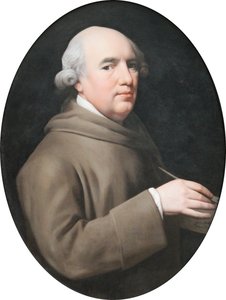
Džordžas Stabsas
1724 - 1806 , Jungtinė Karalystė
Trumpa informacija apie kūrėją
- Gimimo Data: Rugsėjo 25, 1724
- Gimimo Vieta: Liverpulis, Jungtinė Karalystė
- Meninis Stilius: Romantizmas, Arklių tapyba
- Mirties Data: Liepos 10, 1806
- Pilietybė: Britų
- Pilnas Vardas: George Stubbs
- Turėjo Įtakos: ['Hamlet Winstanley']
- Įtakojo: ['Joshua Reynolds']
- Žymiausi Darbai:
- Whistlejacket
- Liūtas ir Arklis
Susiję straipsniai
The Noble Steed: A Historical and Artistic Exploration of Horses in Fine Art
Explore the rich history of horses in fine art! From ancient depictions to Renaissance masterpieces & beyond, discover iconic artworks and artists. Learn about symbolism, techniques, and find museum-quality reproductions at OriginalUniqueArt.
George Stubbs: Anatomical Precision & Romantic Vision in 18th-Century British Art
Explore the captivating world of George Stubbs, the 18th-century master renowned for his anatomical precision & Romantic animal paintings. Discover his legacy and investment potential.

Georges Braque: 25 Šedevrai, Keičiantys Jūsų Interjerą | OriginalUniqueArt
Atraskite 25 Georges Braque šedevrus! Kubizmo meistro paveikslai, interjero dekoras ir meno istorija. Meno reprodukcijos aukščiausia kokybe – OriginalUniqueArt.com. Išsamesnės informacijos rasite internetu.
The Noble Steed on Canvas: A Historical & Artistic Exploration of Horse Painting Across Cultures
Explore the rich history of horse painting! Discover masterpieces from Stubbs to Munnings & learn about symbolism, techniques & artists. Find museum-quality reproductions at OriginalUniqueArt.

Georges Seurat: 25 Šedevrai, Apšviečiantys Modernaus Meno Takus | OriginalUniqueArt
Atraskite 25 Georges Seurat šedevrus! Išsami analizė, istorijos ir įkvėpimas interjero dizainui. Pointilizmo meistras, impresionizmas ir chromoluminarizmas – viskas OriginalUniqueArt.com. Explore the full collection online!


