Meniu
Text size

() ·

A painting made for you, by hand

Horse Devoured by a Lion

Rankų darbo aliejinės reprodukcijos

Rankiniu būdu tapytas aliejus ant droblio jūsų pageidaujamame dydį ir rėmuose – tai mūsų menininkų pagal užsakymą sukurtas darbas. ( Perjungti į spausdinamus版作品 Perejti prie skaitmeninių vaizdų)

Kolekcinio objekto aprašas

George Stubbs’ ‘Horse Devoured by a Lion’ (1763) – A dramatic oil painting of raw power & classical allegory. Explore this Romantic masterpiece's texture, symbolism & historical context.

Autoriaus biografija

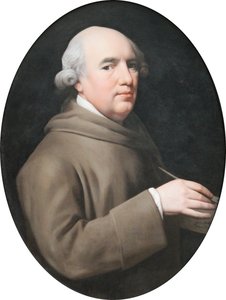
George Stubbs (1724–1806): žymus anglų tapytojas, garsėjęs anatominio tikslumo ir puikių arklių vaizdų kūrimu. Romantizmo pradininkas, žinomas pagal paveikslą „Whistlejacket“. Tyrinėkite jo meno palikimą.

from ·

Chapter 1

How large should it be?

Slide to change the size; the picture on the left shows the frame at its real width. The proportions of the original are kept.

Standartinis dydis
pagal užsakymą
CM
INCH

Pasirinkite iš mūsų nustatytų dydžių, atitinkančių originalaus meno kūrinio proporcijas.

plotis
aukštis

Įveskite jums reikiamą plotį ir aukštį, kad paveikslas atitiktų jūsų rėmą ar sieną. Kadangi šis darbas yra rankinio darbo, siekiant išgauti kitokios formos dydį, paveikslas gali būti šiek tiek didesnis (nuo kraštų bus palikta daugiau erdvės) arba mažesnis – pasirinkite jums patogiausią variantą. Prieš pradedant tapyti, atsiųsime jums skaitmeninį maketą patvirtinimui. Šioje puslapio nuotraukoje matomas vaizdas nėra galutinis rezultatas – jį parodys tik sukurtas maketas.

Chapter 2

How should it arrive?

Choose the edges of the stretched canvas

Choose your frame

Corner sample of the WhiteWrap canvas edge finish, stretched on solidus medžio

**Improved version:**
solidus medis bars
White €1
Corner sample of the BlurSideWrap canvas edge finish, stretched on solidus medžio

**Improved version:**
solidus medis bars
Blurside €1
Corner sample of the ExtendedWrap canvas edge finish, stretched on solidus medžio

**Improved version:**
solidus medis bars
Extended €1
Corner sample of the P118B picture frame: lieto polistirolo detalės, 5 cm wide and 3 cm thick
P118B €10
Corner sample of the P118H picture frame: lieto polistirolo detalės, 5 cm wide and 3 cm thick
P118H €10
Corner sample of the P118W picture frame: lieto polistirolo detalės, 5 cm wide and 3 cm thick
P118W €10
Corner sample of the P438Z picture frame: lieto polistirolo detalės, 5.5 cm wide and 3.5 cm thick
P438Z €10
Corner sample of the P508JH picture frame: lieto polistirolo detalės, 7 cm wide and 3.5 cm thick
P508JH €12
Corner sample of the P508YH picture frame: lieto polistirolo detalės, 7 cm wide and 3.5 cm thick
P508YH €12
Corner sample of the P805H picture frame: lieto polistirolo detalės, 5 cm wide and 3.5 cm thick
P805H €10
Corner sample of the P805Z picture frame: lieto polistirolo detalės, 5 cm wide and 3.5 cm thick
P805Z €10
Corner sample of the P919BZ picture frame: lieto polistirolo detalės, 7 cm wide and 3.5 cm thick
P919BZ €10
Corner sample of the P919G picture frame: lieto polistirolo detalės, 7 cm wide and 3.5 cm thick
P919G €10
Corner sample of the P919XJ picture frame: lieto polistirolo detalės, 7 cm wide and 3.5 cm thick
P919XJ €10
Corner sample of the P959ZH picture frame: lieto polistirolo detalės, 5 cm wide and 3 cm thick
P959ZH €10
Corner sample of the P968JZ picture frame: lieto polistirolo detalės, 6 cm wide and 4 cm thick
P968JZ €12
Corner sample of the W106C picture frame: solidus medžio

**Improved version:**
solidus medis, 5 cm wide and 3 cm thick
W106C €8
Corner sample of the W218G picture frame: solidus medžio

**Improved version:**
solidus medis, 5 cm wide and 3 cm thick
W218G €10
Corner sample of the W218JH picture frame: solidus medžio

**Improved version:**
solidus medis, 5 cm wide and 3 cm thick
W218JH €8
Corner sample of the W218Y picture frame: solidus medžio

**Improved version:**
solidus medis, 5 cm wide and 3 cm thick
W218Y €10
Corner sample of the W307PJ picture frame: solidus medžio

**Improved version:**
solidus medis, 6 cm wide and 3 cm thick
W307PJ €10
Corner sample of the W316G picture frame: solidus medžio

**Improved version:**
solidus medis, 6 cm wide and 3 cm thick
W316G €10
Corner sample of the W316PJ picture frame: solidus medžio

**Improved version:**
solidus medis, 6 cm wide and 3 cm thick
W316PJ €8
Corner sample of the W316Y picture frame: solidus medžio

**Improved version:**
solidus medis, 6 cm wide and 3 cm thick
W316Y €10
Corner sample of the W398PJ picture frame: solidus medžio

**Improved version:**
solidus medis, 5 cm wide and 3 cm thick
W398PJ €8
Corner sample of the W4111J picture frame: solidus medžio

**Improved version:**
solidus medis, 6.5 cm wide and 3.5 cm thick
W4111J €10
Corner sample of the W500HY picture frame: solidus medžio

**Improved version:**
solidus medis, 7 cm wide and 5 cm thick
W500HY €15
Corner sample of the W500JH picture frame: solidus medžio

**Improved version:**
solidus medis, 7 cm wide and 5 cm thick
W500JH €15
Corner sample of the W692G picture frame: solidus medžio

**Improved version:**
solidus medis, 8 cm wide and 4 cm thick
W692G €12
Corner sample of the W849H picture frame: solidus medžio

**Improved version:**
solidus medis, 5 cm wide and 3 cm thick
W849H €8
Corner sample of the W940BG picture frame: solidus medžio

**Improved version:**
solidus medis, 7.5 cm wide and 4.5 cm thick
W940BG €15
Corner sample of the W953PJ picture frame: solidus medžio

**Improved version:**
solidus medis, 6 cm wide and 3.5 cm thick
W953PJ €8
Corner sample of the H24-GOLD picture frame: medžio skulptūra su gipso sluosniu, 10 cm wide and 6 cm thick
H24-GOLD €30
Corner sample of the H24-SILVER picture frame: medžio skulptūra su gipso sluosniu, 10 cm wide and 6 cm thick
H24-SILVER €30
Corner sample of the H36-GOLD picture frame: medžio skulptūra su gipso sluosniu, 15 cm wide and 6.5 cm thick
H36-GOLD €45
Corner sample of the H36-SILVER picture frame: medžio skulptūra su gipso sluosniu, 15 cm wide and 6.5 cm thick
H36-SILVER €45
Rėmo peržiūra
Įrėmintas

Moulding: . Overall size with the frame: .

Chapter 3

Who paints it, and should anything change?

Examples of what can be changed: Replace face with customer photo; Add pet (e.g., replace cat with dog); Include hidden message in background; Change background landscape or elements.
After order, OriginalUniqueArt.com team will email client for instructions and provide a mockup preview

Pristatymas visame pasaulyje () per 3–4 savaites, o ne įprastai – per 5 savaites. (30 spalis). Kokybė lieka nepakeičiama.

Chapter 4

The finishing touches

A nameplate, as in a museum?

Išgraviruotos bronzinės plokštelės detalės

This elegant plaque features the artist's name and the title of the artwork, finely engraved for a timeless presentation.

It is made from bronze with a refined, elegant finish. The text is precisely laser-engraved for a sharp and permanent result. Measuring 9x2 cm, the plaque is compact yet easy to read. It's built to be durable and scratch-resistant, offering a professional, museum-quality look. Mounting is simple thanks to the included adhesive backing.

Skaidrios akrilo plokštelės informacija

The plaque includes essential engraved details such as the artist's name, the title of the artwork, the date it was created, the type of media used-like oil on canvas or watercolor-a brief description of the piece, and a QR code that links to the complete artwork information.

It is crafted from clear acrylic, offering a sleek, modern appearance. The text is UV-engraved in black to ensure strong visual contrast. With a size of 10x15 cm, it ensures optimal readability. It comes equipped with two metal hooks for secure wall mounting. The plaque is designed to be weather-resistant, making it suitable for various environments, and it includes interactive features that work seamlessly with smartphone scanning.

Juodos akrilo plokštelės informacija

This elegant plaque includes engraved information such as the artist's name, the title of the artwork, the date it was created, the type of media used (like oil on canvas or watercolor), a short description of the artwork, and a QR code for quick access to more information.

The plaque itself is made from refined black acrylic with a premium finish. The text is laser-engraved in white for high contrast and readability. Its size is 10x15 cm, designed to be easy to read. It comes with two metal hooks for professional mounting. The design is sleek and fits any interior style. It is also weather-resistant and durable, with built-in digital integration for mobile compatibility.

A protective varnish?

When do you need it?

Chapter 5

Your painting, as you ordered it

Horse Devoured by a Lion

Reprodukcijos technika

Reprodukcijos matmenys

-

Aukščiausios klasės meistras

Daugiau detalių, meistriškumo ir papildomo gamybos laiko

-

Reprodukcijos rėmėjimo parinktys

-

-

Dėl meno kūrinių ar reprodukcijų, kurių bet kuri pusė yra didesnė nei 105 cm (apie 41 inch), rėmas bus siunčiamas kaip išskaidytas surinkimo rinkinys. Šis metodas užtikrina saugų pristatymą ir apsaugo nuo transportavimo metu galimos žalos.

Reikalingas profesionalus surinkimas – tai nėra „pasidaryk pats“ (DIY) produktas.
Rinkinys turi būti surinktas, o drobė išplėsta naudojant patyrį profesionalų rėmininką, medžio klijus (nėra įtraukti į rinkinį), drobės plėšimo kleslę bei presas, kad rėmo rėžiai išliktų tiesūs, kol klijai išdžiūvus. Netinkamas surinkimas arba netolydus drobės įtampa gali negrįžtamai sugadinti meno kūrinį, todėl šie atvejai nėra užtraukiami mūsų garantijos.

  • Į komplektą įeina visi vientisos medienos elementai, tiksliai išpjauti pagal dydį.

  • Surmontinama naudojant pridėtus varžtus bei papildomai reikalingą medžio kliją kampų jungtims, kuris nėra pridėtas ir turi būti parinktas rėmininkui.

  • Reikalingi profesionalūs įrankiai, kurie nėra įtraukti į rinkinį: drobės kėlimo plytelės (stiprintuvai) ir klemiai, laikantys rėmo strygius tiesiu kampu, kol džiūsta lipas.

Svarbu:
Kampų jungtims reikalingi medžio klijai, barams reikia laikyti naudojant presas, kol klijai visiškai išdžiūvės, o surinktam rėmui įtempiamai privilgti būtinos drobės įtempimo plytযুক্ত. Šios priemonės į rinkinį neįtrauktos. Prieš užsakydami šio dydžio rinkinį, rekomenduojame pasimalkoti patyrusiu rėmų meistru.

Pavadinimo lentelė

-

-

Apsauginis lakas

Blizgus lakas (ryškina spalvas, saugo nuo šviesos ir drėgmės)

-

Personalizuoti kūrinį

Ką galima pakeisti (pavyzdžiui): pakeisti veidą klientui skirta nuotrauka; pridėti augintinį (pvz., katę pakeisti šuniu); įtraukti paslėptą žinutę fone; pakeisti fono kraštovaizdį ar elementus.

-

Skubiai

Pristatymas visame pasaulyje () per 3–4 savaites, o ne įprastai – per 5 savaites. (30 spalis). Kokybė lieka nepakeičiama.

-

Skubus pristatymas

Pristatymas visame pasaulyje () per 5 weeks. (6 lapkritis).

Įskaičiuota

Bendroji kaina

€ 266

Visos kainos suma € 266

Stiklo variantas prieinamas tik pasirinkus dydį iki 110 cm

Included with every order

  • Nemokamas greitasis pristatymas visame pasaulyje
  • Aukštos kokybės lininis drobė
  • Pilnas siuntimo draudimas
  • Muitinės mokesčių grąžinimo garantija
  • Tikro spalvų atitikimo garantija
  • 100 dienų grąžinimo politika (tik esant įtaigoms)
  • 100% pinigų grąžinimo garantija
  • Nuolaida dideliems užsakymams

The Primal Drama of Survival

To stand before George Stubbs's "Horse Devoured by a Lion" is to be thrust into the very heart of a visceral, untamed struggle. Completed in 1763, this masterpiece transcends mere animal portraiture, capturing a moment of raw, breathtaking violence that freezes time itself. The scene is one of profound tension: a horse, caught in its final, agonizing breaths, is relentlessly overtaken by the predatory force of a lion. There is no escape within this frame, only the inevitable triumph of brute strength over vulnerability. Stubbs does not merely observe this encounter; he orchestrates it, using the rugged, rocky landscape of Creswell Crags to mirror the chaotic and unforgiving nature of the conflict unfolding in the center of the canvas.

The emotional weight of the piece lies in its ability to evoke a sense of the sublime—that specific Romantic era fascination with beauty intertwined with terror. As the viewer, one feels an instinctive pull toward the central struggle, drawn by the sheer energy radiating from the lion’s powerful jaws and the horse's desperate, yielding form. It is a painting that demands attention, making it a commanding focal point for any collection or a sophisticated statement piece in a curated interior designed to provoke thought and conversation.

Mastery of Anatomy and Light

Stubbs’s technical brilliance is rooted in his unique background as an anatomist. His years spent studying dissection under the surgeon Charles Atkinson allowed him to render musculature with a startling, scientific precision that few of his contemporaries could match. In this work, every sinew of the struggling horse and every ripple of the lion's powerful frame is articulated with breathtaking verisimilitude. This anatomical accuracy does not strip the painting of its soul; rather, it grounds the drama in a terrifying reality, making the violence feel palpably real.

The artist employs a dramatic use of light and shadow, reminiscent of the chiaroscuro techniques found in classical masters, to heighten the narrative tension. Strong contrasts illuminate the textures of the scene—the coarse, thick fur of the predator, the smooth, sweating skin of the prey, and the jagged, unforgiving surfaces of the surrounding rocks. The color palette is a sophisticated arrangement of earthy tones, where deep browns, golds, and blacks create a brooding atmosphere, punctuated by highlights that guide the eye through the composition's dynamic movement. For the discerning collector, the depth of texture achieved in this oil on canvas offers a rich, tactile experience that remains captivating even in high-quality reproduction.

A Timeless Allegory of Power

Beyond its surface-level spectacle, "Horse Devoured by a Lion" serves as a profound allegory. While inspired by classical motifs Stubbs encountered during his travels to Rome, the painting speaks to universal themes of mortality and the cyclical nature of life and death. The lion represents an unstoppable, primordial force, while the horse embodies innocence and the fragility of existence when confronted with the overwhelming power of nature. It is a meditation on the loss of control and the inevitable confrontation between strength and weakness.

For interior designers and art enthusiasts alike, this work offers more than just aesthetic beauty; it provides a narrative depth that can transform a space. Whether placed in a grand library or a contemporary gallery setting, the painting’s ability to evoke feelings of awe, horror, and reverence makes it an enduring icon of the Romantic movement. It remains a testament to Stubbs's ability to translate biological reality into a profound exploration of the human condition, making it a timeless acquisition for those who appreciate art that challenges the spirit.

Klausimai ir atsakymai

Kuris menininkas ir koks stilius slypi už „Horse Devoured by a Lion“?

Džordžas Stabsas sukūrė „Horse Devoured by a Lion“, priklausantį Romanticism stiliui.

Į kokį laikotarpį buvo sukurta „Horse Devoured by a Lion“ – Džordžas Stabsas?

„Horse Devoured by a Lion“ – Džordžas Stabsas sukurta Early Modern laikotarpiu. Šis laikotarpis suteikia kūriniui istorines aplinkybes.

Ar galiu pamatyti „Horse Devoured by a Lion“ – Džordžas Stabsas rentgeno nuotrauką?

„Horse Devoured by a Lion“ galima tyrinėti sluoksniu sluoksnį naudojant kūrinio Rentgeninis vaizdas puslapį – interaktyvą vaizdo peržiūrą, įkvėptą restauratoriaus šviesos stalo, kuriame pateikiamos vien ambivalentiškos vaizdo interpretacijos iš vienylies optinių sluoksnių.

More about this painting

Peržiūrėti realaus dydžio版 Peržiūrėti AR realybėje Perjungti į spausdinamus版作品 Perejti prie skaitmeninių vaizdų Pasidalinti
Išsamiau Vadovas Pridėti į mėgstamiausius Atsisiųsti Panašūs eksponatai Rentgeno spindulių nuotrauka Automatinė diorama Q&A Statistika

In numbers

  • 1763the year it was painted
  • 29frames to choose from
  • standard sizes, in its own proportions
  • 5weeks to paint and deliver it
Džordžas Stabsas

Džordžas Stabsas

1724 - 1806, Jungtinė Karalystė

Quick facts about Džordžas Stabsas

  • Gimimo Data: Rugsėjo 25, 1724
  • Gimimo Vieta: Liverpulis, Jungtinė Karalystė
  • Meninis Stilius: Romantizmas, Arklių tapyba
  • Mirties Data: Liepos 10, 1806
  • Pilietybė: Britų
  • Pilnas Vardas: George Stubbs
  • Turėjo Įtakos: ['Hamlet Winstanley']
  • Įtakojo: ['Joshua Reynolds']
  • Žymiausi Darbai:
    • Whistlejacket
    • Liūtas ir Arklis

Autoriaus biografija

Ankstyvieji gyvenimo ir mokymosi metai

George Stubbs, garsus anglų tapytojas, gimė 1724 metų rugpjūčio 25 dieną Liverpulyje, Jungtinėje Karalystėje. Jo ankstyvieji gyvenimo metai apipinti retomis informacijomis iki trisdešimt penkerių metų amžiaus, didžiulią dalį žinių sudaro Oziaso Humphry’io memuarai, paremti pokalbiais su Stubbsu 1794 metais. Menininko kelias prasidėjo būdamas penkiolikos metų, kai jis pradėjo dirbti tėvo odininkų dirbtuvėje. Vėliau jis kreipėsi į Hamletą Winstanley’ų, Lankšyro tapytoją ir graviūrų meistrą, trumpam apmokymui. Šis trumpas laikotarpis leido jam susipažinti su Knowsley Hall kolekcija. Stubbs turėjo natūralų polinkį stebėti gamtą, ypač gyvūnus, o jo pirmasis darbas buvo medicinos iliustracijos, rodydamas tikslumą ir detalių dėmesį.

Kūrybinis ugdymas ir reikšmingiausi darbai

Stubbso aistra anatomijai 1744 metais nuvedė jį į Jorką, kur jis studijavo pas chirurgą Charles Atkinsoną Yorko apskrities ligoninėje. Vienas iš ankstyviausių išlikusių darbų – rinkinys iliustracijų John Burtono akušerijos vadovėliui, paskelbtam 1751 metais. 1756 metais Stubbs nuomojosi sodybą Linkolnšyre ir praleido aštuoniolika mėnesių anatomuodamas arklį, jam talkinant bendrapiliečiui Mary Spencer. Tai lėmė Arklio anatomijos paskelbimą 1766 metais, o originalūs piešiniai dabar saugomi Karališkojoje akademijoje. Stubbso darbai greitai sulaukė pripažinimo tarp aukštuomenės patronų, įskaitant 3-ąjį Richmondo kunigaikštį, kuris 1759 metais užsakė tris didelius paveikslus. Tai žymėjo sėkmingos karjeros pradžią, kurioje darbai buvo kuriami keliems kunigaikščiams ir lordams, o galiausiai menininkas įsigijo namą Marylebone’e, Londone. Stubbs nuolat tobulino savo techniką, siekdamas tikslumo ir gyvūniškos formos išraiškingumo.

Palikimas ir reikšmingiausi paveikslai

Stubbso garsiausias darbas – „Whistlejacket“, arklio portretas, užsakytas 2-ojo Rockinghamo markizo, dabar saugomas Londono nacionalinėje galerijoje. Šis ir dar du paveikslai Rockinghamui nukrypsta nuo įprastos konvencijos, pasižymintys paprastu fonu.
  • „Whistlejacket“, grybkruonis lenktyninis žirgas pakilęs ant užpakalinių kojų, demonstruoja Stubbso neprivalomą įgūdį perteikti arklio esmę.
  • Stubbso paveikslų serija apie liūtą puolantį arklį yra ankstyvieji romantiškosios judėjimo pavyzdžiai, rodantys jo įtaką XVIII amžiaus menui.
Stubbso palikimas kaip žirgo tapytojo išlieka neprivalomas, o jo darbai ir toliau įkvepia ir stebina meno entuziastus visame pasaulyje.

Įtaka ir kūrybinis stilius

Stubbs buvo savamokslis anatomijos srityje, todėl galėjo tiksliai atvaizduoti gyvūnų raumenų struktūrą ir judesius. Jo darbai pasižymi kruopščiu detalių dėmesiu, šviesos žaismu ir spalvų subtilumu. Nors jis nebuvo formaliai susijęs su jokiu meno srove, jo kūryboje galima aptikti romantiškumo elementų – aistros, emocijų ir gamtos grožio pabrėžimą. Stubbs turėjo didelę įtaką kitų menininkų darbams, ypač Joshua Reynolds, kuris taip pat domėjosi gyvūnų tapyba. Stubbso darbai atspindi XVIII amžiaus aristokratijos pomėgį žirglenktybėms ir medžioklei, tačiau jis stengėsi perteikti ne tik socialinį kontekstą, bet ir gyvūno charakterį bei grožį.

Trumpa informacija

  • Subject or theme: Predation; Power & Vulnerability
  • Location: Private Collection
  • Artistic style: Dramatic; Classical allegory
  • Notable elements or techniques: Visible brushstrokes; Textured surface
  • Influences: Classical Sculpture
  • Movement: Romanticism

Karo viktorina

Kiekviename klausime yra tik vienas teisingas atsakymas.

Klausimas 1:
What artistic movement is George Stubbs’ ‘Horse Devoured by a Lion’ primarily associated with?
Klausimas 2:
The painting depicts a horse attacking what animal?
Klausimas 3:
Where was George Stubbs studying anatomy when he began his artistic career?
Klausimas 4:
What inspired Stubbs's depiction of the horse’s final surrender?
Klausimas 5:
Describe a key characteristic of Stubbs’s painting technique.