Peržiūrėti realybėje
 Pasidalinti
 Dalintis
 Išsamiau

 Atsisiųsti
 Panašūs eksponatai
 Rentgeno nuotrauka
 Automatinė diorama
Woman Buttoning Her Shoes


 Skaityti daugiau
Rankų darbo aliejinės reprodukcijos
Rankiniu būdu tapytas aliejus ant droblio jūsų pageidaujamame dydį ir rėmuose – mūsų menininkų darbas pagal užsakymą. ( Pirkti spaudinį Pirkti vaizdą)




P118B $10

P118H $10

P118W $10

P438Z $10

P508JH $12

P508YH $12

P805H $10

P805Z $10

P919BZ $10

P919G $10

P919XJ $10

P959ZH $10

P968JZ $12

W106C $8

W218G $10

W218JH $8

W218Y $10

W307PJ $10

W316G $10

W316PJ $8

W316Y $10

W398PJ $8

W4111J $10

W500HY $15

W500JH $15

W692G $12

W849H $8

W940BG $15

W953PJ $8




Pasirinkite iš mūsų nustatytų dydžių, atitinkančių originalaus meno kūrinio proporcijas.

Galite įvesti savo matmenis, kad jie atitiktų konkretų rėmą ar erdvę. Jei pasirinktas dydis neatitinka originalaus paveikslėlio proporcijų, mes arba apkropsime meno kūrinį, arba papildysime tapybą rankomis dažytい elementais. Prieš pradėdami gamybą, jūsų patvirtinimui atsiųsime skaitmeninį maketą.
Atkreipkite dėmesį, kad ekrane rodomas vaizdas neatspindi tikrojo apkarpymo ar papildymo. Tik maketas tiksliai parodys galutinę kompoziciją.
Nors galima rinktis ir individualius dydžius, rekomenduojame pasirinkti matmenis iš nustatytos sąrašo, kad būtų išlaikytos originalios proporcijos.
Gavus užsakymą, OriginalUniqueArt.com komanda susisieks su klientu el. paštu dėl instrukcijų ir pateiks maketo pavyzdį.
Pristatymas visame pasaulyje () per 3–4 savaites, o ne įprastai – per 5 savaites. (16 rugpjūtis). Kokybė lieka nepakeičiama.

Nemokamas greitasis pristatymas visame pasaulyje

Aukštos kokybės lininis drobė

Pilnas siuntimo draudimas

Muitinės mokesčių grąžinimo garantija

Tikro spalvų atitikimo garantija

60 dienų grąžinimo politika (tik esant gamyklinėms defektams)

100% pinigų grąžinimo garantija

Nuolaida už kelias reprodukcijas
 Stiklo variantas prieinamas tik pasirinkus dydį iki 110 cm

Woman Buttoning Her Shoes
Reprodukcijos technika
Reprodukcijos matmenys
-


Galutinė kaina
$ 300
Kūrinio aprašymas
A Moment of Quietude: Egon Schiele’s “Woman Buttoning Her Shoes”
Egon Schiele's "Woman Buttoning Her Shoes," painted in 1915, isn’t merely a depiction of a mundane domestic task; it’s a raw and intensely personal exploration of vulnerability, intimacy, and the unsettling beauty of the everyday. This arresting sketch, rendered in charcoal on paper, immediately draws the viewer into a world of psychological depth, far removed from the polished surfaces of much contemporary art at the time. The work possesses an almost unnerving immediacy—a sense that we’ve stumbled upon a private, fleeting moment captured with brutal honesty. It's a testament to Schiele’s ability to distill profound emotion into deceptively simple forms, revealing a complex narrative within the seemingly straightforward act of fastening a shoe.The Anatomy of Emotion: Style and Technique
Schiele’s style is undeniably Expressionist, yet it possesses a unique intensity that sets him apart. He abandons traditional representational techniques in favor of a highly subjective approach, prioritizing feeling over precise detail. The lines are not clean or defined; instead, they vibrate with energy, overlapping and intersecting to create a sense of restless movement. Notice how the figure’s body is rendered with loose, gestural strokes—a deliberate rejection of academic precision. This technique isn't about creating an illusion of reality but rather conveying the artist’s internal state. The monochromatic palette – primarily shades of gray and white – further amplifies this effect, lending a somber, almost melancholic quality to the scene. The texture of the paper itself is visible, adding a tactile dimension that reinforces the immediacy of the drawing. It feels as though we're peering at a hastily sketched study, capturing a moment before it’s fully formed in the artist’s mind.Symbolism and Narrative: Beyond the Mundane
The seemingly simple act of buttoning a shoe becomes laden with symbolic weight within Schiele’s work. The woman's posture—slightly angled, her body turned towards the viewer—suggests both vulnerability and a quiet dignity. She is engaged in a task that could be considered utterly ordinary, yet the intensity of her gaze and the raw quality of the drawing elevate it to something far more significant. The closed shoes themselves can be interpreted as a symbol of constraint or perhaps a desire for stability – a yearning for order amidst an uncertain world. The fact that she is alone, in a private moment, adds to this sense of introspection. There’s a palpable loneliness here, a feeling of being caught between the familiar and the unknown. Schiele was deeply interested in exploring themes of mortality and psychological distress, and this work certainly reflects those preoccupations.A Legacy of Intensity: Historical Context and Schiele's Vision
Egon Schiele’s life was tragically short and marked by personal hardship—his father succumbed to syphilis when he was just fourteen, a trauma that profoundly shaped his artistic vision. Living in Vienna during the early 20th century, a period of immense social and political upheaval, Schiele's work reflects the anxieties and uncertainties of the era. His art often explored themes of sexuality, death, and psychological torment—subjects considered taboo at the time. He was part of a vibrant artistic circle that included Gustav Klimt, but his intensely personal style set him apart. Schiele’s exploration of the human form, particularly through unflinching depictions of the nude, challenged conventional notions of beauty and morality. “Woman Buttoning Her Shoes” stands as a powerful example of this—a testament to Schiele's ability to transform the ordinary into something profoundly moving and unsettling. It is a work that continues to resonate with viewers today, inviting us to contemplate the complexities of human experience and the enduring power of art to capture the essence of our shared vulnerability.Autoriaus biografija
Egon Schiele
Austrijos pozicija dviejų pasaulinio karo horizonte buvo labai abejojanti: vienu metu ji buvo šiek tiek iš Šiaurės į rytus, lengvai įsitikinusi veiksmų vyrai. Mažėjęs šalis po 1918 m., beveik visiškai neišplitusi tarptautiniu pasauliu buvo lengvai įvykdinta Hitlerio Reichui 1938 m.; meno srityje tai reiškė kad modernizmo istorija buvo išvykstanti nuo Šiaurės iki pietų, su pagrindiniu dėmesiu į formą. Vokelių šiek tiek pripažino ekspresionizmą kaip svarbų meno srovę; jis buvo vienas iš žymiausius austrių artistas XX amžiaus pradžioje – kartu su Gustavu Klimtu ir Oskar Kokoschka išvykę į Vieną buvo laikomas vienu iš Žyduvo šimtmečio svarbiausių vizualinių menininkų.
Gyvenimas
Egonas Šylė gimė 1890 m. vasario 3 d. Tulne, Austrijoje. Jo tėvas Adolfas Šylė buvo Tulno geležinkelio stoties direktorius ir gimė 1851 m. Vienoje Adolfo Šyly tevai turėjo tris jaunesnes seseris: Elvirą, Melaniją ir Gertrūdą. Elvira mirė vaikyste dėl gimtinių sifiliso. Jo tėvas buvo užsikrėtęs sifiliu įsimėlynėje savo jaunystės metais po vienos jo naujosios žmonos išėjimo iš kambario.
Meno vystymasis
Šylė mokytojo Christian Griepenkerl įtaką išgyveno Vienoje 1907 m. ir G. Klimtas tapo jo svarbiu rėmėju. Šylė paliko akademiją 1906 m., nes jos mokymo metodai buvo labai konservatyvus, ir įkūrė Naują austrių dailės grupę 1909 m. Grupėje vyravo ekspresionistinė estetika, kuri iššūkiant šiuolaikinėms kultūros normas.
Žymūs kūriniai
Šylė buvo vienas iš žymiausius austrių artistas XX amžiaus pradžioje – kartu su Gustavu Klimtu ir Oskar Kokoschka išvykę į Vieną buvo laikomas vienu iš Žyduvo šimtmečio svarbiausių vizualinių menininkų. Šylė buvo ekspresionizmo meno srovės atstovas.
Žymūs veiksniai
Šylė buvo žinomas dėl savo iššūkiantį įžiūrą į pasaulio problemas ir šiuolaikinę estetika, kuri iššūkiant šiuolaikinėms kultūros normas. Šylė buvo ekspresionizmo meno srovės atstovas.

Egon Šylė
1890 - 1918 , Austrija
Trumpa informacija
- Artistic Movement Or Style: Ekspresionizmas
- Artists Who Influenced This Artist: ['Gustavas Klimtas']
- Date Of Birth: 1890 m.
- Date Of Death: 1918 m.
- Full Name: Egon Schiele
- Nationality: Austras
- Notable Artworks:
- Savęs portretas su fizižalis
- Porą įemčianti
- Žemės apėjimų kraštovaizdis
- Place Of Birth: Tulnas, Austrija
Susiję straipsniai
Ekspresionizmo Deimantai: 10 Šedevrai Jūsų Namų Dekorui
Atraskite ekspresionizmo šedevrus! 10 įtakingiausių meno kūrinių, atskleisiančių Muncho, Kirchnerio ir kitų meistrų emocijas. Išmokite apie tapybos stilius bei spalvų paletę. Aukščiausios kokybės dailės reprodukcijos jūsų namams – OriginalUniqueArt.com.
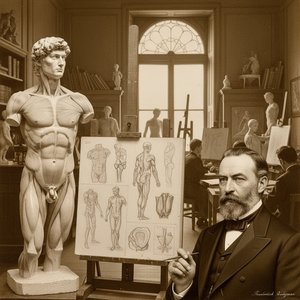
Frederick Bridgman: Anatomical Mastery & the Evolution of Figure Drawing Instruction
Explore the anatomical mastery of George B. Bridgman & his revolutionary figure drawing techniques. Discover how his methods transformed art instruction and continue to inspire artists today. Learn more at OriginalUniqueArt.

The Eloquent Form: A Historical & Aesthetic Exploration of the Nude in Art
Explore the captivating history of the nude in art! From ancient Greece to modern masters, discover its evolving symbolism, techniques & enduring beauty. Expert insights for collectors and enthusiasts.
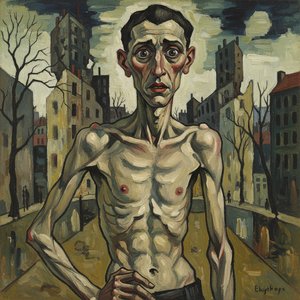
Egon Schiele: Expressionism, Anxiety & the Modern Condition – A Comprehensive Exploration
Explore the emotionally charged world of Egon Schiele (1890-1918). Discover his Expressionist masterpieces, psychological themes, and lasting impact on modern art. A comprehensive guide for collectors & enthusiasts.
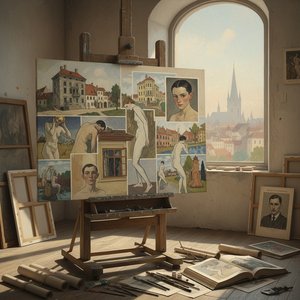
Egon Schiele: 25 Šedevrai, Atspindintys Menininko Sielą | OriginalUniqueArt.lt
Atraskite 25 įspūdingiausius Egon Schiele šedevrus! Gilinkitės į ekspresionizmo pasaulį, portretų istorijas ir unikalią menininko spalvų paletę. Aukštos kokybės reprodukcijos interjerui – OriginalUniqueArt.lt