Peržiūrėti realaus dydžio版
 Siųsti
 Dalintis
 Išsamiau
 Vadovas

 Atsisiųsti
 Panašūs eksponatai
 Rentgeno spindulių nuotrauka
 Diaporama
 Statistika
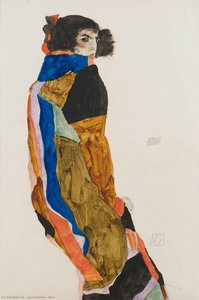
Moa
 Akrilas ant drobės
- Sieninis menas
- Expressionizm
 1911
1911- Modernizmas
 315.0 x 478.0 cm
 Leopold Museum
 Rodyti daugiau
Rankų darbo aliejinės reprodukcijos
Rankiniu būdu tapytas aliejus ant droblio jūsų pageidaujamame dydį ir rėmuose – mūsų menininkų darbas pagal užsakymą. ( Perjungti į spausdinimą Perejti prie skaitmeninių vaizdų)




P118B €10

P118H €10

P118W €10

P438Z €10

P508JH €12

P508YH €12

P805H €10

P805Z €10

P919BZ €10

P919G €10

P919XJ €10

P959ZH €10

P968JZ €12

W106C €8

W218G €10

W218JH €8

W218Y €10

W307PJ €10

W316G €10

W316PJ €8

W316Y €10

W398PJ €8

W4111J €10

W500HY €15

W500JH €15

W692G €12

W849H €8

W940BG €15

W953PJ €8




Pasirinkite iš mūsų nustatytų dydžių, atitinkančių originalaus meno kūrinio proporcijas.

Įveskite jums reikiamą plotį ir aukštį, kad paveikslas atitiktų jūsų rėmą ar sieną. Kadangi šis darbas yra rankinio darbo, siekiant išgauti kitokio formos dydį, paveikslas gali būti šiek tiek didesnis (nuo kraštų bus palikta daugiau erdvės) arba mažesnis – pasirinkite jums patogiausią variantą. Prieš pradedant tapyti, atsiųsime jums skaitmeninį maketą patvirtinimui. Šioje puslapio nuotraukoje matomas vaizdas nėra galutinis rezultatas – jį parodys tik sukurtas maketas.
Gavus užsakymą, OriginalUniqueArt.com komanda susisieks su klientu el. paštu dėl instrukcijų ir pateiks maketo pavyzdį
Pristatymas visame pasaulyje () per 3–4 savaites, o ne įprastai – per 5 savaites. (16 spalis). Kokybė lieka nepakeičiama.

Nemokamas greitasis pristatymas visame pasaulyje

Aukštos kokybės lininis drobė

Pilnas siuntimo draudimas

Muitinės mokesčių grąžinimo garantija

Tikro spalvų atitikimo garantija

100 dienų grąžinimo politika (tik esant įtaigoms)

100% pinigų grąžinimo garantija

Nuolaida dideliems užsakymams
 Stiklo variantas prieinamas tik pasirinkus dydį iki 110 cm

Moa
Reprodukcijos technika
Reprodukcijos dydis
-


Visų pasirinktų variantų kaina
€ 261
A Portrait of Modernity: Egon Schiele’s ‘Moa’ (1911)
This striking watercolor, *Moa*, offers a compelling glimpse into the burgeoning Expressionist style of early 20th-century Vienna and the artistic revolution spearheaded by Egon Schiele. Painted in 1911, this work transcends a simple portrait; it’s a powerful statement about identity, abstraction, and the rejection of established artistic conventions.The Subject & Her Circle
Moa was not merely a model but an integral part of Schiele's creative world – a dancer and close friend who, along with her partner Erwin Osen, frequently posed for the artist between 1910 and 1911. Their presence in Schiele’s work reflects his fascination with the performing arts and the human form as vehicles for emotional expression. The intimate connection he shared with his models is palpable in the intensity of their portrayals.Style & Technique: Breaking from Klimt
*Moa* exemplifies Schiele's departure from the decorative, often sensual style of his mentor, Gustav Klimt. While Klimt enveloped his figures in opulent ornamentation, Schiele strips away extraneous detail, focusing instead on a stark contrast between the realistically rendered face and the dramatically abstracted drapery. The watercolor technique itself – loose, gestural brushstrokes and layered washes – contributes to the painting’s raw emotional energy. The large scale of the work (315 x 478 cm) further amplifies its impact, enveloping the viewer in its presence.Decoding the Symbolism
The robe is not simply clothing; it's a symbolic enclosure. Its austere, geometric design completely conceals Moa’s body, creating a sense of mystery and perhaps even confinement. The angular shapes and blocks of color within the garment can be interpreted as representing fragmentation or internal emotional turmoil. This abstraction isn’t about hiding the figure but rather exploring the psychological space *around* her. The intentional flattening of perspective further emphasizes this symbolic weight, prioritizing shape and color over realistic representation.Historical Context: From Jugendstil to Expressionism
Schiele's work emerged during a period of profound social and artistic change. Vienna at the turn of the century was a hotbed of intellectual and creative ferment, witnessing the decline of the *Jugendstil* (Art Nouveau) and the rise of Expressionism. *Moa* is pivotal in this transition – it takes the robed figure motif from Klimt but transforms it into something entirely new, abandoning “seductive illusion” for a more direct and emotionally charged aesthetic.Emotional Impact & Legacy
The painting evokes a sense of melancholy and introspection. Moa’s gaze is bold yet distant, suggesting an inner life that remains partially obscured. The somber color palette reinforces this mood. *Moa* isn't simply a visual experience; it’s an invitation to contemplate the complexities of human emotion and the search for identity in a rapidly changing world. Schiele’s influence on subsequent generations of artists is undeniable, solidifying his place as a key figure in modern art history.Further Exploration
- Discover more about Egon Schiele's life and work at the OriginalUniqueArt artist page.
- Explore related works like "Reclining Girl, with Round Head" to understand the evolution of Schiele’s style.
- Visit the Leopold Museum in Vienna to view an extensive collection of his paintings.
问答 (or more naturally for a website heading): Klausimai ir atsakymai
Kaip galiu peržiūrėti „Moa“, autorius – Egon Šylė reprodukciją?
„Moa“ Peržiūra puslapio funkcija leidžia peržiūrėti kūrinį prieš užsakant.
Kur turėtų būti pakabinta „Moa“, autorius – Egon Šylė reprodukcija?
„Moa“, autorius – Egon Šylė formatas Portretinis formatas rekomenduojamas Popieriaus svetainė erdvėje. Formatas ir erdvė kartu padeda tinkamai išdėsti reprodukciją.
Kokią nuotaiką ir emociją sujungia „Moa“?
Įtvirtinta „Moa“, autorius – Egon Šylė nuotaika yra Dramatiškas, o emocinis tonas – Melancholiškas.
Autoriaus biografija
Egon Schiele
Austrijos pozicija dviejų pasaulinio karo horizonte buvo labai abejojanti: vienu metu ji buvo šiek tiek iš Šiaurės į rytus, lengvai įsitikinusi veiksmų vyrai. Mažėjęs šalis po 1918 m., beveik visiškai neišplitusi tarptautiniu pasauliu buvo lengvai įvykdinta Hitlerio Reichui 1938 m.; meno srityje tai reiškė kad modernizmo istorija buvo išvykstanti nuo Šiaurės iki pietų, su pagrindiniu dėmesiu į formą. Vokelių šiek tiek pripažino ekspresionizmą kaip svarbų meno srovę; jis buvo vienas iš žymiausius austrių artistas XX amžiaus pradžioje – kartu su Gustavu Klimtu ir Oskar Kokoschka išvykę į Vieną buvo laikomas vienu iš Žyduvo šimtmečio svarbiausių vizualinių menininkų.
Gyvenimas
Egonas Šylė gimė 1890 m. vasario 3 d. Tulne, Austrijoje. Jo tėvas Adolfas Šylė buvo Tulno geležinkelio stoties direktorius ir gimė 1851 m. Vienoje Adolfo Šyly tevai turėjo tris jaunesnes seseris: Elvirą, Melaniją ir Gertrūdą. Elvira mirė vaikyste dėl gimtinių sifiliso. Jo tėvas buvo užsikrėtęs sifiliu įsimėlynėje savo jaunystės metais po vienos jo naujosios žmonos išėjimo iš kambario.
Meno vystymasis
Šylė mokytojo Christian Griepenkerl įtaką išgyveno Vienoje 1907 m. ir G. Klimtas tapo jo svarbiu rėmėju. Šylė paliko akademiją 1906 m., nes jos mokymo metodai buvo labai konservatyvus, ir įkūrė Naują austrių dailės grupę 1909 m. Grupėje vyravo ekspresionistinė estetika, kuri iššūkiant šiuolaikinėms kultūros normas.
Žymūs kūriniai
Šylė buvo vienas iš žymiausius austrių artistas XX amžiaus pradžioje – kartu su Gustavu Klimtu ir Oskar Kokoschka išvykę į Vieną buvo laikomas vienu iš Žyduvo šimtmečio svarbiausių vizualinių menininkų. Šylė buvo ekspresionizmo meno srovės atstovas.
Žymūs veiksniai
Šylė buvo žinomas dėl savo iššūkiantį įžiūrą į pasaulio problemas ir šiuolaikinę estetika, kuri iššūkiant šiuolaikinėms kultūros normas. Šylė buvo ekspresionizmo meno srovės atstovas.

Egon Šylė
1890 - 1918 , Austrija
Trumpa informacija apie kūrėją
- Artistic Movement Or Style: Ekspresionizmas
- Artists Who Influenced This Artist: ['Gustavas Klimtas']
- Date Of Birth: 1890 m.
- Date Of Death: 1918 m.
- Full Name: Egon Schiele
- Nationality: Austras
- Notable Artworks:
- Savęs portretas su fizižalis
- Porą įemčianti
- Žemės apėjimų kraštovaizdis
- Place Of Birth: Tulnas, Austrija
Susiję straipsniai

Ephemeral Visions: Exploring the Artistic Legacy & Contemporary Practice of Watercolor Painting
Explore the captivating world of watercolor painting! Discover its rich history, essential techniques, influential artists & collecting tips. A comprehensive guide for art enthusiasts from OriginalUniqueArt.

Ephemeral Visions: Exploring the Artistic Legacy & Nuances of Watercolor Painting
Explore the captivating world of watercolor painting! Discover its rich history, essential techniques, influential artists & collecting tips from art experts. A comprehensive guide for enthusiasts.
Egon Schiele: 25 Šedevrai, Atspindintys Menininko Sielą | OriginalUniqueArt.lt
Atraskite 25 įspūdingiausius Egon Schiele šedevrus! Gilinkitės į ekspresionizmo pasaulį, portretų istorijas ir unikalią menininko spalvų paletę. Aukštos kokybės reprodukcijos interjerui – OriginalUniqueArt.lt

Watercolor Wonders: 10 Masterpieces That Redefined Art History | OriginalUniqueArt
Journey through 10 legendary watercolor masterpieces by Sargent, Turner & Homer! Explore iconic landscapes, portraits & floral art that redefined history. Find museum-quality reproductions and curated decor ideas at OriginalUniqueArt.com.

Ephemeral Visions: Exploring the History & Emotional Resonance of Watercolor Painting
Explore the captivating history of watercolor painting, from ancient techniques to modern masters like Kandinsky & Blake. Discover essential artists, collecting tips & the emotional power of this luminous medium. Expert insights for art enthusiasts.