Peržiūrėti realaus dydžio版
 Pasidalinti
 Dalintis
 Išsamiau
 Vadovas

 Atsisiųsti
 Panašūs eksponatai
 Rentgeno spindulių nuotrauka
 Automatinė diorama
 Q&A
Q&A Statistika
Village with Mountains

- 21.0 x 28.0 cm


 Skaityti daugiau
Giclée / Meno spausdinimas
Muziejų lygio „giclée“ arba drobos spausdinimas: greita gamyba ir lankstios apdailos parinktys. ( Pirkti rankų darbo tapybą Perejti prie skaitmeninių vaizdų)




P118B €10

P118H €10

P118W €10

P438Z €10

P508JH €12

P508YH €12

P805H €10

P805Z €10

P919BZ €10

P919G €10

P919XJ €10

P959ZH €10

P968JZ €12

W106C €8

W218G €10

W218JH €8

W218Y €10

W307PJ €10

W316G €10

W316PJ €8

W316Y €10

W398PJ €8

W4111J €10

W500HY €15

W500JH €15

W692G €12

W849H €8

W940BG €15

W953PJ €8




Pasirinkite iš mūsų nustatytų dydžių, atitinkančių originalaus meno kūrinio proporcijas.

Įveskite jums reikiamą plotį ir aukštį, kad atvaizdas derėtų prie jūsų rėmo ar sienos. Spausdiną galima tik sumažinti, bet nepadidinti virš originalaus paveikslėlio dydžio, todėl keičiant proporcijas, dalis vaizdo prarandama. Prieš spausdinimą atsiųsime jums skaitmeninį maketą patvirtinimui. Šioje puslapio nuotraukoje matomas pjūvis nėra tikslus – jį rodo tik maketas.
Pristatymas visame pasaulyje () per 2 weeks, o ne įprastas 4/5 savaičių laikotarpis. (2 lapkritis)

Nemokamas greitasis pristatymas visame pasaulyje

Aukštos kokybės lininis drobė

Pilnas siuntimo draudimas

Muitinės mokesčių grąžinimo garantija

Tikro spalvų atitikimo garantija

100 dienų grąžinimo politika (tik esant įtaigoms)

100% pinigų grąžinimo garantija

Nuolaida dideliems užsakymams
 Stiklo variantas prieinamas tik pasirinkus dydį iki 110 cm

Village with Mountains
Giclée / Meno spausdinimas
Reprodukcijos matmenys
-


Bendroji kaina
€ 71
A Moment Frozen in Time: Egon Schiele’s “Village with Mountains”
Egon Schiele's "Village with Mountains," painted in 1907, isn’t merely a depiction of a landscape; it’s a distilled essence of feeling, a poignant glimpse into the artist’s intensely personal worldview. Measuring just 21 x 28 cm, this intimate canvas holds within it a world brimming with both quietude and an underlying current of melancholy – hallmarks of Schiele's distinctive Expressionist style. The scene unfolds in muted tones, dominated by the imposing presence of a mountain range that recedes into a hazy distance, its peaks hinting at both grandeur and the inevitable passage of time. Below this monumental backdrop lies a small village, rendered with a deliberate simplicity; houses painted in earthy reds, yellows, and browns cluster together, suggesting a sense of community yet also isolating them within their individual spaces.
The Language of Expressionism
Schiele’s approach to painting was profoundly shaped by the burgeoning currents of Expressionism, a movement that prioritized emotional truth over photographic realism. He wasn't interested in faithfully recreating what he saw; instead, he sought to convey the *feeling* of a place – the solitude, the vulnerability, and perhaps even the premonition of loss. This is evident in his bold brushstrokes, applied with a raw energy that seems almost frantic, capturing the texture of the landscape and the fleeting quality of light. The figures within the village are sketched with an economical grace, their forms suggesting movement and life without resorting to detailed rendering. Notice how Schiele uses color not to mimic nature but to amplify its emotional resonance – the warm hues of the foreground contrasting sharply with the cool blues and greys of the mountains, creating a visual dialogue between warmth and distance.
Symbolism Woven into the Landscape
Beyond its immediate beauty, “Village with Mountains” is rich in symbolic potential. The solitary figure standing near the center of the painting immediately draws our attention. While their exact activity remains ambiguous, they represent a human presence within this vast and indifferent landscape – a small individual confronting the immensity of nature and perhaps even mortality itself. The mountains, perpetually looming, can be interpreted as symbols of both strength and oppression, representing the challenges and limitations inherent in existence. The scattered trees, rendered with an almost skeletal quality, further reinforce this sense of vulnerability. Schiele’s use of diagonals – particularly in the lines of the houses and the mountain peaks – creates a dynamic tension within the composition, suggesting instability and a constant state of flux.
A Window into a Troubled Soul
Understanding Egon Schiele requires acknowledging the deeply personal context surrounding his life. Born in Vienna in 1890, he endured significant hardship early on, including the loss of his father and sister. These experiences profoundly shaped his artistic vision, leading him to explore themes of death, anxiety, and isolation with unflinching honesty. “Village with Mountains,” painted just a few years before his untimely death at age 28, reflects this preoccupation with mortality. The painting’s quiet intensity, its sense of melancholy, and its subtle suggestion of unease speak volumes about the artist's inner turmoil. It is not simply a picturesque landscape; it’s a carefully constructed emotional portrait, offering a rare glimpse into the soul of a tormented genius.
OriginalUniqueArt offers exquisite hand-painted reproductions of “Village with Mountains,” allowing you to bring this powerful and evocative artwork into your home or office. Each reproduction is created by skilled artists using traditional techniques, ensuring that it captures the essence of Schiele’s original vision while providing a stunning addition to any collection.
Klausimai ir atsakymai
Kurių spalvų dominuoja „Village with Mountains“ – Egon Šylė?
„Village with Mountains“ – Egon Šylė kūryboje naudojama Dark paletė, kurioje dominuoja Bronze (#b0702c) spalva.
Kaip kūrinys „Village with Mountains“ dera su Egon Šylė temomis ir stiliumi?
„Village with Mountains“ priklauso Egon Šylė Expressionist Style kūrybai, kurios įrašytoms temoms priskiriamas expressionist emotionality, klimt’s influence, austrian rural life, mortality”, “schiele’s obsession”, “early exploration, personal symbolism”, fragmented forms.
Kokia yra „Village with Mountains“ – Egon Šylė kūrybos data?
„Village with Mountains“ sukurta 1907 m. Ši data leidžia įvardyti kūrinį Egon Šylė kūrybinėje karjeroje bei jo epochoje.
Autoriaus biografija
Egon Schiele
Austrijos pozicija dviejų pasaulinio karo horizonte buvo labai abejojanti: vienu metu ji buvo šiek tiek iš Šiaurės į rytus, lengvai įsitikinusi veiksmų vyrai. Mažėjęs šalis po 1918 m., beveik visiškai neišplitusi tarptautiniu pasauliu buvo lengvai įvykdinta Hitlerio Reichui 1938 m.; meno srityje tai reiškė kad modernizmo istorija buvo išvykstanti nuo Šiaurės iki pietų, su pagrindiniu dėmesiu į formą. Vokelių šiek tiek pripažino ekspresionizmą kaip svarbų meno srovę; jis buvo vienas iš žymiausius austrių artistas XX amžiaus pradžioje – kartu su Gustavu Klimtu ir Oskar Kokoschka išvykę į Vieną buvo laikomas vienu iš Žyduvo šimtmečio svarbiausių vizualinių menininkų.
Gyvenimas
Egonas Šylė gimė 1890 m. vasario 3 d. Tulne, Austrijoje. Jo tėvas Adolfas Šylė buvo Tulno geležinkelio stoties direktorius ir gimė 1851 m. Vienoje Adolfo Šyly tevai turėjo tris jaunesnes seseris: Elvirą, Melaniją ir Gertrūdą. Elvira mirė vaikyste dėl gimtinių sifiliso. Jo tėvas buvo užsikrėtęs sifiliu įsimėlynėje savo jaunystės metais po vienos jo naujosios žmonos išėjimo iš kambario.
Meno vystymasis
Šylė mokytojo Christian Griepenkerl įtaką išgyveno Vienoje 1907 m. ir G. Klimtas tapo jo svarbiu rėmėju. Šylė paliko akademiją 1906 m., nes jos mokymo metodai buvo labai konservatyvus, ir įkūrė Naują austrių dailės grupę 1909 m. Grupėje vyravo ekspresionistinė estetika, kuri iššūkiant šiuolaikinėms kultūros normas.
Žymūs kūriniai
Šylė buvo vienas iš žymiausius austrių artistas XX amžiaus pradžioje – kartu su Gustavu Klimtu ir Oskar Kokoschka išvykę į Vieną buvo laikomas vienu iš Žyduvo šimtmečio svarbiausių vizualinių menininkų. Šylė buvo ekspresionizmo meno srovės atstovas.
Žymūs veiksniai
Šylė buvo žinomas dėl savo iššūkiantį įžiūrą į pasaulio problemas ir šiuolaikinę estetika, kuri iššūkiant šiuolaikinėms kultūros normas. Šylė buvo ekspresionizmo meno srovės atstovas.

Egon Šylė
1890 - 1918 , Austrija
Trumpa informacija
- Artistic Movement Or Style: Ekspresionizmas
- Artists Who Influenced This Artist: ['Gustavas Klimtas']
- Date Of Birth: 1890 m.
- Date Of Death: 1918 m.
- Full Name: Egon Schiele
- Nationality: Austras
- Notable Artworks:
- Savęs portretas su fizižalis
- Porą įemčianti
- Žemės apėjimų kraštovaizdis
- Place Of Birth: Tulnas, Austrija
Susiję straipsniai

The Enduring Legacy of Oil on Canvas: Technique, History & Aesthetic Impact
Explore the rich history & techniques of oil painting – from Renaissance masters to Impressionism. Discover pigments, layering methods, and why this timeless medium endures. Expert insights for artists & art enthusiasts.
Ekspresionizmo Deimantai: 10 Šedevrai Jūsų Namų Dekorui
Atraskite ekspresionizmo šedevrus! 10 įtakingiausių meno kūrinių, atskleisiančių Muncho, Kirchnerio ir kitų meistrų emocijas. Išmokite apie tapybos stilius bei spalvų paletę. Aukščiausios kokybės dailės reprodukcijos jūsų namams – OriginalUniqueArt.com.

Oil on Canvas: A Historical & Technical Exploration of a Timeless Artistic Medium
Explore the rich history & enduring techniques of oil painting on canvas. Discover the science behind its longevity, conservation practices, and contemporary relevance. Expert insights for art enthusiasts.
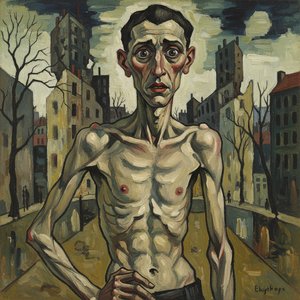
Egon Schiele: Expressionism, Anxiety & the Modern Condition – A Comprehensive Exploration
Explore the emotionally charged world of Egon Schiele (1890-1918). Discover his Expressionist masterpieces, psychological themes, and lasting impact on modern art. A comprehensive guide for collectors & enthusiasts.
Egon Schiele: 25 Šedevrai, Atspindintys Menininko Sielą | OriginalUniqueArt.lt
Atraskite 25 įspūdingiausius Egon Schiele šedevrus! Gilinkitės į ekspresionizmo pasaulį, portretų istorijas ir unikalią menininko spalvų paletę. Aukštos kokybės reprodukcijos interjerui – OriginalUniqueArt.lt